

The Authority in Global Agricultural Chemistry & Bio-Resources
Agricultural trailers bulk procurement: axle choice changes everything
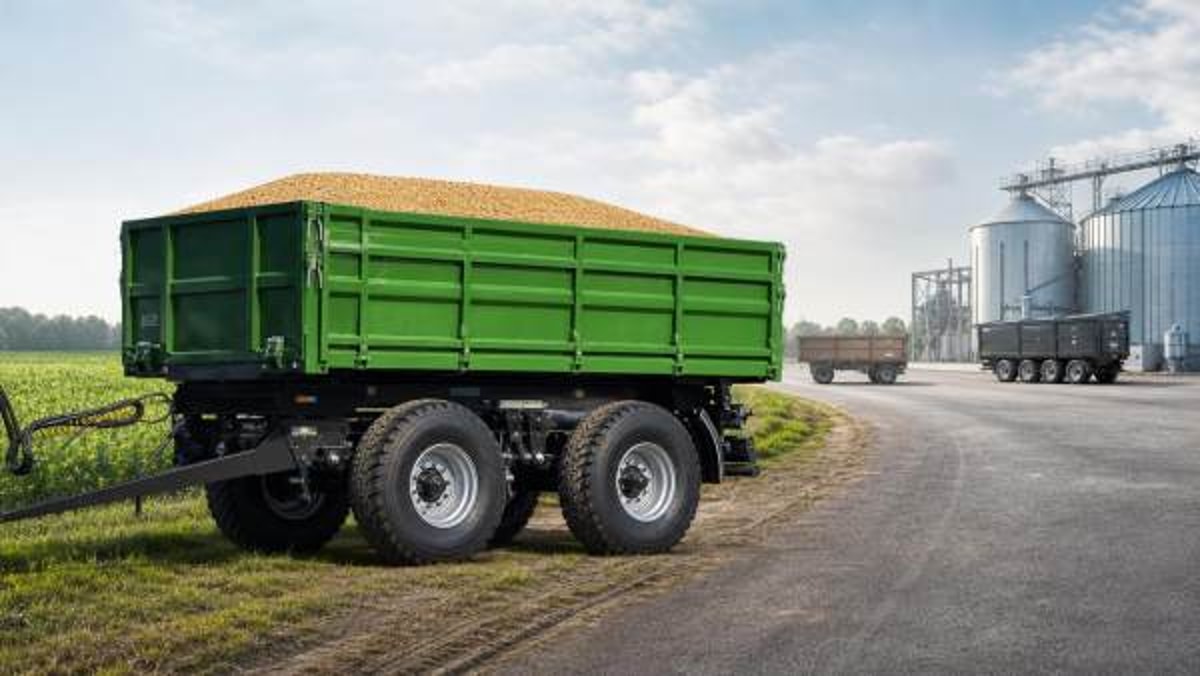
In agricultural trailers bulk procurement, axle selection is not a minor specification—it directly shapes payload stability, field mobility, maintenance cycles, and long-term operating cost. For procurement teams comparing suppliers at scale, understanding how different axle configurations affect performance across crops, terrain, and haulage demands is essential to making defensible, high-value purchasing decisions.
Why axle choice matters so much in agricultural trailers bulk sourcing
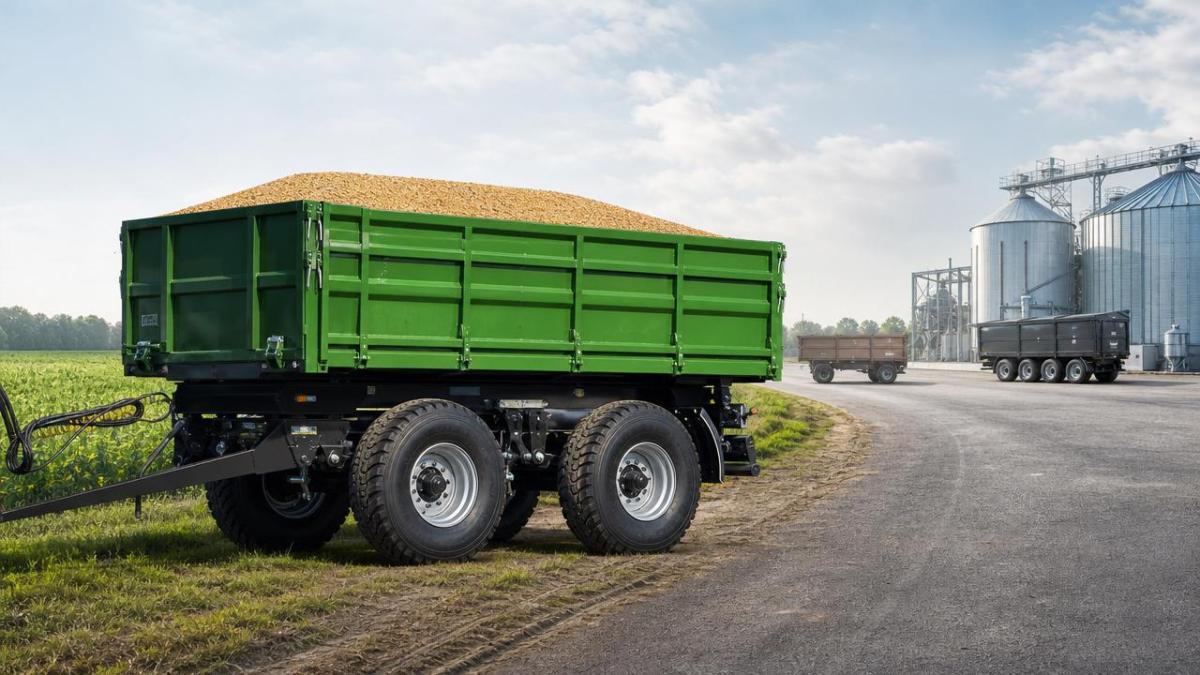
When buyers evaluate agricultural trailers bulk offers, they often focus first on body volume, steel thickness, hydraulic tipping, and quoted unit price. Those items matter, but the axle system is what determines how the trailer behaves once it leaves the yard and enters uneven fields, wet access roads, grain depots, orchards, or long rural haul routes. A weak axle specification can quietly erase any savings achieved during price negotiation.
For procurement personnel, axle selection affects more than mechanical performance. It influences loading consistency, legal transport planning, tire wear, service intervals, spare parts stocking, and driver acceptance. In high-volume fleets, even small differences in axle design can scale into major annual cost changes across maintenance labor, downtime, and crop movement efficiency.
This is especially relevant across primary industries, where one buyer may need to compare trailers for grain, silage, fertilizer, forestry by-products, feed ingredients, or bulk biomass. AgriChem Chronicle closely tracks these cross-sector procurement realities because machinery decisions are increasingly tied to supply chain resilience, compliance demands, and total operating economics rather than headline purchase price alone.
- Single mistakes in axle matching can reduce payload utilization by forcing underloading on weak ground or on poor roads.
- Incorrect axle count or capacity can raise maintenance frequency through bearing stress, suspension wear, and frame distortion.
- Poor compatibility with local terrain can create traction loss, rutting, tipping instability, and slower turnaround at harvest peaks.
- An overly heavy or overly complex axle arrangement may increase capital cost without producing measurable value in the buyer’s real application.
Which axle configurations are most common, and where do they fit best?
In agricultural trailers bulk procurement, the most common configurations are single axle, tandem axle, and tri-axle layouts. Buyers may also see variations in sprung versus bogie arrangements, fixed versus steering axles, and mechanical versus hydraulic suspension assistance. The right choice depends on load density, field conditions, travel distance, and unloading pattern.
The table below gives procurement teams a practical comparison framework for evaluating axle layouts beyond catalog language.
In most agricultural trailers bulk projects, tandem axle designs become the default shortlist because they offer the best compromise between field usability and carrying efficiency. However, that does not mean tandem is always correct. Dense fertilizer, wet beet, or mineral-rich feed inputs may justify tri-axle investment, while lighter green forage in smaller operations may be better served by simpler layouts.
How load type changes the axle decision
Not all bulk cargo behaves the same. Grain flows differently from chopped silage. Wood chips differ from bagged input materials. Moisture content, bulk density, center-of-gravity movement, and unloading method all affect axle stress. A trailer moving low-density crop residue may need cubic volume more than axle intensity, while a trailer carrying wet grain can approach structural limits quickly.
- Low-density materials: prioritize body volume, flotation, and field mobility over maximum axle count.
- High-density materials: prioritize axle load rating, braking support, and frame compatibility.
- Sticky or unevenly discharged loads: prioritize tipping stability and suspension robustness.
- Road-heavy routes: pay close attention to axle alignment, hub durability, and tire wear patterns.
What procurement teams should compare beyond axle count
A common mistake in agricultural trailers bulk evaluation is treating axle count as the whole decision. In reality, buyers should compare axle capacity, beam construction, suspension type, brake compatibility, wheel spacing, serviceability, and supplier support. Two tandem trailers can look similar on paper but perform very differently over five seasons.
The procurement matrix below helps standardize supplier comparison when issuing RFQs or conducting technical clarifications.
This type of comparison is where informed buyers gain leverage. Instead of negotiating only on unit price, they can ask targeted questions about fatigue resistance, maintenance accessibility, and compatibility with current tractors, tow eyes, and brake systems. That usually produces better long-term value and reveals which supplier truly understands industrial-scale farm logistics.
Technical signals that deserve extra attention
- Check whether the stated payload is realistic for rough agricultural duty or only for ideal road conditions.
- Review how axle mounting interacts with chassis design, especially near tip points and high stress areas.
- Confirm grease point access, seal protection, and bearing replacement procedure for field service teams.
- Ask whether steering or lift-axle options are available when yards are tight but loads remain heavy.
- Verify whether tire and rim choices actually match the axle and intended soil pressure objectives.
How terrain, haul distance, and seasonality change the best axle strategy
The same agricultural trailers bulk specification can perform well in one region and poorly in another. Flat, dry grain belts place different demands on trailers than wet forage zones, orchard lanes, forestry interfaces, or mixed farm-industrial corridors. Procurement teams should therefore match axle choice to route reality rather than to brochure categories.
Field-heavy operations
Where trailers spend much of their time crossing soft fields, axle load distribution and flotation matter more than top-speed efficiency. Tandem or tri-axle systems can reduce ground pressure when paired with suitable tires, but excessive axle length may hurt turning in headlands. Buyers should weigh crop damage risk against payload gains.
Road-heavy operations
If most movements are between storage hubs, feed mills, chemical processing sites, or contract drying facilities, road behavior becomes more important. In these settings, axle alignment, brake balance, suspension stability, and high-cycle bearing durability often outweigh narrow field maneuverability.
Peak harvest pressure
Seasonal peaks punish weak specifications. During harvest, trailers are loaded quickly, driven by multiple operators, and often routed on mixed surfaces. A conservative axle specification can be cheaper than repeated repair campaigns. Buyers managing multiple sites should assume real-world abuse when comparing agricultural trailers bulk tenders.
Cost, maintenance, and total ownership: what looks cheaper may cost more
Procurement teams are frequently under pressure to justify purchase savings immediately. Yet in agricultural trailers bulk projects, total cost of ownership is often shaped by wear patterns rather than by invoice price. An under-specified axle may lead to cracked mounts, premature tire replacement, bearing failures, and more service calls during critical movement windows.
The table below outlines how axle strategy can influence downstream cost categories.
For budget-controlled buyers, the answer is not always to buy the heaviest trailer available. The better approach is to identify the dominant duty cycle, calculate practical loading patterns, and buy the axle system that minimizes cost per productive ton moved. That is the level of decision support institutional buyers increasingly expect from suppliers and industry intelligence sources.
What standards, documentation, and supplier transparency should buyers request?
Agricultural trailers may not face the same regulatory pathway as pharmaceutical ingredients or chemical intermediates, but documentation still matters. In cross-border sourcing, buyers should request clear technical drawings, material details, rated capacities, braking specifications, and maintenance instructions. If trailers will operate on public roads, local transport and safety rules must also be reviewed early.
- Ask for declared axle ratings, suspension details, and trailer gross weight assumptions in writing.
- Request spare parts lists and replacement lead times before placing a bulk order.
- Confirm brake and lighting compliance for the destination market where applicable.
- Review welding consistency, surface protection approach, and inspection checkpoints during production.
- Clarify whether any third-party testing or load verification documents are available on request.
This emphasis on evidence and traceable documentation reflects a broader industrial trend. Across machinery, chemicals, feed processing, and aquaculture equipment, procurement teams are no longer satisfied with general claims. They want data, comparability, and accountability. That is precisely why specialist publishing and market analysis platforms such as AgriChem Chronicle remain valuable to technical buyers navigating fragmented global supply chains.
Common procurement mistakes in agricultural trailers bulk projects
Mistake 1: Buying to nominal capacity only
A trailer may advertise an attractive tonnage figure, but buyers should ask under what conditions that figure applies. Soft fields, repeated shock loading, and mixed road surfaces create dynamic forces that can exceed static assumptions. Bulk procurement based only on catalog payload is risky.
Mistake 2: Ignoring service standardization across the fleet
If every trailer batch uses different bearings, hubs, or brake components, the maintenance team absorbs the complexity. This weakens parts planning and increases downtime. Buyers should favor axle systems that can be maintained with a rationalized spare parts strategy.
Mistake 3: Over-specifying for prestige rather than use case
A tri-axle setup may appear more industrial, but if the operation requires frequent tight turning in confined fields with moderate loads, it may introduce avoidable cost and maneuvering penalties. Procurement discipline means buying what the route profile needs, not what looks strongest in a brochure.
FAQ: practical questions buyers ask before placing agricultural trailers bulk orders
How do I choose between tandem and tri-axle trailers?
Start with material density, average haul distance, and turning constraints. Tandem axle trailers usually suit mixed farm use and medium-to-heavy crop movement. Tri-axle options make more sense when loads are consistently dense, routes are longer, and stability under higher gross weights is a priority. The correct answer comes from operating profile, not from axle count alone.
What should I request in an RFQ for agricultural trailers bulk procurement?
Include target payload range, cargo type, field condition, road distance, braking compatibility, tire preference, expected annual cycle volume, and service expectations. Ask suppliers to state axle ratings, suspension design, spare parts lead times, and any exclusions from warranty or operating assumptions. This reduces ambiguity and improves bid comparability.
Are steering axles worth the extra cost?
They can be valuable where turning space is limited, soil disturbance must be reduced, or long multi-axle trailers operate in constrained yard layouts. However, they introduce more complexity and may not be necessary for every fleet. Buyers should evaluate them where maneuverability losses are already affecting productivity or field condition.
What delivery and support questions matter most?
Focus on production lead time, parts availability, packaging for export, documentation completeness, and post-delivery technical support. In bulk orders, it is also wise to confirm whether the supplier can maintain axle consistency across all units or whether substitutions may occur because of component sourcing changes.
Why informed buyers work with AgriChem Chronicle for machinery sourcing intelligence
Agricultural equipment procurement now sits inside a broader industrial decision environment shaped by compliance, logistics volatility, and cross-border sourcing complexity. AgriChem Chronicle supports buyers with sector-specific analysis that connects machinery specifications to real operating, regulatory, and supply chain implications. That perspective is particularly useful when evaluating agricultural trailers bulk proposals from multiple regions or supplier tiers.
Our editorial focus across agricultural machinery, fine chemicals, bio-processing, aquaculture technology, and feed systems means we understand how equipment choices influence upstream and downstream operations. Procurement teams use this intelligence to compare technical claims, identify hidden cost drivers, and frame better supplier discussions around performance, documentation, and delivery risk.
- Parameter confirmation for axle layout, rated load, and suspension suitability
- Selection support for crop-specific and terrain-specific trailer configurations
- Procurement comparison frameworks for supplier shortlisting and bid review
- Guidance on delivery planning, documentation expectations, and serviceability concerns
- Discussion support around customization, spare parts strategy, and long-term fleet standardization
If your team is reviewing agricultural trailers bulk opportunities, contact AgriChem Chronicle to discuss axle specification logic, product selection criteria, expected delivery windows, customization options, documentation requirements, and quotation comparison points. A more structured procurement process begins with better questions—and the right axle questions change everything.
Related Intelligence
- Heavy Agri MachineryRotary tillers wholesale quality checks before placing a large orderRotary tillers wholesale quality checks: verify welds, gearboxes, blades, CE compliance, and batch consistency before large orders to reduce risk and choose suppliers with confidence.
- Heavy Agri MachineryWholesale lawn mowers or ride-ons? Matching mower type to terrainWholesale lawn mowers or ride-ons? Learn how to match mower type to terrain, acreage, labor, and obstacles to stock smarter, reduce service issues, and win more commercial buyers.
- Heavy Agri MachineryManure spreaders wholesale: the maintenance issues worth checking firstManure spreaders wholesale maintenance starts with the right first checks. Discover how to inspect chains, PTO, hydraulics, and corrosion points to reduce downtime and improve spread performance.
The Morning Broadsheet
Daily chemical briefings, market shifts, and peer-reviewed summaries delivered to your terminal.
