

The Authority in Global Agricultural Chemistry & Bio-Resources
Agricultural tires wholesale: why tread choice affects downtime
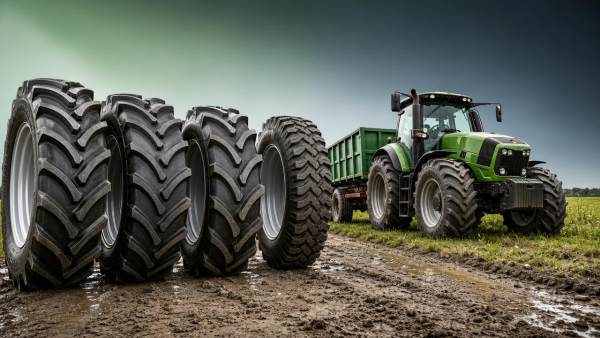
In agricultural tires wholesale, tread choice is more than a specification—it directly shapes uptime, fuel efficiency, soil impact, and replacement cycles. For dealers, distributors, and agents serving professional farm operators, understanding how tread patterns affect machine performance and downtime is essential to guiding profitable purchasing decisions in a market where reliability and field productivity cannot be compromised.
For wholesale buyers and channel partners, the core issue is not simply which tire looks more aggressive or carries a lower unit price. The real question is which tread design best fits the machine, terrain, load profile, and seasonal working pattern of the end user. When tread selection is wrong, downtime rises through slippage, punctures, uneven wear, excessive vibration, and avoidable service calls. When tread selection is right, the tire becomes a productivity asset rather than a replacement headache.
That is why agricultural tires wholesale decisions should be based on operating conditions and fleet economics, not only catalog dimensions. Dealers who can explain tread-related downtime in practical terms are better positioned to win trust, reduce claims, improve reorder rates, and support larger commercial accounts.
Why tread choice matters so much in agricultural tires wholesale
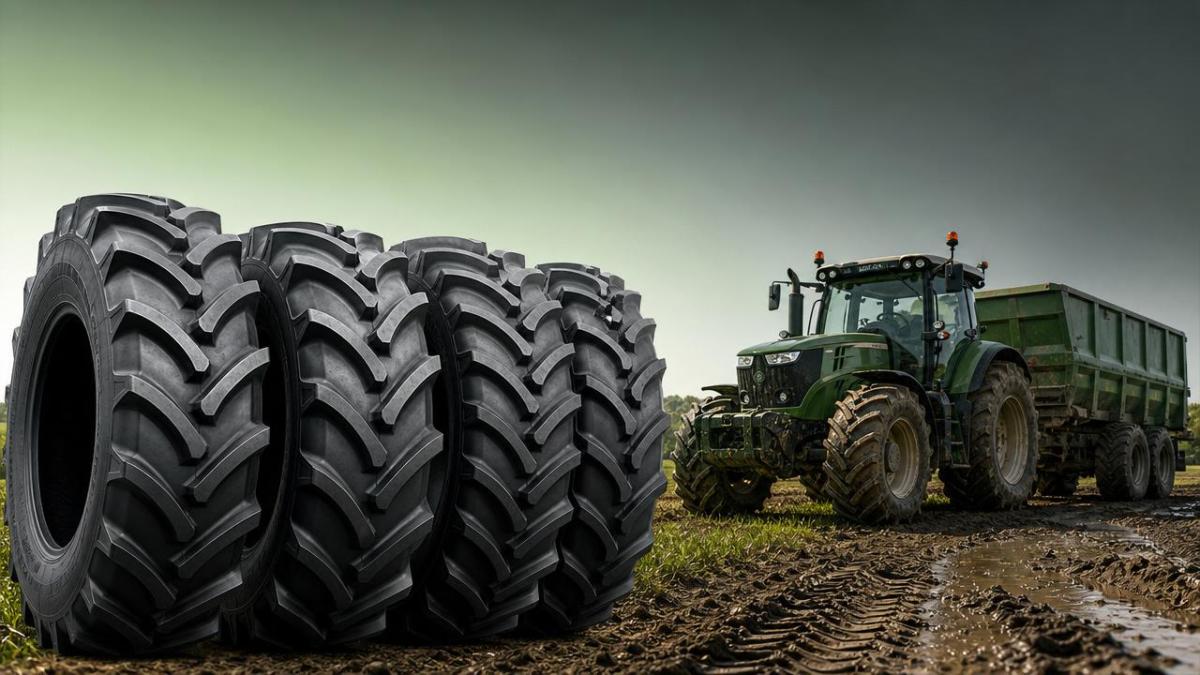
Professional farm operators do not measure tire value by purchase price alone. They measure it by hours worked, acres covered, fuel burned, soil protected, and interruptions avoided. For distributors and agents, that means tread pattern is directly tied to customer satisfaction and account retention.
A tread design determines how effectively a tire converts engine power into forward motion. In loose soil, wet ground, mixed road-field use, or heavy drawbar applications, the wrong lug angle, lug depth, or void ratio can cause excessive slip. Slip wastes fuel and time, but more importantly, it increases heat and wear, accelerating failure and bringing machines out of service when timing is critical.
Downtime in agriculture is expensive because field windows are short. Planting, spraying, harvesting, and transport often depend on a narrow schedule. If a tractor, sprayer, trailer, or harvester is stopped because the tires cannot maintain traction or have worn out prematurely, the cost goes far beyond the tire invoice. Labor delays, missed weather windows, lower crop quality, and emergency replacement logistics all compound the loss.
For this reason, buyers searching for agricultural tires wholesale usually want guidance that helps them match inventory to real-world farm applications. They are looking for practical selection logic they can use when advising customers, comparing suppliers, or building a stock program around fewer, faster-moving SKUs.
What dealers and distributors are really trying to solve
The target reader in this market is typically balancing three commercial goals at once: reliable product performance, competitive margins, and low after-sales friction. They need tire lines that perform across diverse farm environments, but they also need selection criteria simple enough to support quoting, stocking, and technical selling.
The most common concern is avoidable callback risk. A dealer may sell the right size but the wrong tread family for the application. The result can be customer complaints about rutting, road bounce, shoulder wear, sidewall stress, poor self-cleaning, or reduced traction under load. Each complaint creates hidden costs in field visits, warranty discussions, replacement handling, and reputational damage.
Another major concern is inventory efficiency. Wholesale buyers cannot stock every tread variation in every size. They need to know which tread types are essential for row-crop tractors, which are better for transport-heavy use, and which should be reserved for severe-service or flotation-sensitive applications. Better tread knowledge supports better SKU rationalization.
Finally, dealers want a clear way to explain value to price-sensitive customers. End users often compare tire offers by cost per unit, but experienced channel partners know that lower upfront price can produce higher operating cost if tread wear, traction loss, or compaction issues reduce usable field hours. The wholesale opportunity is not just selling tires, but translating tread performance into economic outcomes.
How different tread patterns influence downtime in the field
Tread choice affects downtime through several mechanisms, and each one has a direct operational impact. The first is traction efficiency. Deep, well-spaced lugs are generally better at biting into soft soil and clearing mud, while shallower or more transport-oriented patterns may struggle when torque demand increases. If a machine slips too much, operators lose productivity and may have to rework sections of the field.
The second is self-cleaning behavior. In wet conditions, some treads shed mud quickly, while others pack up and effectively become smooth tires. Once the tread voids fill, traction drops sharply and the machine may need to stop, reroute, or be pulled out. For farms operating in variable weather, poor self-cleaning is a direct downtime risk.
The third is wear uniformity. Tread geometry influences how evenly contact pressure is distributed across the footprint. A mismatch between tread design and use pattern can cause center wear, lug base cracking, shoulder degradation, or irregular wear from frequent road transport. Premature wear shortens service intervals and disrupts maintenance planning.
The fourth is ride stability and heat management. Equipment traveling between fields on paved roads may need tread characteristics that reduce vibration and road wear. A pattern optimized only for field traction can run hotter or wear faster on transport routes. If operators spend significant time on-road, the wrong tread can age quickly and fail before expected replacement cycles.
The fifth is soil interaction. Excessive compaction or rut formation may not appear to be a tire downtime issue at first, but it often becomes one. Machines bog down more easily in damaged soils, require repeated passes, and place extra stress on drivetrains and tires. Tread design, especially when paired with proper inflation, influences flotation and pressure distribution enough to affect both mobility and crop outcomes.
The main tread categories wholesale buyers should understand
For most channel partners, the most useful approach is not memorizing every brand-specific pattern, but understanding broad application categories. Standard R-1 agricultural treads remain common for general farm traction in dry to moderately soft field conditions. They usually offer a practical balance of traction, cost, and broad compatibility for conventional tractors.
R-1W tires, with deeper tread than standard R-1 designs, are often preferred where wetter field conditions are common or where operators need added bite and longer wear life under demanding traction loads. In many regions, they are a safer recommendation for professional operators who routinely work in variable moisture conditions and cannot afford traction-related delays.
R-2 patterns are designed for very wet or muddy environments and are more specialized. They can deliver strong traction in difficult conditions, but they are not a universal answer for every fleet. Dealers should be careful not to overspecify them where road use, ride quality, or general versatility matter more than extreme wet-field performance.
R-3 and turf-oriented patterns serve niche applications where surface protection is more important than maximum field traction. They are useful in landscaping, grounds care, or specialty operations, but generally not the first choice for heavy row-crop or primary tillage work.
Flotation tires and implement-specific tread designs deserve special attention in agricultural tires wholesale. Implements, trailers, tankers, and spreaders often create downtime not through engine traction loss but through sinkage, soil damage, rolling resistance, or high-speed transport wear. For these machines, tread design must support load distribution, reduced compaction, and stable movement across mixed surfaces.
How to match tread choice to end-user application
The most reliable way to reduce downtime is to qualify the application before recommending the tire. Dealers should ask a short set of questions: What machine is it for? What percentage of use is in the field versus on-road? What soil types dominate? Is the operation often wet? What loads are carried or pulled? What are the key seasonal pressure points? These answers usually matter more than brand preference alone.
For row-crop tractors working long days in mixed field conditions, traction and self-cleaning are often the top priorities. In such cases, a deeper and more capable agricultural tread may reduce slippage and improve work-rate consistency. For machines that spend substantial time on paved roads hauling between sites, a tread that better balances field grip with transport durability may create the best total value.
For sprayers, flotation and reduced crop damage can be decisive. For trailers and spreaders, casing strength, footprint, and wear stability under heavy loads may matter more than aggressive drive lugs. For high-horsepower tractors, lug design must support torque transfer without excessive slip that burns fuel and shortens life.
Distributors serving multiple farm segments should build recommendation frameworks around actual use cases rather than promoting one “best” tread. The better approach is to define a few common operating profiles and align each with a suitable tread family. This helps sales teams quote faster while improving confidence in fit-for-purpose selection.
Downtime costs more than replacement: the business case for better tread guidance
One of the most effective ways to sell premium or better-matched treads is to reframe the conversation around total downtime cost. A lower-cost tire that wears out early or causes traction inefficiency may seem attractive at purchase, but that advantage disappears quickly if the operator loses field hours during peak season.
Consider the hidden costs attached to one avoidable tire-related interruption: machine idle time, labor waiting, service dispatch, delayed planting or harvesting, fuel waste from slippage, and rushed emergency sourcing. In large-scale operations, the value of avoiding even one critical stoppage can exceed the price difference between standard and better-suited tread options.
For dealers and agents, this is also a margin conversation. Customers are more willing to accept a stronger-priced recommendation when the technical explanation is clear and operationally relevant. Tread education supports value-based selling, lowers dispute rates, and improves customer loyalty because the recommendation is seen as consultative rather than transactional.
What to evaluate when choosing a wholesale supplier
In agricultural tires wholesale, supplier quality matters just as much as product range. A strong supplier should provide application guidance, load and speed data, tread positioning support, and consistent availability across the sizes your market actually moves. If replenishment is unreliable, even a good tread strategy breaks down during seasonal demand spikes.
Look for suppliers that can clearly explain where each tread family fits, what trade-offs it carries, and which end-user conditions it is built for. Technical documentation should be easy for sales teams to use, not buried in generic marketing language. Good support reduces mis-selling and helps your team advise commercial accounts with greater authority.
Warranty handling and claim responsiveness should also be part of supplier assessment. Some tread-related failures are actually application mismatches, while others may involve manufacturing issues, inflation misuse, or overload conditions. A supplier that helps distinguish these causes can protect both dealer relationships and end-user confidence.
Finally, review the supplier’s breadth across drive, steer, implement, flotation, and mixed-service categories. The more coherent the lineup, the easier it is to build stocking logic around real demand. This improves inventory turns and reduces the need to carry too many overlapping SKUs.
Practical sales guidance for distributors and agents
If you want to reduce downtime complaints and strengthen account performance, train sales teams to lead with application diagnosis. Instead of asking only for tire size, ask how the machine works and where it loses efficiency today. This often reveals whether the customer’s real issue is traction, wear, transport heat, compaction, or puncture exposure.
Create simple comparison tools that show customers how tread choice affects slip, wear life, soil behavior, and service interval expectations. End users do not always need technical depth, but they do need confidence that the recommendation is grounded in operating reality. A short matrix can make that conversation easier and more consistent across branches or agents.
It is also useful to segment your stock into three groups: high-volume all-purpose tread lines, premium performance options for demanding professional users, and specialized fitments for flotation or severe conditions. This structure aligns inventory with demand while still allowing upsell opportunities where tread-related productivity gains are easy to demonstrate.
After-sale follow-up can further improve future purchasing decisions. Track which tread types perform best by crop system, region, weather pattern, and machine class. Over time, this creates a proprietary knowledge base that sharpens forecasting and helps your business compete on expertise rather than price alone.
Conclusion: tread choice is a downtime decision, not just a product detail
In the agricultural tires wholesale market, tread choice should be treated as an operational decision with direct consequences for uptime, fuel use, wear life, and field performance. For dealers, distributors, and agents, the biggest opportunity is to move beyond size-and-price selling and become more precise in application matching.
The strongest recommendations come from understanding how tread design interacts with soil, moisture, transport distance, machine type, and workload intensity. When those factors are aligned, downtime risks fall and customer satisfaction rises. When they are ignored, even a competitively priced tire can become an expensive problem.
The practical takeaway is clear: better tread guidance leads to better fleet reliability, fewer claims, stronger margins, and more durable customer relationships. In a market where every operating hour matters, tread selection is not a minor specification—it is one of the clearest levers for protecting productivity and reducing avoidable downtime.
Related Intelligence
- Heavy Agri MachineryHow to shortlist Agri & Forestry machinery manufacturersAgri & Forestry machinery manufacturers: learn how to shortlist reliable suppliers by comparing capability, compliance, service, and delivery strength for smarter, lower-risk sourcing.
- Heavy Agri MachineryWhy onion grading machine accuracy changes during peak seasonOnion grading machine accuracy can shift during peak season due to higher throughput, dust, crop variability, and sensor drift. Learn the causes and smart fixes to protect quality.
- Heavy Agri MachineryHow to read Agri & Forestry machinery specifications betterAgri & Forestry machinery specifications explained clearly: learn how to compare power, hydraulics, weight, safety, and compliance to choose equipment smarter and avoid costly mistakes.
The Morning Broadsheet
Daily chemical briefings, market shifts, and peer-reviewed summaries delivered to your terminal.
