

The Authority in Global Agricultural Chemistry & Bio-Resources
Agri & Forestry Machinery Specifications That Affect Field Output
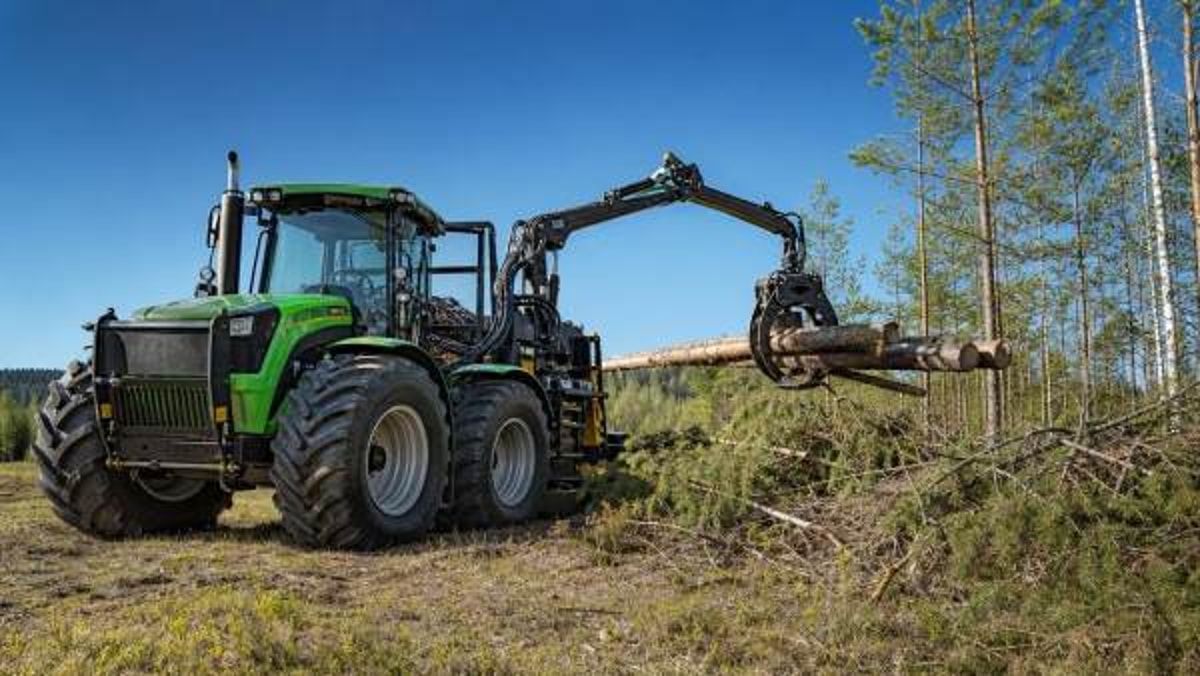
For project managers and engineering leads, Agri & Forestry machinery specifications are more than technical details—they directly shape field output, uptime, compliance, and long-term operating cost. From engine power and hydraulic capacity to terrain adaptability and implement compatibility, the right specifications determine whether a machine supports efficient execution or creates costly bottlenecks. This article examines the key factors that influence real-world performance across demanding agricultural and forestry operations.
Why specification decisions now carry more operational risk
A notable change in recent years is that machinery selection is no longer driven only by headline power, purchase price, or brand familiarity. Across agriculture and forestry, project teams are operating under tighter seasonal windows, stricter environmental rules, higher fuel sensitivity, and growing pressure to prove return on capital. In that environment, Agri & Forestry machinery specifications have become a strategic control point. A mismatch in weight, lift capacity, fuel system design, axle configuration, or onboard electronics can reduce daily output far more than many buyers expect.
This shift matters because field productivity is increasingly affected by system compatibility rather than isolated machine performance. A tractor with sufficient horsepower but inadequate hydraulic flow may underperform with modern precision implements. A forestry machine with strong engine output but poor ground pressure characteristics may lose time in wet terrain. A harvester with advanced automation but weak parts support may introduce avoidable downtime during the most valuable operating window.
For engineering leads, the practical question is no longer, “Is this machine powerful enough?” It is, “Do these specifications match our terrain, attachments, utilization pattern, compliance obligations, and maintenance capacity?” That is the decision framework now shaping field output.
The strongest trend signals behind changing machinery requirements
Several trend signals explain why specification analysis is moving closer to the center of project planning. First, labor constraints are pushing operators toward machines that reduce setup time, improve control precision, and support semi-automated workflows. Second, variable weather is increasing the value of machines that maintain traction, stability, and consistent output across uneven or soft ground. Third, emissions compliance and fuel efficiency targets are making engine and transmission choices more consequential over the full asset life cycle.
A fourth signal is attachment complexity. In both farming and forestry, multi-function equipment platforms are replacing simpler single-purpose setups. That means implement compatibility, PTO performance, hydraulic circuits, electronic controls, and load sensing capability now deserve more attention during specification review. Finally, digital reporting requirements are expanding. Fleet owners increasingly want telematics, fault diagnostics, maintenance alerts, and productivity tracking integrated at the specification stage rather than added later.
Which Agri & Forestry machinery specifications most directly affect output
Among all Agri & Forestry machinery specifications, a few categories have the strongest and most immediate influence on performance in the field. Engine power remains important, but only when matched with torque delivery, transmission efficiency, and the load profile of the intended job. In heavy drawbar applications or timber extraction, power without traction is wasted. In precision planting or spraying, oversized powertrains can raise fuel cost without improving actual hectares or acres completed per shift.
Hydraulic capacity is increasingly decisive. Flow rate, pressure, number of auxiliary circuits, and response control shape how well a machine handles loaders, grapples, mowers, seeders, booms, or harvesting heads. Many output shortfalls appear not because the base machine is weak, but because the hydraulic package cannot fully support the implement’s working cycle.
Machine weight, axle load, and ground pressure are also moving up the priority list. In soft soils or forest sites with strict ground disturbance limits, the wrong weight profile can cut travel speed, increase rutting, and force rework. Similarly, turning radius, frame articulation, and stability geometry affect maneuverability in orchards, plantations, woodlots, or narrow access routes where theoretical capacity often differs from productive capacity.
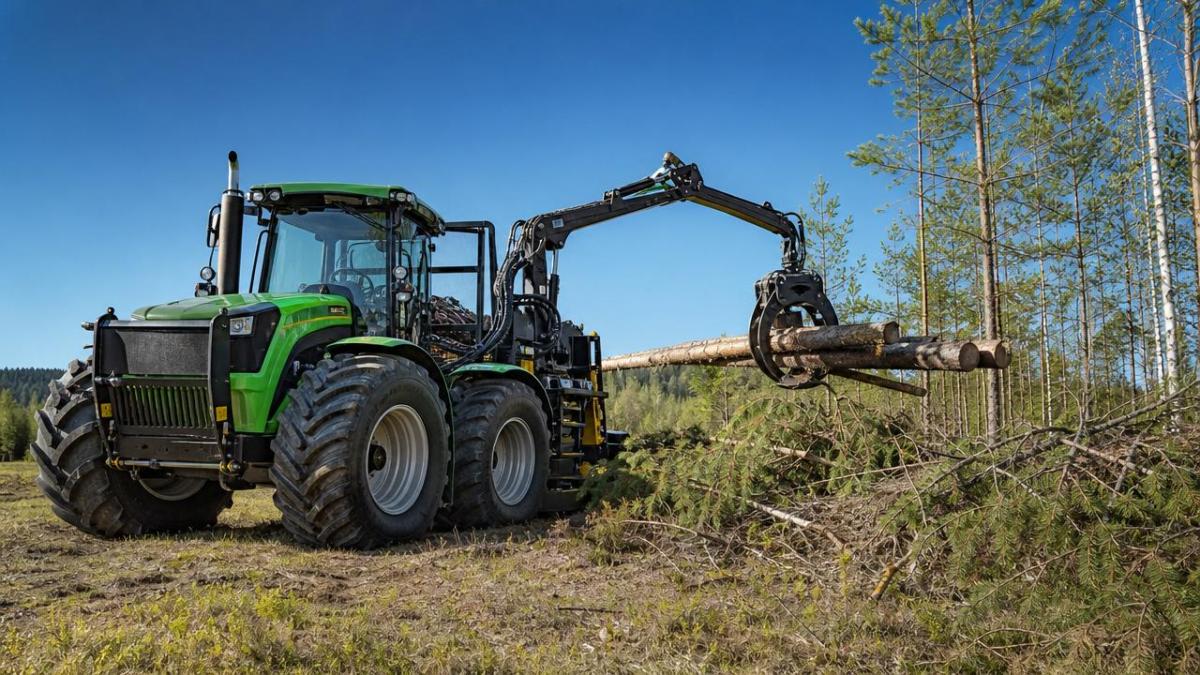
Another specification group now receiving more scrutiny is onboard control technology. Telematics, machine diagnostics, GPS guidance integration, and implement control systems do not just support reporting. They can reduce overlap, improve route efficiency, identify abusive operating patterns, and shorten troubleshooting time. For project managers, this makes digital readiness part of the output equation, not just an IT preference.
Specifications that often decide real productivity
- Engine power and torque matched to terrain and duty cycle
- Hydraulic flow, pressure, and auxiliary circuit availability
- Transmission type, travel speed range, and load handling efficiency
- Weight distribution, flotation, tire or track configuration
- Lift capacity, hitch category, and implement compatibility
- Cab visibility, ergonomics, and operator fatigue control
- Diagnostic access, maintenance intervals, and parts support
Why the same specification can produce different results across operations
One of the most important industry shifts is the move away from generic specification comparisons. The same machine can perform very differently depending on crop system, terrain, transport distance, operator skill, and attachment mix. That is why high-quality Agri & Forestry machinery specifications must be interpreted in operational context.
For row-crop operations, guidance compatibility, hydraulic consistency, and transport efficiency may matter more than peak horsepower. In forestry, protective guarding, boom reach, undercarriage durability, and slope stability may dominate the decision. In mixed-use estates or contractor fleets, quick coupling systems, service accessibility, and cross-implement compatibility often deliver more value than any single headline metric.
This is where project leadership plays a critical role. Procurement teams sometimes compare machine categories using brochure values alone, while field teams judge by experience and serviceability. The best outcomes come when specification review connects engineering, operations, maintenance, and compliance before purchase approval. That cross-functional approach reduces the risk of selecting a machine that looks efficient on paper but underdelivers in live conditions.
How specification changes affect different stakeholders
The consequences of changing machinery requirements are not evenly distributed. Some stakeholders feel the impact through delayed output, while others experience it through maintenance burden, training needs, or capital planning. Understanding those differences helps organizations prioritize which Agri & Forestry machinery specifications deserve the deepest review.
What to watch as technology and compliance continue to reshape equipment choices
Looking ahead, the most important signal is that machine specification sheets will continue to become more integrated. Powertrain choices will increasingly be evaluated together with fuel management, emissions architecture, software capability, and attachment ecosystems. Buyers who still separate these issues into isolated checklists may struggle to forecast actual operating performance.
There is also a growing distinction between machines designed for ownership efficiency and machines designed for maximum seasonal throughput. That distinction matters in contractor environments, large estates, commercial forestry, and export-oriented farming where missing a narrow work window can be more expensive than carrying a higher asset cost. In such cases, Agri & Forestry machinery specifications should be measured against revenue protection and risk reduction, not just acquisition budget.
Another emerging factor is data interoperability. As fleets become more connected, machines that cannot share fault codes, location data, performance logs, or implement information may gradually lose value. This does not mean every operation needs the most advanced digital stack. It does mean buyers should ask whether the chosen platform can support future reporting, service planning, and productivity benchmarking.
A practical framework for evaluating Agri & Forestry machinery specifications
For project managers and engineering leads, the best response is to shift from model comparison to scenario-based evaluation. Start with the operating reality: field size, terrain profile, moisture conditions, average transport distance, implement portfolio, maintenance capability, and required compliance standards. Then test each specification group against those constraints. This approach reveals which values are critical and which are merely attractive.
A useful review process usually includes three layers. First, confirm baseline technical fit: power, hydraulics, hitching, load handling, and terrain suitability. Second, assess productivity enablers: automation, control response, visibility, and maneuverability. Third, review life-cycle resilience: service intervals, diagnostic access, dealer support, training needs, and software continuity. When these three layers are aligned, machinery selection is more likely to improve field output over time rather than only on day one.
Decision questions worth confirming before approval
- Does the machine deliver usable power in the actual duty cycle, not just rated output?
- Can the hydraulic system fully support current and planned implements?
- Will weight and traction characteristics protect soil or site conditions?
- Is the platform maintainable within the available workshop and service network?
- Are telematics and diagnostics sufficient for future reporting and uptime control?
- What failure point is most likely to interrupt output during peak operating windows?
Final judgment: treat specifications as output drivers, not brochure details
The most important takeaway is that Agri & Forestry machinery specifications now function as business variables. They influence labor efficiency, job completion speed, operator confidence, maintenance planning, and compliance exposure. As weather volatility, input pressure, and operational complexity continue to rise, the cost of specification mistakes also rises.
For organizations that want stronger field performance, the next step is not to chase the highest numbers on a datasheet. It is to identify which specifications most directly affect output in their own environment and then judge every machine against those real conditions. If your team wants to assess how these trends apply to upcoming purchases, focus first on terrain demands, implement requirements, service support, data readiness, and peak-season uptime risk. Those questions will usually reveal whether a machine is truly fit for productive agricultural or forestry deployment.
Related Intelligence
- Heavy Agri MachineryAgri & Forestry Machinery Manufacturers: What Signals Long Term Support?Agri & Forestry machinery manufacturers: learn the signals of long-term support, from parts and service to compliance and supply resilience, so you can choose a dependable supplier with confidence.
- Heavy Agri MachineryAgri & Forestry Machinery Specifications That Affect Field OutputAgri & Forestry machinery specifications directly shape field output, uptime, and cost. Discover the key specs that improve performance, reduce downtime, and support smarter equipment decisions.
- Heavy Agri MachineryASEAN Launches e-CO for Agricultural Machinery Importse-CO for agricultural machinery is live across ASEAN—boost clearance speed by 3–5 days. Chinese exporters, certifiers & logistics firms must act before May 2026.
The Morning Broadsheet
Daily chemical briefings, market shifts, and peer-reviewed summaries delivered to your terminal.
