
Chainsaw manufacturer selection gets harder when parts vary
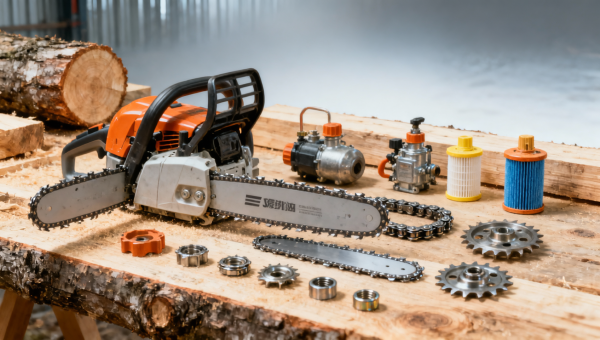
Selecting a reliable chainsaw manufacturer is no longer straightforward when component quality, compliance, and aftermarket support differ across suppliers. For buyers comparing petrol chain saws bulk, portable sawmill manufacturer options, or related forestry equipment such as log splitters wholesale and wood chipper machines wholesale, small parts variations can reshape total cost, safety, and uptime. This guide helps technical evaluators, operators, and procurement teams identify what truly matters before committing to volume orders.
In forestry and agricultural machinery procurement, a chainsaw is rarely judged only by engine displacement or unit price. Institutional buyers, distributors, and project managers increasingly need to verify chain pitch consistency, carburetor stability, bar hardness, anti-vibration system durability, and the supplier’s ability to deliver spare parts within 7–15 days rather than 30–45 days.
That shift matters because component variation affects more than service intervals. It influences cut efficiency, fuel use, operator fatigue, site safety, and stock planning across larger fleets. For a contractor managing 50 to 200 saws, even a small difference in clutch wear or ignition reliability can change annual maintenance budgets and downtime exposure.
For ACC readers across agricultural and forestry machinery channels, the core issue is no longer “Which chainsaw manufacturer offers the lowest quote?” but “Which manufacturer can prove repeatable build quality, compliance discipline, and long-term parts support across batches?”
Why parts variation makes chainsaw manufacturer selection more difficult
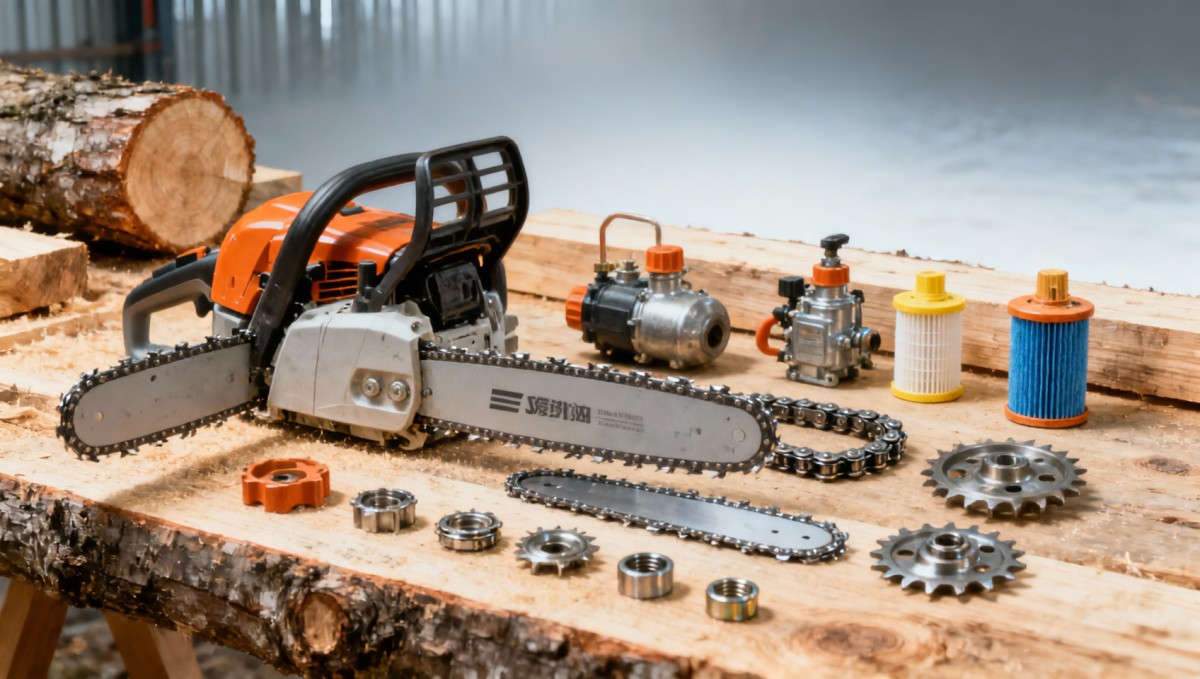
A chainsaw may look similar across catalogs, yet internal and wear-prone components vary significantly by supplier. Common weak points include guide bars, chains, sprockets, fuel lines, recoil starters, filters, seals, carburetors, and ignition modules. When these parts come from inconsistent upstream sources, the result is uneven field performance even within the same purchase lot.
For technical evaluators, the challenge is that visible specifications such as 45cc, 58cc, or 72cc do not reveal service life. Two petrol chain saws bulk orders with the same stated power output can behave very differently after 80–120 operating hours if chain hardness, bar rail finishing, or crank bearing quality differs. This is why supplier comparison has become a component-level exercise rather than a brochure-level review.
Distributors and dealers face an added layer of risk. If one production batch uses interchangeable service parts and the next batch introduces unannounced changes, inventory complexity rises sharply. Instead of carrying 6 key spare parts SKUs, a dealer may need 10 or 12, increasing tied-up capital and slowing service response. This undermines aftermarket profitability, especially in seasonal forestry demand cycles.
Operators and safety managers are affected as well. Chains with inconsistent pitch tolerance, poor chain brake responsiveness, or unstable oil pump output can raise kickback risk and accelerate wear. In continuous use environments, such as harvesting operations running 6–8 hours per day, these differences are not marginal; they directly shape safety performance and shift productivity.
Hidden procurement risks behind “similar” chainsaw specifications
Procurement teams often receive offers that appear comparable on paper. However, the following categories usually create cost divergence during the first 12 months of use:
- Wear parts life: a chain lasting 40 hours versus 70 hours changes replacement frequency and labor planning.
- Fuel system stability: lower-grade hoses and diaphragms may harden after 6–9 months in hotter climates.
- Fastener consistency: poor torque control during assembly increases vibration-related failures.
- Service documentation: unclear exploded diagrams can delay field repair by 20–40 minutes per unit.
For fleet buyers, these issues make chainsaw manufacturer selection harder because the commercial risk sits beyond the invoice. Total operational cost often depends on small, repeat failures rather than headline machine price.
The component checkpoints procurement teams should verify before volume orders
A practical evaluation framework starts by identifying the components most likely to affect uptime, safety, and serviceability. This is relevant whether the buyer is sourcing petrol chain saws bulk for dealers, comparing a portable sawmill manufacturer for integrated timber operations, or bundling products with log splitters wholesale and wood chipper machines wholesale in one channel portfolio.
The table below summarizes component checkpoints that procurement, quality control, and technical teams should validate during sample review or pre-shipment inspection. These are not brand-specific rules; they are common industrial buying criteria for forestry equipment programs.
The most useful conclusion from this checklist is simple: buyers should evaluate not just whether a component exists, but whether it stays consistent across multiple samples and future production runs. A single showroom sample does not demonstrate supply reliability.
A 4-step sample validation method
Before placing a production order, procurement teams can reduce risk by using a staged validation process:
- Review 2–3 samples from the same supplier, not just one demonstration unit.
- Run functional tests for at least 30 minutes per sample under mixed idle and cutting load.
- Inspect wear-sensitive parts after testing, especially chain tensioning hardware and clutch housing.
- Confirm spare parts coding, packaging labels, and service drawings before contract approval.
This method is especially valuable for enterprise buyers serving multiple regions, where field conditions can range from high-humidity coastal use to dry inland forestry operations.
Which documents should be requested?
At minimum, request a parts list, maintenance manual, packing specification, basic inspection checklist, and warranty policy. For higher-volume contracts, it is also wise to ask for batch traceability procedures, major component source disclosure, and defined lead times for top 10 spare parts. Even if a supplier does not reveal every sub-supplier, it should be able to explain quality control points clearly.
How to compare manufacturers on compliance, serviceability, and total cost
Price remains important, but in B2B machinery procurement it should sit within a broader scorecard. A chainsaw manufacturer that offers a unit price 8% lower may still become the more expensive option if spare parts lead time exceeds 30 days or if failure rates increase after the first quarter of use. This is particularly relevant for distributors bundling chainsaws with portable sawmill manufacturer programs or complementary products like wood chipper machines wholesale.
The comparison should combine five dimensions: component consistency, compliance discipline, aftermarket readiness, documentation quality, and commercial responsiveness. Financial approvers often focus on landed cost, while operators focus on handling and reliability. A structured scorecard helps both groups work from the same evidence base.
The table below provides a practical procurement matrix that can be used during RFQ review. It is designed for agricultural and forestry machinery buyers who need a balanced decision, not simply the lowest quote.
The key takeaway is that serviceability and response speed are commercial assets, not secondary extras. A supplier that supports dealer networks with stable part numbers, quick replacements, and usable manuals often creates lower lifetime cost even if the initial purchase price is moderately higher.
Where compliance and safety review should focus
Safety and market access checks should include user labeling, chain brake function, throttle interlock behavior, emissions-related declarations where applicable, and packaging information suited to destination market rules. Quality and safety managers should also verify whether replacement parts preserve original operating characteristics rather than introducing compatibility issues.
For importers, it is good practice to define 3 acceptance layers: document review, pre-shipment inspection, and incoming goods inspection. That three-layer process does not eliminate every fault, but it sharply improves detection of batch inconsistency before products reach dealers or end users.
Practical sourcing strategies for distributors, project teams, and large fleet buyers
Different buyer types should not use the same sourcing model. A distributor handling mixed forestry equipment may prioritize spare parts commonality across chainsaws, log splitters wholesale lines, and wood chipper machines wholesale assortments. By contrast, an industrial farming or land-clearing operator may care more about service intervals, vibration control, and fuel stability over a 6–12 month operating cycle.
Project managers and engineering leads should align the sourcing plan with actual usage intensity. A saw intended for occasional branch cutting is evaluated differently from one used in timber processing support or daily field clearing. Matching product class to duty cycle avoids overbuying and reduces underperformance risk.
A practical sourcing plan usually combines pilot testing, service part stocking, and supplier performance review after the first 90 days. This is especially useful when onboarding a new chainsaw manufacturer or when adding a portable sawmill manufacturer to a broader equipment program.
Recommended sourcing actions by buyer type
- Distributors: negotiate a starter spare parts package covering at least 8–12 fast-moving items per model, including chain, bar, filter, sprocket, recoil parts, and carburetor repair elements.
- Fleet operators: request a maintenance schedule by operating hour bands such as 25, 50, and 100 hours to forecast service labor.
- Financial approvers: compare suppliers using total 12-month ownership cost, including service part consumption and downtime assumptions.
- Quality teams: set incoming inspection checks for fitment, start-up behavior, oil output, fastener security, and visible leakage.
When contracts involve multiple machinery categories, consistency in documentation and parts support becomes even more important. A supplier network that can support chainsaws, chippers, splitters, and sawmills through coordinated manuals and parts references creates a measurable advantage for procurement and service departments.
Common mistakes that increase long-term cost
Three mistakes appear repeatedly in forestry equipment sourcing. First, awarding business only on unit price without testing wear parts. Second, treating spare parts as an afterthought instead of a contract term. Third, approving a sample without checking whether the production batch uses the same subcomponents. Each mistake can multiply field complaints within the first 3–6 months.
A stronger approach is to define acceptance criteria in writing: sample consistency, target spare parts lead time, replacement process, and warranty response window. Even basic clarity on these points improves buyer leverage and reduces dispute risk later.
FAQ for evaluating chainsaw manufacturers when parts quality varies
The questions below reflect common concerns from information researchers, operators, technical reviewers, distributors, and enterprise decision-makers evaluating forestry machinery sourcing programs.
How many samples should be tested before placing a bulk order?
A reasonable baseline is 2–3 units from the same model and production window. If the order is strategically important or exceeds a large dealer allocation, some buyers test 5 units across separate batches. The goal is not statistical perfection but early detection of inconsistency in starting, vibration, oiling, and chain drive performance.
What spare parts should always be discussed before contract signing?
At minimum, discuss chain, guide bar, sprocket, clutch parts, air and fuel filters, starter components, ignition parts, fuel hoses, seals, and carburetor-related repair items. These parts shape first-year service performance. If the supplier cannot commit to clear lead times or part number stability, the supply risk is higher than the machine price suggests.
How long is a typical delivery cycle for chainsaws and replacement parts?
For standard production, common lead times may range from 30–60 days depending on season, order size, and packaging requirements. Replacement parts can be much faster if the manufacturer keeps stock, often 7–15 days for fast-moving items. Buyers should ask for separate lead times for complete machines and service parts because they are often managed differently.
Should buyers source chainsaws from the same supplier as sawmills or wood processing equipment?
Not always, but it can be beneficial when the supplier offers coordinated service support, compatible documentation, and consolidated freight planning. For channel partners selling petrol chain saws bulk alongside portable sawmill manufacturer products, log splitters wholesale lines, and wood chipper machines wholesale, a more integrated supply structure can reduce administrative cost and improve parts logistics.
When chainsaw parts vary across suppliers, selection becomes harder because procurement risk moves below the surface of the machine. The right manufacturer is the one that can demonstrate repeatable component quality, stable documentation, clear compliance practices, and reliable aftermarket support across the life of the product.
For ACC’s professional audience in agricultural and forestry machinery, the best buying decisions come from combining technical sample checks, supplier process review, spare parts planning, and total cost analysis. That approach supports operators, quality teams, financial approvers, and distributors at the same time.
If you are assessing chainsaw manufacturers, comparing petrol chain saws bulk programs, or building a broader sourcing strategy that includes portable sawmill manufacturer options, log splitters wholesale, and wood chipper machines wholesale, now is the time to request a structured evaluation framework. Contact us to discuss product details, sourcing priorities, or a tailored equipment comparison plan.
Related Intelligence
- Forestry EquipmentWhat to Check Before Buying Used Forestry EquipmentForestry equipment buyers: learn what to check before buying used units, from engine hours and hydraulics to safety, parts support, and Supply Chain Transparency.
- Forestry EquipmentWood chipper machines wholesale: what affects output consistencyWood chipper machines wholesale guide: learn what affects output consistency, chip quality, fuel use, and uptime. Ideal for distributors, buyers, and portable sawmill manufacturer networks.
- Forestry EquipmentPetrol chain saws in bulk: which failures appear first in usePetrol chain saws bulk: learn which failures appear first, how a chainsaw manufacturer should be evaluated, and what bulk buyers must check to cut downtime, risk, and service costs.
The Morning Broadsheet
Daily chemical briefings, market shifts, and peer-reviewed summaries delivered to your terminal.
