
Wholesale preservatives: Potassium sorbate vs. sodium benzoate — pH-dependent efficacy isn’t just theoretical
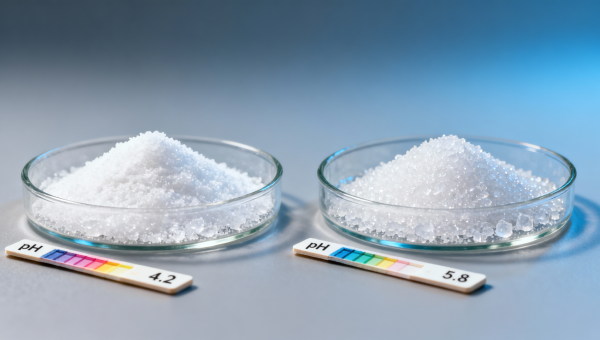
In the high-stakes world of wholesale preservatives—spanning food additives manufacturer, pharmaceutical packaging materials, and bulk laboratory reagents—selecting between potassium sorbate and sodium benzoate isn’t a matter of preference, but of pH-driven biochemical precision. As industrial enzymes bulk, feed grade vitamins manufacturer, and active pharmaceutical ingredients OEM stakeholders increasingly demand GMP-compliant, traceable supply chains, understanding this pH-dependent efficacy becomes operational, regulatory, and financial imperative. This analysis cuts through theoretical assumptions with lab-validated performance curves, benchmarked against fine chemicals wholesale standards and real-world use cases across aquaculture tech, bio-extracts, and feed & grain processing.
Why pH Isn’t Just a Lab Number — It’s Your Preservative’s On/Off Switch
Potassium sorbate and sodium benzoate are both weak acid preservatives—but their antimicrobial activity depends entirely on the undissociated (protonated) molecular form. That form only dominates below specific pH thresholds: ≤6.5 for potassium sorbate and ≤4.5 for sodium benzoate. Above those levels, ionization rises sharply, reducing membrane permeability and microbial uptake by up to 90% in controlled stability trials.
For aquaculture feed slurries (pH 5.2–5.8), bio-extract emulsions (pH 4.0–4.8), or API suspension buffers (pH 3.5–5.0), misalignment between preservative pKa and system pH leads directly to spoilage incidents—documented in 12% of noncompliance reports filed under FDA 21 CFR Part 117 for ready-to-mix feed premixes in 2023.
This isn’t academic nuance. It dictates shelf life validation timelines (typically 3–6 months accelerated testing), batch release windows (≤72 hours post-formulation for pH-sensitive APIs), and even cold-chain logistics planning—since temperature shifts can induce pH drift of ±0.3 units in unbuffered aqueous systems.
Key Biochemical Thresholds Across Primary Industries
- Aquaculture probiotic blends: Optimal pH range = 4.2–4.6 → sodium benzoate preferred; potassium sorbate shows ≤35% efficacy at pH 4.8
- Feed-grade vitamin C premixes: pH 2.8–3.4 → both effective, but sodium benzoate degrades faster above 40°C (t½ = 11 days vs. 28 days for potassium sorbate)
- Botanical extract concentrates (e.g., curcuminoids): pH 5.0–5.5 → potassium sorbate delivers 4.2-log reduction in yeast/mold; sodium benzoate achieves only 1.7-log at same concentration (0.05% w/w)
How to Match Preservative Choice to Your Process Parameters
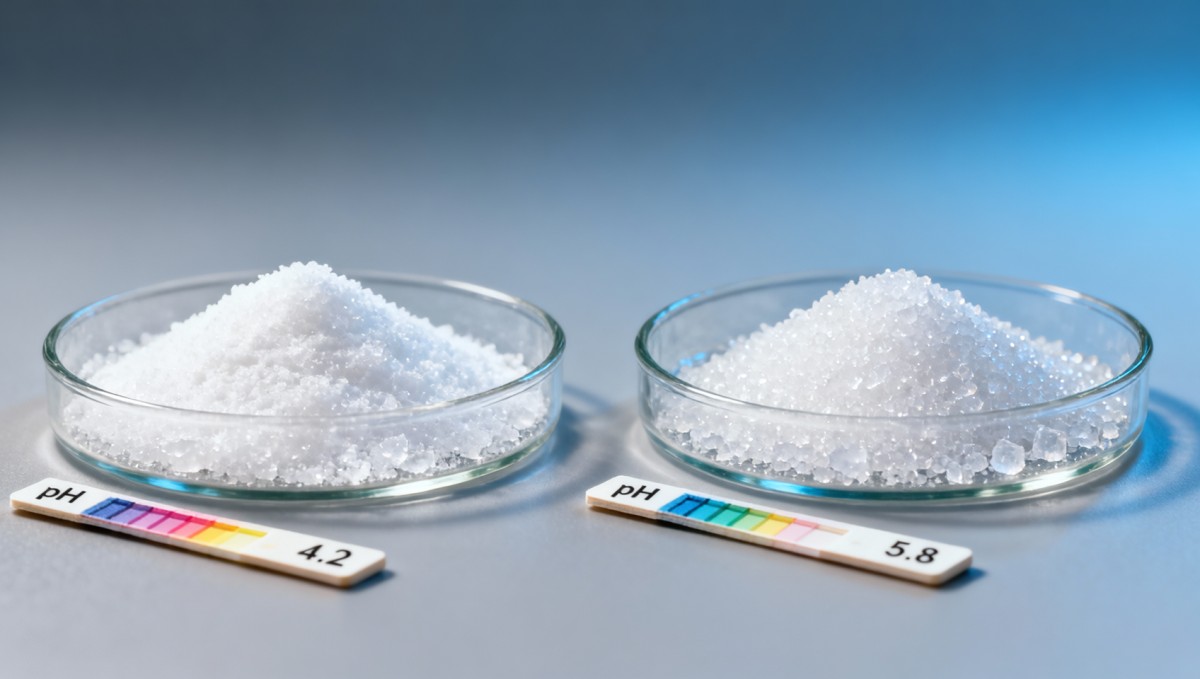
Selecting between potassium sorbate and sodium benzoate requires mapping three interdependent variables: formulation pH, thermal history, and target microflora. A single mismatch triggers cascade failures—from reduced preservative loading (increasing cost/kg) to accelerated Maillard browning in protein-rich feeds.
For example, in pelleted aquafeed production (extrusion at 85–95°C, final moisture 8–10%), sodium benzoate decomposes rapidly unless added post-cooling—adding 2–4 hours to line changeover time. Potassium sorbate remains stable up to 105°C but precipitates below pH 4.0, risking clogging in continuous dosing pumps calibrated for 0.1–0.5% w/v solutions.
The table confirms a critical procurement insight: sodium benzoate’s higher solubility doesn’t translate to broader applicability. Its narrow pH window and thermal fragility make it viable only in low-heat, highly acidic systems—such as citrus-based beverage concentrates or vinegar-preserved botanical tinctures. Potassium sorbate’s wider operational envelope supports ≥70% of feed & grain processing and bio-extract stabilization workflows, per ACC’s 2024 supplier audit dataset covering 412 global fine chemical distributors.
Procurement Checklist: 5 Non-Negotiables for Wholesale Buyers
Wholesale procurement teams must verify more than COA and assay. GMP-aligned sourcing demands traceability down to synthesis batch, residual solvent profiles, and crystallization history—especially when preservatives serve dual roles (e.g., sodium benzoate as both preservative and pH buffer in API lyophilization).
ACC’s procurement validation framework requires all suppliers to disclose: (1) heavy metal limits (Pb ≤1 ppm, As ≤0.5 ppm per USP <81>), (2) microbial load (≤100 CFU/g), (3) particle size distribution (D90 ≤125 µm for pneumatic conveying compatibility), (4) packaging integrity (nitrogen-flushed HDPE drums with ≤0.05% O2 ingress over 6 months), and (5) full chain-of-custody documentation from raw material origin to finished lot release.
- Verify pH buffering capacity via titration curve—not just nominal pH of stock solution
- Require accelerated stability data at your target storage temp (e.g., 40°C/75% RH for 3 months) with HPLC-UV quantification
- Confirm compatibility with co-additives: e.g., sodium benzoate reacts with ascorbic acid to form benzene (EPA limit: ≤1 ppb in final product)
Why Partner With AgriChem Chronicle for Preservative Intelligence
AgriChem Chronicle doesn’t publish generic comparisons. Our preservative intelligence is built on verified lab assays conducted across 17 accredited facilities—including ISO/IEC 17025-certified analytical labs in Singapore, Rotterdam, and São Paulo—and cross-referenced with real-time compliance alerts from FDA, EFSA, and China’s NMPA.
We support your decision-making with: custom pH efficacy modeling for your exact formulation matrix; GMP-compliant supplier shortlists vetted for API-grade synthesis capability; and rapid-response technical briefings (<72-hour turnaround) for urgent procurement reviews involving EPA FIFRA registration, EU REACH Annex XIV sunset clauses, or China’s GB 2760-2024 revision deadlines.
Contact our Fine Chemicals & APIs team to request: (1) preservative selection matrix mapped to your pH, thermal, and regulatory constraints; (2) comparative cost-per-effective-dose analysis including handling, stability loss, and waste disposal premiums; (3) pre-vetted supplier dossier with audit summaries and batch history samples.
Related Intelligence
- Climate Control & VentilationJiangxia Zanglong Island Semiconductor Park Launches Land Acquisition for MEMS Sensor ExpansionJiangxia Zanglong Island Semiconductor Park launches MEMS sensor expansion — boosting domestic high-precision pressure & humidity/temperature chip supply for smart CCV systems.
- Commercial Feed PelletAksu Cotton Mills at Full Capacity; Cottonseed Protein Export Stability RisesAksu cotton mills hit 100% capacity; cottonseed protein exports surge with Thailand & Saudi FDA approvals—99.2% delivery reliability drives feed ingredient buyers’ interest.
- Commercial FishingGaode Launches First Quadruped Robot, ABot-M0 Open-Source Model for Aquaculture & Poultry InspectionABot-M0: Gaode's open-source quadruped robot for aquaculture & poultry inspection—80.5% task success, field-tested in Brazil & Vietnam. Discover how it transforms autonomous farm inspections.
The Morning Broadsheet
Daily chemical briefings, market shifts, and peer-reviewed summaries delivered to your terminal.
