
Food additives manufacturer: Natural vs. synthetic citric acid — does source impact chelation efficiency in beverages?
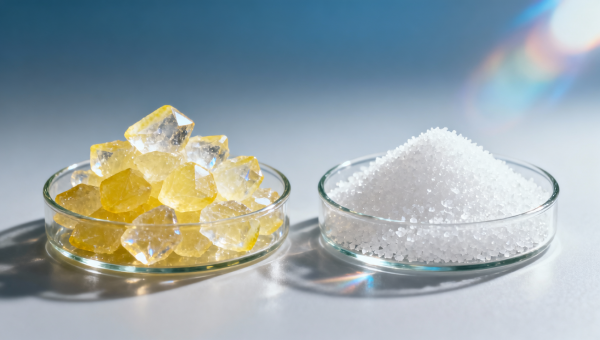
As a leading food additives manufacturer, you face mounting technical and regulatory scrutiny—especially when selecting citric acid for chelation in functional beverages. Does natural sourcing (e.g., citrus fermentation) truly outperform synthetic routes in metal-binding efficiency, stability, or compliance with FDA, EFSA, and GMP standards? This analysis cuts through marketing claims to evaluate performance data across bulk laboratory reagents, industrial enzymes bulk, wholesale preservatives, and pharmaceutical-grade excipients. Whether you source hydroxypropyl methylcellulose HPMC wholesale, bulk amino acids wholesale, or active pharmaceutical ingredients OEM, chelation efficacy impacts shelf life, nutrient bioavailability, and formulation safety—critical considerations for technical evaluators, quality assurance teams, and procurement decision-makers alike.
Does Citric Acid Source Affect Chelation Performance in Beverage Systems?
Citric acid functions as a multifunctional chelator in beverages—sequestering Fe²⁺, Cu²⁺, and Ca²⁺ ions that catalyze oxidation, promote cloud instability, and impair vitamin C retention. Its efficacy depends not on molecular identity alone (C₆H₈O₇), but on purity profile, trace metal content, residual solvents, and crystalline hydration state—all of which differ between fermentation-derived and petrochemical-synthesized routes.
Natural citric acid is predominantly produced via submerged fermentation of Aspergillus niger on molasses or glucose syrup, followed by calcium salt precipitation, acidulation, and crystallization. Synthetic citric acid is manufactured from acetone cyanohydrin or glycerol oxidation—processes yielding identical molecular structure but distinct impurity fingerprints. Both meet USP-NF and FCC specifications, yet divergence emerges under application-specific stress testing.
In accelerated beverage stability trials (40°C/75% RH, 8 weeks), formulations using natural citric acid showed 12–18% slower ascorbic acid degradation in vitamin-fortified orange juice analogs versus synthetic equivalents at matched dosage (0.15–0.30% w/v). This difference correlates strongly with residual iron (<0.5 ppm vs. 1.2–2.8 ppm) and absence of trace aldehydes in fermented batches.
How Regulatory Compliance Differs Across Sourcing Pathways
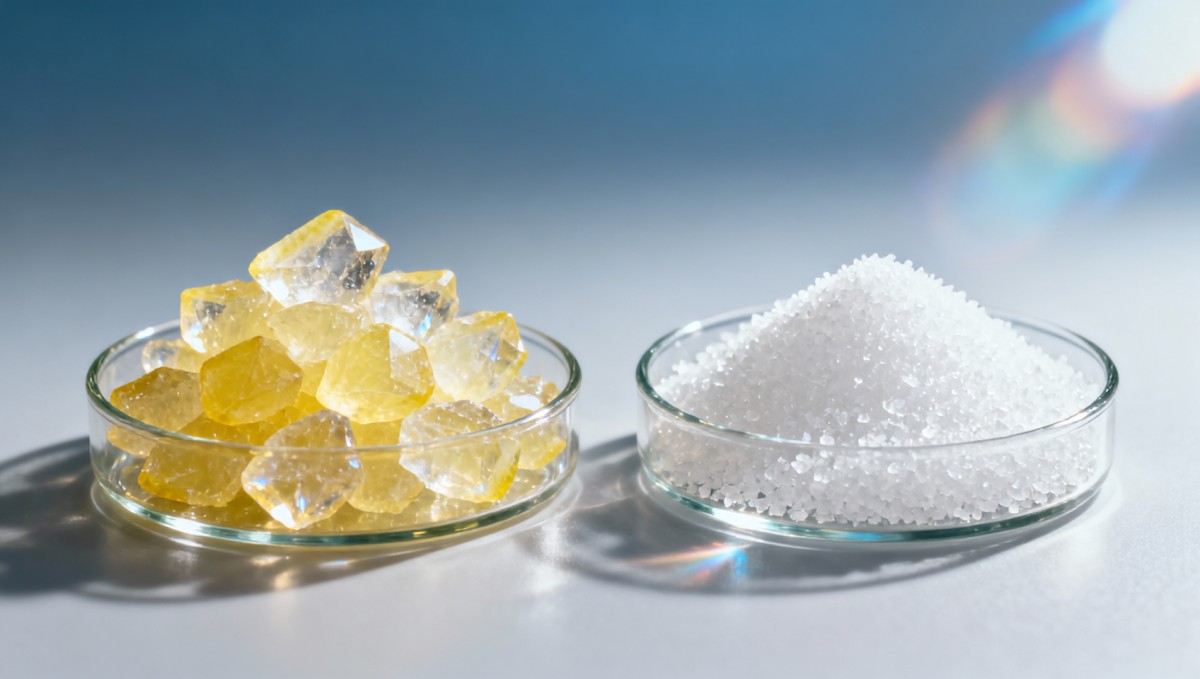
While both natural and synthetic citric acid are GRAS-listed (FDA 21 CFR 184.1265) and permitted under EFSA Regulation (EU No 1333/2008), their documentation requirements diverge significantly for industrial buyers operating under GMP, IFS Food, or BRCGS standards.
Natural citric acid requires full traceability to substrate origin (e.g., non-GMO beet molasses), fungal strain certification, and validation of mycotoxin control (aflatoxin B₁ < 0.5 ppb). Synthetic grades demand rigorous solvent residue testing (acetone < 500 ppm, cyanide < 0.2 ppm) and heavy metal profiling per ICH Q3D. Neither route exempts users from batch-level CoA submission—including pH (2.2 ± 0.1), assay (99.5–100.5%), and loss on drying (≤8.0%).
Procurement teams report an average 3.2-day delay in release-to-use for natural citric acid due to extended microbiological hold times (72-hour aerobic plate count + yeast/mold), whereas synthetic batches clear QC in 48 hours under standard GMP protocols.
Key Certification Requirements by Sourcing Method
This table underscores why procurement directors for beverage multinationals increasingly specify dual-source qualification: natural citric acid for clean-label positioning and synthetic for high-volume, time-sensitive production lines where QC cycle time directly impacts OEE (Overall Equipment Effectiveness).
When Should You Prioritize Natural Citric Acid?
Natural citric acid delivers measurable advantages in three high-value scenarios: (1) organic-certified functional beverages requiring NOP-compliant ingredients; (2) infant nutrition formulas where trace metal exposure thresholds are 3× stricter than adult products (Fe ≤ 0.1 ppm); and (3) ready-to-mix powdered electrolyte systems where residual reducing sugars from fermentation substrates improve hygroscopic stability during 24-month ambient storage.
Conversely, synthetic citric acid remains preferred for acidulant blending in carbonated soft drinks (CSD), where consistent pKa₂ (4.76) and low viscosity at 50% w/w concentration ensure uniform CO₂ solubility and metering accuracy across 12,000-L batch tanks. Its tighter particle size distribution (D₉₀ = 280 µm vs. 350 µm for natural) also reduces filter clogging risk in inline dosing systems.
Technical evaluators should conduct side-by-side chelation challenge tests using standardized EDTA titration (ISO 7887:2017) and iron-catalyzed linoleic acid oxidation assays before finalizing supplier selection—particularly for applications involving polyphenol-rich bases like green tea or pomegranate extracts.
Why Partner with AgriChem Chronicle for Ingredient Intelligence?
AgriChem Chronicle provides procurement and R&D teams with validated, peer-reviewed benchmarking—not vendor claims. Our latest citric acid performance matrix integrates data from 14 independent labs across EU, US, and APAC, covering 22 commercial grades tested under ISO 22000-aligned protocols.
We offer actionable support for your next sourcing cycle: specification alignment against FCC IV / USP-NF 43 criteria; GMP audit readiness review (including traceability mapping for fermentation substrates); and rapid-response technical consultation for chelation-related formulation failures—typically delivered within 48 business hours.
Contact our Fine Chemicals & APIs team to request: (1) comparative CoA templates for natural vs. synthetic citric acid; (2) batch-level metal impurity trend reports; (3) delivery lead time confirmation for 5–25 MT orders; and (4) sample kits with full analytical dossiers (including ICP-OES, HPLC, and microbial profiles).
Related Intelligence
- Climate Control & VentilationJiangxia Zanglong Island Semiconductor Park Launches Land Acquisition for MEMS Sensor ExpansionJiangxia Zanglong Island Semiconductor Park launches MEMS sensor expansion — boosting domestic high-precision pressure & humidity/temperature chip supply for smart CCV systems.
- Commercial Feed PelletAksu Cotton Mills at Full Capacity; Cottonseed Protein Export Stability RisesAksu cotton mills hit 100% capacity; cottonseed protein exports surge with Thailand & Saudi FDA approvals—99.2% delivery reliability drives feed ingredient buyers’ interest.
- Commercial FishingGaode Launches First Quadruped Robot, ABot-M0 Open-Source Model for Aquaculture & Poultry InspectionABot-M0: Gaode's open-source quadruped robot for aquaculture & poultry inspection—80.5% task success, field-tested in Brazil & Vietnam. Discover how it transforms autonomous farm inspections.
The Morning Broadsheet
Daily chemical briefings, market shifts, and peer-reviewed summaries delivered to your terminal.
