
Shanghai Science and Technology Museum's 'Rainforest Secret' Zone Debuts AI-Driven Synthetic Biology Exhibit, Showcasing Yeast-Cell Production of Medicinal Compounds
Introduction
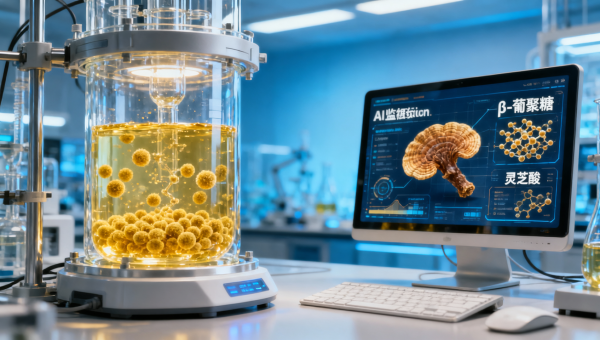
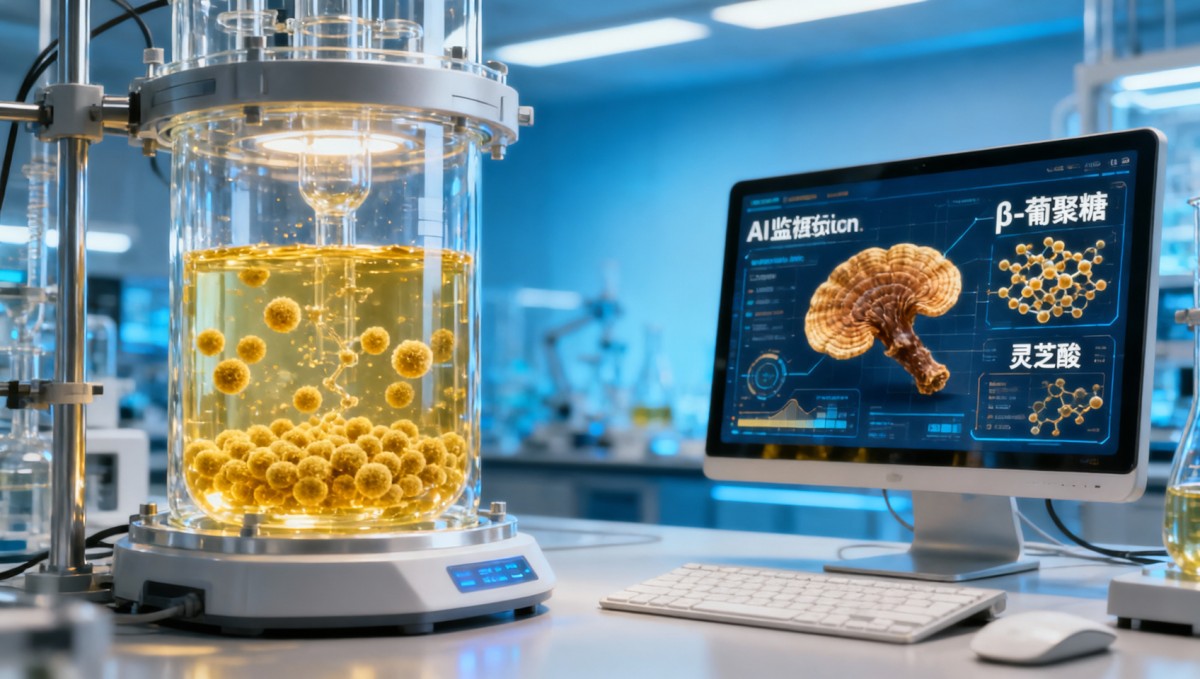
On April 1, 2026, the Shanghai Science and Technology Museum unveiled its new 'Rainforest Secret' exhibition zone, featuring an AI-powered synthetic biology interactive installation. The centerpiece, 'Cell Factory,' uses a high-fidelity digital twin system to simulate the real-time production of medicinal compounds like β-glucan and ganoderic acid from industrial exhaust gases by engineered yeast cells. This development is particularly relevant for the synthetic biology, pharmaceutical, and industrial biotechnology sectors, as it highlights China's growing capability to visualize and demonstrate complex biomanufacturing processes—a factor increasingly scrutinized by international buyers.
Event Overview
The 'Cell Factory' exhibit, developed using real-world process parameters from domestic synthetic biology firms, showcases the end-to-end production of high-value medicinal ingredients. Notably, international delegations such as Singapore's BioSingapore and Germany's BioM have conducted on-site evaluations, signaling global interest in China's synthetic biology engineering capabilities. The exhibit's launch underscores the country's progress in making advanced biomanufacturing processes accessible for technical and commercial assessment.
Impact on Key Industries
Synthetic Biology Equipment & Service Providers
The exhibit's reliance on digital twin technology validates the demand for high-precision simulation tools in bioprocess optimization. Suppliers of bioreactors, sensors, and AI-driven analytics platforms may see increased interest from manufacturers seeking to replicate such transparent production models.
Pharmaceutical Raw Material Buyers
Buyers sourcing bioactive compounds (e.g., immunomodulatory β-glucan or antitumor ganoderic acid) now have a tangible reference for evaluating Chinese suppliers' technical maturity. The exhibit's transparency could accelerate procurement decisions by reducing verification costs.
Industrial Biotechnology Integrators
Companies combining waste gas utilization with high-value biosynthesis—a core theme of the exhibit—may gain traction. The demonstration of carbon-negative chemical production aligns with global decarbonization mandates, potentially opening ESG-driven financing opportunities.
Actionable Insights for Stakeholders
Monitor International Technical Standards
The exhibit's appeal to foreign delegations suggests that 'demonstration readiness' may become a de facto requirement for cross-border deals. Firms should document process transparency through ISO 23408:2026 (Biomanufacturing Digital Twin Standards) compliance.
Prioritize Visualizable Process Nodes
As seen in the yeast-cell showcase, critical control points (e.g., gas-to-metabolite conversion rates) that can be visually articulated carry higher negotiation leverage. Invest in real-time monitoring interfaces for key production metrics.
Engage with Demonstration Platforms
Regional tech museums and industrial expos are emerging as unexpected but high-impact venues for B2B credibility building. Allocate resources for participation in similar validated display projects.
Editorial Perspective
From an industry standpoint, this development is less about the exhibit itself and more about China's strategic framing of synthetic biology competencies. The choice to showcase waste gas utilization—a pain point for global manufacturers—positions domestic players as solution providers rather than low-cost alternatives. However, the actual commercial impact hinges on whether such demonstrations translate into scalable, cost-competitive production. Ongoing tracking of follow-up deals between exhibiting parameter providers and international buyers will be crucial.
Conclusion
The Shanghai Science and Technology Museum exhibit represents a milestone in industrial biotechnology communication, bridging the gap between technical complexity and procurement decision-making. For now, it serves primarily as a signal of China's advancing capabilities in synthetic biology visualization—a dimension that may soon influence global supply chain dynamics. Stakeholders should interpret this as a call to enhance process transparency while awaiting concrete evidence of commercial adoption.
Sources
- Shanghai Science and Technology Museum press release (April 1, 2026)
- On-site verification by BioSingapore delegation (April 3, 2026)
- Pending: Commercial outcomes from exhibited technology providers (To be monitored)
Related Intelligence
- Custom SynthesisPeptide synthesis services—why sequence length alone doesn’t predict final yield or purityPeptide synthesis services: Why sequence length alone fails to predict yield or purity—critical insights for API OEM, chiral intermediates wholesale & pharmaceutical packaging materials buyers.
- Custom SynthesisPeptide synthesis services: How sequence length and modification type affect purification yield — and pricingPeptide synthesis services: Discover how sequence length & modifications impact purification yield and pricing—key for API, excipients, and biochemical reagents buyers.
- Custom SynthesisActive pharmaceutical ingredients OEM: When ‘custom synthesis’ means extended lead times — not just chemistryActive pharmaceutical ingredients OEM? Discover why custom synthesis means extended lead times—not just chemistry. Explore chiral intermediates, peptide synthesis, HPMC, gelatin & more.
The Morning Broadsheet
Daily chemical briefings, market shifts, and peer-reviewed summaries delivered to your terminal.
