
The Authority in Global Agricultural Chemistry & Bio-Resources
Bulk technical grade pesticides and the compliance gap to watch
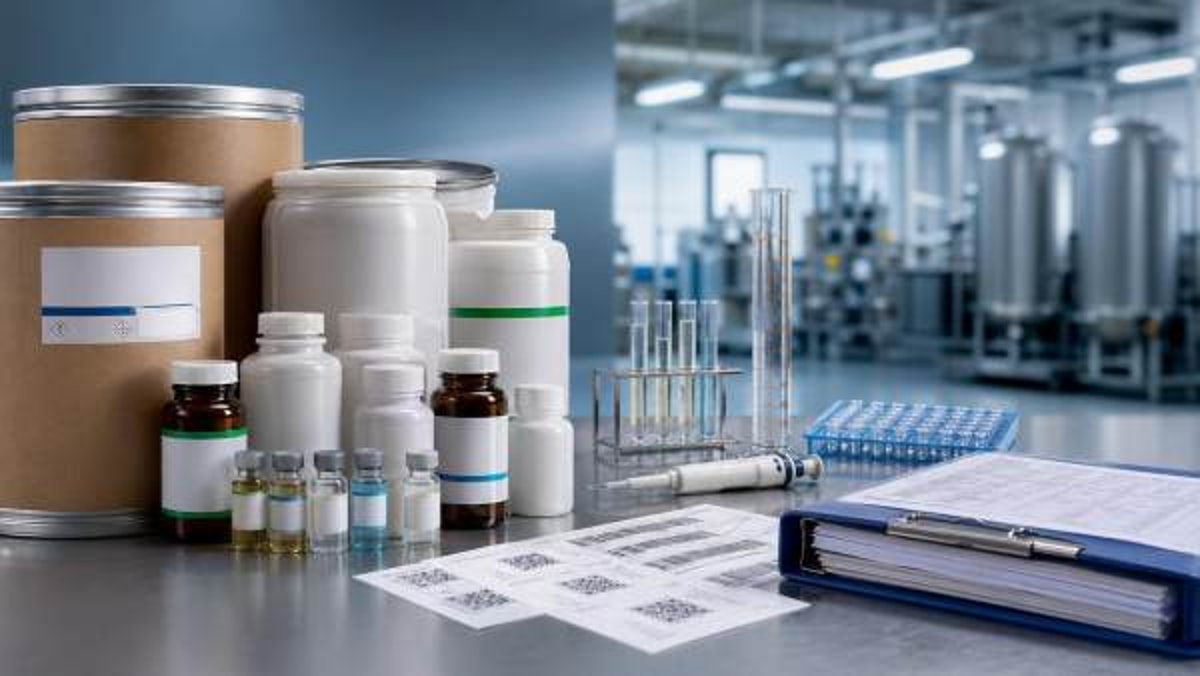
Bulk technical grade pesticides move through highly regulated global supply chains, yet compliance risks often emerge long before formulation or export. For quality control and safety managers, the real concern is not only chemical performance, but whether sourcing, documentation, impurity profiles, and handling standards can withstand regulatory scrutiny. This article examines the compliance gap that deserves closer attention.
What exactly are bulk technical grade pesticides, and why is compliance more complex than many buyers assume?
Bulk technical grade pesticides are high-concentration active substances supplied before final formulation into wettable powders, emulsifiable concentrates, suspension concentrates, granules, or other market-ready products. In procurement terms, they sit at a critical point between synthesis and commercial use. That position creates a common misunderstanding: if the material is technically effective and the supplier can provide a certificate, many teams assume the compliance work is largely complete. In reality, that is often where the real review should begin.
For quality control and safety managers, the compliance challenge with bulk technical grade pesticides is multidimensional. It includes not only assay and physical properties, but also impurity thresholds, process consistency, restricted by-products, environmental classification, transport status, labeling alignment, storage controls, and the traceability of every batch. A material may be chemically suitable for formulation while still exposing the buyer to regulatory, occupational, or reputational risk.
The compliance gap appears when purchasing teams focus on specification sheets while underestimating whether the supplier’s manufacturing route, plant controls, raw material inputs, and data package match the standards expected in the destination market. This matters more now because authorities increasingly examine not just the end product, but the integrity of the entire chain behind it.
Why do compliance risks often start before formulation, packaging, or export?
The earliest risk point is usually supplier qualification. If a manufacturer cannot demonstrate stable process control, even small shifts in reaction conditions, solvent recovery, catalyst residue, or purification efficiency can alter the impurity profile of bulk technical grade pesticides. Those changes may not be obvious in a basic COA, but they can trigger downstream issues in registration, toxicology review, worker exposure assessment, or hazardous goods handling.
Another early-stage problem is incomplete documentation. A shipment can look compliant on paper while still lacking key supporting records such as validated test methods, batch genealogy, manufacturing site declarations, safety data sheet consistency, or evidence that the supplied grade matches the registered technical material. When authorities or auditors ask follow-up questions, weak document control quickly becomes a commercial liability.
There is also a timing issue. By the time a formulator discovers a discrepancy in active content, insoluble matter, moisture, or impurity limits, production schedules may already be committed. Corrective action then becomes expensive: quarantined inventory, delayed release, reformulation trials, extra testing, and possible customer notification. For that reason, compliance for bulk technical grade pesticides should begin with pre-purchase verification, not post-arrival troubleshooting.
Which documents should quality and safety managers verify first?
Not all documents carry equal value. A smart review sequence helps teams identify red flags quickly. For bulk technical grade pesticides, the first layer should confirm identity, hazard profile, and legal consistency. The second should test whether the supplier can support traceability and technical defensibility. The third should check whether the material fits the destination market’s regulatory framework.
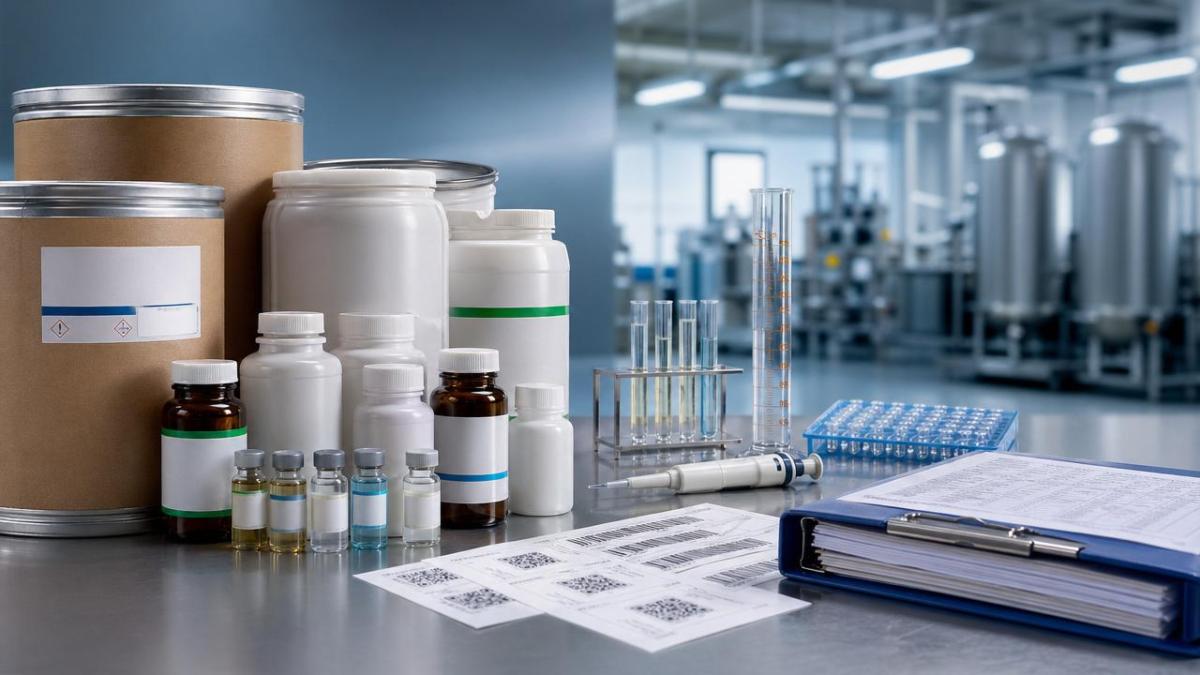
Start with the essentials: certificate of analysis, specification sheet, safety data sheet, product label information if applicable, and transport classification. Then move to deeper records, including manufacturing site details, batch numbering logic, retained sample policy, analytical methods, impurity declaration, change control history, and any registration-related technical equivalence support. If the supplier hesitates on these items, the issue is rarely administrative alone; it often signals weak compliance maturity.
Quick review table: what should be checked and why?
This review is especially important when sourcing bulk technical grade pesticides across multiple jurisdictions. A document set acceptable in one market may be insufficient in another, especially where authorities expect stronger evidence of technical equivalence, environmental safety, or controlled impurity disclosure.
How should teams judge impurity profiles instead of looking only at active content?
Active content is necessary, but it is not a complete compliance indicator. Two lots with similar assay can present very different risk levels if their impurity composition differs. For bulk technical grade pesticides, impurities may arise from starting materials, side reactions, degradation, solvent residues, metals, isomer imbalance, or incomplete purification. Some are operational nuisances. Others are toxicologically relevant and can affect registration, worker protection measures, or waste disposal requirements.
Quality control teams should ask whether impurity limits are batch tested, trend monitored, and tied to a validated method. Safety managers should ask whether any impurity changes the hazard classification, PPE requirements, ventilation needs, or emergency response protocol. A supplier that reports only the main assay and water content is giving too narrow a picture for a risk-based purchasing decision.
A practical approach is to compare three layers: the declared specification, the historical production trend, and the registered or expected regulatory profile for the substance. If the specification looks acceptable but historical data show drift toward the upper limit, that is a warning sign. If the impurity profile is not stable across batches, the buyer may face repeated deviations, even when nominal assay remains on target.
What are the most common compliance mistakes when sourcing bulk technical grade pesticides?
One frequent mistake is treating all technical material suppliers as interchangeable. Even when the active substance name is the same, process chemistry, impurity pattern, physical behavior, and regulatory support can differ significantly. Substituting one source for another without structured equivalence review can create hidden exposure.
A second mistake is overreliance on commercial documents. Purchase contracts and basic declarations do not replace technical due diligence. If the supplier cannot provide robust answers on method validation, contamination controls, packaging integrity, storage recommendations, and deviation handling, the buyer should assume higher risk.
A third mistake is disconnecting procurement from EHS and QC. Bulk technical grade pesticides are often bought under cost pressure, yet the costs of non-compliance appear later in the form of rejected batches, incident response, regulatory inquiry, or customer complaints. Cross-functional review before approval is usually cheaper than remediation after receipt.
Another recurring issue is poor change control. A supplier may modify raw material origin, reactor capacity, drying conditions, or packaging format without clearly communicating the impact. For technical materials, seemingly minor changes can affect dustiness, flow, thermal stability, or trace contaminants. Buyers need explicit notification clauses and a requalification trigger matrix.
Common mistake versus better practice
How can quality and safety managers build a stronger approval process without slowing procurement too much?
The goal is not bureaucratic friction. It is repeatable control. A strong process for bulk technical grade pesticides should focus on a few high-value checkpoints that catch most compliance failures early. First, segment suppliers by risk: new source, strategic source, sole source, and low-volume source should not all face the same review depth, but all should meet minimum standards.
Second, define a pre-approval checklist that combines procurement, QC, and EHS criteria. This should include manufacturing site identity, recent COAs, impurity disclosure, SDS review, transport classification, storage conditions, packaging compatibility, and sample testing requirements. Third, require documented change control and a clear escalation path when data do not align.
Fourth, use incoming inspection intelligently. Not every shipment needs full revalidation, but high-risk bulk technical grade pesticides may require identity confirmation, active assay, key impurity screening, moisture testing, and packaging inspection on each lot until performance history is established. Trend analysis is essential; isolated pass results are less useful than evidence of consistency over time.
Finally, document the rationale for acceptance. During audits or incident investigations, the ability to show why a supplier was approved, what was reviewed, what limits were applied, and how deviations were handled can be as important as the chemistry itself.
When evaluating a supplier, what questions should be asked before purchase orders are expanded?
Before scaling volume, buyers should move beyond product brochures and ask operational questions that reveal the reliability of the source. For bulk technical grade pesticides, useful questions include: Has the manufacturing process changed in the last 24 months? Which impurities are routinely monitored and why? What is the batch failure rate? How are deviations investigated? Is the packaging designed for moisture, corrosion, or contamination risk? What retention sample period is maintained? Which markets already accept this technical material?
It is also worth asking how the supplier supports audits and urgent investigations. If a customs issue, warehouse incident, or regulator inquiry arises, response time matters. Suppliers serving sophisticated global buyers usually maintain stronger document discipline, multilingual compliance support, and better change communication. Those capabilities are not secondary; they are part of the compliance value of bulk technical grade pesticides.
What is the key takeaway for teams responsible for compliance, safety, and release decisions?
The main lesson is simple: the compliance gap around bulk technical grade pesticides usually appears before the product enters formulation. It is found in supplier controls, impurity transparency, document quality, and change management. Teams that wait for final product testing to reveal upstream weaknesses are often reacting too late.
For quality control and safety managers, the best defense is a structured, cross-functional approval model that treats technical materials as regulated risk carriers rather than interchangeable commodities. If you need to confirm a sourcing plan, supplier shortlist, approval workflow, audit scope, or incoming test strategy, the first discussions should focus on impurity profile stability, batch traceability, change notification rules, destination-market document requirements, and the supplier’s ability to support investigations after delivery.
Related Intelligence
- AgrochemicalsBulk technical grade pesticides and the compliance gap to watchBulk technical grade pesticides demand more than price and assay checks. Learn where compliance gaps start, which documents matter most, and how to reduce sourcing risk before formulation.
- AgrochemicalsWholesale NPK fertilizers: what changes total application costWholesale NPK fertilizers affect more than unit price. Learn how nutrient concentration, logistics, quality, and compliance shape total application cost and smarter budget approvals.
- AgrochemicalsGlyphosate herbicide wholesale and the risk of uneven supplyGlyphosate herbicide wholesale is facing uneven supply, regulatory shifts, and freight risk. Learn how enterprise buyers can secure reliable sourcing and reduce procurement disruption.
The Morning Broadsheet
Daily chemical briefings, market shifts, and peer-reviewed summaries delivered to your terminal.
