

The Authority in Global Agricultural Chemistry & Bio-Resources
Glyphosate herbicide wholesale and the risk of uneven supply

For enterprise buyers, glyphosate herbicide wholesale is no longer just a pricing issue—it is a supply continuity and risk management challenge. Uneven production capacity, shifting regulations, and regional logistics disruptions can quickly affect procurement stability. This article examines the key causes behind volatile supply patterns and outlines what decision-makers should assess to secure reliable sourcing in a tightening global market.
Why is glyphosate herbicide wholesale becoming harder to stabilize?
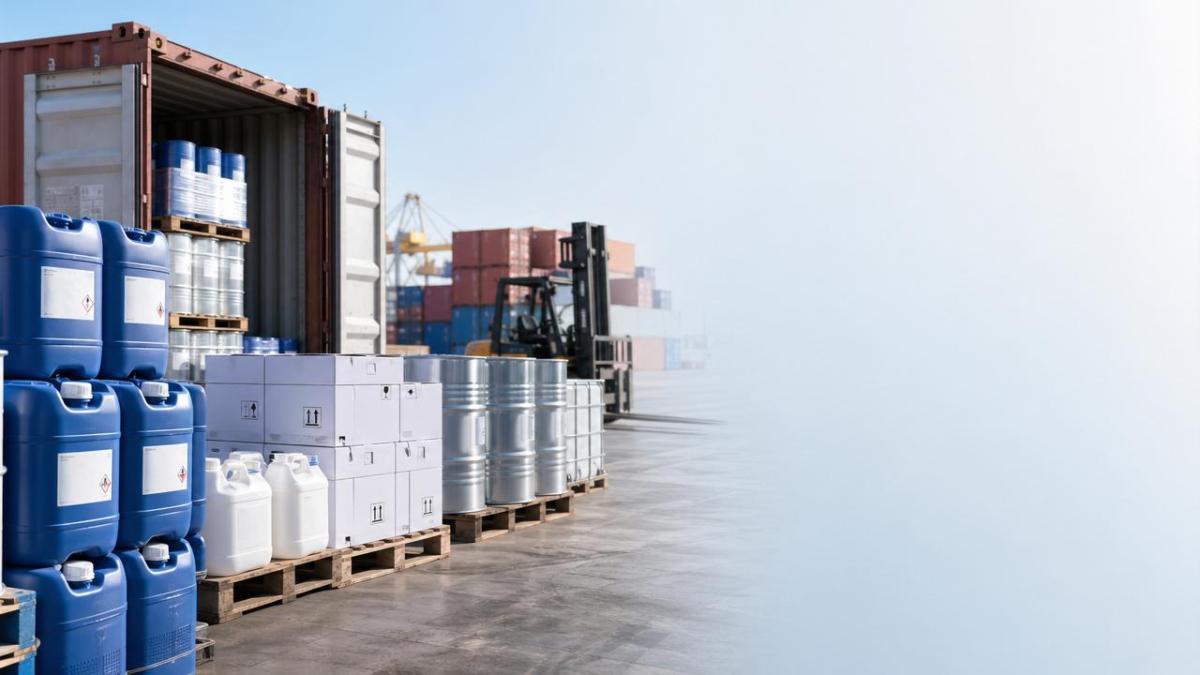
The global market for glyphosate herbicide wholesale has changed from a volume-driven trade into a more complex procurement environment shaped by manufacturing concentration, regulatory scrutiny, and freight volatility. For enterprise decision-makers, the practical challenge is not whether glyphosate remains available somewhere in the market, but whether supply can be secured at the required specification, timing, and compliance level.
In many procurement cycles, supply appears sufficient on paper while actual shipment performance remains inconsistent. This gap often comes from uneven upstream operating rates, variable access to key intermediates, changing export controls, and local distribution bottlenecks. Buyers that focus only on the headline price of glyphosate herbicide wholesale may underestimate the cost of delayed loading, reformulation needs, inventory gaps, or unplanned supplier switching.
For sectors covered by AgriChem Chronicle, especially agriculture, primary processing, and fine chemicals, this pattern is familiar. Markets tied to regulated raw materials rarely move in a straight line. Reliable procurement requires technical reading of production signals, trade flows, and compliance thresholds rather than simple spot buying.
- Manufacturing concentration can create regional dependence, so output cuts in one area can quickly affect global glyphosate herbicide wholesale availability.
- Environmental inspections and policy shifts may reduce effective supply even when nominal capacity remains unchanged.
- Logistics disruptions, container shortages, and port congestion can turn a normal replenishment window into a multi-week risk event.
- Specification mismatch between technical material and downstream formulation needs can lead to rejected lots or requalification delays.
What causes uneven supply in glyphosate herbicide wholesale markets?
Uneven supply is rarely the result of one isolated factor. It usually emerges from the interaction of upstream chemistry, production discipline, compliance obligations, and regional demand swings. Enterprise buyers need to treat glyphosate herbicide wholesale as a chain of linked risks rather than a single commodity purchase.
1. Upstream raw material and intermediate variability
Production continuity depends on access to critical intermediates, energy, utilities, and stable plant scheduling. If upstream chemical feedstocks tighten or utility costs spike, output may be reduced or diverted to higher-margin contracts. This can make quoted availability less reliable than contracted availability.
2. Compliance pressure and registration constraints
Glyphosate products move through a regulated framework involving product registration, labeling rules, residue concerns, hazardous goods handling, and local environmental requirements. When authorities review registrations or adjust market access conditions, some suppliers temporarily lose flexibility. In glyphosate herbicide wholesale, legal saleability matters as much as production volume.
3. Formulation and packaging bottlenecks
Even when technical material is available, downstream formulation capacity may be constrained. Bulk buyers often require specific concentrations, compatible adjuvant systems, and packaging formats suitable for local distribution. A supplier that can produce technical glyphosate may still struggle to deliver the exact wholesale form needed for commercial deployment.
4. Freight and destination market disruptions
Ocean freight volatility, inland transport shortages, customs delays, and seasonal port congestion frequently distort planning. For buyers managing crop calendars, a shipment that arrives three weeks late may carry a far higher hidden cost than a moderate increase in unit price.
The table below helps procurement teams map the main sources of instability in glyphosate herbicide wholesale and their operational consequences.
The key takeaway is simple: in glyphosate herbicide wholesale, visible price is only one layer of the cost structure. Hidden supply risks often have a larger effect on margin, planning, and field execution than the quoted price difference between two suppliers.
How should enterprise buyers evaluate suppliers beyond price?
A disciplined sourcing process should compare suppliers on supply assurance, technical fit, and compliance readiness. This is especially important for enterprise buyers responsible for seasonal demand, distributor commitments, or cross-border procurement. The most dependable glyphosate herbicide wholesale strategy often combines commercial screening with technical due diligence.
Critical supplier evaluation points
- Verify production role. Distinguish between manufacturer, formulator, trader, and consolidator. Each has different control over lead time and quality consistency.
- Check formulation compatibility. Confirm active concentration, salt form, packaging configuration, and storage requirements for your market channel.
- Review documentation readiness. Ask about specification sheets, safety documentation, transport declarations, and destination-market registration support where applicable.
- Assess delivery resilience. Evaluate port options, contract allocation terms, buffer inventory, and contingency plans for peak-season shipments.
- Examine communication quality. Slow or vague responses during negotiation often signal future execution problems in glyphosate herbicide wholesale orders.
The following procurement matrix is useful when comparing suppliers for glyphosate herbicide wholesale in a volatile market.
A supplier with a slightly higher quote but stronger delivery discipline may produce a lower total landed risk than the cheapest offer. That distinction is central to good enterprise procurement.
Which compliance and specification issues are often overlooked?
In glyphosate herbicide wholesale, many procurement failures are not caused by lack of inventory but by weak specification control. Enterprise buyers should align purchasing teams, technical teams, and market compliance teams before confirming orders. The product must be purchasable, transportable, importable, and commercially usable in the target market.
Commonly overlooked checkpoints
- The difference between technical grade material and finished formulation, including whether local channels can process or directly distribute it.
- Label, language, and pack-size requirements that vary by import destination and sales route.
- Storage and handling compatibility, particularly where climate conditions or long warehousing periods affect shelf stability.
- Transport classification and documentation completeness for hazardous or controlled shipment categories.
- Batch-to-batch consistency where large seasonal programs rely on predictable field performance and distributor trust.
Because ACC operates at the intersection of agricultural inputs, fine chemicals, and compliance-sensitive supply chains, its analytical value is strongest when buyers need to interpret technical and trade information together. This is particularly relevant when a product appears commercially available, yet practical import, formulation, or distribution conditions make the offer less usable than expected.
What procurement strategy reduces risk in a tightening glyphosate herbicide wholesale market?
The best strategy is not simply to lock the lowest unit price. It is to build a sourcing model that balances cost, flexibility, and continuity. For high-volume enterprise buyers, procurement resilience usually comes from process design rather than one-off negotiation skill.
Recommended actions for procurement teams
- Segment purchases by urgency. Reserve core volume under structured contracts and leave only a controlled portion for spot-market opportunities.
- Qualify more than one source. Dual-source planning can reduce dependence on a single shipping lane, formulation plant, or regulatory exposure point.
- Set internal trigger points. Use inventory coverage, freight delay indicators, and policy signals to decide when to accelerate or defer buying.
- Match purchase terms to seasonal demand. Align incoterms, payment milestones, and shipment release schedules with crop application windows.
- Review substitution paths in advance. If one formulation or origin tightens, the organization should already know the technical and compliance implications of switching.
In practice, glyphosate herbicide wholesale procurement works best when contract planning is informed by market intelligence rather than historical habit. Decision-makers who use current analysis on capacity shifts, trade flow changes, and compliance developments are better positioned to defend margins and avoid emergency buying.
FAQ: what do enterprise buyers ask most about glyphosate herbicide wholesale?
How do we know whether a low quote is commercially reliable?
Check whether the quote is backed by real allocation, confirmed production scheduling, and workable shipment terms. A low quote without valid lead-time control, specification clarity, or documentation readiness can become a high-cost purchase once delays, substitutions, or customs issues appear.
Should we prioritize technical material or finished formulation?
That depends on your market role. Buyers with formulation capability may prefer technical material for flexibility and margin control. Distributors or end-market suppliers often need finished formulations with compliant labeling and pack sizes. The decision should reflect technical capacity, registration requirements, and speed to market.
What lead-time assumptions are safest in volatile periods?
Do not rely on standard historical lead times alone. Build in additional time for production adjustment, packaging availability, freight booking, and customs clearance. The right buffer depends on route complexity and seasonality, but risk-adjusted planning is usually safer than aggressive just-in-time buying in glyphosate herbicide wholesale.
What is the most common procurement mistake?
Treating glyphosate herbicide wholesale as a simple commodity tender. Buyers often compare only price and nominal lead time, while overlooking origin concentration, registration fit, packaging constraints, or delivery resilience. These overlooked factors usually drive the biggest downstream losses.
Why decision-makers use AgriChem Chronicle before committing supply
Enterprise procurement teams do not need more noise. They need interpretable market intelligence that connects production realities, chemical supply logic, and regulatory risk. AgriChem Chronicle supports that need by focusing on the sectors where technical specifications, cross-border trade, and compliance requirements directly shape commercial outcomes.
For organizations navigating glyphosate herbicide wholesale, ACC offers a valuable lens on market signals that are often missed in generic coverage: capacity discipline, upstream fine chemical dependencies, documentation expectations, and destination-market constraints. This helps decision-makers turn fragmented market information into an actionable sourcing framework.
Why choose us
If your team is evaluating glyphosate herbicide wholesale options, ACC can help structure the decision around the issues that matter most to enterprise buyers: specification confirmation, supplier screening logic, delivery-cycle assessment, compliance checkpoints, and sourcing risk interpretation across agricultural and chemical supply chains.
- Request guidance on parameter confirmation, including formulation type, packaging needs, and technical fit for your target market.
- Discuss supplier evaluation criteria for multi-source procurement, contract structure, and delivery continuity.
- Review expected lead times, documentation readiness, and import or compliance considerations before finalizing purchase plans.
- Explore tailored market intelligence support for quotation comparison, sourcing strategy, and risk-based procurement decisions.
For decision-makers under pressure to balance cost control with supply assurance, informed action beats reactive buying. When glyphosate herbicide wholesale conditions turn uneven, a sharper procurement framework can protect both seasonal execution and long-term commercial stability.
Related Intelligence
- AgrochemicalsBulk technical grade pesticides and the compliance gap to watchBulk technical grade pesticides demand more than price and assay checks. Learn where compliance gaps start, which documents matter most, and how to reduce sourcing risk before formulation.
- AgrochemicalsWholesale NPK fertilizers: what changes total application costWholesale NPK fertilizers affect more than unit price. Learn how nutrient concentration, logistics, quality, and compliance shape total application cost and smarter budget approvals.
- AgrochemicalsGlyphosate herbicide wholesale and the risk of uneven supplyGlyphosate herbicide wholesale is facing uneven supply, regulatory shifts, and freight risk. Learn how enterprise buyers can secure reliable sourcing and reduce procurement disruption.
The Morning Broadsheet
Daily chemical briefings, market shifts, and peer-reviewed summaries delivered to your terminal.
