

The Authority in Global Agricultural Chemistry & Bio-Resources
Wholesale Sodium Hydrosulfite Shelf Life Is Shorter Than Expected
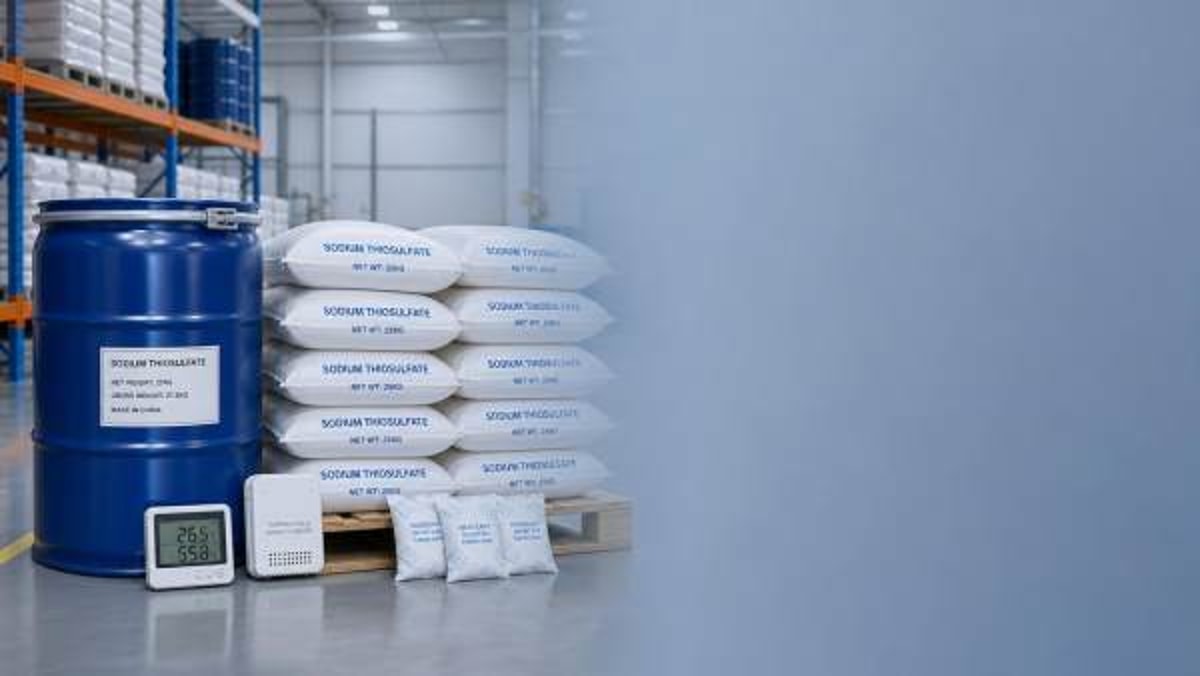
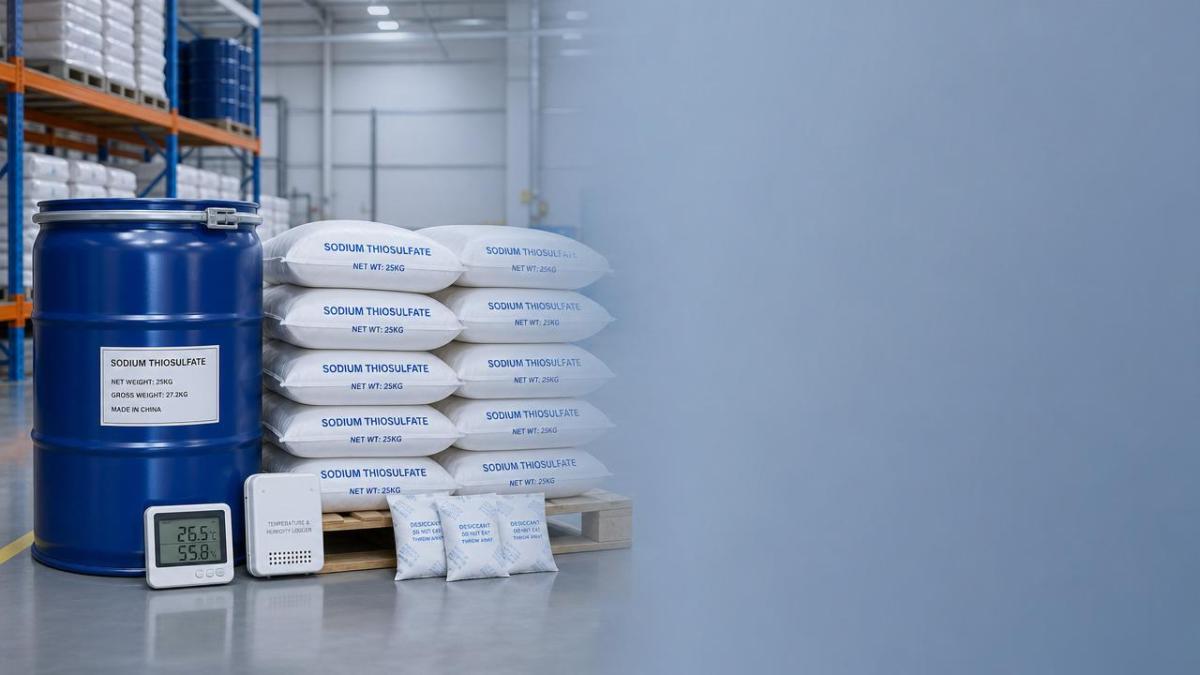
For after-sales maintenance teams, understanding why wholesale sodium hydrosulfite often has a shorter shelf life than expected is critical to safe storage, stable performance, and fewer customer complaints. This article explains the main causes of degradation, the warning signs to monitor, and the practical handling steps that help preserve product quality across industrial use and support operations.
What wholesale sodium hydrosulfite is and why shelf life becomes a practical issue
Wholesale sodium hydrosulfite, also known as sodium dithionite, is a strong reducing agent used in textile processing, mineral flotation, paper bleaching, water treatment support, and selected chemical manufacturing operations. In many facilities, it is purchased in bulk because consumption is continuous and downtime caused by material shortages can be costly. However, this product is well known for its sensitivity to moisture, oxygen, heat, and contamination. That means the shelf life stated in commercial documents may not reflect actual performance once the material enters a warehouse, service vehicle, maintenance room, or customer site.
For after-sales teams, the concern is not only chemical stability. A shortened shelf life affects service quality, batch traceability, complaint handling, warranty discussions, and safety risk. If a customer opens a drum and finds caking, odor changes, pressure buildup, or weak reduction performance, the issue often lands first with support personnel rather than procurement or production. That is why shelf-life knowledge should be treated as part of maintenance readiness, not just as a purchasing detail.
Why the industry pays close attention to storage stability
Across primary industries and fine chemicals, supply chains are tighter, documentation requirements are stricter, and customers expect more precise technical guidance. In this environment, the handling of wholesale sodium hydrosulfite matters because its instability can create a chain of downstream problems. A partially degraded batch may still look usable, yet its active reducing power can be far below expectation. That gap leads to process inconsistency, rework, dosing errors, and in some cases unsafe reactions if operators compensate by overfeeding material.
AgriChem Chronicle’s readership often deals with regulated materials, process-critical chemicals, and service contracts tied to performance guarantees. From that perspective, sodium hydrosulfite is a useful example of how chemical shelf life is shaped by real logistics conditions rather than by a label alone. Bulk packaging, seasonal humidity, warehouse ventilation, pallet rotation, and transport dwell time all influence whether a product performs as specified when it reaches the point of use.
The main reasons wholesale sodium hydrosulfite degrades faster than expected
The short answer is that sodium hydrosulfite is chemically reactive and physically vulnerable. The longer answer is more useful for maintenance teams. First, moisture intrusion is one of the most common causes of degradation. Even limited exposure to humid air can start decomposition, especially if containers are opened repeatedly or not resealed correctly. Once moisture enters, the material can cake, warm internally, and lose effective strength.
Second, oxygen exposure accelerates oxidation. Many users assume that if a bag or drum appears closed, the content is protected. In reality, compromised liners, imperfect seals, or frequent opening cycles can gradually reduce product quality. Third, elevated temperature speeds decomposition. Storage near boilers, direct sunlight, hot roofs, or poorly ventilated shipping containers can significantly shorten usable life.
Fourth, contamination is often underestimated. Contact with acids, metal salts, rust, water residues, dirty scoops, or incompatible chemicals can trigger unwanted reactions. In mixed-use industrial sites, cross-contamination risk rises when storage discipline weakens. Fifth, long and fragmented logistics chains increase exposure time. A shipment of wholesale sodium hydrosulfite may be technically within date, but if it has spent too many days in variable transit and temporary storage, remaining life at the customer site may be limited.
A practical overview of degradation drivers
The table below helps after-sales staff connect root causes with field symptoms and service implications.
Where after-sales maintenance teams see the problem first
Not every user handles wholesale sodium hydrosulfite in the same way. In large continuous plants, degradation may appear as reduced process efficiency or unstable bleaching results. In smaller facilities, it may show up as bag hardening, operator difficulty in dissolving the powder, or sudden differences between earlier and later batches from the same shipment. Mobile service teams may encounter opened packaging stored in humid mechanical rooms, while maintenance contractors often find product left too close to washdown areas or exposed during repeated inspections.
This is why after-sales personnel should evaluate both the chemical and the context. A complaint about poor product performance is not always a manufacturing defect. It may be a storage-life issue caused by site conditions, container handling, or the gap between delivery date and first use. Good support practice depends on identifying that distinction quickly and documenting it clearly.
How to recognize early warning signs before product failure
Maintenance teams do not always have access to full laboratory analysis, so field recognition matters. Common warning signs include hardened material, clumps that do not break easily, unusual sulfurous odor intensity, visible moisture inside the package, liner damage, or evidence that the container has been opened many times. Operators may also report that the usual dosage no longer delivers the same result, or that dissolution behavior has changed.
Another useful indicator is temperature history. If bulk material has been stored through hot weather or transported in uncontrolled conditions, the risk of shortened shelf life rises even if appearance seems acceptable. Documentation review is therefore part of inspection. Batch number, production date, delivery date, opening date, and storage location should be checked together. For wholesale sodium hydrosulfite, loss of activity may not always be visually dramatic, so records can reveal deterioration that appearance alone cannot.
Application value of good shelf-life control
Managing shelf life well creates value beyond compliance. First, it protects process stability. When reducing power is more consistent, downstream operations require fewer corrections. Second, it lowers waste and avoids emergency replacement orders. Third, it reduces friction between supplier, distributor, and end user because evidence-based storage control makes root causes easier to determine. Fourth, it improves safety by lowering the chance of using degraded or reactive material under unsuitable conditions.
For organizations serving industrial customers, these benefits support credibility. In the fine chemicals and primary processing sectors, technical trust depends not only on selling a compliant product but also on helping clients preserve it correctly. That is especially true for wholesale sodium hydrosulfite, where handling quality strongly influences final performance.
Typical storage and handling scenarios by site condition
The risk level changes by environment. The following classification helps teams tailor advice.
Practical handling recommendations for support and maintenance teams
A practical program starts with receiving inspection. Check packaging integrity, confirm documentation, and record the condition on arrival. If wholesale sodium hydrosulfite arrives with low remaining shelf life, that should be communicated immediately so site planning can match inventory to projected consumption. Waiting until the material is nearly needed often turns a manageable issue into a complaint.
Next, control the opening process. Open containers only when needed, minimize exposure time, and reseal them promptly using the original closure system or an approved equivalent. Use clean, dry tools only. Do not return exposed material to the original package if contamination is possible. Keep the product away from acids, oxidizers, water sources, and heat-emitting equipment. Train operators to treat partial packages as higher risk than unopened stock.
Inventory discipline is equally important. Apply FIFO or FEFO principles, mark first-opened dates, and avoid hidden stock in maintenance corners or vehicle compartments. If a customer consumes small amounts irregularly, recommend smaller package formats or more frequent deliveries rather than long-term on-site accumulation. These simple changes often do more to preserve quality than any later corrective action.
Documentation, communication, and complaint prevention
When shelf-life issues arise, the quality of records determines how quickly a case can be resolved. After-sales teams should document storage temperature trends if available, note humidity conditions, photograph packaging condition, and capture the timeline from receipt to use. A structured service checklist for wholesale sodium hydrosulfite helps distinguish product degradation from process misuse, poor storage, or incompatible site practices.
Communication should also be preventive, not only reactive. Customers benefit from a short storage guide, clear unpacking instructions, and periodic reminders before high-humidity or high-temperature seasons. For distributors and service providers, this creates a stronger evidence trail and reduces repetitive disputes. In technical sectors, reliable guidance is part of product value.
A grounded approach to extending usable life
No handling method can make an unstable reducing agent permanent, but careful controls can preserve usable life and performance. The most effective strategy is a combination of environment control, packaging integrity, disciplined rotation, contamination prevention, and quick escalation when warning signs appear. For after-sales maintenance teams, this means building routine checks into normal service work rather than treating shelf-life review as an exception.
If your operation stores or supports wholesale sodium hydrosulfite across multiple sites, now is the right time to standardize inspection points, opening procedures, and customer guidance. A consistent protocol protects safety, reduces avoidable losses, and helps ensure that the product performs as intended when customers need it most.
Related Intelligence
- APIs & IntermediatesWholesale Zinc Oxide Prices Vary for Reasons Beyond PurityWholesale zinc oxide prices vary by more than purity alone. Explore how process, specs, compliance, and freight impact cost to source smarter and reduce supply risk.
- APIs & IntermediatesWholesale Iron Oxides: Shade Consistency Is Harder Than It LooksWholesale iron oxides shade consistency is harder than it looks. Learn the hidden causes of batch variation, key QC checks, and smarter sourcing steps to reduce risk and protect product quality.
- APIs & IntermediatesBulk Phosphoric Acid Buying Mistakes That Delay ProductionBulk phosphoric acid buying mistakes can trigger delays, rejects, and higher costs. Learn how to compare specs, suppliers, and documents to protect production.
The Morning Broadsheet
Daily chemical briefings, market shifts, and peer-reviewed summaries delivered to your terminal.
