
The Authority in Global Agricultural Chemistry & Bio-Resources
Bulk phthalic anhydride buying terms that hide the real landed cost
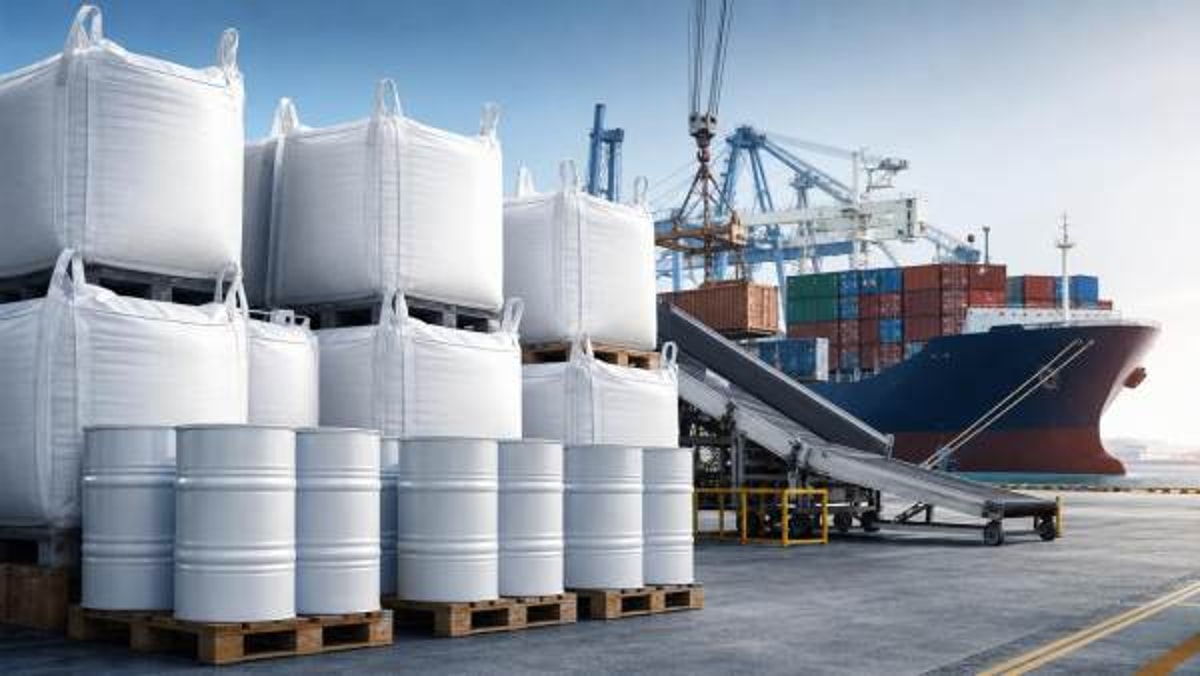
For procurement teams, bulk phthalic anhydride deals can look competitive on paper while hidden clauses quietly inflate the real landed cost. From packaging conversions and assay tolerances to port fees, payment triggers, and compliance liabilities, small buying terms often create major budget gaps. This article outlines the contract details that deserve closer scrutiny before price comparisons turn into costly procurement mistakes.
Why does bulk phthalic anhydride pricing often fail to reflect the real landed cost?
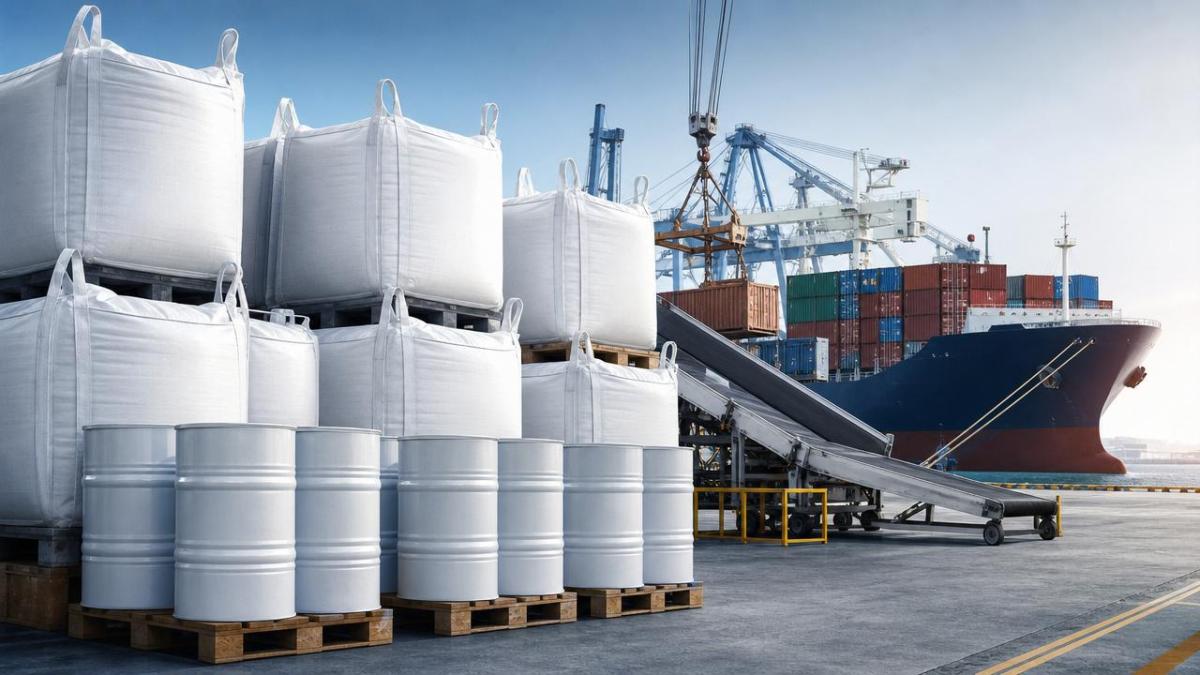
In industrial chemicals, the quoted number is rarely the final number. That is especially true for bulk phthalic anhydride, where procurement teams often compare offers by FOB, CFR, or CIF price alone and overlook the clauses that determine what arrives, how much is usable, and who pays when conditions shift in transit or at destination.
Phthalic anhydride is commonly procured for plasticizers, alkyd resins, pigments, unsaturated polyester resins, and other downstream formulations. In cross-border sourcing, the real cost can move materially because this product is sensitive not only to price volatility in feedstocks and energy, but also to packaging type, melt or flake handling requirements, moisture control, customs documentation, and assay-based acceptance rules.
For buyers in agriculture-related chemicals, fine chemicals, and primary processing sectors, a small variance in usable yield or delivery condition can affect production schedules, storage safety, and reformulation costs. That is why procurement teams need a landed-cost view, not just a unit-price view.
- A lower quote may exclude destination THC, demurrage exposure, palletization costs, or special handling fees for heated cargo.
- A favorable purity number may still allow a tolerance band that reduces usable output in sensitive formulations.
- A contract that looks simple may shift claims risk to the buyer through narrow inspection windows or restrictive rejection procedures.
AgriChem Chronicle tracks these gaps because industrial buyers need more than supplier brochures. They need contract-level interpretation, market context, and compliance awareness that connect chemical specifications with operational outcomes.
Which buying terms hide the biggest cost drivers in bulk phthalic anhydride contracts?
The most expensive terms are usually not the most visible ones. In many bulk phthalic anhydride transactions, hidden landed-cost inflation comes from clauses that seem administrative but have direct budget impact once cargo moves through ports, warehouses, and production lines.
Commercial terms that deserve line-by-line review
- Incoterm scope: Buyers should confirm whether terminal handling, inland delivery, customs clearance, and unloading equipment are included or excluded.
- Weight basis: Billing by gross weight, net weight, or destination certified weight can materially change payable quantity.
- Packaging conversion: Bagged, jumbo bag, molten, or bulk truck supply changes freight density, handling cost, waste, and storage losses.
- Assay and impurity tolerances: Small deviations in color, maleic anhydride residue, ash, or moisture can affect production performance.
- Payment trigger: Some sellers invoice on bill of lading date, others on arrival, discharge, or post-inspection acceptance.
- Claim window: A short notification period may prevent recovery of quality losses discovered only after material enters process.
The table below highlights where a low bulk phthalic anhydride price can diverge from the real landed cost once the shipment is executed.
A disciplined buyer reads these terms as cost variables, not boilerplate. The best sourcing decisions often come from adjusting all offers to a common landed-cost basis before ranking suppliers.
What technical and logistics details should procurement teams verify before comparing offers?
When buying bulk phthalic anhydride, commercial evaluation should be matched with a technical review. Many disputes begin because teams compare two offers that do not describe equivalent material condition, test method, or logistics format. That makes the cheaper option look better than it really is.
Key specification checks
- Confirm purity and test method, not just the stated minimum. A result based on a different laboratory method may complicate claims and acceptance.
- Review impurity limits relevant to your application, including color, moisture, ash, and by-product residue where these affect formulation stability.
- Check physical form at delivery. Flake and molten product involve different storage, transfer, and energy requirements.
- Align packaging with unloading capability. A plant designed for silo or molten reception can incur avoidable handling costs if cargo arrives in small bags.
The next table provides a practical review framework procurement teams can use to normalize offers for bulk phthalic anhydride.
This type of pre-award review is particularly important in sectors with tight production scheduling. A shipment that is nominally compliant but operationally inconvenient can still become the most expensive option.
How should buyers compare bulk phthalic anhydride offers on a true landed-cost basis?
A reliable procurement comparison starts with normalization. Every supplier offer should be translated into the same destination, the same quantity basis, the same quality basis, and the same payment timing. Without that, the price sheet is not a buying decision tool; it is only a starting point.
A practical comparison workflow
- Convert all offers to one Incoterm endpoint, preferably the point where your organization takes operational control.
- Calculate effective cost per usable metric ton after quality tolerance, expected handling loss, and packaging waste.
- Add financial cost from payment trigger, credit period, currency exposure, and bank charges.
- Include risk cost for likely delays, restricted claim rights, and documentation mismatch based on destination rules.
- Score suppliers separately on execution reliability so a low headline price does not obscure high disruption risk.
For many procurement teams, the useful distinction is between visible cost and contingent cost. Visible cost appears in the quotation. Contingent cost emerges only if storage time extends, if laboratory results differ, or if customs requests corrections. Skilled buyers assign a probability to these events and model them before award.
Where contingent cost usually appears
- Port congestion leading to storage and detention charges.
- Retesting at destination because certificate methods do not match buyer specifications.
- Need for repacking or relabeling to satisfy local transport or warehouse rules.
- Production downtime when cargo form does not fit receiving equipment or melt handling capability.
This is where sector-specific intelligence matters. ACC’s editorial focus across fine chemicals, bio-based ingredients, and primary processing sectors helps buyers interpret not just what the contract says, but how it behaves in real supply chain conditions.
Which compliance and documentation issues can unexpectedly raise the cost of bulk phthalic anhydride?
Compliance cost is often underestimated because it is fragmented across functions. Procurement may look at unit price, logistics may look at freight, and regulatory teams may review only after award. In chemical sourcing, this separation creates avoidable landed-cost escalation.
Documents and controls that should be aligned before purchase order release
- Safety Data Sheet version and language required by destination jurisdiction.
- Certificate of Analysis format, including lot traceability and test references.
- Country of origin declarations and tariff classification consistency.
- Packaging labels compatible with local transport, storage, and occupational safety rules.
- Import permit or restricted-substance review where relevant to downstream application.
Even where no unusual certification is required, documentary mismatch can still create detention, rework, and brokerage cost. For procurement personnel, the key question is simple: can the supplier’s standard document pack clear your route and fit your internal QA process without amendment?
This matters across integrated supply chains. A buyer sourcing bulk phthalic anhydride for resin or intermediate production may also supply regulated end markets indirectly. That makes traceability and specification consistency more valuable than a marginal saving in headline price.
What mistakes do procurement teams make most often when buying bulk phthalic anhydride?
Most buying errors are not technical failures. They are framing errors. Teams ask, “Who has the cheapest offer?” before asking, “Which offer can be executed at the lowest total cost with acceptable risk?” That sequence leads to expensive surprises.
Common misconceptions
- Assuming CIF means all meaningful freight-side cost is covered. It usually does not cover the full destination burden.
- Treating specification compliance as binary. In practice, tolerance bands influence usability and process economics.
- Ignoring packaging and receiving compatibility. Handling mismatches are a frequent hidden cost in bulk chemical imports.
- Accepting narrow claim windows that expire before laboratory verification or production trial is complete.
- Overlooking supplier response obligations for damaged, delayed, or document-deficient shipments.
A better approach is to build a short pre-award checklist. If the supplier cannot clearly answer weight basis, acceptance method, packaging responsibility, and destination document requirements, the apparent savings may not be real.
FAQ for procurement teams evaluating bulk phthalic anhydride
How should I compare two bulk phthalic anhydride quotes with different Incoterms?
Convert both offers to the same point in the chain, usually delivered-to-site or delivered-to-warehouse cost. Add freight, insurance gaps, destination terminal charges, customs clearance, local transport, unloading, and financing cost. Then compare the effective cost per usable ton, not just the seller’s quoted ton price.
What specification items matter most for bulk phthalic anhydride procurement?
Purity is important, but not enough on its own. Buyers should also review moisture, ash, color, by-product residue where relevant, physical form, and the exact test method used. For sensitive downstream applications, a small tolerance difference can increase processing adjustment or reduce product consistency.
Why do payment terms affect landed cost if the unit price is fixed?
Because cash timing has a cost. If invoicing starts at shipment rather than acceptance, the buyer may fund inventory in transit and during clearance. Bank charges, foreign exchange movements, and document discrepancy fees can also add measurable cost even when the nominal price stays unchanged.
What is the safest way to manage claims on imported bulk phthalic anhydride?
Define inspection rights, testing method, sampling protocol, and notification period in the contract before shipment. The claim window should reflect realistic port clearance and laboratory timing. Buyers should also specify what remedy applies: replacement, credit note, discount, or shared retest procedure.
Why work with AgriChem Chronicle when evaluating complex bulk phthalic anhydride sourcing decisions?
Procurement teams do not just need more data; they need better interpretation. AgriChem Chronicle supports industrial buyers with analysis shaped by chemical processing realities, trade compliance pressures, and cross-sector sourcing complexity. That matters when a seemingly minor term can change the true cost of a bulk phthalic anhydride purchase.
Our editorial coverage across fine chemicals, bio-extracts, feed processing, and primary industries helps buyers connect supplier language with operational impact. Instead of treating contracts, specifications, and logistics as separate topics, ACC examines how they interact in real procurement decisions.
What you can discuss with us
- Parameter confirmation for bulk phthalic anhydride grades, test methods, and acceptance tolerances.
- Offer comparison support to identify which quoted terms are likely to inflate landed cost.
- Delivery cycle review, including packaging format, discharge planning, and documentation readiness.
- Compliance-oriented discussion covering SDS alignment, origin documents, customs risk, and traceability expectations.
- Quote communication priorities so internal procurement, QA, logistics, and finance teams evaluate suppliers on the same basis.
If your team is reviewing bulk phthalic anhydride offers and needs a clearer view of the real landed cost, ACC can help frame the right questions before award. Reach out to discuss specification review, supplier comparison, delivery terms, documentation requirements, and procurement risk points that deserve attention before the purchase order is finalized.
Related Intelligence
- APIs & IntermediatesFirst National SME Service Platforms for APIs & Intermediates AnnouncedFirst National SME Service Platforms for APIs & Intermediates launched—offering ICH Q5/Q7, REACH, green solvent & tax rebate support. Discover verified Chinese suppliers now.
- APIs & IntermediatesBulk formic acid handling mistakes that create avoidable downtimeBulk formic acid handling mistakes can trigger corrosion, leaks, and costly downtime. Learn the most common risks and practical fixes to improve reliability and prevent shutdowns.
- APIs & IntermediatesWholesale glacial acetic acid: packaging choices and freight tradeoffsWholesale glacial acetic acid buying starts with the right packaging and freight plan. Compare drums, IBCs, and ISO tanks to cut landed cost, reduce risk, and secure reliable bulk supply.
The Morning Broadsheet
Daily chemical briefings, market shifts, and peer-reviewed summaries delivered to your terminal.
