
The Authority in Global Agricultural Chemistry & Bio-Resources
Bulk Borax Decahydrate Storage Issues That Raise Hidden Costs
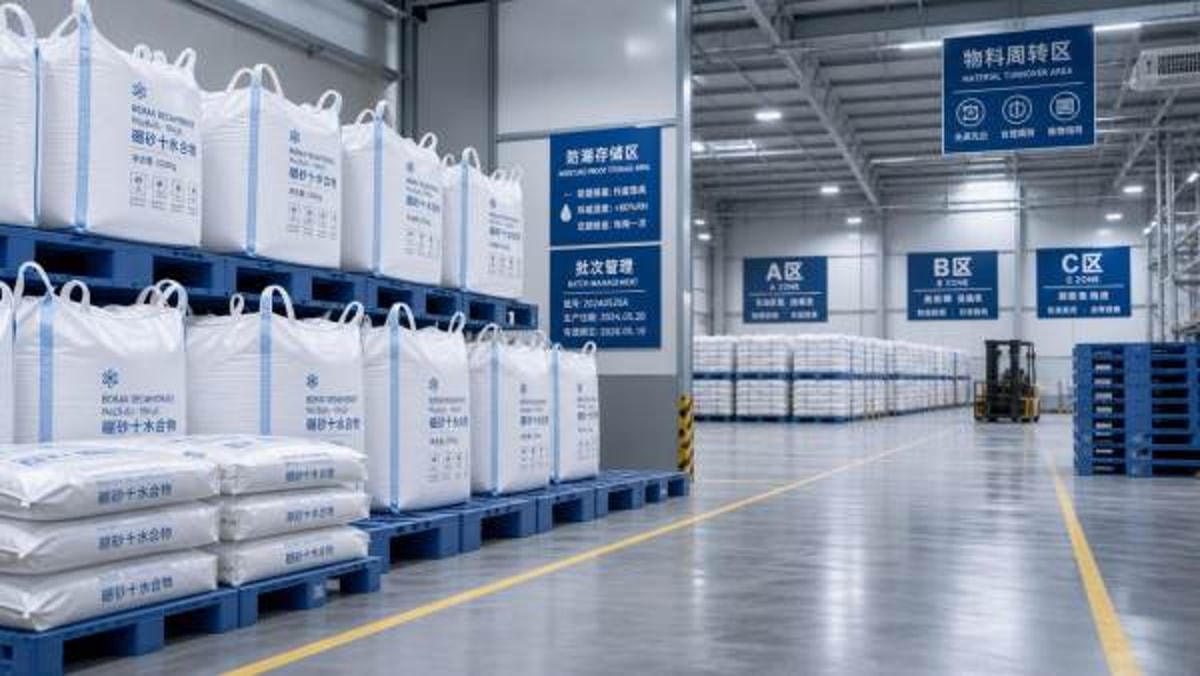
For project managers overseeing chemical storage and material handling, bulk borax decahydrate can create hidden cost pressures long before it reaches production. Moisture uptake, caking, packaging failure, and warehouse control issues often lead to downtime, product loss, and avoidable rework. Understanding these storage risks is essential for protecting budgets, maintaining quality compliance, and improving supply chain efficiency across industrial operations.
Why does bulk borax decahydrate storage become a project cost issue so quickly?
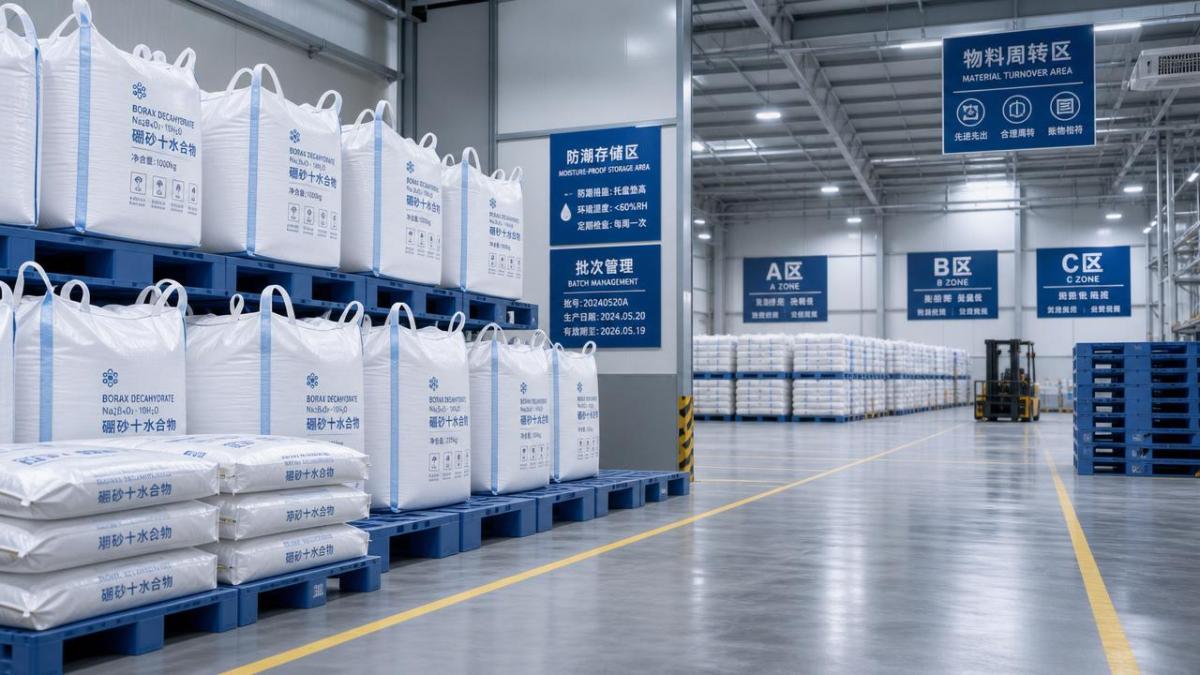
Bulk borax decahydrate is often treated as a routine industrial mineral, yet its storage profile makes it far more sensitive than many teams expect. In multi-site operations across chemicals, feed processing, water treatment, glass, detergents, and agricultural formulations, the material may sit in warehouses for weeks or months. During that period, small failures in humidity control, stacking discipline, or packaging integrity can translate into measurable cost leakage.
For engineering leads and project managers, the challenge is not only preserving product quality. It is also maintaining predictable handling behavior. Once bulk borax decahydrate begins to cake, bridge in hoppers, or develop uneven particle flow, downstream systems slow down. Operators intervene manually. Cleaning time increases. Batch accuracy may drift. These are not abstract storage concerns; they become budget overruns and scheduling risks.
This matters even more in regulated and specification-driven supply chains. ACC’s editorial focus across fine chemicals, primary processing, and industrial agriculture consistently shows the same pattern: hidden storage costs usually emerge where procurement, warehouse management, and production engineering work from different assumptions. A purchasing team may buy on delivered price, while operations later absorb losses from damaged stock and unstable handling performance.
- Moisture exposure can increase lump formation, reducing free-flow characteristics and making discharge unreliable.
- Packaging weakness can allow slow contamination or product loss during storage, internal transfer, and forklift handling.
- Long dwell time in uncontrolled warehouses can create quality inconsistency between early and later batches.
- Poor lot rotation can turn a low-cost commodity into a recurring rework, disposal, and demurrage expense.
What hidden costs should project managers track before storage problems escalate?
The most expensive storage failures are often indirect. A site may report only a modest amount of material loss, yet the real financial impact comes from labor interruption, machine idle time, emergency purchasing, and quality investigations. For bulk borax decahydrate, managers should evaluate the full cost chain rather than focusing only on tonnage written off.
The table below highlights common hidden cost categories associated with bulk borax decahydrate storage and why they matter in project planning, warehouse design, and procurement reviews.
A practical takeaway is that bulk borax decahydrate should be assessed as a storage-managed input, not just a purchased commodity. If the site only tracks invoice price and not handling loss, planners may underestimate the true landed and usable cost by a meaningful margin.
The cost signals that deserve early escalation
Project teams should trigger a review when any of the following appear repeatedly: rising forklift damage claims, increased manual break-up of compacted stock, unstable feeder performance, abnormal dust or residue around stored pallets, or unexplained variance between received weight and production-issued weight. These are often the first operational signs that bulk borax decahydrate storage controls are no longer adequate.
Which storage conditions matter most for bulk borax decahydrate?
Project managers do not always need highly specialized infrastructure, but they do need disciplined environmental control. The main variables are moisture, packaging protection, stacking pressure, ventilation, and stock rotation. Each one affects the physical stability of bulk borax decahydrate during storage and internal transfer.
Core warehouse priorities
- Keep storage areas dry and away from direct weather exposure, leaking roofs, wall condensation, and washdown splash zones.
- Use intact moisture-resistant packaging and inspect liners, closures, and pallet wrapping at goods receipt rather than after storage begins.
- Limit excessive stacking loads that compact lower layers and make caking harder to reverse during discharge.
- Apply first-in, first-out rotation based on receipt date and storage conditions, not only pallet location convenience.
- Separate quarantine, active-use, and aged stock so quality decisions are visible to operations and procurement at the same time.
Sites handling bulk borax decahydrate in supersacks, lined bulk bags, or palletized bag stock should also verify whether unloading points expose material to ambient humidity for too long. In many facilities, the warehouse is acceptable, but the discharge or staging area becomes the weak point. That gap is where hidden costs often begin.
Technical checks before approving storage design
When reviewing a storage setup, engineering leaders should ask whether the site can maintain stable conditions across seasonal shifts, whether forklifts can move units without puncture risk, whether partial-use containers can be resealed effectively, and whether warehouse data is shared with production planning. These questions are simple, but they often decide whether bulk borax decahydrate remains usable without rework.
How should buyers compare packaging and handling options?
Packaging choice directly affects storage risk. Many buyers compare quotes on a per-ton basis without calculating how different packaging formats influence breakage, moisture resistance, labor intensity, and partial-use control. For bulk borax decahydrate, the right option depends on throughput, storage duration, discharge method, and site hygiene requirements.
The comparison below can help project managers evaluate bulk borax decahydrate packaging formats from a total-cost perspective rather than a unit-price-only view.
No format is universally superior. A site with erratic demand may actually lose money in large units if partial discharge leaves material exposed for too long. By contrast, a stable, automated line may justify closed-system investment because reduced contamination, labor, and dust management offset the capital cost over time.
Procurement questions that improve decision quality
- What is the realistic storage duration at peak inventory, not just the planned average?
- Will the material be fully consumed after opening, or must partial units be protected and resealed?
- Does the supplier provide packaging specifications that align with the site’s handling equipment?
- Can receiving teams document damage rates and condition trends by supplier lot and transport lane?
What does a practical inspection and control plan look like?
A good control plan is simple enough to execute every week and detailed enough to reveal trends. For bulk borax decahydrate, inspection should begin at receipt and continue through storage, staging, and issue to production. If checks happen only when a batch fails to discharge, the intervention is already too late.
Recommended control points
- At receiving: inspect external packaging, pallet stability, visible moisture signs, and transport damage before acceptance.
- In storage: monitor floor condition, roof integrity, air movement, and proximity to open dock doors or damp process areas.
- Before issue: check for hard lumps, crust formation, bag seam weakness, and lot age versus the site’s internal use window.
- After use: document any flow interruptions, residue build-up, or manual intervention required during unloading.
When these checks are linked to procurement records, a site can identify whether bulk borax decahydrate losses are caused by supplier packaging, transport exposure, warehouse conditions, or internal handling practices. That distinction matters because each root cause requires a different corrective action and budget owner.
How do compliance and documentation affect storage decisions?
In primary industries and fine chemical environments, storage decisions are not only operational. They also affect audit readiness, traceability, and internal quality governance. Even when bulk borax decahydrate is not handled under the most restrictive pharmaceutical conditions, many sites still operate under documented quality systems, environmental controls, or customer-specific handling instructions.
The table below outlines practical documentation elements that help project managers align bulk borax decahydrate storage with common compliance expectations across industrial operations.
For readers in ACC’s sectors, this structured documentation also helps bridge technical and commercial discussions. Procurement can negotiate better terms when warehouse and production teams provide evidence-based loss patterns instead of anecdotal complaints.
Common misconceptions about bulk borax decahydrate storage
“It is a stable inorganic material, so normal storage is enough.”
Chemical stability does not eliminate physical handling risk. Bulk borax decahydrate may remain chemically suitable while becoming operationally difficult to use because of caking, bridging, or packaging deterioration. The result is still real cost.
“If only a small percentage is lost, the issue is minor.”
Material loss is only one part of the equation. A small number of blocked discharges or line stoppages can cost more than the value of the damaged stock itself, especially in continuous or tightly scheduled production environments.
“Cheaper packaging lowers procurement cost.”
Not if the packaging fails under transport, stacking, or partial-use conditions. A lower quoted price for bulk borax decahydrate may become more expensive after cleanup, claims, replacement stock, and delayed production are included.
FAQ: What do project managers ask most often?
How should we evaluate bulk borax decahydrate suppliers beyond price?
Review packaging construction, liner quality, transport protection, lot documentation, and responsiveness on damage claims. Ask for handling recommendations that match your storage duration and discharge method. A supplier that understands your use environment often reduces total cost more effectively than one offering only a lower ex-works price.
Which sites are most vulnerable to hidden storage costs?
Facilities with seasonal humidity swings, long inventory dwell times, mixed-use warehouses, or frequent partial-unit consumption are especially exposed. Sites that lack shared visibility between procurement, warehouse operations, and production tend to notice the problem late.
Can bulk borax decahydrate remain usable after caking starts?
That depends on the severity of caking, contamination risk, and end-use tolerance. Some sites may mechanically break lumps for less critical applications, but this introduces labor, dust, and consistency concerns. The better approach is preventing caking through environment and packaging control.
What should be included in a storage-related procurement specification?
Include packaging format, liner expectations, palletization requirements, acceptable damage thresholds at receipt, lot labeling needs, and any handling limits tied to your equipment. If bulk borax decahydrate will be stored for extended periods, that condition should be stated clearly during sourcing and supplier approval.
Why work with ACC when planning sourcing, storage, and handling decisions?
AgriChem Chronicle supports decision-makers who need more than generic material summaries. Our coverage connects procurement reality, plant handling constraints, regulatory expectations, and supply-chain transparency across fine chemicals, primary processing, and industrial agriculture. That perspective is valuable when bulk borax decahydrate appears simple on paper but creates cross-functional cost problems in practice.
If your team is reviewing bulk borax decahydrate supply options, warehouse upgrades, or packaging changes, ACC can help frame the right technical and commercial questions. We can support discussions around parameter confirmation, packaging suitability, delivery planning, documentation expectations, storage-risk comparison, and supplier evaluation logic relevant to industrial procurement teams.
- Ask about packaging and storage-fit evaluation for your actual throughput and inventory cycle.
- Discuss procurement specifications that reduce hidden cost exposure before contracts are finalized.
- Clarify delivery cadence, lot traceability expectations, and warehouse control checkpoints.
- Request guidance for comparing supplier offers on total usable cost, not invoice price alone.
For project managers and engineering leads, that is often the difference between a routine purchase and a recurring operational issue. When storage decisions are aligned early, bulk borax decahydrate becomes easier to budget, easier to handle, and less likely to generate hidden costs across the life of the project.
Related Intelligence
- APIs & IntermediatesWholesale Zinc Oxide Prices Vary for Reasons Beyond PurityWholesale zinc oxide prices vary by more than purity alone. Explore how process, specs, compliance, and freight impact cost to source smarter and reduce supply risk.
- APIs & IntermediatesWholesale Iron Oxides: Shade Consistency Is Harder Than It LooksWholesale iron oxides shade consistency is harder than it looks. Learn the hidden causes of batch variation, key QC checks, and smarter sourcing steps to reduce risk and protect product quality.
- APIs & IntermediatesBulk Phosphoric Acid Buying Mistakes That Delay ProductionBulk phosphoric acid buying mistakes can trigger delays, rejects, and higher costs. Learn how to compare specs, suppliers, and documents to protect production.
The Morning Broadsheet
Daily chemical briefings, market shifts, and peer-reviewed summaries delivered to your terminal.
