

The Authority in Global Agricultural Chemistry & Bio-Resources
IMO Updates Grain Silo Wind Stability Rules Effective May 2026
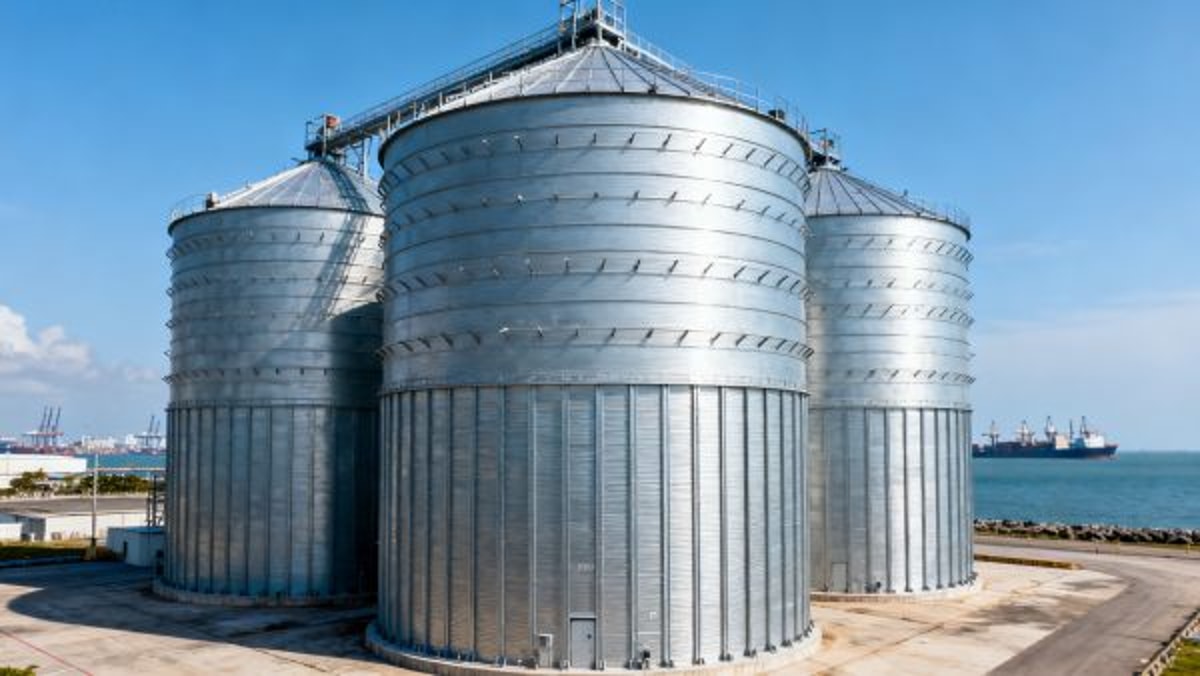
On 1 May 2026, the International Maritime Organization (IMO) implemented MSC.492(103), amending the International Code for the Safe Carriage of Grain in Bulk. The update introduces new structural safety requirements for grain silos and storage systems exported to typhoon- or hurricane-prone regions—including the Philippines, the Gulf of Mexico, and Mumbai Port. Stakeholders in bulk grain handling equipment manufacturing, international trade logistics, and port clearance services should monitor this closely: non-compliant systems may face rejection of loading/unloading permits at destination ports.
Event Overview
The IMO adopted Resolution MSC.492(103) on 1 May 2026. This amendment to the International Code for the Safe Carriage of Grain in Bulk mandates that grain silos and storage systems intended for export to high-wind-risk zones must be accompanied by a certified dynamic wind load simulation report, validated using ANSYS Fluent v24.2. Without such documentation, port authorities in applicable jurisdictions will refuse to issue cargo handling permits.
Industries Affected
Grain Silo & Storage Equipment Manufacturers
Manufacturers supplying silos to markets in typhoon- or hurricane-exposed regions must now integrate certified wind load simulation into design validation workflows. Impact includes extended lead times for certification, revised engineering specifications, and potential redesigns for existing product lines targeting those markets.
International Grain Traders & Exporters
Traders arranging turnkey silo installations overseas are directly exposed to compliance risk. A lack of verified wind simulation reports may delay project handover, trigger contractual penalties, or prevent port access—especially where local authorities enforce IMO requirements strictly upon arrival.
Port Authorities & Terminal Operators
Ports in designated high-risk zones—including Manila, Veracruz, and Mumbai—are expected to require submission and verification of ANSYS Fluent v24.2–certified reports prior to granting cargo handling permissions. This introduces an additional technical review step in pre-berth clearance procedures.
Engineering & Certification Service Providers
Firms offering structural validation, computational fluid dynamics (CFD) analysis, or IMO code compliance support must confirm their ANSYS Fluent v24.2 licensing and accreditation status. Demand for certified simulation reporting is likely to rise, particularly for projects with delivery timelines after May 2026.
What Relevant Enterprises or Practitioners Should Focus On
Verify applicability to current and upcoming export destinations
Assess whether planned or active silo shipments fall under IMO-defined high-wind zones. The list of affected regions is not exhaustive in MSC.492(103); local port regulations—not just national policy—may determine enforcement scope.
Confirm ANSYS Fluent v24.2 certification capability in engineering workflows
Manufacturers and third-party certifiers should audit internal simulation protocols and software licensing. Reports issued using earlier ANSYS versions—or other CFD tools—will not satisfy the new requirement unless explicitly accepted via national derogation (not yet publicly documented).
Review procurement and contract terms with buyers
Update supply agreements to allocate responsibility for generating and submitting the required wind load report. Clarify timing, ownership, and format requirements (e.g., report structure, metadata, digital signature standards) to avoid disputes during port clearance.
Monitor IMO Member State implementation notices
While MSC.492(103) entered into force globally on 1 May 2026, adoption timelines and enforcement rigor may vary. Some flag states or port administrations may issue transitional guidance; these notices should be tracked through official IMO circulars and national maritime authority bulletins.
Editorial Perspective / Industry Observation
Observably, this amendment reflects a broader shift toward performance-based, simulation-validated structural compliance in maritime cargo infrastructure—not just vessel design. Analysis shows the IMO is increasingly treating shore-side grain storage as an integrated part of the safe transport chain, rather than an off-vessel ancillary component. From an industry perspective, MSC.492(103) functions less as an isolated regulatory change and more as a signal of tightening interoperability expectations between ship, terminal, and land-based storage assets. Current enforcement remains port-specific, meaning its operational impact is still emerging—not yet fully standardized across all listed regions.
Conclusion
This update formalizes a new technical prerequisite for grain silo exports to cyclonic zones, shifting accountability toward verifiable simulation evidence rather than prescriptive design rules. It does not revise grain stowage or vessel stability criteria—but extends IMO oversight to the structural integrity of land-based handling infrastructure where it interfaces with maritime operations. Currently, it is best understood as a targeted, jurisdictionally enforced compliance gate—not a universal design standard—requiring case-by-case assessment based on destination port requirements.
Source Attribution
Main source: International Maritime Organization (IMO), Resolution MSC.492(103), adopted 1 May 2026, amending the International Code for the Safe Carriage of Grain in Bulk.
Points requiring ongoing observation: National implementation guidance from Philippines MARINA, Mexico’s SCT, and India’s DG Shipping; no such documents have been publicly confirmed as of publication date.
Related Intelligence
- Grain Silos & StorageIMO Updates Grain Silo Wind Stability Rules Effective May 2026IMO grain silo wind stability rules update effective May 2026: New ANSYS Fluent v24.2 wind load reports required for typhoon-prone ports like Manila, Mumbai & Gulf of Mexico.
- Grain Silos & StorageFAO 2026 Grain Silos Global Qualified List ReleasedFAO 2026 Grain Silos Global Qualified List released — 8 Chinese grain silo manufacturers now pre-qualified for FAO-funded projects in Africa & Latin America.
- Grain Silos & StorageFAO Updates Global Grain Silos Prequalified List: 6 Chinese Firms AddedFAO updates global grain silos prequalified list—6 Chinese firms added. Key for agri-infrastructure buyers, exporters & integrators targeting FAO/WFP tenders in tropical regions.
The Morning Broadsheet
Daily chemical briefings, market shifts, and peer-reviewed summaries delivered to your terminal.
