
China's Spring Planting Progress Stable, Wheat & Rice Price Supports Strengthened
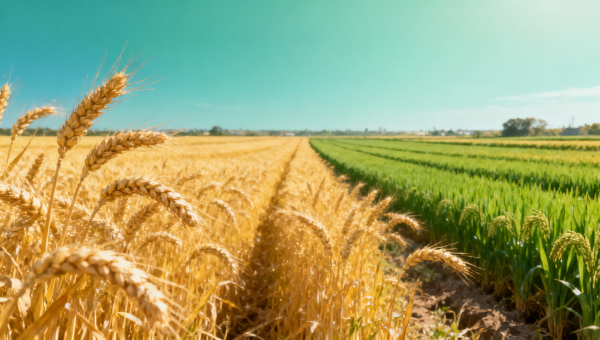
China's spring planting progress remains stable compared to last year, while the government has announced increased minimum purchase prices for wheat and early indica rice for 2026. These policy moves signal strengthened grain price stabilization mechanisms, particularly impacting international buyers assessing China's staple food exports (noodles, rice noodles, frozen staples).
Event Overview
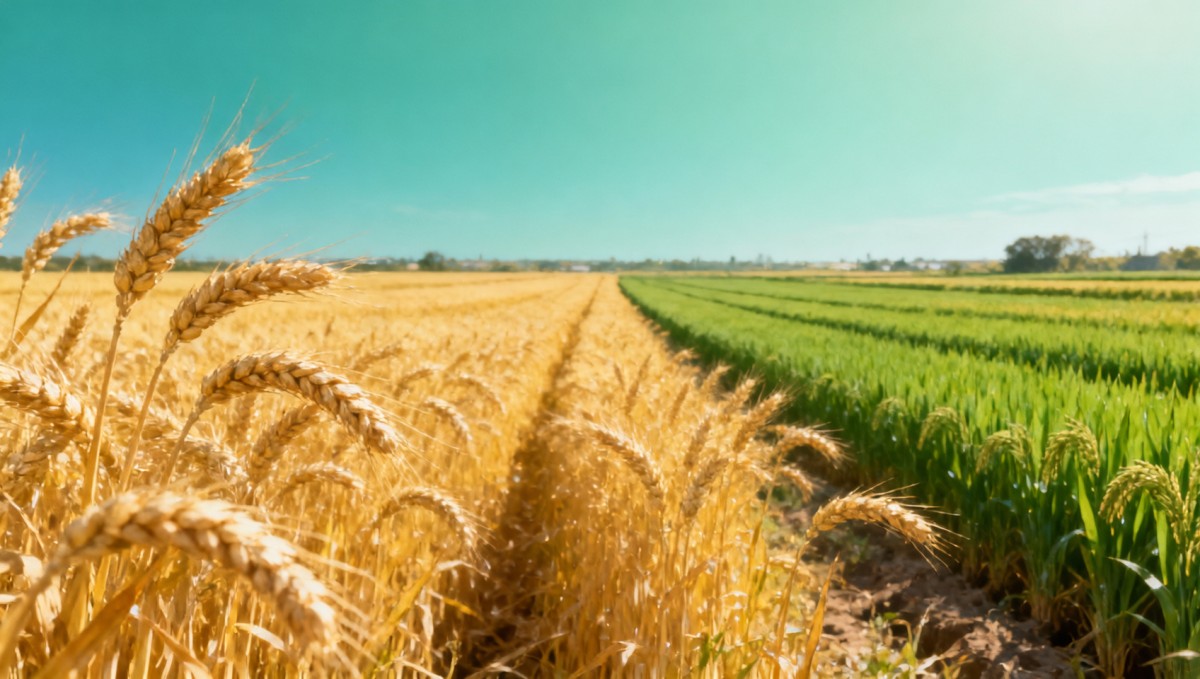
As of April 3, China's spring planting has completed 5.5% of intended acreage, matching last year's pace (Ministry of Agriculture data). The 2026 minimum purchase prices show year-on-year increases: wheat +2.3%, early indica rice +3.1%. This marks the fourth consecutive year of incremental hikes in grain price supports.
Impacted Sub-Sectors
Staple Food Exporters
Manufacturers of noodles, rice noodles, and frozen dough products gain clearer raw material cost projections. The price floor mechanism reduces volatility risks for medium-term export contracts.
Global Grain Traders
China's reinforced price supports may influence global wheat and rice benchmark expectations, particularly for Asian market buyers who cross-reference China's policy prices.
Food Processing Importers
International buyers sourcing Chinese flour or rice-based ingredients can better evaluate supply stability, though actual transaction prices may still fluctuate above support levels.
Key Action Points
Monitor Implementation Details
Track provincial-level purchasing schedules and quality standards, which ultimately determine marketable volumes.
Differentiate Policy vs. Market Prices
Minimum prices serve as safety nets - actual trading prices often reflect quality premiums and regional variations.
Assess Downstream Impacts
For flour-based product exporters, evaluate whether wheat cost increases will be absorbed or passed through supply chains.
Industry Perspective
Analysis suggests this reinforces China's "supply security first" approach rather than signaling major production shifts. The modest price increases (below 2023's 4% inflation rate) indicate calibrated market interventions. Ongoing monitoring should focus on:
- Actual planting area completion rates by June
- Quality adjustments in provincial purchasing criteria
Conclusion
These developments primarily institutionalize existing stabilization measures rather than introduce new market mechanisms. For global buyers, the key takeaway is China's continued prioritization of predictable staple food supplies, though operational flexibility remains essential given potential regional variations in policy execution.
Sources
Ministry of Agriculture and Rural Affairs (China) - April 2024 planting progress bulletin
National Development and Reform Commission - 2026 grain price policy announcement
Related Intelligence
- Grain Silos & StorageVietnam's 5% Broken Rice Export Price Rises $5/Ton Amid Middle East ConflictVietnam's 5% broken rice export price rises $5/ton to $375–380 amid Middle East conflict, impacting global importers. Explore key market shifts and strategic responses for rice trade stability.
- Grain Silos & StorageChina's Spring Planting Progress Stable, Wheat & Rice Price Floors StrengthenedChina's stable spring planting progress and raised wheat & rice price floors signal strengthened grain security. Learn how this impacts global trade, processors, and actionable strategies for industry players.
- Grain Silos & StorageCommercial grain silos: Why 2026 buyers are shifting from bolted to welded base designsCommercial grain silos with welded bases boost reliability & cut OPEX—integrate seamlessly with screw conveyor for grain, grain chain conveyor, bucket elevators wholesale, silo temperature monitoring system, and more.
The Morning Broadsheet
Daily chemical briefings, market shifts, and peer-reviewed summaries delivered to your terminal.
