
U.S. Wheat Futures Rise Amid Drought, KCBT Hard Red Winter Hits 12-Month High
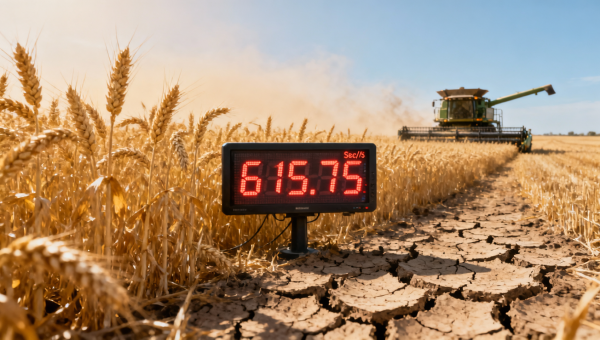
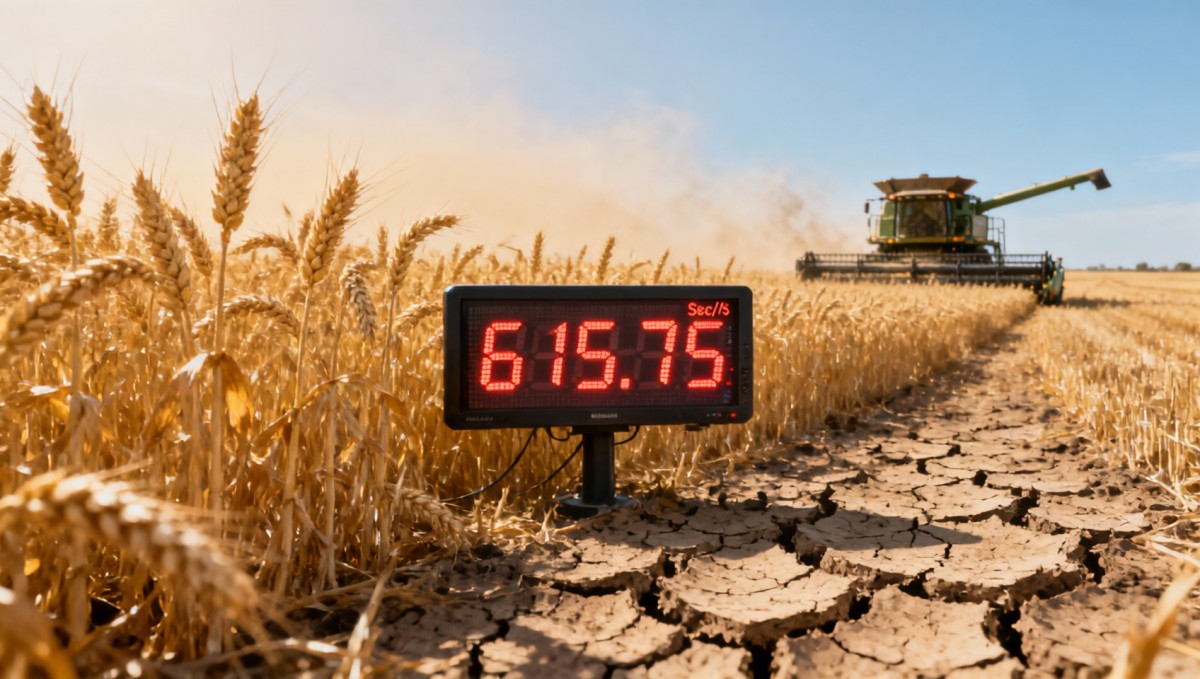
On April 2, 2026, U.S. wheat futures surged due to expanding drought conditions in the Great Plains, with KCBT hard red winter wheat reaching a 12-month high of 615.75 cents per bushel. This development is critical for global wheat importers, flour exporters, and baking ingredient suppliers, as it signals potential supply chain adjustments and pricing pressures.
Event Overview
On April 2, 2026, CBOT soft red winter wheat and KCBT hard red winter wheat futures rose by 0.75 cents and 2 cents per bushel, respectively. The latter reached 615.75 cents per bushel, marking its highest level in nearly a year. The price surge is attributed to worsening drought across the U.S. Great Plains, a key wheat-growing region. Global importers are reassessing procurement strategies, while China, a major flour exporter, faces upward pressure on high-gluten wheat flour export prices.
Impact on Key Industries
Global Wheat Importers
Import-dependent nations may face higher costs as futures prices climb. Countries relying on U.S. hard red winter wheat could see immediate budget impacts, potentially accelerating alternative sourcing.
Flour Exporters & Baking Industry
Chinese high-gluten flour exporters gain leverage for long-term contracts, while global bakeries face input cost increases. The price divergence between U.S. futures and Chinese flour creates arbitrage opportunities.
Agricultural Commodity Traders
Volatility necessitates revised hedging strategies. Traders must monitor drought progression and USDA crop reports more closely.
Actionable Insights for Businesses
Monitor Drought & Crop Reports
Track USDA's weekly crop progress reports and drought monitor maps to anticipate supply fluctuations.
Reevaluate Contract Structures
Importers should consider fixed-price long-term agreements with Chinese flour suppliers to mitigate spot market volatility.
Diversify Geographic Sourcing
Explore blended procurement strategies incorporating non-U.S. wheat origins to balance quality and cost.
Industry Perspective
Analysis suggests this price movement reflects immediate weather impacts rather than structural market changes. However, sustained drought could trigger broader supply chain adjustments. The convergence of rising U.S. futures and Chinese flour prices warrants close monitoring, as it may reshape global trade flows for milling-quality wheat.
Conclusion
While current price levels indicate short-term weather disruption, industry participants should prepare contingency plans for prolonged drought scenarios. The situation underscores the growing importance of diversified wheat sourcing and flexible procurement strategies in an era of climate volatility.
Sources
- Chicago Board of Trade (CBOT) daily futures data
- Kansas City Board of Trade (KCBT) price reports
- USDA Drought Monitor (April 1 update)
Related Intelligence
- Grain Silos & StorageVietnam's 5% Broken Rice Export Price Rises $5/Ton Amid Middle East ConflictVietnam's 5% broken rice export price rises $5/ton to $375–380 amid Middle East conflict, impacting global importers. Explore key market shifts and strategic responses for rice trade stability.
- Grain Silos & StorageChina's Spring Planting Progress Stable, Wheat & Rice Price Floors StrengthenedChina's stable spring planting progress and raised wheat & rice price floors signal strengthened grain security. Learn how this impacts global trade, processors, and actionable strategies for industry players.
- Grain Silos & StorageCommercial grain silos: Why 2026 buyers are shifting from bolted to welded base designsCommercial grain silos with welded bases boost reliability & cut OPEX—integrate seamlessly with screw conveyor for grain, grain chain conveyor, bucket elevators wholesale, silo temperature monitoring system, and more.
The Morning Broadsheet
Daily chemical briefings, market shifts, and peer-reviewed summaries delivered to your terminal.
