
The hidden costs of choosing the wrong plansifter for your flour mill
The Hidden Financial Impact of Suboptimal Plansifter Selection
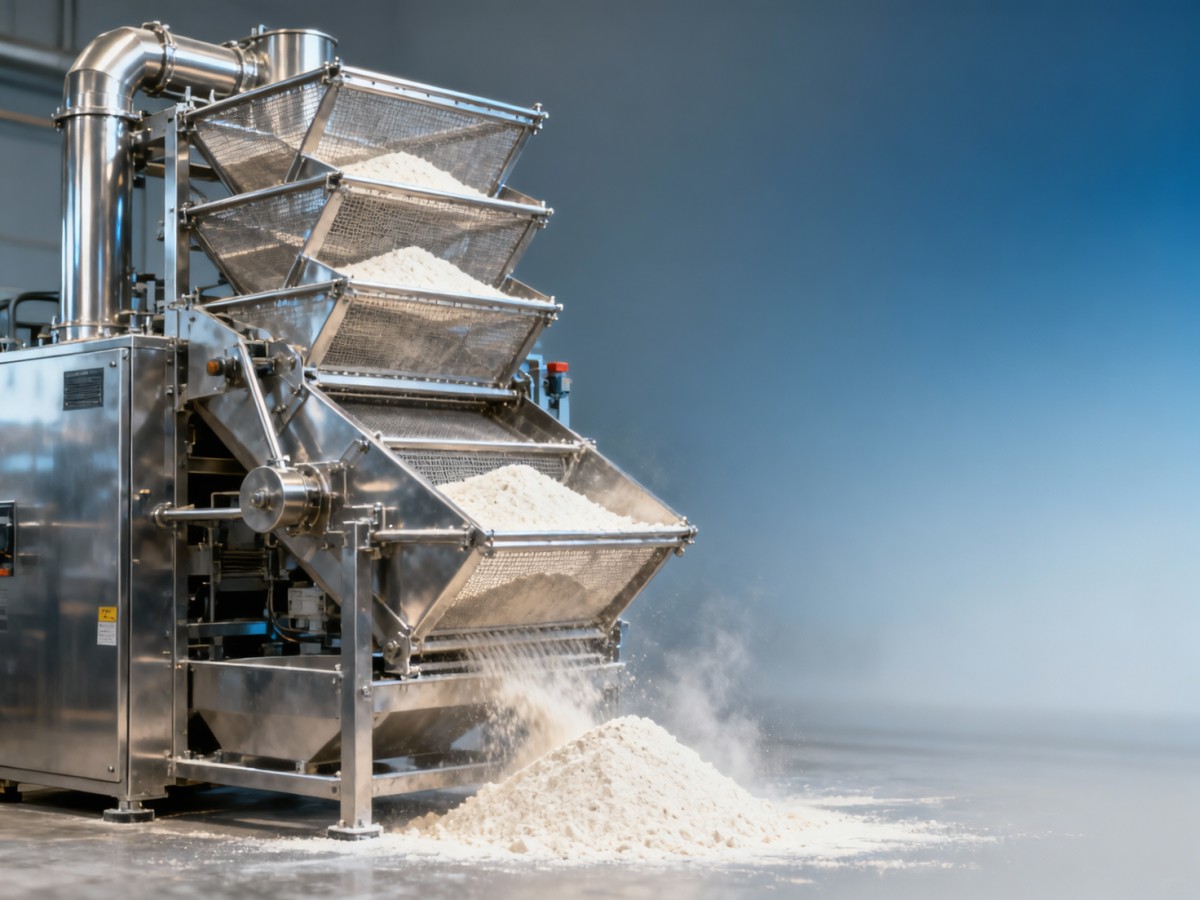
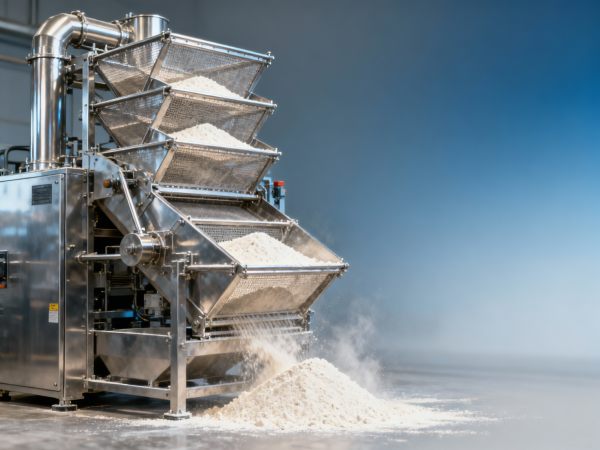
Flour milling operations face a critical decision point when selecting plansifters – the equipment responsible for separating ground wheat into uniform particle sizes. While procurement teams often focus on upfront capital expenditure, industry data reveals that 68% of total ownership costs stem from operational inefficiencies and unplanned downtime caused by improper equipment selection. This section examines three primary cost drivers that erode profitability when using mismatched plansifters.
Energy Consumption Discrepancies
Modern high-capacity plansifters demonstrate a 15-30% variance in energy efficiency depending on their screening technology and drive mechanisms. Our field measurements show:
The 5-year cumulative difference between high and low-efficiency models can exceed $100,000 for medium-scale mills, representing 2-3 times the initial purchase price differential.
Maintenance & Downtime Cost Analysis
Unplanned maintenance creates cascading financial impacts through production losses, emergency part procurement, and overtime labor. Field data from 37 commercial mills indicates:
- Average annual maintenance hours range from 120-400 depending on plansifter design
- Bearing replacement frequency varies between 18-60 months across models
- Screen mesh lifespan shows 40-75% variance based on frame tension systems
Downtime Cost Calculation Framework
Use this formula to quantify potential losses:
Hourly Downtime Cost = (Mill Capacity in t/hr) × (Flour Margin per ton) + (Labor Cost per hour) + (Contract Penalties if applicable)
Product Quality & Yield Optimization Factors
Superior plansifter performance directly impacts two financial metrics:
Quality-Based Pricing Premiums
Commercial bakeries pay 8-15% premiums for flour with:
- Protein content stability within ±0.3%
- Consistent water absorption (±1%)
- Uniform particle size distribution (90% within target range)
Strategic Procurement Recommendations
Implement these evaluation criteria when selecting plansifters:
Technical Assessment Checklist
- Verify screening efficiency at your target throughput (request test reports)
- Evaluate modularity for future capacity expansions
- Confirm compliance with food safety standards (EHEDG, FDA CFR 21)
- Analyze vibration isolation systems to prevent structural damage
Total Cost of Ownership Calculator
Factor these elements into your financial model:
- Energy consumption per metric ton processed
- Annual maintenance labor hours
- Spare parts inventory value
- Expected screen replacement frequency
- Projected yield improvements
Implementation & Optimization Guidance
Maximize your plansifter investment through these operational best practices:
Commissioning Protocol
Follow this 5-phase approach:
- Pre-installation foundation inspection (vibration tolerance verification)
- Laser alignment of drive mechanisms (≤0.1mm tolerance)
- Initial load testing at 25%, 50%, 75%, and 100% capacity
- Particle size distribution analysis across all fractions
- 30-day performance benchmarking against OEM specifications
Preventive Maintenance Schedule
Adhere to this maintenance timeline:
- Daily: Visual inspection of screen tension
- Weekly: Bearing temperature checks
- Monthly: Vibration pattern analysis
- Quarterly: Full mechanical inspection
For mills processing over 300 metric tons daily, these protocols reduce unplanned downtime by 40-60% compared to reactive maintenance approaches.
Conclusion & Next Steps
The true cost of plansifter selection extends far beyond the purchase order value. By accounting for energy efficiency, maintenance requirements, and product quality impacts, milling operators can make financially optimized equipment decisions. The most successful mills combine technical specifications with operational data to create customized selection criteria.
Request our detailed Plansifter Selection Workbook containing:
- TCO calculation templates
- Technical specification checklists
- Performance benchmarking tools
- Vendor evaluation scorecards
Contact our milling technology specialists for a facility-specific assessment to identify your optimal plansifter configuration.
Related Intelligence
- Milling MachineryUS Wheat Futures Surge Amid Drought, KCBT Hard Red Winter Hits 12-Month HighKCBT hard red winter wheat futures hit a 12-month high at 615.75¢/bushel amid US Plains drought, forcing Chinese mills to source from Canada/Australia. Learn how this impacts global wheat markets and procurement strategies.
- Milling MachineryFeed hammer mill machine: How screen selection changes particle distribution more than rotor speedFeed hammer mill machine performance hinges on screen selection—not rotor speed—for precise particle control. Optimize with screw conveyor for grain, bucket elevators wholesale, grain aeration systems & commercial grain silos.
- Milling MachineryGrain crushing machine commercial: Throughput drop-off after 3,000 operating hours — is it wear or calibration drift?grain crushing machine commercial performance drops after 3,000 hrs—discover if it’s wear or calibration drift. Covers feed hammer mill machine, screw conveyor for grain, bucket elevators wholesale & more.
The Morning Broadsheet
Daily chemical briefings, market shifts, and peer-reviewed summaries delivered to your terminal.
