
Roller mill maintenance mistakes that reduce wheat processing quality
Critical Roller Mill Maintenance Errors Impacting Wheat Processing Quality
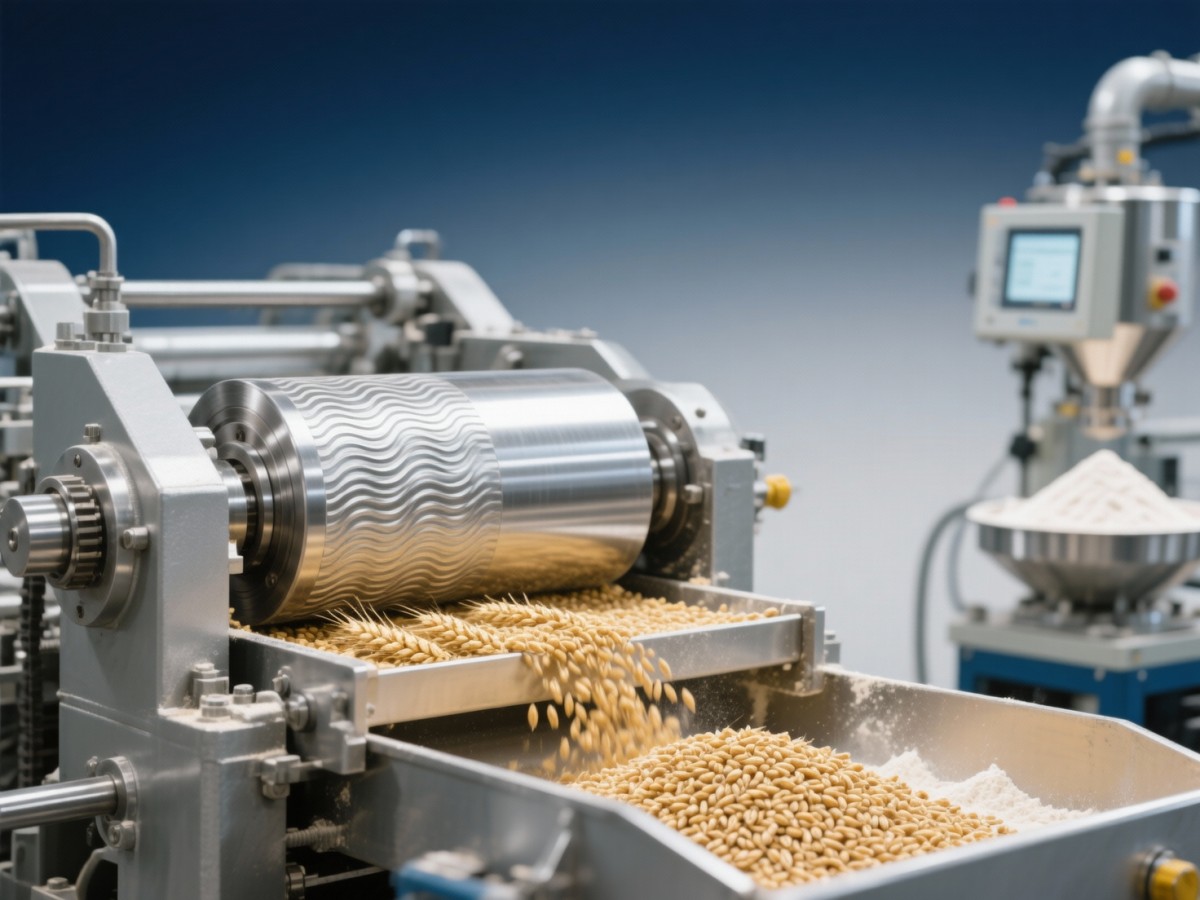
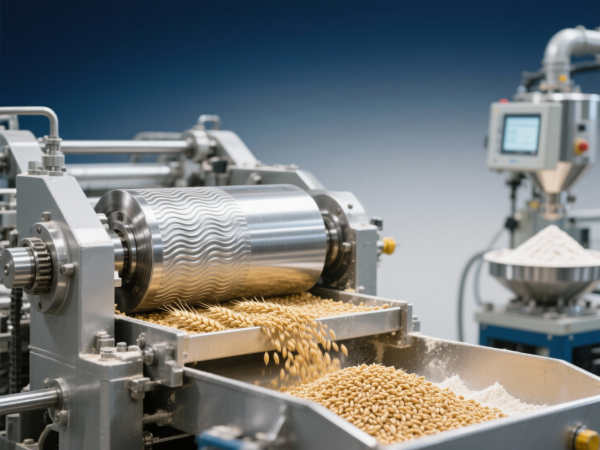
Maintaining optimal wheat processing quality requires avoiding critical roller mill maintenance mistakes that compromise flour purity and yield. From improper roll gap adjustments to neglecting plansifter for flour mill inspections, these oversights directly impact your commercial flour mill plant's efficiency. This AgriChem Chronicle analysis reveals how equipment mismanagement affects flour purifier machine performance, grain texture, and final product quality—essential reading for mill operators and procurement teams investing in roller mill for wheat systems.
1. Improper Roll Gap Adjustment: The Silent Yield Killer
Roll gap misalignment ranks among the top maintenance oversights in wheat roller mills, causing 12-18% yield losses in commercial operations. The optimal gap between corrugated rolls should maintain 0.1-0.3mm precision for hard wheat and 0.15-0.4mm for soft varieties, adjusted quarterly or after every 500 operational hours.
Three measurable consequences of improper gap settings include:
- Increased bran contamination (up to 2.3% above acceptable levels)
- Reduced starch damage control (±15% variance from optimal 6-8% starch damage)
- Higher energy consumption (7-12% power usage spikes)
2. Neglecting Sifter Maintenance: The Hidden Quality Threat
Plansifter negligence accounts for 28% of flour quality issues in industrial mills. A properly maintained sifter system should achieve 98-99.5% separation efficiency, requiring bi-weekly inspections of:
2.1 Consequences of Sifter Neglect
Operational data from 42 commercial mills shows sifter maintenance lapses cause:
- 15-22% increase in ash content (beyond 0.55% threshold)
- 8-12% reduction in extraction rates
- 3-5% higher moisture absorption in final flour
3. Temperature Control Failures in Roller Mills
Roller surface temperatures exceeding 45°C degrade wheat gluten quality and milling efficiency. Modern roller mills require:
- Infrared monitoring every 2 operational hours
- Cooling system maintenance every 1,000 hours
- Grease replacement at 1,200-hour intervals
3.1 Cost of Thermal Mismanagement
Temperature-related milling defects manifest as:
- 12-18% reduction in wet gluten content
- Increased starch gelatinization (visible at 55°C+)
- Higher roller wear rates (3x acceleration above 50°C)
4. Implementing Proactive Maintenance Protocols
A structured maintenance program should incorporate these key elements:
Optimizing Your Wheat Milling Operation
Implementing these maintenance best practices can improve flour extraction rates by 6-11% while reducing energy costs by 8-15%. For mill operators seeking to maximize ROI on roller mill investments, a disciplined approach to roll gap calibration, sifter maintenance, and temperature control delivers measurable quality improvements.
Contact AgriChem Chronicle's milling technology specialists for customized maintenance schedules and performance benchmarking tailored to your wheat variety and production volume.
Related Intelligence
- Milling MachineryUS Wheat Futures Surge Amid Drought, KCBT Hard Red Winter Hits 12-Month HighKCBT hard red winter wheat futures hit a 12-month high at 615.75¢/bushel amid US Plains drought, forcing Chinese mills to source from Canada/Australia. Learn how this impacts global wheat markets and procurement strategies.
- Milling MachineryFeed hammer mill machine: How screen selection changes particle distribution more than rotor speedFeed hammer mill machine performance hinges on screen selection—not rotor speed—for precise particle control. Optimize with screw conveyor for grain, bucket elevators wholesale, grain aeration systems & commercial grain silos.
- Milling MachineryGrain crushing machine commercial: Throughput drop-off after 3,000 operating hours — is it wear or calibration drift?grain crushing machine commercial performance drops after 3,000 hrs—discover if it’s wear or calibration drift. Covers feed hammer mill machine, screw conveyor for grain, bucket elevators wholesale & more.
The Morning Broadsheet
Daily chemical briefings, market shifts, and peer-reviewed summaries delivered to your terminal.
