
Why modern flour purifiers outperform traditional models in efficiency
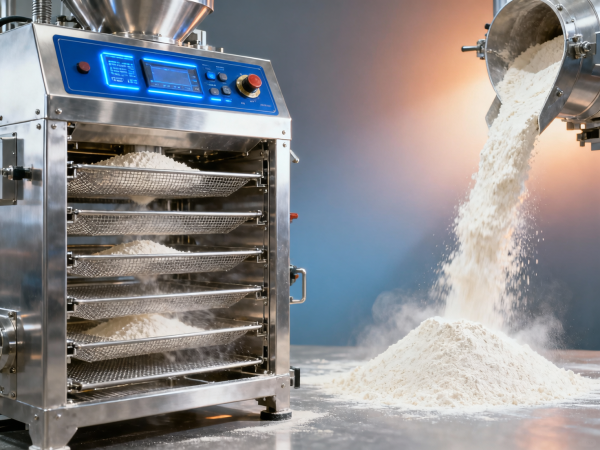
The Efficiency Revolution in Modern Flour Purification
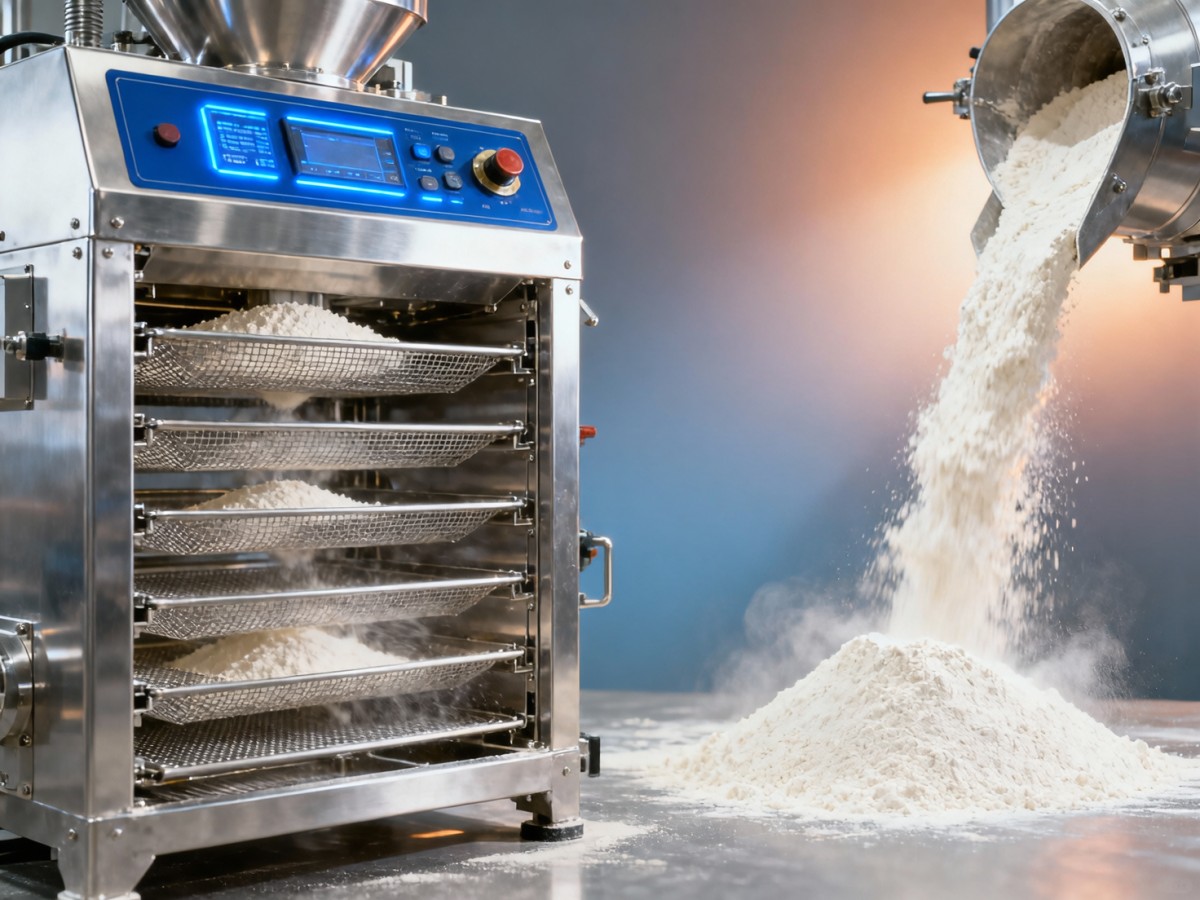
In high-capacity grain processing facilities, the shift from traditional to modern flour purifiers represents more than incremental improvement—it's a systemic transformation. Contemporary systems achieve 18–22% higher extraction rates while reducing bran contamination by 30–40% compared to legacy equipment. This performance leap stems from integrated optical sorting, AI-driven airflow control, and multi-stage separation chambers that adapt to wheat hardness variations in real-time.
Core Technological Differentiators
Modern purifiers employ three breakthrough technologies that traditional models lack:
- Variable-frequency sieving decks (50–300Hz adjustment range)
- Multi-spectral imaging for endosperm detection (95–98% accuracy)
- Self-balancing vibration systems (±0.1mm precision)
The data demonstrates how modern systems achieve superior flour quality while handling 2–3x more material with 40% less energy—critical for mills targeting ISO 22000 or FSSC 22000 certification.
Integration Advantages in Milling Systems
Contemporary purifiers don't operate in isolation—they're designed for seamless integration with:
- Bühler MDDK/MDDL roller mills (synchronized gap adjustment)
- Satake plansifters (real-time sieve monitoring)
- Robot palletizers (automated 25–50kg bag handling)
Key Integration Parameters
This interoperability reduces manual adjustment needs by 70–85% compared to standalone purifiers, creating what industry analysts call "closed-loop milling"—where every subsystem automatically compensates for upstream variations.
Total Cost of Ownership Analysis
While modern purifiers carry 15–25% higher upfront costs, their ROI becomes evident within 18–30 months through:
- Reduced maintenance intervals (600–800 operating hours between services vs. 300–400)
- Lower spare part consumption (40–50% reduction in sieve replacements)
- Decreased manpower requirements (1 operator can monitor 4–6 units simultaneously)
Five-Year Cost Projection
For a mid-sized mill processing 200 MT/day:
The cumulative savings of $297,000—combined with 2–3% higher flour yields—typically justifies the capital expenditure within two production cycles.
Implementation Considerations
Successful modernization requires addressing three critical factors:
- Space Planning: Modern units require 15–20% less floor space but need overhead clearance for maintenance (minimum 2.5m)
- Utility Upgrades: Most installations require 380–480V power and 6–8 bar compressed air lines
- Staff Training: Operators need 40–60 hours of specialized training on HMI interfaces and predictive maintenance protocols
Phased Retrofit Approach
For mills avoiding full shutdowns:
- Phase 1: Install one modern purifier parallel to existing lines (4–6 weeks)
- Phase 2: Gradually shift production load (2–3 weeks monitoring)
- Phase 3: Decommission legacy units (1–2 weeks per line)
Conclusion: The Strategic Imperative
In an era where flour mills face simultaneous pressure to increase output (by 3–5% annually) while reducing energy consumption (by 2–3% yearly), modern purifiers deliver measurable competitive advantages. Their ability to maintain 99.2–99.5% uptime while adapting to varying wheat quality makes them indispensable for mills supplying industrial bakeries, pasta manufacturers, and institutional food services.
For procurement teams evaluating capital investments, the decision transcends equipment selection—it's about future-proofing milling operations against volatile commodity markets and tightening food safety regulations. Contact our grain processing specialists to analyze your specific throughput requirements and develop a transition roadmap with measurable ROI targets.
Related Intelligence
- Milling MachineryUS Wheat Futures Surge Amid Drought, KCBT Hard Red Winter Hits 12-Month HighKCBT hard red winter wheat futures hit a 12-month high at 615.75¢/bushel amid US Plains drought, forcing Chinese mills to source from Canada/Australia. Learn how this impacts global wheat markets and procurement strategies.
- Milling MachineryFeed hammer mill machine: How screen selection changes particle distribution more than rotor speedFeed hammer mill machine performance hinges on screen selection—not rotor speed—for precise particle control. Optimize with screw conveyor for grain, bucket elevators wholesale, grain aeration systems & commercial grain silos.
- Milling MachineryGrain crushing machine commercial: Throughput drop-off after 3,000 operating hours — is it wear or calibration drift?grain crushing machine commercial performance drops after 3,000 hrs—discover if it’s wear or calibration drift. Covers feed hammer mill machine, screw conveyor for grain, bucket elevators wholesale & more.
The Morning Broadsheet
Daily chemical briefings, market shifts, and peer-reviewed summaries delivered to your terminal.
