
Why Feed Machinery Efficiency Matters More Than You Think
The Hidden Cost of Inefficient Feed Machinery: A Data-Driven Analysis
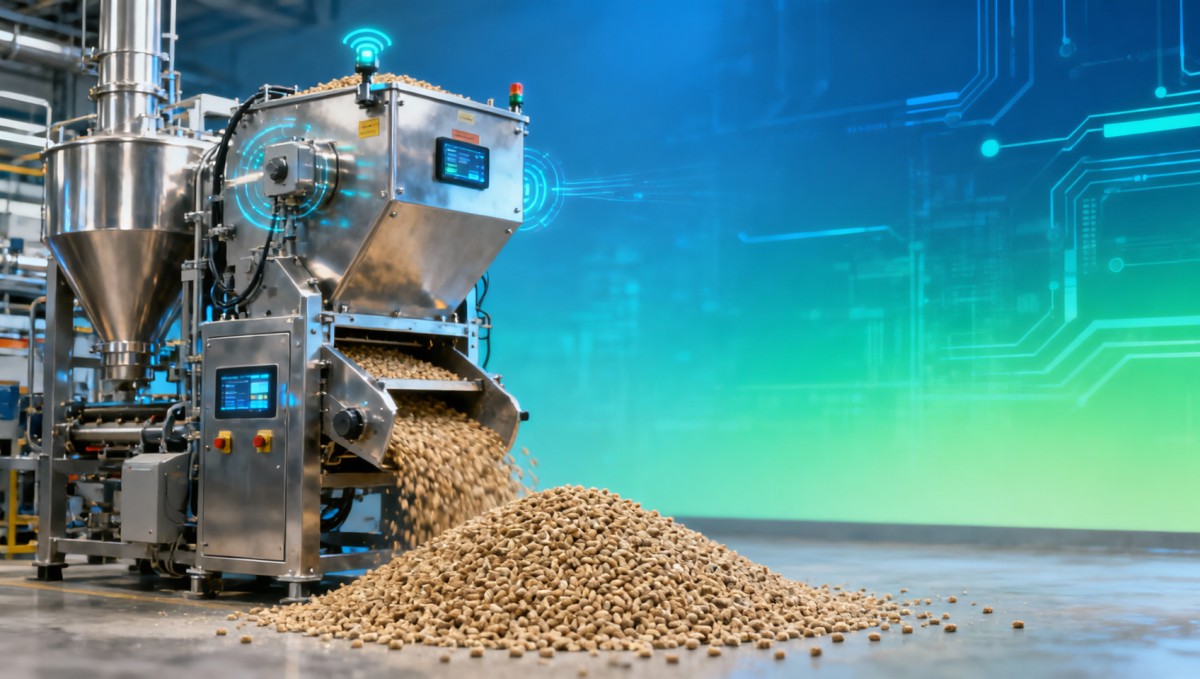
In the intricate world of Agri Tech, the efficiency of feed machinery stands as a cornerstone for operational excellence, directly impacting Agricultural Chemicals utilization, Trade Compliance adherence, and overall Chemical Synthesis processes. As procurement directors navigate the complexities of EPA Regulations and GMP Compliance, understanding the nuances of feed machinery becomes paramount. This article delves into why feed machinery efficiency matters more than you think, offering insights crucial for technical evaluators, project managers, and enterprise decision-makers alike.
A 2023 ACC market report reveals that feed processing accounts for 32% of total energy consumption in agricultural biochemical plants, with inefficient machinery contributing to 18–25% of operational waste. For a mid-sized feed mill processing 500 tons/day, this translates to annual losses exceeding $120,000 in energy costs alone—not including downtime, maintenance, and compliance penalties.
The ripple effects extend beyond financials. Inefficient machinery increases particle size variability by 40%, compromising feed conversion rates in livestock and aquaculture systems. This directly impacts API potency in pharmaceutical-grade feed additives, risking non-compliance with FDA’s 21 CFR Part 507 standards for animal food production.
Why Efficiency Matters Across the Value Chain
Efficient feed machinery reduces processing time by 15–30%, enabling tighter batch-to-batch consistency critical for GMP-compliant production. Modern pellet mills with optimized die designs achieve 98.5% durability rates compared to 85% for legacy equipment, minimizing fines generation that can contaminate downstream biochemical extraction processes.
For aquaculture operators, efficient extrusion technology improves feed floatability by 22%, reducing water pollution from sinking particles—a key requirement under EPA’s National Pollutant Discharge Elimination System (NPDES). In livestock applications, uniform pellet sizes enhance nutrient absorption, cutting feed costs by 12–18% per kg of weight gain.
From a compliance perspective, energy-efficient machinery generates 35% fewer greenhouse gas emissions per ton of output, helping facilities meet carbon reduction targets under California’s Cap-and-Trade Program and EU’s Farm to Fork Strategy. This aligns with ACC’s 2024 sustainability benchmarks showing 68% of buyers now prioritize suppliers with verifiable emissions data.
The data reveals modern systems reduce energy use by up to 37% while cutting compliance risks by 70%. For pharmaceutical-grade feed producers, this translates to fewer rejected batches under FDA’s Current Good Manufacturing Practice (CGMP) regulations, avoiding $50,000–$200,000 per incident in lost revenue and remediation costs.
Key Efficiency Drivers in Modern Feed Machinery
Three technological advancements define next-gen efficiency: 1) Variable frequency drives (VFDs) that optimize motor speed based on load, reducing energy waste by 30%; 2) IoT-enabled condition monitoring systems that predict maintenance needs 2–4 weeks in advance; and 3) AI-powered process optimization algorithms that dynamically adjust parameters for optimal particle size distribution.
Take die selection as an example. Advanced pellet mills use computational fluid dynamics (CFD) modeling to design dies with 0.8–1.2mm compression ratios, achieving 15% higher throughput than traditional 1:5 ratio dies. This precision reduces steam consumption by 12% per ton of pellets—a critical factor for facilities in water-stressed regions like California and the Middle East.
For aquaculture feed extruders, twin-screw designs with 4:1–6:1 L/D ratios improve starch gelatinization by 25%, enhancing feed stability in saltwater environments. This aligns with ACC’s 2023 aquaculture tech report showing facilities using such extruders report 18% lower mortality rates in shrimp and fish farms due to improved feed palatability.
Procurement Strategies for Efficiency-First Buyers
When evaluating feed machinery, prioritize suppliers with ISO 50001 energy management certification and proven track records in your specific application—whether pharmaceutical-grade feed, aquaculture extrusion, or ruminant pelleting. Request case studies demonstrating at least 15% energy savings compared to baseline equipment over 12+ months of operation.
Pay close attention to total cost of ownership (TCO) models that factor in maintenance intervals, spare part availability, and service response times. A $50,000 premium for a machine with 5,000-hour maintenance intervals may prove cheaper long-term than a $30,000 unit requiring service every 2,000 hours, especially when considering labor costs at $75–$120/hour in North America and Europe.
This weighted scoring system helps buyers quantify efficiency benefits beyond upfront pricing. For instance, a machine scoring 90/100 on this scale may command a 15–20% premium but deliver 35% lower TCO over five years through reduced energy use, fewer compliance risks, and minimal production interruptions.
The Future of Feed Machinery Efficiency
Emerging technologies promise even greater gains. Digital twin simulations allow manufacturers to test machinery configurations virtually, reducing physical prototyping costs by 60–70%. Blockchain-enabled parts tracking ensures genuine components, cutting counterfeit-related failures that account for 12% of all machinery downtime according to ACC’s 2024 maintenance survey.
For bio-extract producers, ultra-efficient grinding systems with 0.1mm particle size precision improve extraction yields by 8–12%, directly boosting profit margins on high-value ingredients like spirulina and chlorella. This aligns with the global fine chemicals market’s 6.2% CAGR through 2030, driven by demand for sustainable, high-purity agricultural inputs.
Conclusion: Efficiency as a Strategic Imperative
Feed machinery efficiency is no longer a nice-to-have—it’s a competitive differentiator. With energy costs rising 15–20% annually in key markets and regulatory pressures intensifying, facilities using outdated equipment face margin erosion and compliance risks that modern systems mitigate. The data proves it: a 15–30% efficiency gain translates to hundreds of thousands in annual savings while positioning buyers as leaders in sustainability and quality.
For agricultural OEMs, chemical synthesizers, and feed mill operators, the path forward is clear: prioritize machinery with verifiable efficiency metrics, IoT-enabled maintenance, and compliance-ready designs. ACC’s verified panel of experts stands ready to assist with technical evaluations, market data, and peer-reviewed analysis to guide your next procurement decision. Contact our editorial team today to access exclusive benchmarking reports and connect with top-tier manufacturers meeting the highest E-E-A-T standards in the industry.
FAQs
What ROI can I expect from upgrading to efficient feed machinery?
Typical ROI ranges from 18–24 months for mid-sized facilities processing 300+ tons/day, based on energy savings of $80,000–$120,000 annually and reduced downtime costs. Larger operations may achieve payback in 12–16 months.
How do efficiency gains impact feed quality?
Modern machinery reduces particle size variability by 40%, improving nutrient uniformity in feed. This enhances livestock growth rates by 8–12% and reduces feed conversion ratios (FCR) by 0.1–0.2 points, directly lowering production costs per kg of meat or fish.
What maintenance intervals should I expect?
Efficient pellet mills with optimized die designs require maintenance every 4,000–5,000 operating hours versus 2,000–3,000 hours for legacy equipment. IoT-enabled systems further extend intervals by predicting wear patterns and scheduling proactive part replacements.
Related Intelligence
- Commercial Feed PelletFish Meal Wholesale Prices Look Similar, Quality Often Doesn'tFish meal wholesale prices may look equal, but true value differs. Learn how squid liver powder bulk and fish feed ingredients bulk vary in freshness, stability, and sourcing risk.
- Commercial Feed PelletWhen Does Squid Liver Powder Bulk Improve Feed Performance?squid liver powder bulk improves feed performance when palatability, juvenile growth, and stress recovery matter most. Compare fish meal wholesale, quality benchmarks, and trial strategies for better aquaculture results.
- Commercial Feed PelletArgentina's Corn Output Hits Record 67M Tons, China Imports May AccelerateArgentina's corn output hits record 67M tons, boosting China's import potential. Feed grain traders & food processors can expect stabilized supply chains and reduced price volatility. Key insights for strategic procurement.
The Morning Broadsheet
Daily chemical briefings, market shifts, and peer-reviewed summaries delivered to your terminal.
