
Liangzhilong 2026 Food Exhibition: Smart Packaging Lines for Pre-made Dishes Become Hotspot in Southeast Asia, Chinese Equipment Suppliers Reduce Order Cycle to 25 Days
Liangzhilong 2026 Food Exhibition: Smart Packaging Lines for Pre-made Dishes Become Hotspot in Southeast Asia, Chinese Equipment Suppliers Reduce Order Cycle to 25 Days
Introduction
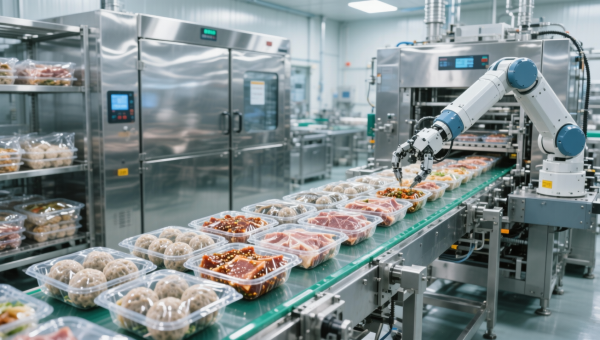
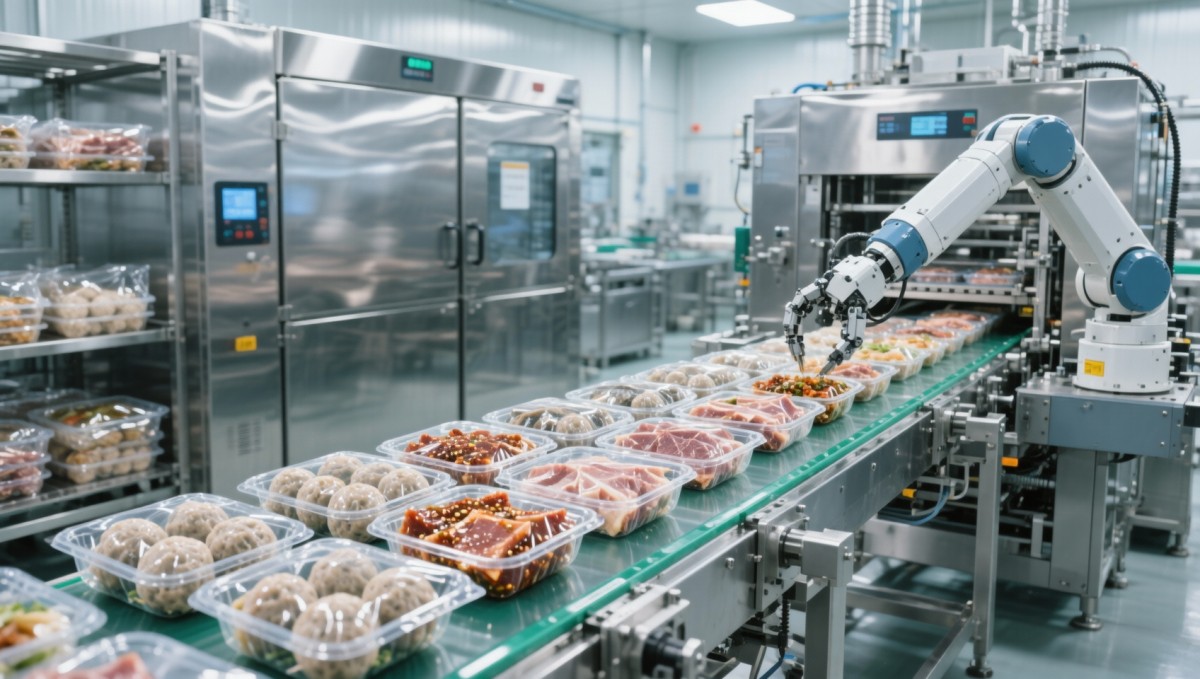
On March 28, 2026, at the Liangzhilong Food Exhibition in Chengdu, smart vacuum packaging and modified atmosphere packaging (MAP) lines designed for pre-made dishes like ready-to-eat fish balls and seasoned meat slices became a focal point for buyers from Thailand, Vietnam, and Malaysia. Over 210 million RMB in tentative orders were placed on-site. Notably, Chinese equipment suppliers have reduced delivery cycles to 25 days—a 35% decrease compared to 2025—prompting Southeast Asian clients to integrate Chinese machinery into their pre-made dish factory EPC (Engineering, Procurement, Construction) projects. This development highlights the growing competitiveness of China's food processing equipment industry and its impact on the global pre-made dish supply chain. Businesses in food processing, equipment manufacturing, and international trade should take note of these shifts.
Event Overview
On March 28, 2026, the Liangzhilong Food Exhibition in Chengdu showcased advanced packaging solutions tailored for pre-made dishes. Key highlights included smart vacuum packaging and MAP lines, which attracted significant attention from Southeast Asian buyers. The exhibition resulted in tentative orders exceeding 210 million RMB. A critical factor driving this demand was the reduced delivery cycle of 25 days, down from the 2025 average of 38 days. This efficiency improvement has led Southeast Asian companies to include Chinese equipment in their pre-made dish factory EPC contracts.
Impact on Key Industries
1. Food Processing Equipment Manufacturers
The shortened delivery cycle and increased demand from Southeast Asia present both opportunities and challenges for Chinese equipment manufacturers. Companies must scale production capacity while maintaining quality to meet the surge in orders. Additionally, adapting equipment to meet regional food safety standards will be crucial.
2. Pre-made Dish Producers
Southeast Asian pre-made dish manufacturers are likely to benefit from faster equipment deployment, enabling quicker market entry. However, competition may intensify as more players adopt advanced packaging technologies. Producers should evaluate partnerships with Chinese equipment suppliers to stay competitive.
3. International Trade and Logistics
The reduced delivery cycle suggests improvements in cross-border logistics and supply chain coordination. Trade intermediaries and logistics providers should prepare for increased demand in equipment exports to Southeast Asia, potentially requiring streamlined customs processes and localized support services.
Key Considerations for Businesses
1. Monitor Delivery and Supply Chain Efficiency
Companies should track how Chinese equipment suppliers maintain their 25-day delivery cycle. This could involve lean manufacturing practices or localized warehousing in Southeast Asia.
2. Assess Regional Market Demand
Focus on specific pre-made dish categories (e.g., seafood, meat) driving equipment purchases in Thailand, Vietnam, and Malaysia. Tailoring solutions to these niches could yield higher returns.
3. Evaluate EPC Integration Opportunities
With Southeast Asian clients incorporating Chinese equipment into turnkey projects, equipment manufacturers should explore partnerships with EPC contractors to secure larger, long-term contracts.
Editorial Perspective
From an industry standpoint, this development signals China's growing influence in the global pre-made dish supply chain. The 25-day delivery cycle sets a new benchmark, potentially pressuring competitors in Japan and Europe to accelerate their own timelines. While the exhibition results are promising, sustained demand will depend on post-installation performance and after-sales support. Businesses should view this as an early indicator of shifting dynamics rather than a settled trend.
Conclusion
The Liangzhilong exhibition underscores the rising demand for efficient, high-quality packaging solutions in the pre-made dish sector, particularly in Southeast Asia. Chinese equipment suppliers have demonstrated notable improvements in delivery speed, making them attractive partners for international buyers. For now, the industry should interpret this as a competitive shift with tangible near-term opportunities, but long-term success will hinge on consistent performance and adaptability to regional needs.
Source Information
Primary source: Liangzhilong 2026 Food Exhibition official reports (March 28, 2026). Ongoing monitoring is recommended to verify sustained order volumes and equipment performance post-delivery.
Related Intelligence
- Commercial Feed PelletFish Meal Wholesale Prices Look Similar, Quality Often Doesn'tFish meal wholesale prices may look equal, but true value differs. Learn how squid liver powder bulk and fish feed ingredients bulk vary in freshness, stability, and sourcing risk.
- Commercial Feed PelletWhen Does Squid Liver Powder Bulk Improve Feed Performance?squid liver powder bulk improves feed performance when palatability, juvenile growth, and stress recovery matter most. Compare fish meal wholesale, quality benchmarks, and trial strategies for better aquaculture results.
- Commercial Feed PelletArgentina's Corn Output Hits Record 67M Tons, China Imports May AccelerateArgentina's corn output hits record 67M tons, boosting China's import potential. Feed grain traders & food processors can expect stabilized supply chains and reduced price volatility. Key insights for strategic procurement.
The Morning Broadsheet
Daily chemical briefings, market shifts, and peer-reviewed summaries delivered to your terminal.
