

The Authority in Global Agricultural Chemistry & Bio-Resources
Grass forage chopper settings that improve cut consistency
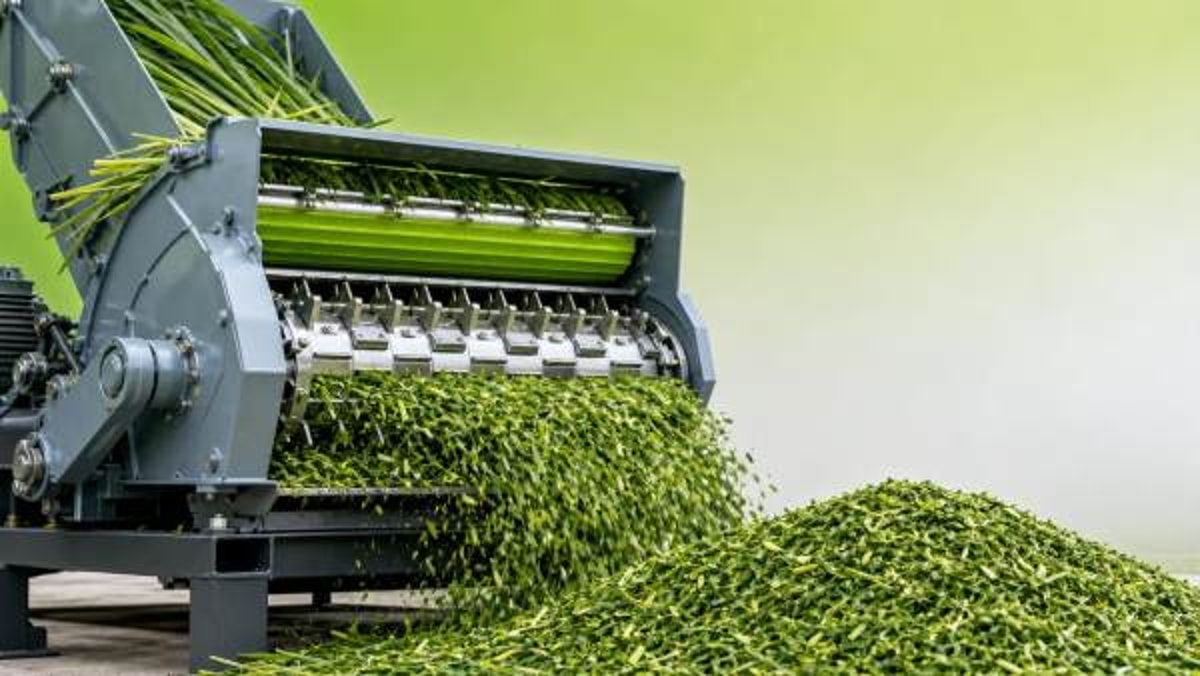
Achieving uniform chop length starts with the right grass forage chopper setup. For operators, small changes to knife sharpness, feed roll pressure, drum speed, and crop moisture can make a noticeable difference in cut consistency, fuel use, and downstream feed quality. This guide explains the key settings that help reduce uneven cuts, improve machine performance, and support more efficient forage processing in daily field operations.
What cut consistency means in grass forage chopping
For operators, cut consistency is more than a visual quality issue. In a grass forage chopper, consistent particle length affects wagon loading, packing density in silage pits, fermentation behavior, ration mixing, and even animal intake. When chop length varies too widely, fines can accumulate in one part of the load while long strands remain in another. That unevenness can reduce bunker stability, complicate feedout, and create avoidable wear on downstream equipment.
A well-adjusted grass forage chopper does not simply cut short. It cuts predictably. That means the machine is processing the crop at a stable rate, knives are shearing cleanly, and the crop flow remains controlled from header intake to discharge. Operators who focus on stable settings usually see better throughput, lower recutting losses, and more repeatable forage quality across fields and harvest windows.
Why the industry pays close attention to chopper settings
Across modern primary industries, operating precision has become a competitive issue rather than just a maintenance concern. In feed and grain processing, forage preparation directly influences storage outcomes and livestock performance. In agricultural machinery operations, fuel cost, labor efficiency, and machine uptime are tightly linked to how well equipment is set before and during harvest. For this reason, the grass forage chopper has become a practical focus point for operators, contractors, and farm managers.
Specialized trade publications and technical journals increasingly emphasize measurable machine setup because field conditions are less predictable than before. Weather swings can change moisture within a day. Crop maturity may differ between neighboring plots. Operators are expected to maintain output quality while meeting tighter economic and environmental expectations. In that context, correct grass forage chopper settings support both operational control and more reliable forage management.
Core settings that most strongly affect cut quality
Several adjustments work together to determine whether a grass forage chopper produces smooth, even material or an inconsistent stream of chopped forage. Operators should treat them as an interdependent system rather than isolated controls.
Knife sharpness and knife-to-shear bar clearance
Sharp knives create a cleaner shearing action, especially in leafy or wet grass. Dull knives tear material instead of slicing it, which increases variation in chop length and raises power demand. Equally important is the clearance between the knife edge and the shear bar. If that gap grows too large, the crop may bend or drag before cutting. The result is often ragged material, more fines, and reduced consistency across the load.
Feed roll pressure and feed roll speed
Feed rolls control how uniformly the crop enters the cutting unit. Too little pressure can allow slippage, especially in light or uneven windrows. Too much pressure may compress wet material excessively and create feeding surges. Correct feed roll speed helps match crop flow to drum or flywheel capacity. Stable intake is one of the most important conditions for a grass forage chopper to maintain repeatable cut length.
Drum speed or cutterhead speed
A cutterhead running below its intended operating range may lose cutting efficiency and produce a less even chop. Excessive speed, however, can increase wear, heat, and fuel consumption without improving the result. Operators should follow manufacturer guidance and then fine-tune within the approved range according to crop density and moisture. In most cases, steady speed matters more than chasing the highest possible setting.
Crop moisture and maturity
No grass forage chopper can perform consistently if crop condition is ignored. Young, lush grass behaves very differently from mature, fibrous forage. Wet material may smear and pack; dry material may shatter and create fines. When moisture changes, operators often need to adjust feed rate, knife condition checks, and sometimes target chop length to keep the output uniform.
Operational overview of settings and field effects
The table below gives operators a practical reference for how key settings influence the behavior of a grass forage chopper during daily work.
Application value for different operating environments
Not every operator uses a grass forage chopper in the same way. Machine setup priorities shift depending on field size, transport method, and the final forage objective. Understanding those differences helps crews avoid generic settings that perform poorly under real conditions.
Practical setup sequence before entering the field
A reliable grass forage chopper setup routine should be repeatable and fast. Operators do not need to overcomplicate the process, but they should check the same critical points every time. A disciplined routine reduces the chance of carrying poor settings from one crop condition into another.
- Inspect knives for edge quality, damage, and even wear across the set.
- Confirm shear bar condition and reset clearance to the recommended range.
- Check feed rolls for alignment, grip surface condition, and pressure response.
- Verify cutterhead speed under load rather than only at idle.
- Evaluate crop moisture and windrow uniformity before locking in final settings.
- Sample chopped material early and adjust before full-scale harvesting begins.
This sequence is especially useful when operators change fields quickly. Many cut inconsistency problems begin in the first hour of work, when the machine is technically functioning but not yet matched to actual crop behavior.
Common causes of uneven chop during operation
Even a well-prepared grass forage chopper can begin producing variable output once harvest pressure rises. Uneven chop often appears when one of several common operating problems develops:
- Windrows become denser or wetter than expected, overloading the feed system.
- Knife sharpness declines faster in abrasive conditions.
- Ground speed increases beyond what the intake system can handle smoothly.
- Operators attempt to compensate for lost output by pushing the machine harder instead of resetting the machine.
- Crop transitions within the same field are not reflected in feed or speed adjustments.
The solution is usually not a single dramatic change. Instead, operators should monitor sample quality, listen for changes in machine load, and make small corrections in feed rate or travel speed before the problem escalates.
How consistent chopping supports downstream forage quality
The value of a correctly adjusted grass forage chopper extends well beyond the field. Uniform material packs more predictably in storage, which helps limit trapped oxygen and supports more stable fermentation. During feedout, evenly chopped forage flows better through handling systems and mixes more uniformly in total mixed rations. For operators serving dairy, beef, or mixed livestock units, that consistency can reduce sorting and improve feed management discipline.
There is also a maintenance dimension. When output is more uniform, wagons, elevators, and mixing equipment are exposed to fewer sudden surges of long material or dense clumps. That smoother flow lowers stress across the entire processing chain. In practical terms, better grass forage chopper settings can support not only forage quality but broader equipment reliability.
Operator-focused recommendations for daily use
For most users, the best results come from disciplined observation rather than constant adjustment. A grass forage chopper should be set deliberately, checked early, and then monitored with purpose throughout the shift. Operators can improve results by keeping a simple record of crop condition, target chop length, knife service interval, and the setting changes that worked best in each field. Over time, this creates a practical operating reference that is often more useful than relying on memory alone.
It is also wise to coordinate machine setup with the broader harvest team. Windrow formation, transport timing, and storage preparation all influence whether the machine can maintain a steady working pattern. Cut consistency is easiest to achieve when the full forage chain supports stable flow from mowing to packing.
Final takeaway
A grass forage chopper performs best when operators view cut quality as a system outcome shaped by knives, shear bar clearance, feed control, speed stability, and crop condition. Small setup decisions have large practical consequences for fuel efficiency, forage uniformity, and downstream feed handling. By using a consistent pre-field routine, sampling chopped material regularly, and adjusting carefully as crop conditions shift, operators can achieve more reliable cut consistency without unnecessary machine stress. For teams seeking stronger field performance and better forage results, refining grass forage chopper settings is one of the most direct and valuable improvements available.
Related Intelligence
- Commercial Feed PelletEU New Aquafeed Stability Rules Take Effect May 2026EU aquafeed stability rules take effect May 2026: microbial stability reports & aging test data now mandatory for all imported commercial feed pellets.
- Commercial Feed PelletGrass forage chopper settings that improve cut consistencyGrass forage chopper settings can make or break cut consistency. Learn how knife sharpness, feed rolls, speed, and moisture adjustments improve forage quality and field efficiency.
- Commercial Feed PelletGrass forage chopper settings that improve cut consistencyGrass forage chopper settings can make or break cut consistency. Learn how knife sharpness, feed rolls, speed, and moisture adjustments improve forage quality and field efficiency.
The Morning Broadsheet
Daily chemical briefings, market shifts, and peer-reviewed summaries delivered to your terminal.
