

The Authority in Global Agricultural Chemistry & Bio-Resources
Round baler machine pickup width vs field efficiency
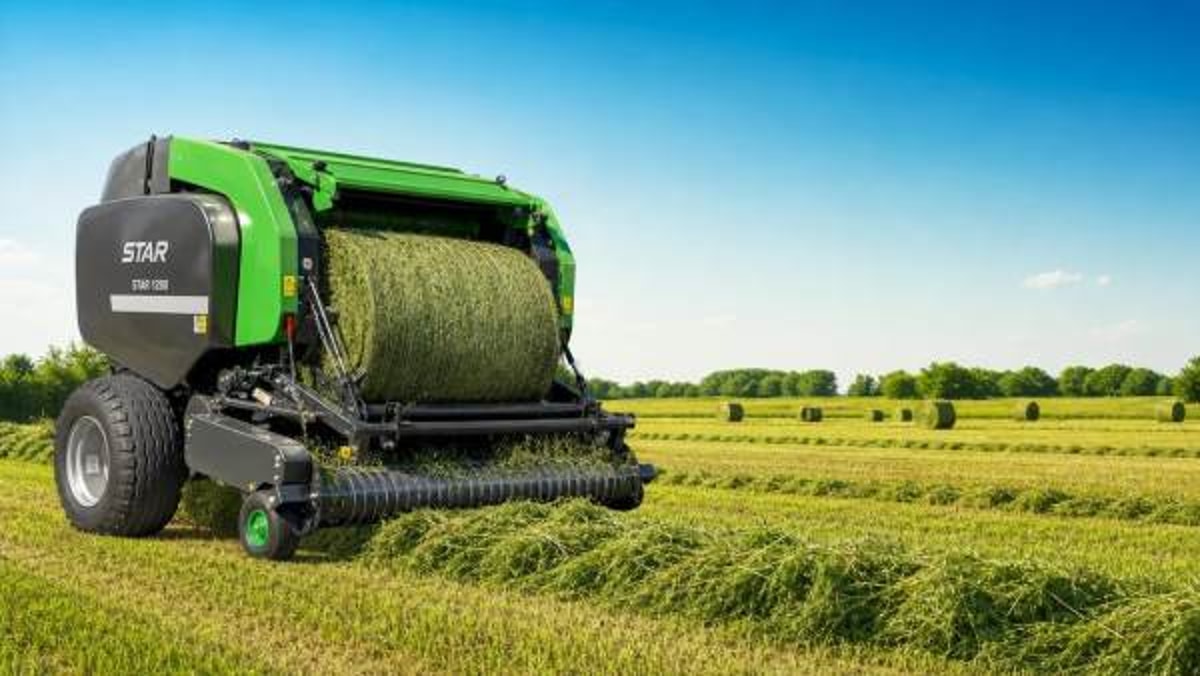
For operators focused on faster baling and cleaner crop intake, round baler machine pickup width can directly influence field efficiency, fuel use, and bale consistency. A wider pickup may reduce missed material and passes, but the best choice depends on windrow size, terrain, tractor power, and crop conditions. This article explains how pickup width affects real-world performance and what users should evaluate before selecting a machine.
A checklist approach matters here because pickup width is often judged too quickly. Many buyers assume that a wider round baler machine is automatically better, yet field efficiency depends on the full working system: windrow formation, travel speed, turning space, crop volume, and the operator’s ability to feed the baler evenly. Looking at width alone can lead to underused capacity, poor bale shape, or unnecessary fuel consumption. A practical decision starts with key checks, not marketing numbers.
Start Here: The First Checks Before Comparing Pickup Width
Before comparing one round baler machine against another, operators should confirm the conditions that determine whether pickup width will deliver a real field advantage. These checks help separate a productive match from a specification that looks good on paper but creates inefficiency in daily work.
- Measure typical windrow width, not just crop yield. If windrows are narrow and consistent, a very wide pickup may provide little gain. If windrows are broad, uneven, or shifted by raking conditions, more width can reduce crop loss and missed edges.
- Check average crop type and density. Dry hay, straw, silage, and heavy forage behave differently at the pickup. A round baler machine handling bulky, wet material may need a wider and better-fed pickup to avoid bunching and uneven intake.
- Review field shape and headland room. Wide pickups can improve straight-line collection, but irregular fields with tight turns may reduce the practical advantage if the operator spends too much time repositioning.
- Confirm tractor power and hydraulic capability. A wider pickup alone does not always require much more power, but the total machine capacity usually rises with chamber demand, rotor load, and throughput expectation.
- Look at your target ground speed. If you want faster baling, width must be matched with feeding capacity, bale formation speed, and reliable crop flow. Otherwise, the wider pickup simply shifts the bottleneck further into the machine.
- Assess operator skill and visibility. Efficient pickup use depends on how well the operator can track the windrow and maintain even feed across the bale chamber.
How Pickup Width Changes Real Field Efficiency
Pickup width affects field efficiency in several direct ways. First, a wider round baler machine can capture more crop when windrows are not perfectly centered. This reduces the need for corrective steering and can help maintain a smoother travel pattern. Second, wider intake can lower the number of partial misses at the windrow edge, which is especially useful in light or scattered material.
Third, pickup width influences pass efficiency. When raking creates wider windrows, a machine with insufficient pickup width may force operators to slow down or take a less direct path to avoid leaving material behind. That costs time over a full day. In contrast, an appropriately sized pickup supports a more stable working rhythm, which often improves hourly output more than raw top speed does.
However, field efficiency is not only about collecting more crop per pass. It also includes reduced plugging, fewer stops, more consistent bale density, and less driver fatigue. A round baler machine that matches pickup width to actual crop presentation often performs better than an oversized unit that cannot maintain smooth feeding under local conditions.
Core Evaluation Checklist for a Round Baler Machine
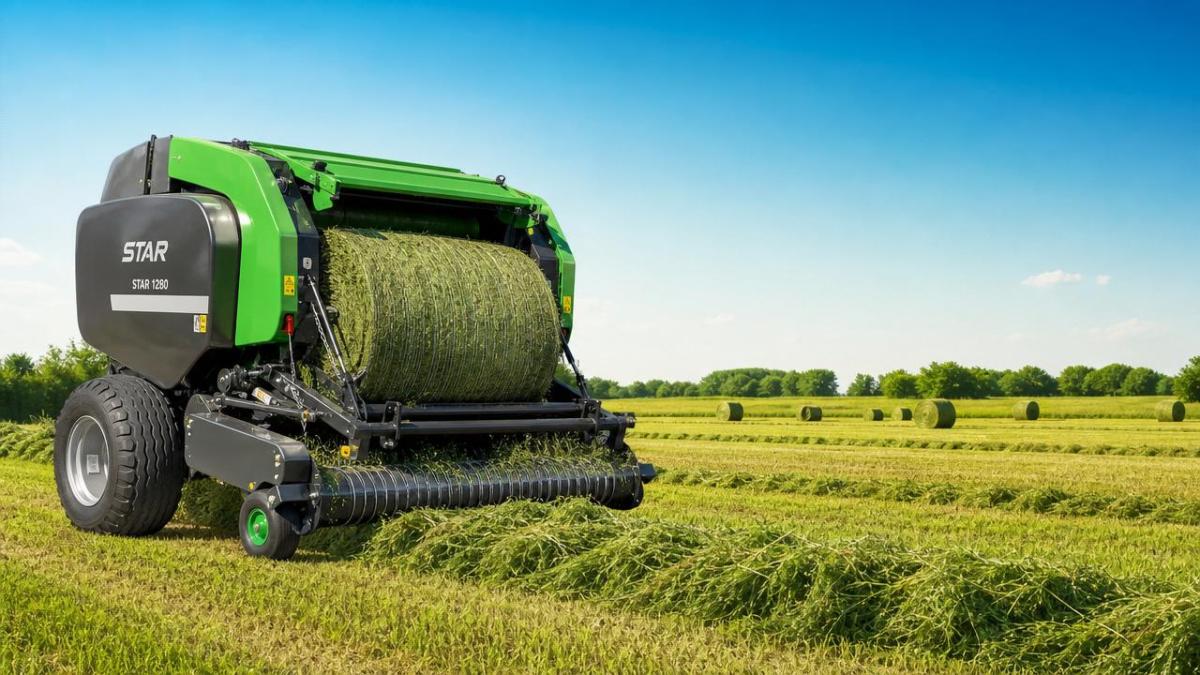
Use the following checklist when evaluating a round baler machine for pickup width and field efficiency. These are the most practical decision points for operators and fleet managers.
1. Windrow-to-pickup match
The pickup should comfortably cover your normal windrow with tolerance for drifting material. If your rake pattern often creates side spread, choose enough width to prevent chronic edge loss. If windrows are narrow and neat, excessive width may add cost without major gain.
2. Feeding system design
Do not isolate pickup width from the feeder, rotor, or intake throat. A wide pickup on a weak feeding system can still plug or feed unevenly. Ask how the machine transfers crop from pickup to chamber and whether heavy swaths can be handled at your desired speed.
3. Gauge wheels and flotation
Pickup performance depends on how well it follows ground contour. In rough fields, proper support wheels and stable flotation may matter as much as pickup width. A round baler machine that scalps the soil will increase ash contamination and tooth wear.
4. Bale shape consistency
A wider pickup can help the operator feed the full chamber more evenly, improving bale shoulders and density balance. But this only works when the operator can still track the windrow correctly. Poor steering or uneven crop flow can still create soft-sided bales.
5. Speed under variable crop conditions
Evaluate not just ideal-condition speed, but stable speed across light, medium, and heavy windrows. The best round baler machine is the one that holds productive throughput without frequent stop-start corrections.
6. Fuel use per ton baled
A wider pickup may reduce overlap and steering correction, which can improve fuel efficiency. But if machine mass, drag, or plugging risk rises too much, fuel savings may disappear. Compare fuel use against actual tons or bales per hour, not by engine load alone.
7. Maintenance exposure
More width can mean more pickup components, more teeth, and more wear points. Check service access, tooth replacement time, chain lubrication points, and bearing protection in dusty or abrasive conditions.
Quick Comparison Table: What Width Choice Usually Means
The table below summarizes common trade-offs operators should expect when selecting a round baler machine by pickup width. Exact results vary by crop and machine design, but the pattern is useful for shortlisting options.
Scenario Guide: When a Wider Pickup Helps Most
A wider round baler machine usually makes the strongest difference in specific operating scenarios rather than in every field. Operators should prioritize width when the working pattern repeatedly creates intake challenges that narrower pickups cannot handle efficiently.
- Large fields with long straight passes. This is where reduced misses and steadier feeding produce meaningful time savings over the day.
- High-capacity raking systems. If windrows are broad and heavy, a wider pickup supports the rest of the harvesting system instead of restricting it.
- Operators working under narrow weather windows. Faster collection and fewer cleanup passes can help protect forage quality before rain or overnight moisture returns.
- Inconsistent windrows caused by terrain or crop volume changes. Extra pickup width gives some tolerance when the swath wanders or spreads.
When More Width Does Not Automatically Improve Results
There are also cases where a wider round baler machine offers limited return. Small, fragmented fields may not allow the machine to maintain the rhythm needed to exploit higher intake coverage. Very light windrows can leave much of the pickup underused. In some operations, improving rake setup or windrow uniformity delivers a bigger efficiency gain than increasing pickup width.
Another common issue is overestimating tractor compatibility. If tractor power, ballast, hydraulic response, or operator comfort are marginal, the wider machine may not actually run at a productive pace. In that case, theoretical capacity remains unused while ownership cost rises.
Commonly Overlooked Risk Points
- Ignoring pickup height control. Incorrect height can increase dirt intake, tooth damage, and uneven feeding, regardless of pickup width.
- Focusing on nominal width instead of effective working width. Some machine designs perform differently in edge capture and side guidance.
- Not checking transport and storage implications. Wider units may affect shed access, lane movement, or road transport convenience.
- Assuming width solves all productivity limits. Chamber type, tying cycle time, density system, and unloading speed also affect total field efficiency.
- Failing to match the pickup to local residue conditions. Stony ground, short straw, or very leafy forage may require closer attention to pickup durability and crop handling features.
Practical Buying and Setup Advice for Operators
If you are narrowing down a round baler machine, start with field records rather than brochure claims. Estimate your average windrow width, note how often material is missed, and compare bales per hour across current conditions. During a demonstration, watch how the machine handles off-center feeding, not just ideal straight passes. Ask the supplier for operating recommendations in your main crop type and moisture range.
Also prepare a short decision file with these points: acreage per season, dominant crop, expected bale count, tractor model, field terrain, preferred bale density, and transport constraints. This information helps determine whether a wider pickup will translate into real output or simply add unused capacity. For contract operators, the correct round baler machine should be judged by reliability over many field types, not by maximum capacity in one perfect field.
FAQ: Fast Answers About Round Baler Machine Pickup Width
Does a wider pickup always mean faster baling?
No. A wider pickup helps only when windrow size, feeder capacity, and field layout allow the machine to maintain smooth crop flow and productive travel speed.
Is pickup width more important than chamber size?
They are different but connected. Pickup width affects collection efficiency, while chamber size influences bale dimensions and total throughput. A balanced round baler machine needs both systems matched to the workload.
What should operators test during a field demo?
Check missed crop at the edges, feeding smoothness in heavy and light spots, tractor handling, bale uniformity, and recovery after uneven windrow entry.
Final Decision Guide and Next Step
The best pickup width for a round baler machine is the one that fits your windrow reality, not the one with the largest number. Operators should prioritize a clean windrow-to-pickup match, stable feeding, manageable fuel use, and dependable bale quality across changing field conditions. If you need to move from comparison to purchase, prepare your crop type, windrow dimensions, acreage, tractor specifications, output target, and maintenance expectations first. With those details ready, it becomes much easier to confirm the right machine configuration, practical field suitability, expected operating cost, and overall return on investment.
Related Intelligence
- Heavy Agri MachineryHow Agri & Forestry machinery manufacturers differ after deliveryAgri & Forestry machinery manufacturers differ most after delivery—compare parts support, technical service, training, and compliance to reduce downtime and total ownership cost.
- Heavy Agri MachineryWhich Agri & Forestry machinery specifications matter in real use?Agri & Forestry machinery specifications explained for real use: learn which ratings truly affect efficiency, safety, durability, and cost before you compare or buy.
- Heavy Agri MachineryRound baler machine pickup width vs field efficiencyRound baler machine pickup width affects field efficiency, fuel use, and bale quality. Learn how to match width to windrows, crop conditions, and tractor capacity.
The Morning Broadsheet
Daily chemical briefings, market shifts, and peer-reviewed summaries delivered to your terminal.
