
Automatic feed bagging systems: Why speed isn't the only metric that counts
Automatic Feed Bagging Systems: Beyond Speed Metrics
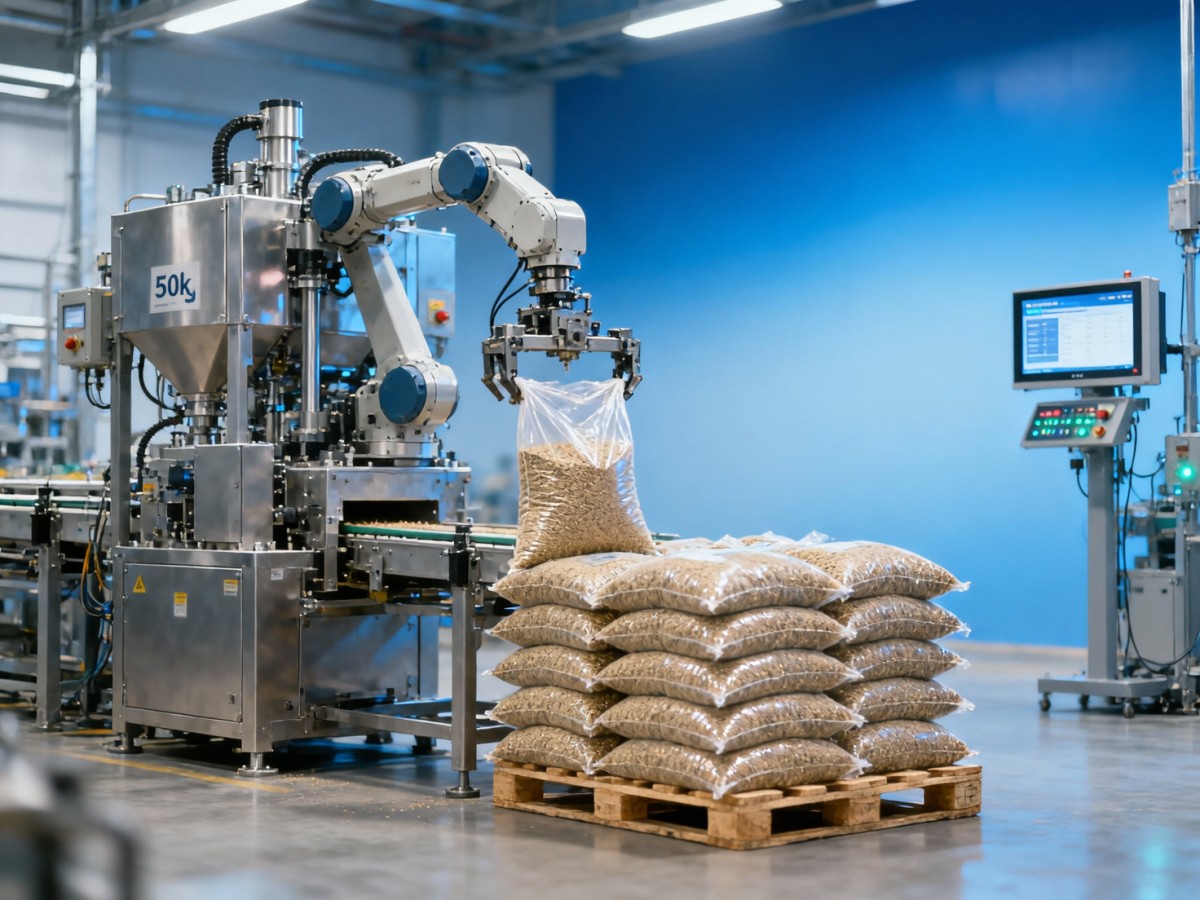
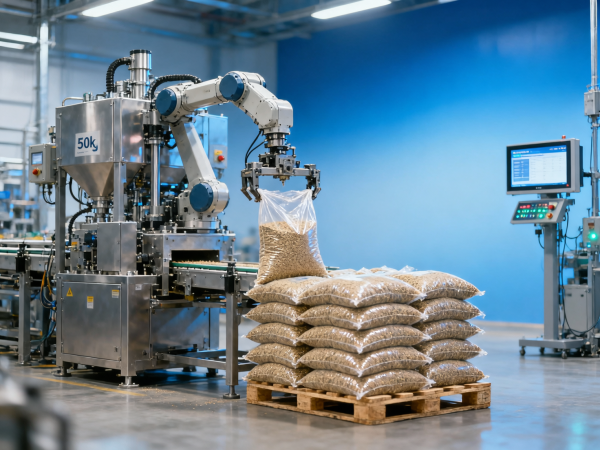
While speed is crucial in automatic feed bagging systems, savvy operators know efficiency hinges on more than just throughput. From robot palletizer integration to 50kg bag packaging precision, modern operations demand reliability, safety, and total cost optimization. AgriChem Chronicle examines how leading feed mills balance these factors when selecting commercial flour mill plants and bagging solutions—critical insights for procurement teams evaluating maize grits making machines to automated packaging lines.
1. The Hidden Costs of Speed-Centric Operations
Feed processing plants prioritizing bagging speed above all else often face 12-18% higher operational costs due to:
- Increased machine wear from continuous 100% capacity operation
- Higher maintenance frequency (every 200-250 hours vs. standard 400-hour intervals)
- Excessive product loss during high-speed transitions (0.8-1.2% vs. optimized systems' 0.3-0.5%)
Leading feed mills now evaluate systems using a 5-year Total Cost of Ownership (TCO) model that accounts for these hidden expenses. The most advanced operations achieve 15-20% better ROI by balancing speed with other critical factors.
2. Four Critical Non-Speed Metrics for Bagging Systems
2.1 Bagging Accuracy & Consistency
Modern systems must maintain ±0.25% weight variance across 50kg bags—a requirement for GMP-certified facilities. Precision weighing systems with automatic compensation for product density variations reduce giveaway losses by 3-5% annually.
2.2 Integration Capabilities
Seamless connectivity between bagging machines and:
- Robot palletizers (reducing manual handling by 80%)
- ERP systems (enabling real-time production tracking)
- Quality control sensors (automatically rejecting off-spec bags)
2.3 Changeover Efficiency
Top-performing systems achieve product/bag size changes in under 15 minutes through:
- Quick-release mechanisms (50% faster than traditional systems)
- Pre-programmed recipes (storing 50+ configurations)
- Auto-adjusting feed gates
2.4 Safety & Compliance Features
Essential for operations handling medicated feeds or specialty ingredients requiring:
- Explosion-proof ratings (ATEX Zone 22 for dust environments)
- Containment systems (limiting cross-contamination to <0.01%)
- Automated CIP (Clean-in-Place) capabilities
3. Procurement Decision Matrix for Industrial Buyers
Leading procurement teams now use weighted scoring models like this to compare systems objectively. The highest-rated solutions typically deliver 18-22% better long-term value than speed-focused alternatives.
4. Implementation Best Practices
Successful deployments follow a phased approach:
- Pre-Installation (2-4 weeks): Facility assessment, utility verification, and operator training planning
- Commissioning (1 week): Mechanical installation, electrical connections, and safety checks
- Validation (3-5 days): Performance testing with actual products at varying speeds
- Optimization (Ongoing): Fine-tuning based on 30/60/90-day performance reviews
5. Future-Proofing Your Investment
With feed formulations becoming more complex, forward-looking operations prioritize:
- Modular designs allowing easy upgrades (30% cost savings vs. full replacements)
- IoT-enabled predictive maintenance capabilities
- Adaptability to emerging packaging materials (biodegradable films, etc.)
Conclusion: The Balanced Approach to Bagging Efficiency
The most successful feed operations achieve optimal efficiency by evaluating automatic bagging systems through multiple lenses—speed being just one component of a comprehensive operational strategy. By focusing on total system performance, reliability, and adaptability, processors can realize 15-30% greater operational efficiency over the equipment lifecycle.
For a customized assessment of how these principles apply to your specific operation, contact AgriChem Chronicle's equipment specialists for a confidential consultation on optimizing your feed packaging processes.
Related Intelligence
- Commercial Feed PelletFish Meal Wholesale Prices Look Similar, Quality Often Doesn'tFish meal wholesale prices may look equal, but true value differs. Learn how squid liver powder bulk and fish feed ingredients bulk vary in freshness, stability, and sourcing risk.
- Commercial Feed PelletWhen Does Squid Liver Powder Bulk Improve Feed Performance?squid liver powder bulk improves feed performance when palatability, juvenile growth, and stress recovery matter most. Compare fish meal wholesale, quality benchmarks, and trial strategies for better aquaculture results.
- Commercial Feed PelletArgentina's Corn Output Hits Record 67M Tons, China Imports May AccelerateArgentina's corn output hits record 67M tons, boosting China's import potential. Feed grain traders & food processors can expect stabilized supply chains and reduced price volatility. Key insights for strategic procurement.
The Morning Broadsheet
Daily chemical briefings, market shifts, and peer-reviewed summaries delivered to your terminal.
