
Xylitol sweetener wholesale: what impacts total cost?
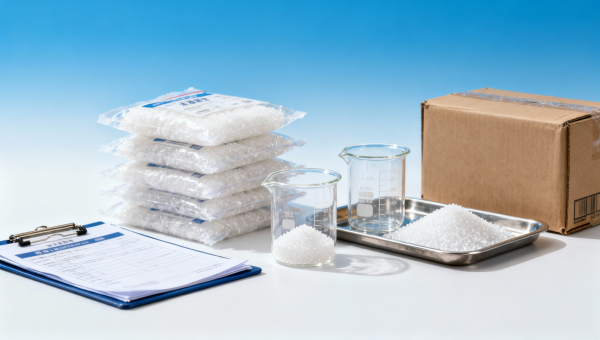
When evaluating xylitol sweetener wholesale, the quoted price is only one part of the equation. Total cost depends on purity specifications, certification requirements, packaging formats, freight volatility, import compliance, and supplier reliability across the full supply chain. For procurement teams comparing options alongside wholesale inulin powder, fructooligosaccharides fos wholesale, or monk fruit extract mogroside, understanding these cost drivers is essential to controlling margin, quality, and long-term sourcing risk.
In practical B2B purchasing, the cheapest offer per kilogram may become the most expensive option once assay gaps, moisture variation, customs documentation, delayed release, or repacking losses are added back into the landed cost model. This is especially relevant for food ingredient importers, contract manufacturers, private-label brands, distributors, and quality teams managing multiple sweetener categories at the same time.
For buyers in regulated or specification-driven sectors, xylitol procurement is not simply a commodity transaction. It is a cross-functional decision involving finance, QA, operations, logistics, and regulatory review. A sound cost assessment should therefore include not only product price, but also consistency across 3 to 12-month supply horizons, acceptance rates at incoming inspection, and exposure to batch-to-batch variability.
What makes up the real total cost of xylitol sweetener wholesale
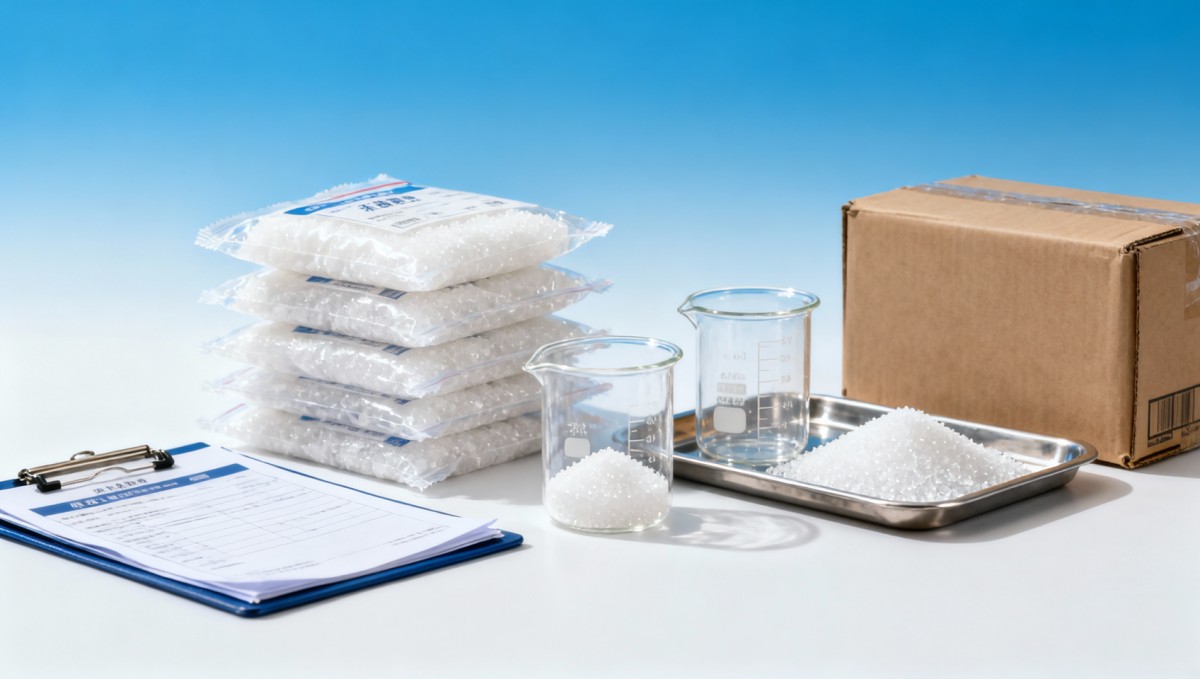
The most visible cost component in xylitol sweetener wholesale is the supplier’s quoted unit price, usually expressed per metric ton or per kilogram. However, real procurement cost often includes 7 to 10 line items beyond the initial quote: purity premium, packaging format, origin-based freight, insurance, customs clearance, import duty, bank charges, testing, storage, and potential rework. Buyers who only compare FOB or EXW pricing frequently miss these downstream impacts.
Purity and specification alignment are among the first cost drivers. A 99.5% or higher xylitol grade intended for food, oral care, or specialized formulations may cost more upfront than a lower or less tightly controlled grade, but it can reduce blending corrections, failed QC lots, and taste inconsistency. In high-volume manufacturing, even a 0.3% to 0.8% deviation in moisture or mesh consistency can affect process yield and packing efficiency.
Packaging also changes total cost more than many new buyers expect. Standard 25 kg bags are common, but fiber drums, lined kraft bags, or palletized moisture-barrier packaging may be needed depending on destination climate, warehouse conditions, and resale channel. The packaging decision affects not only material cost but also handling labor, warehouse cube utilization, and breakage risk during 2 to 6 weeks of transit.
Freight volatility is another major variable. Ocean freight can swing sharply within one quarter, while inland charges, terminal fees, and destination handling can add meaningful cost per ton. For importers consolidating xylitol with other ingredients such as inulin or FOS, mixed-load efficiency may lower cost, but only if documentation and storage conditions are compatible.
Key cost layers beyond ex-works price
A robust cost model should separate direct, indirect, and risk-related expenses. This helps procurement teams explain sourcing decisions to finance approvers and senior management, particularly when a higher-priced supplier produces lower total ownership cost.
- Direct costs: product price, packaging charge, palletization, freight, insurance, import duties, and inspection fees.
- Indirect costs: warehouse labor, repacking, inventory carrying cost, production downtime, and supplier communication overhead.
- Risk costs: late shipment penalties, rejected lots, missing documents, regulatory issues, and emergency spot purchasing at a premium.
The table below shows how buyers can frame the main cost blocks when comparing xylitol sweetener wholesale offers from multiple suppliers.
The practical takeaway is clear: buyers should build a landed and usable cost model, not a quote-only comparison sheet. This is the most reliable way to compare xylitol against other sweetener inputs and avoid avoidable cost leakage across the supply chain.
Specification, certification, and quality control factors that change wholesale pricing
In xylitol sweetener wholesale, specification details can materially affect cost, especially for importers serving food production, nutraceutical, confectionery, oral care, or export resale channels. Two suppliers may both offer “food-grade xylitol,” yet differ in assay range, particle size consistency, microbiological limits, bulk density, and residual moisture. These details shape both price and production suitability.
Certification requirements can also create large cost differences. Some buyers only need routine food documentation, while others require broader file sets such as non-GMO declarations, allergen statements, kosher or halal support, or detailed batch traceability. If a downstream customer or retailer requests these documents after ordering, the delay and administrative rework can be more expensive than securing a fully documented source from the beginning.
Quality control teams should pay particular attention to specification alignment with process conditions. In dry blending, sachet filling, or tablet-like applications, flowability and particle size distribution can be just as important as nominal purity. In humid environments, packaging integrity and moisture control become critical to preserving free-flowing powder behavior during storage periods of 30 to 90 days.
Rejected or conditionally accepted batches are a hidden cost center. A single nonconforming lot can trigger quarantine, additional lab work, warehouse segregation, supplier dispute management, and possible production rescheduling. For larger buyers, the cost of one delayed batch may exceed the savings gained from choosing the cheapest quote over a full quarter.
What QA and procurement should review before purchase approval
Before approving a xylitol wholesale contract, cross-functional teams should verify not just whether documents exist, but whether they are complete, current, and consistent from batch to batch. A mismatch between specification sheet and actual certificate of analysis is an early warning sign.
Priority review items
- Assay and moisture range, including accepted tolerances for your formulation or packing line.
- Microbiological criteria, heavy metals, and contaminant statements where relevant to market access.
- Batch traceability, manufacturing date, shelf life, and recommended storage conditions.
- Document consistency across 3 consecutive lots, not just one sample batch.
The following comparison table helps teams identify which quality-related factors are likely to affect total procurement cost most directly.
For distributors and brand owners, quality documentation should be treated as a cost-control tool, not just a compliance formality. Better document discipline usually shortens approval cycles, reduces dispute frequency, and improves confidence when scaling from trial volumes to container-load purchasing.
Logistics, import compliance, and inventory planning in landed cost calculations
Landed cost in xylitol sweetener wholesale is highly sensitive to logistics structure. The same product can arrive with different total cost outcomes depending on shipment size, Incoterms, destination port congestion, customs efficiency, and warehouse handling requirements. For example, a buyer importing 1 pallet by air for urgent production continuity faces a completely different cost profile than a buyer bringing in 1 full container by sea on a 4 to 8-week planning cycle.
Import compliance is another area where cost can rise suddenly. Missing or inconsistent commercial invoices, packing lists, origin details, or food-related declarations may trigger customs inspection, release delays, or storage charges. These costs rarely appear in the original quotation but can materially affect cash flow, customer fill rate, and internal planning reliability.
Inventory strategy also matters. Ordering too little may reduce immediate outlay but increase per-unit freight, reorder frequency, and stockout risk. Ordering too much can create warehouse pressure, tied-up working capital, and shelf-life concerns. A balanced plan often uses 2 to 3 months of rolling demand visibility, safety stock calibrated to lead-time variability, and clear reorder points agreed between procurement and operations.
For companies that source several functional sweeteners, transport consolidation can reduce cost, but only if storage compatibility and customs coding are properly reviewed. In practice, buyers should test whether mixed containers lower the average landed cost without introducing document complexity or receiving delays.
A practical landed cost workflow
A repeatable process helps teams avoid quote-stage blind spots and compare suppliers on a like-for-like basis. This is particularly important for project managers and finance approvers who need cost visibility before committing to annual or quarterly contracts.
- Step 1: Confirm required specification, annual volume, MOQ, and preferred packaging.
- Step 2: Request price under consistent trade terms such as FOB, CIF, or DDP for fair comparison.
- Step 3: Add origin and destination charges, customs-related fees, and local delivery cost.
- Step 4: Estimate QC release time, storage requirements, and working capital impact.
- Step 5: Model risk scenarios such as 1 delayed shipment, 1 rejected lot, or 10% freight increase.
Common landed cost blind spots
Many teams underestimate three areas: destination handling charges, internal release delays, and emergency replenishment premiums. If a shipment is late by even 7 days, the resulting production disruption or spot market purchase can erase several months of negotiated savings.
For this reason, supplier lead-time reliability should be treated as a financial variable. A supplier quoting 2% lower but delivering inconsistently may be more expensive than a stable supplier with better shipment planning discipline and document accuracy.
How to compare wholesale xylitol suppliers without focusing only on the lowest quote
Supplier comparison should combine price, operational reliability, technical fit, and risk exposure. In many industrial ingredient categories, especially where buyers also source inulin powder, FOS, or monk fruit extract, procurement performance depends on supplier management quality as much as on raw unit price. A low quote without dependable execution can create hidden costs at receiving, planning, and customer service levels.
A practical supplier scorecard usually includes at least 5 dimensions: specification compliance, documentation quality, lead-time stability, communication responsiveness, and commercial terms. Some organizations assign weighted scoring, for example 30% quality, 25% commercial, 20% logistics, 15% compliance, and 10% service. This helps remove bias toward the headline price.
Buyers should also verify scalability. A supplier may perform well on 500 kg trial orders but struggle on 10 to 20-ton monthly volumes. Questions about production scheduling, batch reservation, seasonal capacity pressure, and contingency planning are not optional for enterprise buyers; they directly affect supply continuity and negotiating leverage.
Distributors and resellers need one more layer of review: downstream complaint exposure. If the supplier’s consistency is weak, the distributor absorbs the cost of credits, returns, relabeling, and customer reassurance. In this channel, reliable specification control often matters more than saving a small percentage at purchase.
Recommended supplier comparison matrix
The table below can be used by procurement, QA, and finance teams when evaluating xylitol sweetener wholesale offers over a 6 to 12-month supply period.
This matrix usually reveals whether a higher initial quote is actually the lower-risk and lower-total-cost option. For enterprise buyers, that distinction is often more valuable than a narrow negotiation win on price alone.
Procurement questions, risk controls, and budgeting tips for long-term xylitol sourcing
Long-term xylitol sweetener wholesale planning should start with a risk-adjusted budget rather than a simple price forecast. Budget owners should separate baseline spend from volatility reserves for freight shifts, currency movement, expedited replenishment, and compliance-related contingencies. Even a modest reserve of 3% to 5% can improve decision quality when markets become unstable.
A disciplined sourcing program also benefits from periodic supplier review. Quarterly checks are often sufficient for stable categories, while monthly reviews may be needed when shipment lead times are stretched, customer demand is volatile, or market pricing changes rapidly. The review should include on-time delivery, document accuracy, lot acceptance rate, and claim resolution speed.
Cross-functional governance matters. Procurement may prioritize price, but operations focuses on continuity, QA on conformity, and finance on cash flow. The best sourcing outcomes come when these teams agree in advance on which two or three variables are non-negotiable. For some businesses, that may be moisture control and lead time. For others, it may be certification completeness and MOQ flexibility.
For buyers entering xylitol sourcing for the first time, a phased approach often works best: qualification sample, pilot order, first commercial lot, then framework agreement. This 4-stage progression helps reduce exposure while generating enough real operating data to judge the supplier beyond marketing claims.
FAQ for procurement, QA, and decision-makers
How should buyers evaluate MOQ versus inventory risk?
Start by comparing supplier MOQ with your average 30 to 60-day consumption rate and actual storage conditions. If MOQ exceeds 3 months of realistic demand, the working capital and warehouse burden may outweigh any unit-price advantage. A slightly higher price with lower MOQ can be more efficient for smaller or seasonal buyers.
What lead time is reasonable for wholesale xylitol?
Lead time varies by origin, production planning, and shipping method, but many buyers plan around 2 to 6 weeks for dispatch readiness plus transit. The better question is not just “How long?” but “How consistent?” A stable supplier with predictable lead-time performance is easier to integrate into MRP and production planning.
Which documents should be mandatory before shipment?
At minimum, buyers typically require a commercial invoice, packing list, certificate of analysis, batch information, and any market-specific declarations needed for import or downstream customer review. If the purchase is tied to private-label or regulated channels, document requirements should be written into the purchase order and supply agreement before production starts.
Is the lowest-priced supplier ever the right choice?
Yes, but only when the supplier also meets your requirements for consistency, traceability, lead-time control, and responsive claim handling. If any of those areas are weak, the savings may disappear through delays, extra testing, or customer dissatisfaction.
The most effective sourcing strategy for xylitol sweetener wholesale is one that combines specification fit, reliable documentation, logistics discipline, and a realistic landed cost model. Buyers comparing xylitol with wholesale inulin powder, fructooligosaccharides FOS wholesale, or monk fruit extract mogroside should apply the same principle: total cost is shaped by operational quality as much as by quoted price.
For procurement teams, distributors, QA managers, and business decision-makers, careful supplier screening and structured cost analysis reduce avoidable risk and support stronger margin control over the long term. If you are reviewing sourcing options, refining a supplier scorecard, or planning a more resilient ingredient procurement strategy, now is the right time to get tailored guidance. Contact us to discuss your sourcing priorities, request a customized comparison framework, or explore more solutions for industrial sweetener procurement.
Related Intelligence
- Natural IngredientsIndonesia BPOM Updates Label Rules for Natural Ingredients ImportsIndonesia BPOM updates label rules for natural ingredients imports: New pH ≤4.6 & 60°C/30min tolerance statement required by Aug 1, 2026 — act now to avoid customs rejection.
- Natural IngredientsIndonesia BPOM Updates Natural Ingredients Import LabelingIndonesia BPOM Updates Natural Ingredients Import Labeling: New 'Microbial Resistance Profile' required for cosmetics, supplements & personal care imports—act now to avoid customs delays.
- Natural IngredientsXylitol sweetener wholesale for gum or tablets?Xylitol sweetener wholesale for gum or tablets? Compare grades, sourcing, and compliance, plus fructooligosaccharides fos wholesale, wholesale inulin powder, and monk fruit extract mogroside.
The Morning Broadsheet
Daily chemical briefings, market shifts, and peer-reviewed summaries delivered to your terminal.
