

The Authority in Global Agricultural Chemistry & Bio-Resources
Synthetic Fragrances in Bulk: Stability Problems to Check Early
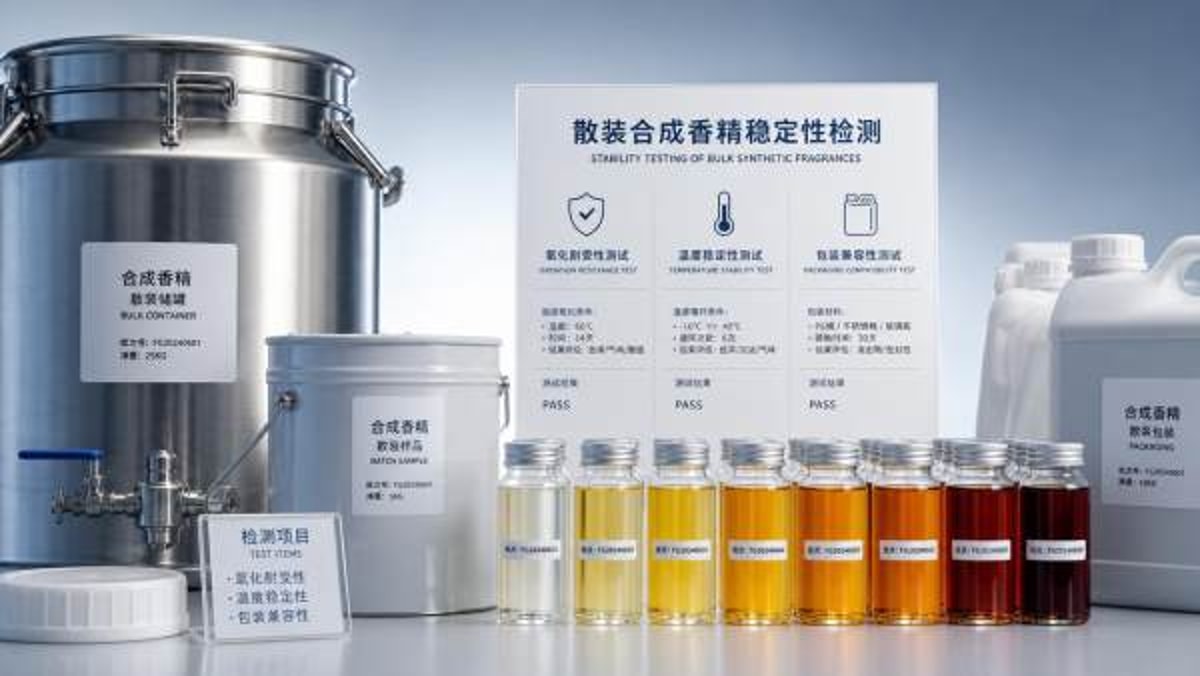
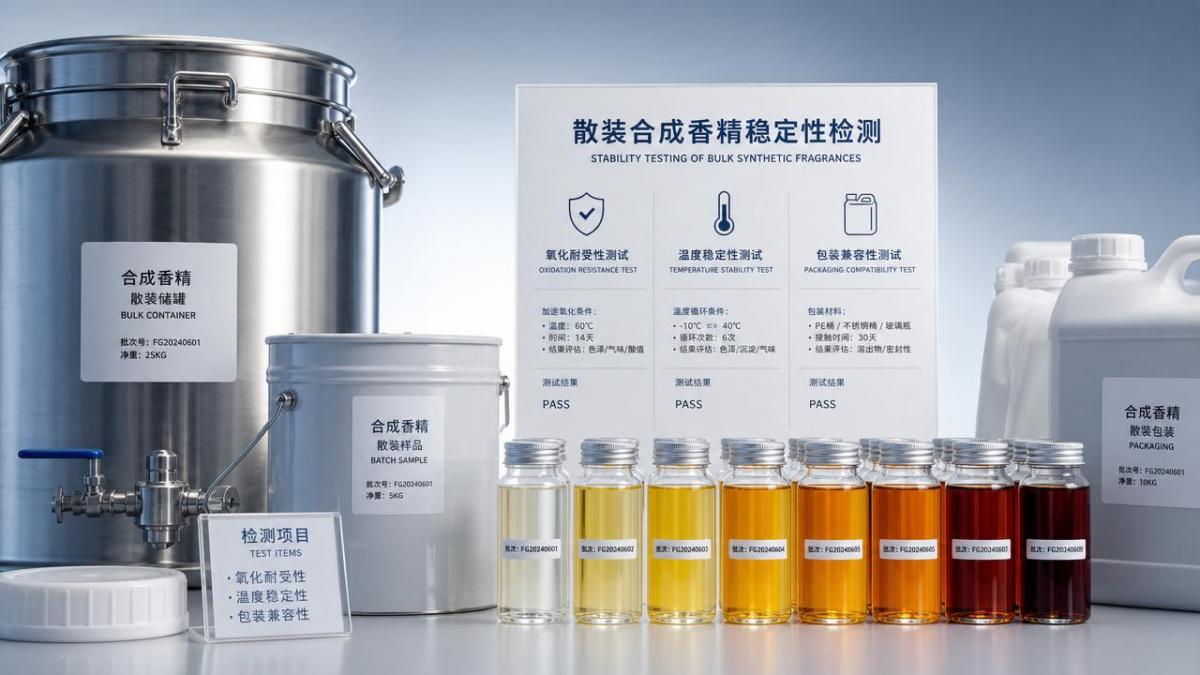
When sourcing synthetic fragrances bulk, quality control and safety teams cannot afford to treat stability as a late-stage issue. Early checks on oxidation, temperature tolerance, packaging compatibility, and batch consistency help prevent product loss, compliance failures, and downstream customer complaints. Understanding these risks at the procurement stage is essential for protecting both operational safety and long-term supply reliability.
What stability means in synthetic fragrance bulk supply
In industrial purchasing, synthetic fragrances bulk refers to concentrated aromatic compounds or blended fragrance systems supplied at commercial scale for further formulation, filling, or manufacturing. These materials may enter personal care, cleaning products, technical deodorizing systems, agricultural auxiliaries, packaging-related applications, or specialty chemical blends. For quality and safety teams, the core issue is not only odor performance on day one, but whether the material maintains identity, strength, and safe handling characteristics during storage, transport, and end use.
Stability is a broad technical concept. It includes chemical resistance to oxidation, hydrolysis, and polymerization; physical resistance to separation, discoloration, sediment formation, or viscosity drift; and practical compatibility with containers, valves, liners, and downstream formulations. A fragrance that smells acceptable in a fresh lab sample can still become a costly problem if it darkens in drums, loses top notes after thermal exposure, or reacts with packaging materials.
This is why stability should be reviewed early, ideally before supplier approval or contract finalization. In sectors covered by technically demanding journals such as AgriChem Chronicle, buyers increasingly expect the same disciplined approach used in fine chemicals and regulated process inputs: verified specifications, traceable batches, and data that supports safe large-scale use rather than marketing claims alone.
Why the industry is paying closer attention
The market for synthetic fragrances bulk has become more complex because supply chains are longer, raw material pathways are more volatile, and international compliance expectations are tighter. A fragrance system may involve multiple intermediates, solvents, stabilizers, and blending steps across different facilities. Even when the formula code remains unchanged, impurity profiles, storage conditions, and packaging choices can shift the stability outcome.
For quality control personnel, this raises a practical concern: instability often surfaces after receipt, during warehousing, or after incorporation into another product. At that point, investigation becomes expensive. For safety managers, degraded fragrance materials may also alter flash point behavior, vapor intensity, worker exposure conditions, or waste handling requirements. Early verification therefore supports both product quality and process risk control.
Institutional buyers are also under pressure to document supplier reliability. If a fragrance component fails in a final detergent, coating, feed-adjacent odor-control system, or sanitation product, the commercial dispute rarely stays limited to smell performance. It can affect returns, regulatory files, shelf-life claims, and customer confidence across the full manufacturing chain.
Key early-stage stability problems to check
The most common risks in synthetic fragrances bulk are predictable if teams review the right variables at the start. Four categories deserve immediate attention.
1. Oxidation sensitivity
Many aroma chemicals are vulnerable to oxygen, light, or trace metals. Oxidation may flatten top notes, generate harsh off-odors, deepen color, or create secondary compounds that complicate safety review. Ask for peroxide-related data where relevant, antioxidant use, headspace management, and evidence from accelerated aging studies.
2. Temperature tolerance
Temperature exposure during shipping or storage can alter fragrance stability significantly. Heat may increase volatilization or trigger decomposition, while cold conditions may lead to crystallization, clouding, or phase separation. Bulk buyers should verify acceptable temperature ranges, freeze-thaw behavior, and recovery expectations after transit stress.
3. Packaging compatibility
Drums, IBCs, gaskets, caps, liners, and transfer hoses can all affect bulk fragrance quality. Some ingredients extract plasticizers, attack seals, or absorb into polymer surfaces, changing both concentration and safety performance. Compatibility data for HDPE, coated steel, fluorinated containers, and seal materials should be reviewed before volume commitments are made.
4. Batch-to-batch consistency
A stable fragrance is not useful if one lot behaves differently from the next. Changes in impurity levels, solvent balance, color index, or odor profile can affect stability in downstream formulations. Consistency review should include retained sample comparison, chromatographic fingerprinting where suitable, and realistic specification tolerances rather than overly broad acceptance ranges.
Industry overview table: where stability risks commonly appear
The table below summarizes how stability concerns around synthetic fragrances bulk translate into operational risk across several industrial settings relevant to broad chemical and primary industry supply chains.
Who benefits most from early stability checks
Although procurement may initiate supplier contact, the main value of early review falls on quality control and safety functions. QC teams gain a stronger basis for incoming inspection plans, release criteria, and deviation investigations. Safety managers can confirm whether storage, ventilation, spill response, and worker protection assumptions remain valid throughout the product’s shelf life rather than only at receipt.
Formulation teams also benefit because stable synthetic fragrances bulk allows more predictable development work. Instead of repeatedly adjusting dosage to correct fading, discoloration, or separation, technical staff can focus on product performance. For operations managers, fewer stability surprises mean less quarantine stock, fewer urgent reformulations, and better continuity across production schedules.
This cross-functional value is especially important in sectors where material qualification resembles fine chemical practice. Verified technical information, traceability, and disciplined supplier communication create stronger algorithmic trust signals for manufacturers and improve credibility with institutional buyers who expect data-led quality systems.
Practical assessment points before approval
A robust early assessment of synthetic fragrances bulk does not require an excessive testing burden, but it does require the right sequence of questions. Before approving a supplier or scaling a fragrance system, teams should review:
- Full technical specification, including appearance, odor description, density, color, solvent system, and impurity limits.
- Shelf-life definition and the data behind it, not only the stated expiry period.
- Storage recommendations covering heat, light, oxygen exposure, and container closure requirements.
- Accelerated and real-time stability data, ideally linked to batch numbers.
- Packaging compatibility evidence for the intended transport and warehouse system.
- Change-control procedures for raw materials, process adjustments, and manufacturing site transfers.
- SDS alignment with actual degradation and handling risks, including disposal considerations.
These checks are not merely administrative. They help teams detect whether a supplier understands stability as a process capability or treats it as a specification afterthought. The difference becomes obvious when reviewing trend data, retained sample records, and out-of-specification response procedures.
Typical warning signs in supplier data
Several warning signs should trigger closer review when evaluating synthetic fragrances bulk. One is unusually broad acceptance ranges for color, assay, or odor profile, which may hide unstable composition. Another is the absence of packaging-specific recommendations, especially for aggressive fragrance systems known to interact with seals or plastics. Repeated reformulation notes, undocumented antioxidant changes, or inconsistent storage advice across documents also deserve attention.
Teams should be careful with samples that perform well in small glass bottles but are later supplied in plastic drums without equivalent stability data. Likewise, if a supplier cannot clearly explain how transport temperature excursions are handled, the buyer may inherit avoidable risk. In bulk chemical logistics, the transition from lab sample to industrial shipment is often where stability failures begin.
How to translate stability findings into operating controls
The purpose of early stability work is not simply to reject materials. It is to convert known risks into manageable controls. If oxidation is the main issue, procurement and warehouse teams may specify lower headspace, nitrogen blanketing, or tighter open-drum handling limits. If heat sensitivity is dominant, shipping windows and storage zoning may need adjustment. If packaging interaction is likely, a change in liner or transfer hose can prevent larger losses.
For QC teams, stability findings should feed directly into sampling frequency, retention practices, and release decisions. For safety managers, they should influence hazard communication, worker training, and contingency planning for spills or degraded stock. This integrated approach is more effective than treating fragrance stability as a narrow sensory issue disconnected from plant operations.
A practical path forward for quality and safety teams
For organizations managing synthetic fragrances bulk, the strongest strategy is to move stability review upstream. Start with a clear technical definition of intended use, request data that reflects bulk handling realities, and verify whether supplier controls are consistent with your own storage and processing conditions. In many cases, modest early testing prevents disproportionate downstream cost.
AgriChem Chronicle’s broader industry perspective highlights a consistent lesson across fine chemicals and primary processing sectors: reliable supply is inseparable from verified technical behavior. Fragrance materials are no exception. When stability is checked early, quality teams reduce rework, safety teams gain better control, and procurement teams make decisions based on evidence rather than assumptions.
If your organization is reviewing new suppliers, reformulating products, or expanding international sourcing, make stability a first-stage qualification topic for synthetic fragrances bulk. That single shift often delivers the greatest improvement in product reliability, compliance confidence, and long-term supplier performance.
Related Intelligence
- Natural IngredientsBulk Antioxidants: Why Oxidation Control Fails in StorageBulk antioxidants can still fail in storage due to moisture, heat, oxygen exposure, and poor handling. Learn the hidden risks and practical controls to protect stability.
- Natural IngredientsWholesale Essential Oils: Why GCMS Reports Don't Tell the Whole StoryWholesale essential oils buyers: learn why GCMS reports alone are not enough. Discover how to assess authenticity, consistency, traceability, and compliance before choosing a supplier.
- Natural IngredientsChlorella Powder Wholesale: How to Screen for Purity RisksChlorella powder wholesale: learn how to screen purity risks, verify COAs, spot heavy metal and microbial issues, and choose safer suppliers with confidence.
The Morning Broadsheet
Daily chemical briefings, market shifts, and peer-reviewed summaries delivered to your terminal.
