
Japan Tightens Import Rules for Chinese Herbal Health Products
Introduction
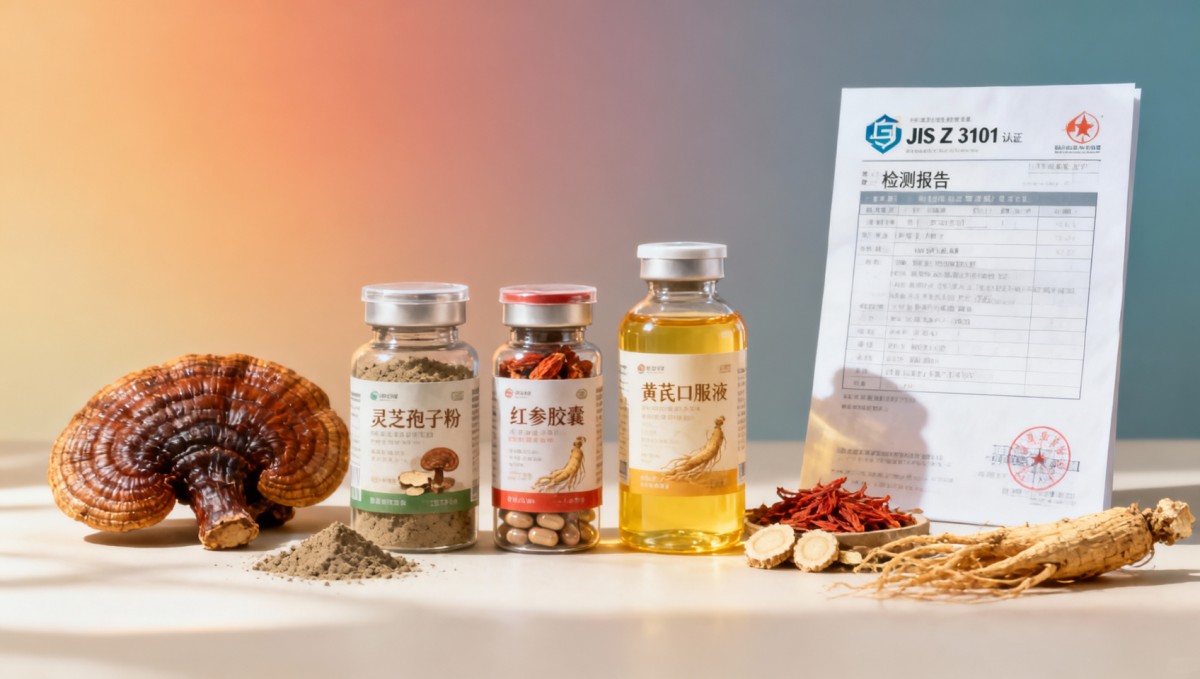
Japan's Ministry of Health, Labour and Welfare (MHLW) has updated its import guidelines for health foods, requiring third-party testing reports for heavy metals and pesticide residues in Chinese herbal products starting April 1, 2026. This move directly impacts Chinese exporters of traditional medicine-based health supplements, particularly small and medium-sized enterprises (SMEs), and adds 10–12 days to the export process. The regulation affects key product categories like lingzhi spore powder, red ginseng capsules, and astragalus oral solutions.
Event Overview
On March 29, 2026, Japan's MHLW revised its Health Food Import Declaration Guidelines, mandating that all health products containing 'Kampo' or 'crude drug extracts' must submit full-item test reports from JIS Z 3101-accredited laboratories. The reports must cover lead, cadmium, mercury, arsenic, and five common organophosphorus pesticide residues. The policy takes effect on April 1, 2026.
Impacted Sub-Sectors
Direct Exporters
Chinese manufacturers and traders exporting herbal health products to Japan will face extended clearance times due to the additional testing requirements. SMEs lacking pre-existing testing partnerships may experience port delays.
Raw Material Suppliers
Upstream suppliers of herbal ingredients must now ensure compliance with Japan's stricter thresholds for contaminants, potentially requiring adjustments in sourcing or cultivation practices.
Testing Laboratories
JIS Z 3101-certified labs in China and Japan are likely to see increased demand, but capacity bottlenecks could emerge during peak export periods.
Key Action Points for Industry
Prioritize Testing Partnerships
Secure agreements with accredited labs to avoid last-minute scheduling conflicts. Larger exporters may consider in-house JIS certification.
Review High-Risk Ingredients
Focus on products with historically higher heavy metal or pesticide residue risks, such as soil-cultivated herbs.
Adjust Supply Chain Timelines
Factor in the 10–12 day testing buffer for production and shipping schedules, especially for time-sensitive orders.
Industry Perspective
From an industry standpoint, this regulation reflects Japan's growing emphasis on imported supplement safety rather than a targeted trade barrier. However, the immediate operational disruption for Chinese exporters is significant. Observers note this could accelerate consolidation among smaller producers unable to absorb the compliance costs.
Conclusion
While the policy aligns with global trends in health product safety, its abrupt implementation poses logistical challenges for China's herbal export sector. Companies should treat this as a baseline requirement rather than a one-time compliance hurdle, as similar regulations may expand to other markets.
Source
Japan Ministry of Health, Labour and Welfare: Revised Health Food Import Declaration Guidelines (March 29, 2026). Ongoing monitoring recommended for potential updates to the list of regulated substances or testing protocols.
Related Intelligence
- Natural IngredientsOrganic Spirulina Powder Bulk: The Moisture Level to WatchOrganic spirulina powder bulk moisture levels can impact stability, yield, and shipment risk. Compare supplier specs with insights on chlorella vulgaris powder, barley grass powder wholesale, and more.
- Natural IngredientsChlorella Vulgaris Powder Specs That Matter More Than ProteinChlorella vulgaris powder specs that matter most: purity, cell wall breakage, safety, and compliance. Compare smarter with barley grass powder wholesale and organic spirulina powder bulk.
- Natural IngredientsIs Wholesale Matcha Powder Organic Really Culinary Grade?Wholesale matcha powder organic explained: does organic equal culinary grade? Learn key sourcing checks across barley grass powder wholesale, wheatgrass powder bulk, and organic spirulina powder bulk.
The Morning Broadsheet
Daily chemical briefings, market shifts, and peer-reviewed summaries delivered to your terminal.
