
How to compare whey protein concentrate wholesale quotes
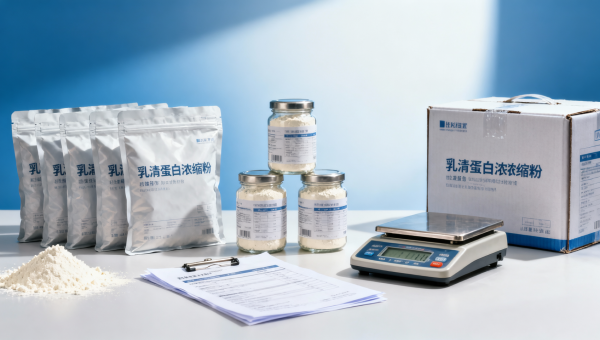
Comparing whey protein concentrate wholesale quotes is not a simple price-check exercise. For procurement teams, formulators, distributors, and finance approvers, the real task is to determine which quote delivers the best total commercial value with the lowest quality and supply risk. A low headline price can quickly become expensive if protein content is overstated, documentation is incomplete, lead times are unstable, or import compliance creates delays. The same evaluation logic also applies when sourcing adjacent ingredients such as wholesale collagen peptides, rice protein powder organic, pea protein isolate powder, isolated soy protein bulk, fructooligosaccharides FOS wholesale, chicory root fiber bulk, wholesale inulin powder, monk fruit extract mogroside, and xylitol sweetener wholesale.
In practice, buyers should compare wholesale quotes across six areas: specification consistency, certifications and test evidence, MOQ and pricing structure, logistics and landed cost, supplier reliability, and commercial terms. If two whey protein concentrate wholesale offers look similar on paper, the better quote is usually the one with clearer technical data, stronger batch consistency, and fewer hidden downstream costs.
What should buyers compare first when reviewing whey protein concentrate wholesale quotes?
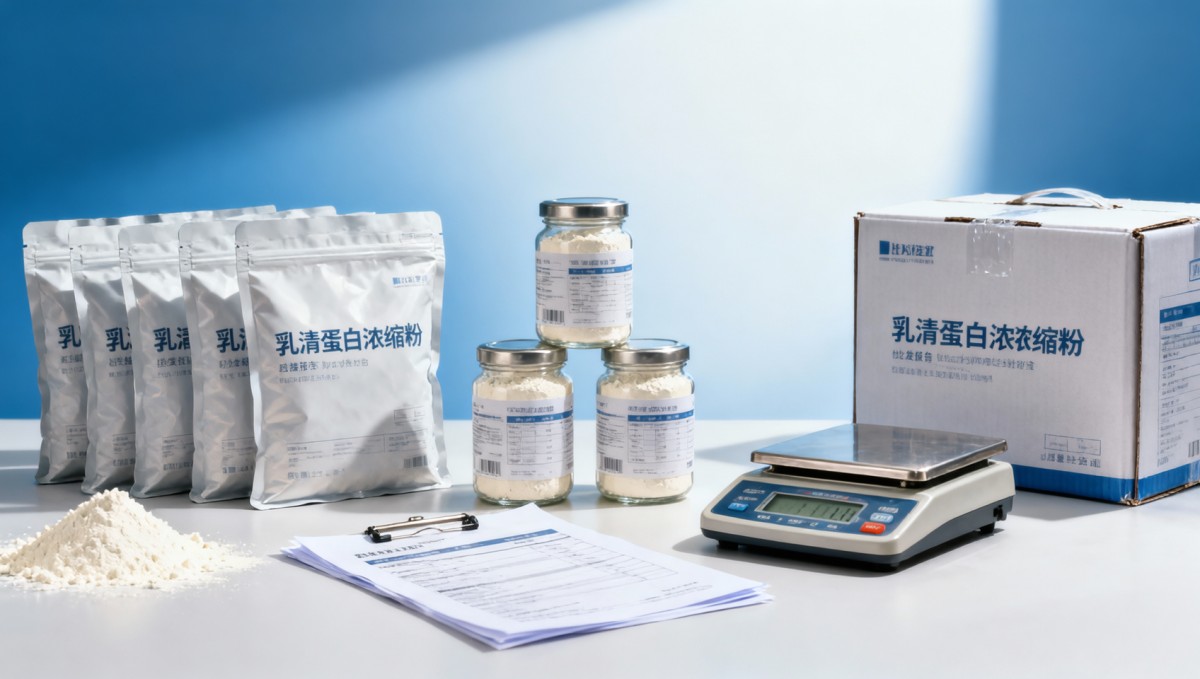
The first question is not “Which supplier is cheapest?” but “Are these quotes actually for the same product?” Many buyers unintentionally compare unlike-for-like offers. One supplier may quote WPC 34, another WPC 80, and a third may use a similar product name while offering different protein content, instantization, lecithin level, microbiological limits, or packaging format.
Start by standardizing the comparison sheet. For each whey protein concentrate wholesale quote, verify:
- Protein percentage on dry basis
- Moisture, ash, fat, and lactose levels
- Instantized or non-instantized status
- Flavor or unflavored grade
- Microbiological specifications
- Heavy metals and contaminant limits
- Packing size, liner type, and palletization
- Shelf life and storage conditions
- Country of origin and manufacturing site
Without this normalization step, price comparison is misleading. A cheaper quote may reflect lower protein content, weaker flowability, shorter shelf life, or looser microbiological standards. For food, beverage, sports nutrition, and industrial processing buyers, specification alignment is the foundation of a valid quote comparison.
How do you tell whether a lower quote is actually a higher-risk offer?
A low wholesale quote often carries hidden risks that appear later in production, quality review, or delivery. This is especially important for procurement managers, QA teams, and project leaders responsible for continuity and compliance.
Warning signs include:
- Missing or outdated certificate of analysis
- No recent third-party testing support
- Unclear allergen handling controls
- Vague answers on traceability and lot coding
- Large price gaps with no technical explanation
- Inconsistent MOQ, lead time, or payment terms across discussions
- No clear export documentation capability
If a supplier cannot explain why its whey protein concentrate wholesale price is significantly lower, buyers should investigate carefully. In many cases, the difference comes from lower-grade raw material, inconsistent processing, blended product positioning, or weak service capability. For enterprise buyers, the cost of a failed batch, a delayed launch, or a rejected shipment can far exceed any unit-price savings.
Which technical and quality documents matter most?
For wholesale protein ingredients, documentation is often more important than sales claims. Quality managers and safety teams need evidence, not marketing language. The strongest quotes are backed by a complete and current document package.
Request and compare:
- Certificate of Analysis for recent production lots
- Product specification sheet
- Manufacturing flow chart or process summary
- HACCP, ISO, FSSC 22000, BRC, Halal, Kosher, or other relevant certifications
- Allergen statement
- Non-GMO statement where applicable
- Heavy metal, microbiology, and contaminant test results
- Country-of-origin declaration
- Packaging specification and shelf-life validation
- Sample retention or batch traceability policy
This discipline also helps when comparing other bulk ingredients such as pea protein isolate powder, isolated soy protein bulk, or rice protein powder organic. In all cases, robust documentation reduces procurement uncertainty and supports internal approval from QA, regulatory, and finance stakeholders.
How should MOQ, pricing tiers, and payment terms be evaluated?
MOQ is not just a purchasing threshold; it directly affects working capital, warehouse usage, inventory risk, and supply flexibility. A supplier may provide an attractive whey protein concentrate wholesale unit price but only at a volume that exceeds your practical demand window.
When assessing quote structure, compare:
- Base MOQ per SKU
- Price breaks by volume
- Mixed container options
- Trial order availability
- Payment terms such as T/T, LC, OA, or deposit balance terms
- Currency exposure and validity period of quote
- Price adjustment mechanism for dairy market changes
For financial approvers, the best quote is not always the lowest ex-works number. A slightly higher quote with smaller MOQ, more favorable payment terms, and stable replenishment can generate better cash-flow efficiency and lower obsolete inventory risk.
Why landed cost matters more than ex-works price
Many buyers compare only quoted factory price and overlook logistics. That approach can distort decision-making, especially in cross-border ingredient trade. The relevant number is landed cost: the total cost to bring compliant product into your facility or distribution network.
To calculate a meaningful comparison, include:
- Incoterms such as EXW, FOB, CIF, DDP, or DAP
- Ocean or air freight
- Customs duties and taxes
- Port handling and clearance fees
- Insurance
- Local transport
- Warehousing and cold-chain needs if applicable
- Expected losses from delay, damage, or reinspection
This is especially important for distributors and importers comparing whey protein concentrate wholesale quotes across countries. A low FOB price may be less competitive than a higher CIF or DDP offer once total landed cost and lead-time reliability are included.
How can buyers assess supplier reliability beyond the quote itself?
A quote is only one snapshot. What matters in long-term procurement is whether the supplier can consistently deliver the same product, under the same quality standard, on the same timeline. For procurement teams serving industrial nutrition, food processing, or private-label operations, reliability is often the deciding factor.
Useful evaluation points include:
- Production capacity and surge capacity
- Export history to your target market
- Response speed and technical communication quality
- Consistency of test data across multiple lots
- Complaint handling process
- Recall readiness and traceability system
- References from similar buyers or regions
- Ability to support audits or remote qualification
A reliable supplier typically provides precise answers quickly, shares documents without resistance, and maintains consistency between commercial claims and technical records. The same benchmarking standard should be used when sourcing specialty ingredients such as fructooligosaccharides FOS wholesale, chicory root fiber bulk, wholesale inulin powder, monk fruit extract mogroside, or xylitol sweetener wholesale.
What questions should procurement and QA teams ask before approving a supplier?
Cross-functional approval works best when procurement, quality, operations, and finance use a shared checklist. Before final selection, buyers should ask:
- Is the quoted whey protein concentrate grade exactly suitable for the intended formulation or application?
- Are batch-to-batch tolerances acceptable for our production process?
- Do certifications match our market and customer requirements?
- Can the supplier maintain continuity during seasonal or commodity price fluctuations?
- What is the realistic lead time, not just the quoted lead time?
- Are claims such as instantized, organic, or non-GMO fully documented?
- What is the cost impact if a batch fails incoming inspection?
- Can we obtain samples from the same production standard as commercial lots?
This level of questioning helps move the discussion from price alone to operational fit. It is especially useful for project managers, plant operators, and decision-makers who must protect timelines, margins, and product performance.
A practical quote comparison framework buyers can use
To simplify evaluation, assign weighted scores to each quote. For example:
- Technical specification match: 25%
- Documentation and certifications: 20%
- Price and payment terms: 20%
- MOQ and supply flexibility: 10%
- Logistics and landed cost: 15%
- Supplier reliability and communication: 10%
This method is far more effective than selecting the lowest number in a spreadsheet. It creates an auditable procurement rationale, supports internal approval, and helps buyers explain why one whey protein concentrate wholesale quote represents better business value than another.
Conclusion: the best whey protein concentrate wholesale quote is the one with the strongest total value
When comparing whey protein concentrate wholesale quotes, buyers should focus on total value, not only nominal price. The right supplier offer combines the correct specification, credible quality documentation, practical MOQ, predictable logistics, and proven reliability. That is what protects margins, production stability, and brand reputation.
For organizations sourcing across broader ingredient categories, from wholesale collagen peptides to pea protein isolate powder and wholesale inulin powder, the principle remains the same: normalize the specification, verify the evidence, calculate landed cost, and assess long-term supply confidence. Buyers who follow this approach make better purchasing decisions, reduce hidden risk, and build stronger supplier partnerships over time.
Related Intelligence
- Natural IngredientsIndonesia BPOM Updates Label Rules for Natural Ingredients ImportsIndonesia BPOM updates label rules for natural ingredients imports: New pH ≤4.6 & 60°C/30min tolerance statement required by Aug 1, 2026 — act now to avoid customs rejection.
- Natural IngredientsIndonesia BPOM Updates Natural Ingredients Import LabelingIndonesia BPOM Updates Natural Ingredients Import Labeling: New 'Microbial Resistance Profile' required for cosmetics, supplements & personal care imports—act now to avoid customs delays.
- Natural IngredientsXylitol sweetener wholesale for gum or tablets?Xylitol sweetener wholesale for gum or tablets? Compare grades, sourcing, and compliance, plus fructooligosaccharides fos wholesale, wholesale inulin powder, and monk fruit extract mogroside.
The Morning Broadsheet
Daily chemical briefings, market shifts, and peer-reviewed summaries delivered to your terminal.
