
Guar Gum Powder Bulk: How to Avoid Supply Risks
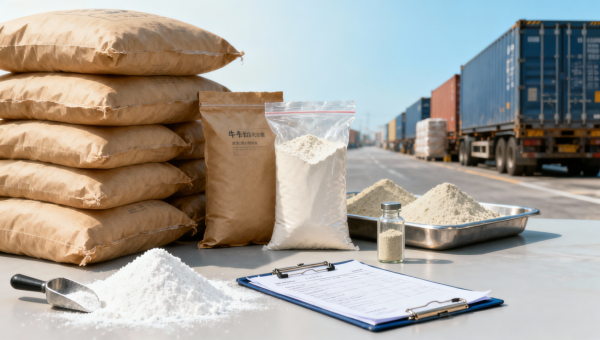
Bulk guar gum procurement becomes risky when teams treat it as a simple commodity purchase. In practice, the main failures usually come from inconsistent viscosity, weak batch traceability, shipping disruption, origin concentration, and contracts that do not protect buyers when specifications drift. For procurement managers, quality teams, operators, and commercial decision-makers, the safest approach is to qualify suppliers against technical performance, supply continuity, regulatory readiness, and response speed before committing volume. The goal is not just lower unit cost, but stable production, fewer claims, and better margin protection.
What supply risks matter most when buying guar gum powder in bulk?
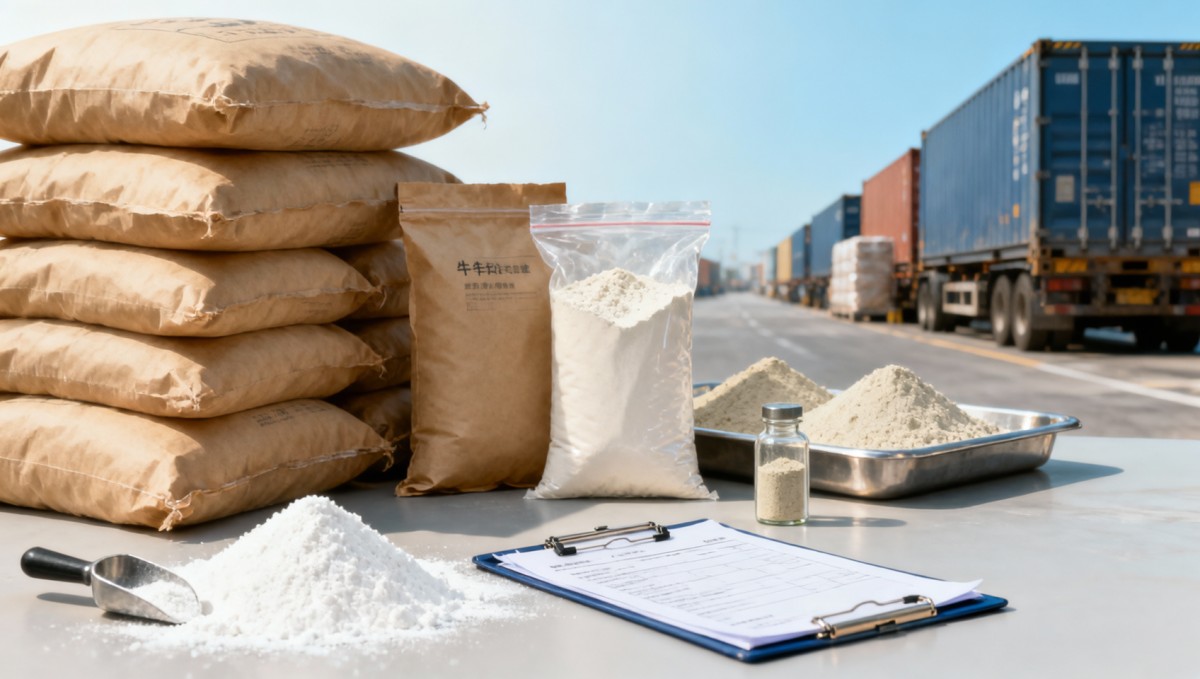
When users search for guar gum powder bulk, they are usually not looking for a basic ingredient definition. They want to know how to buy at scale without exposing operations to avoidable supply failure. That means identifying the risks that actually interrupt manufacturing, food processing, feed applications, or industrial formulations.
The most important risks typically include:
- Specification inconsistency: Viscosity, particle size, hydration rate, moisture, ash, microbiological status, and pH can vary from batch to batch.
- Origin and crop volatility: Guar supply is heavily linked to agricultural output, weather patterns, regional policy changes, and export logistics.
- Freight and lead-time disruption: Delays at origin ports, container shortages, route changes, and customs issues can suddenly extend replenishment cycles.
- Insufficient traceability: Poor documentation can create compliance problems and slow investigations when quality complaints arise.
- Regulatory or documentation gaps: Missing COAs, allergen declarations, microbiological test records, or food/feed compliance documents can delay release.
- Weak supplier redundancy: Relying on a single processor or exporter increases exposure to shutdowns, crop shortages, and commercial disputes.
- Contract exposure: If supply agreements do not define quality tolerances, claims procedures, substitution rules, and delay liabilities, buyers absorb too much risk.
For most organizations, the real cost of supply risk is not the invoice price. It is the downstream impact: line stoppages, reformulation costs, customer complaints, excess safety stock, failed audits, and rushed spot buying at unfavorable prices.
How should buyers evaluate guar gum suppliers beyond price?
A low offer is attractive only if the supplier can repeatedly deliver material that performs the same way in production. Supplier evaluation should therefore combine commercial, technical, and operational checks.
Start with manufacturing capability. Buyers should confirm whether the supplier is a direct manufacturer, a processor, a trader, or a mixed model. Direct visibility into processing capacity, cleaning systems, milling controls, blending practices, and packaging lines usually improves predictability.
Then verify quality system maturity. Practical indicators include:
- Documented batch records and lot traceability
- Defined incoming raw material inspection procedures
- In-process control for mesh size, moisture, and viscosity
- Retained samples and complaint investigation process
- Third-party audits or recognized quality certifications where applicable
Next, assess supply resilience. Ask questions such as:
- How many months of raw material or finished stock can they support?
- Do they have multiple sourcing points for guar splits or seeds?
- Can they ship from more than one warehouse or port?
- What is their historical on-time delivery rate?
- How do they allocate stock during market shortages?
Finally, evaluate responsiveness. A reliable supplier should be able to answer technical questions quickly, issue documentation without delay, and explain deviations clearly. Slow communication during qualification is often a warning sign for future claim handling.
Which specifications should quality and procurement teams lock down before ordering?
One of the most common bulk sourcing mistakes is buying against a generic guar gum description instead of an application-specific specification. The correct specification should reflect how the powder performs in your actual process, not just what appears on a sales sheet.
At minimum, teams should review and align on:
- Viscosity range: Critical for thickening, stabilizing, and texture performance.
- Particle size / mesh: Affects dispersion, hydration speed, and downstream mixing behavior.
- Moisture content: Important for shelf life, flowability, and microbial risk control.
- Purity and insoluble matter: Relevant to filtration, appearance, and process stability.
- Microbiological limits: Essential for food, feed, and sensitive industrial applications.
- pH and hydration behavior: Useful where formulation compatibility matters.
- Packaging format: Impacts contamination risk, handling efficiency, and warehouse practicality.
Buyers should also define whether equivalency by certificate is acceptable or whether pre-shipment samples and production trials are required. For higher-risk applications, approving a commercial lot only after lab validation and plant testing can prevent expensive disruptions.
A practical step is to build a supplier scorecard that weights not only price, but also viscosity consistency, deviation frequency, release documentation accuracy, and complaint closure performance.
How can companies reduce logistics and inventory risk in guar gum supply?
Even a technically strong supplier can become a weak link if logistics are fragile. Guar gum powder bulk supply should be planned with realistic lead times and disruption scenarios, especially when imports depend on concentrated origins and long sea routes.
Risk reduction strategies include:
- Dual-source qualification: Approve at least one alternate supplier before a disruption occurs.
- Safety stock based on real lead-time variability: Do not rely on nominal transit time; include customs, congestion, and inland transfer delays.
- Split-shipment planning: Avoid concentrating all monthly volume in one vessel or one booking window.
- Regional warehousing: Local or near-market stock can reduce production exposure.
- Demand forecasting alignment: Procurement, production, and finance should work from the same consumption assumptions.
- Supplier inventory visibility: Ask for stock position updates during high-volatility periods.
For project managers and financial approvers, the key question is not whether buffer inventory adds cost, but whether the cost of buffer stock is lower than the cost of downtime, expediting, or lost customer orders. In many cases, modest inventory discipline protects both margins and service levels.
What should contracts include to protect buyers from quality drift and supply interruption?
Many supply problems become expensive because the purchase agreement is too vague. A strong guar gum bulk contract should clearly define commercial obligations and technical expectations.
Important clauses often include:
- Detailed product specification annex: Attach approved technical parameters and test methods.
- Certificate and document requirements: COA, origin, compliance statements, microbiological data, and any application-specific declarations.
- Lot acceptance and rejection process: Define sampling rules, testing windows, and dispute resolution timing.
- Deviation notification obligation: Supplier must disclose process, raw material, or packaging changes before shipment.
- On-time delivery commitments: Include agreed lead times and remedies for repeated delays.
- Force majeure and allocation terms: Clarify how volume is prioritized during shortage.
- Claim and compensation mechanism: Address non-conforming product, freight failures, and consequential handling costs where negotiable.
For larger buyers, framework agreements can be combined with quarterly pricing reviews and service-level KPIs. This provides enough commercial flexibility without sacrificing operational control.
When is a lower bulk price actually a higher total cost?
Bulk guar gum pricing should never be assessed in isolation. A lower quoted price can become a higher total cost if the material causes lower yield, longer mixing time, unstable product texture, rework, customer complaints, or excess incoming inspection effort.
Total cost evaluation should include:
- Usable performance in production
- Batch-to-batch consistency
- Freight reliability and demurrage exposure
- Required safety stock levels
- Administrative cost of document correction and claim handling
- Risk of line interruption or delayed release
This is especially relevant for business evaluators and enterprise decision-makers. A supplier that is slightly more expensive per metric ton may still be financially superior if it reduces process loss, protects customer delivery schedules, and lowers emergency procurement frequency.
What is a practical due diligence checklist before placing a bulk guar gum order?
Before approving a new supplier or expanding volume with an existing one, teams can use a simple due diligence sequence:
- Confirm application fit: Match guar gum grade to the intended use and process conditions.
- Review technical specification: Lock critical quality attributes and testing methods.
- Obtain samples: Run lab and production validation, not just visual inspection.
- Verify documentation: Check COA format, traceability, declarations, and compliance records.
- Assess plant and supply capacity: Understand production scale, stock policy, and sourcing redundancy.
- Stress-test lead time: Evaluate normal, peak-season, and disruption scenarios.
- Negotiate contract protections: Define acceptance criteria, deviation rules, and remedy process.
- Set supplier KPIs: Track on-time delivery, spec conformity, and response time.
This checklist helps operators, procurement teams, QC staff, and managers move from reactive buying to controlled sourcing.
In bulk guar gum purchasing, the safest strategy is not simply finding available supply. It is building a sourcing model that can withstand quality variation, logistics pressure, and market volatility. Buyers who focus on supplier traceability, specification discipline, inventory planning, and contract clarity are far more likely to secure stable, compliant, and cost-effective supply. If your organization is evaluating guar gum powder bulk offers, the right question is not “Who is cheapest today?” but “Which supplier can protect our production, quality, and margins over time?”
Related Intelligence
- Natural IngredientsIndonesia BPOM Tightens Import Rules for 3 Mushroom ExtractsIndonesia BPOM tightens import rules for Ganoderma lucidum, Grifola frondosa & Hericium erinaceus extracts — GMP + AOAC validation now mandatory from June 1, 2026. Act now!
- Natural IngredientsKonjac Glucomannan Powder: What Affects Quality?Konjac glucomannan powder quality explained: compare purity, viscosity, moisture, and supplier consistency with locust bean gum wholesale, guar gum powder bulk, and carrageenan gum wholesale.
- Natural IngredientsLocust Bean Gum Wholesale: What Buyers Should CheckLocust bean gum wholesale buyers should check purity, viscosity, traceability, and supply reliability. Compare guar gum powder bulk, carrageenan gum wholesale, and konjac glucomannan powder wisely.
The Morning Broadsheet
Daily chemical briefings, market shifts, and peer-reviewed summaries delivered to your terminal.
