
EU to Tighten Palm Oil Sustainability Rules, Impacting China's Edible Oil Trade
Introduction
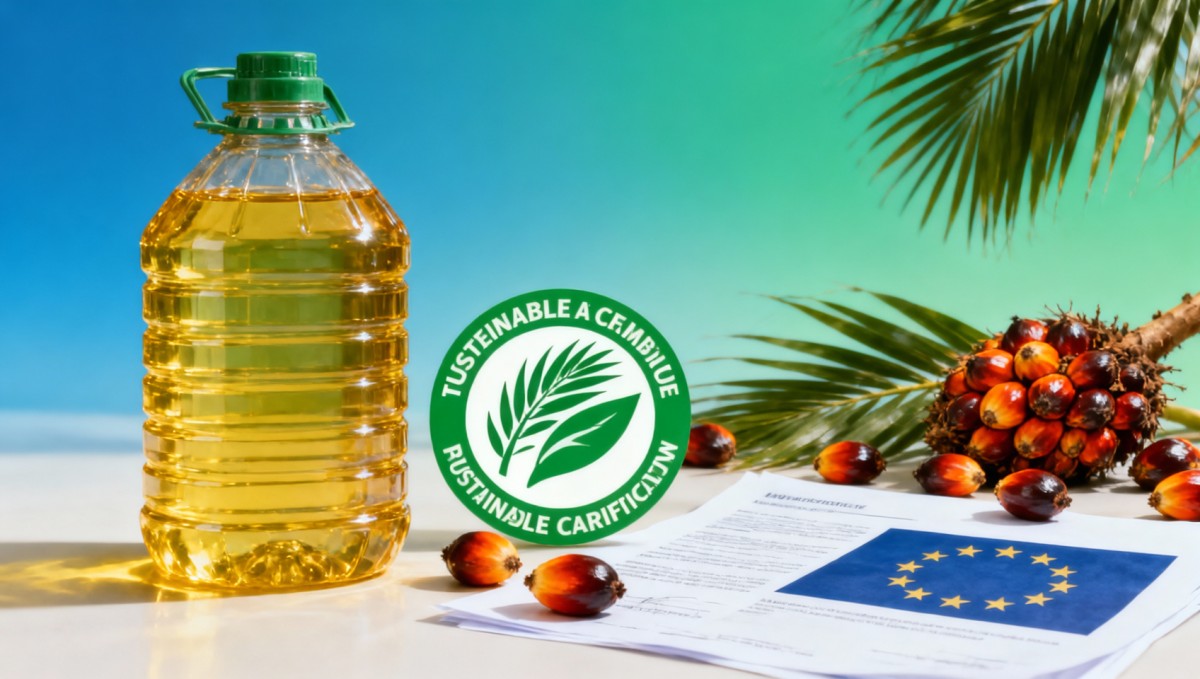
The European Union plans to implement stricter sustainability certification requirements for palm oil derivatives by Q3 2026, coinciding with supply disruptions caused by Indonesia's B50 biodiesel policy and potential export tax hikes. This development creates dual pressure for China's edible oil industry - facing both international trade compliance challenges and domestic price volatility, particularly in soybean-palm oil spreads. The changes warrant attention from vegetable oil refiners, commodity traders, and exporters of premium edible oils.
Event Overview
The confirmed developments include: 1) EU's upcoming mandate for RSPO or ISCC PLUS certification on palm oil derivatives imports effective 2026 Q3; 2) Indonesia's B50 biodiesel policy tightening global palm oil supply; 3) Widening price inversion between Chinese soybean and palm oil markets. These factors collectively reshape procurement strategies for oil processing enterprises.
Impact on Key Sectors
Vegetable Oil Refiners
Refineries relying on palm oil derivatives face reformulation costs and potential EU market access barriers. The certification requirements may increase compliance costs by 8-12% for uncertified suppliers, according to industry benchmarks.
Commodity Traders
Traditional palm oil traders must reassess supply chains as Indonesia's domestic biodiesel absorption reduces export volumes. The soybean-palm price inversion (currently $120/ton premium for palm) disrupts conventional substitution economics.
Premium Edible Oil Exporters
Producers of non-GMO soybean and sunflower oils gain competitive advantage in EU markets. Analysis shows European buyers increasingly prefer fully traceable alternatives to palm-based ingredients.
Strategic Considerations
Certification Timeline Management
Enterprises should evaluate RSPO/ISCC certification pathways now, considering the 18-24 month typical implementation period for complex supply chains.
Alternative Oil Portfolio Development
Refiners need to accelerate non-palm oil capability building, particularly in high-oleic sunflower and specialty rapeseed oil processing that meets EU quality standards.
Price Risk Mitigation
Trading firms should implement dynamic hedging strategies to manage unusual soybean-palm spread volatility through 2025.
Industry Perspective
This represents a structural shift rather than temporary disruption. The EU's move aligns with its deforestation-free supply chain regulations, suggesting lasting compliance requirements. Meanwhile, Indonesia's biofuel policies may sustain palm oil supply tightness beyond 2026. Chinese processors face dual pressure to both upgrade sustainability credentials and diversify raw material sources.
Conclusion
The regulatory changes create a inflection point for China's edible oil sector. While presenting immediate compliance challenges, they also accelerate innovation in sustainable oil production. Market participants should view this as an opportunity to develop higher-value product lines for quality-conscious markets.
Sources
1. EU Commission draft regulation on palm oil derivatives (pending publication)
2. Indonesian Biodiesel Mandate Policy Documents
3. China Edible Oil Association market reports
*Palm oil certification cost estimates based on RSPO benchmark data
Related Intelligence
- Natural IngredientsOrganic Spirulina Powder Bulk: The Moisture Level to WatchOrganic spirulina powder bulk moisture levels can impact stability, yield, and shipment risk. Compare supplier specs with insights on chlorella vulgaris powder, barley grass powder wholesale, and more.
- Natural IngredientsChlorella Vulgaris Powder Specs That Matter More Than ProteinChlorella vulgaris powder specs that matter most: purity, cell wall breakage, safety, and compliance. Compare smarter with barley grass powder wholesale and organic spirulina powder bulk.
- Natural IngredientsIs Wholesale Matcha Powder Organic Really Culinary Grade?Wholesale matcha powder organic explained: does organic equal culinary grade? Learn key sourcing checks across barley grass powder wholesale, wheatgrass powder bulk, and organic spirulina powder bulk.
The Morning Broadsheet
Daily chemical briefings, market shifts, and peer-reviewed summaries delivered to your terminal.
