
Cordyceps Extract Wholesale Pricing Often Hides What
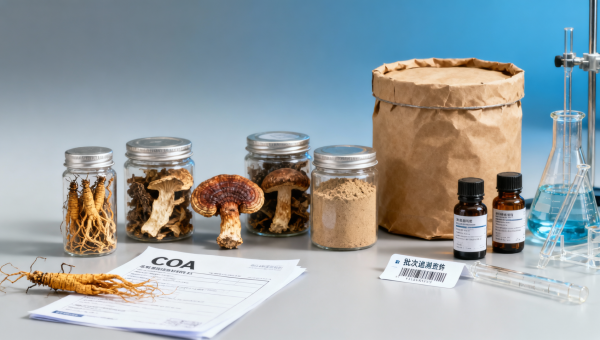
Cordyceps extract wholesale pricing often looks attractive at first glance, but hidden variables in potency, traceability, testing, and compliance can quickly reshape total procurement cost. For buyers comparing maitake mushroom extract, shiitake mushroom powder, chaga mushroom extract, and reishi mushroom extract bulk, understanding what sits behind the quote is essential to avoiding quality, regulatory, and supply chain risks.
Why cordyceps extract wholesale pricing can be misleading at first review
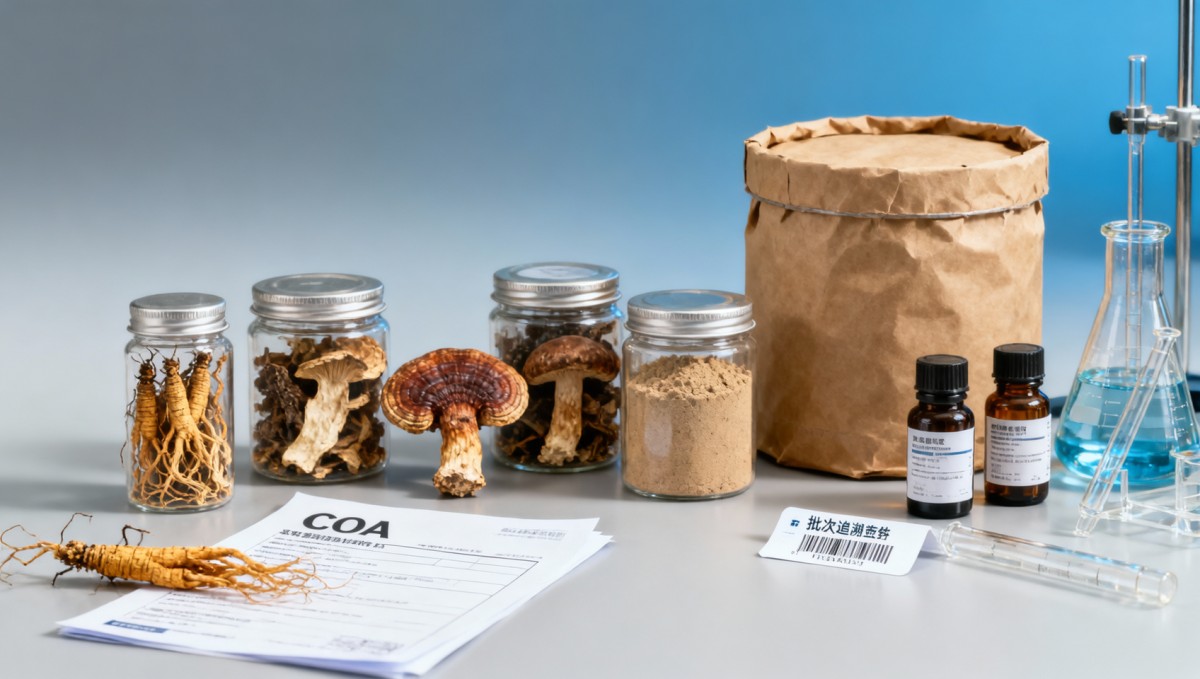
In industrial procurement, a low headline price for cordyceps extract rarely tells the full story. Two suppliers may quote the same material category, yet one is offering a spray-dried powder with limited active marker control, while the other provides a standardized extract with tighter batch consistency, fuller documentation, and stronger traceability. That difference can affect not only formulation performance but also audit readiness and downstream quality costs.
For procurement managers, technical evaluators, and finance approvers, the real issue is total landed value over a 3-part decision cycle: qualification, delivery, and operational use. A quote that appears 15% lower can become more expensive once retesting, higher use rates, import documentation delays, or rejected batches are factored in. This is especially relevant when cordyceps extract is sourced alongside maitake mushroom extract, chaga mushroom extract, or reishi mushroom extract bulk for broader product portfolios.
In the bio-extracts and ingredients segment, hidden price distortion often starts with specification ambiguity. A listing may say “10:1 extract” without clarifying extraction solvent, raw material origin, carrier ratio, mesh size, moisture range, or whether marker compounds were tested by an accredited third-party laboratory. Without these details, buyers are not comparing equivalent goods, even when the unit price is presented in the same currency and packaging format.
AgriChem Chronicle focuses on this procurement gap because industrial buyers in agricultural, biochemical, and fine chemical supply chains need more than promotional claims. They need a disciplined framework that helps operators, QC teams, project managers, and sourcing leads determine what is truly included in the quote, what remains uncertain, and what could trigger risk within 7–15 days of receipt or 2–4 weeks into qualification testing.
The 5 hidden cost drivers behind a low quote
- Standardization level: A non-standardized powder may require a higher dosage per finished batch than a more concentrated extract.
- Documentation depth: Missing COA details, allergen statements, residual solvent declarations, or origin documents can slow approval.
- Batch variability: Wider moisture, ash, or active-marker variation increases formulation and QC uncertainty.
- Testing burden: Cheaper lots may require additional identity, heavy metal, or microbiological checks before release.
- Supply continuity: A lower-cost supplier with unstable lead times can disrupt quarterly purchasing plans and safety stock strategy.
When these five factors are reviewed together, cordyceps extract wholesale pricing becomes a qualification issue rather than a simple cost-per-kilogram decision. That is the point many buyers miss during the first RFQ round.
What buyers should compare before accepting any cordyceps extract quotation
Serious comparison starts with specification alignment. If one offer is based on cordyceps extract powder with carriers and another is based on a cleaner extract with tighter assay control, the cheaper figure does not represent equivalent value. The same problem appears when buyers compare shiitake mushroom powder, maitake mushroom extract, and reishi mushroom extract bulk using only price sheets instead of technical files.
Technical assessment teams usually work across 4 core dimensions: identity, potency, safety, and usability. Procurement teams add 3 more: lead time, commercial terms, and supply reliability. Finance teams then ask whether the higher-priced option reduces rejection risk or lowers effective use cost. A structured comparison table helps different stakeholders review the same quote through their own approval criteria without losing alignment.
The table below outlines practical dimensions that should appear in a serious quotation review. These points are useful not only for cordyceps extract wholesale pricing but also for cross-category sourcing in medicinal mushroom ingredients, including chaga mushroom extract and maitake mushroom extract where extract ratio claims are frequently misunderstood.
This comparison method prevents teams from approving a quote based on appearance alone. It also gives project managers a cleaner way to explain to finance why a material that costs more per kilogram may still deliver lower total procurement risk over a 6–12 month sourcing cycle.
How operators and QC teams should read a specification sheet
Operators usually care about flowability, solubility or dispersibility, color consistency, and odor stability. QC managers focus more on identity methods, plate count limits, moisture, and foreign matter control. Both perspectives matter. An extract that passes price review but performs poorly on the production floor can increase downtime, blend inconsistency, or capsule fill variation.
A practical review should include at least 6 checkpoints: extract ratio or assay basis, excipient presence, microbiological limits, heavy metals scope, storage condition, and shelf-life statement. For many industrial buyers, standard storage ranges such as cool, dry conditions and protected packaging are common, but exact statements still matter because ambiguous labels can complicate warehouse handling and complaint management.
If the supplier cannot clarify these points within 2–3 business days during pre-purchase review, that is already an operational signal. Documentation responsiveness often reflects broader supply discipline.
Cordyceps extract vs maitake, chaga, shiitake, and reishi bulk: where pricing differences come from
Buyers often compare cordyceps extract wholesale pricing with adjacent mushroom ingredients because procurement plans may cover several SKUs in one category. That approach is valid, but only when the comparison accounts for processing method, concentration, intended application, and documentation level. A bulk shiitake mushroom powder is not directly comparable to a standardized cordyceps extract, even if both are sold into nutraceutical or ingredient channels.
Price formation across these materials typically reflects 4 variables: raw material availability, extraction complexity, standardization requirement, and end-market compliance burden. Chaga mushroom extract, maitake mushroom extract, reishi mushroom extract bulk, and cordyceps extract can all occupy different price bands depending on whether they are simple powders, hot-water extracts, dual extracts, or marker-standardized ingredients.
The next table provides a practical decision view for cross-category sourcing teams. It is not a universal price chart, but it helps technical and procurement personnel understand why quotations should be reviewed by specification type rather than ingredient name alone.
This side-by-side view is useful when purchasing departments consolidate suppliers or negotiate annual volume agreements. It helps explain why comparing only quotation totals can lead to an uneven portfolio with mismatched quality assumptions across ingredient categories.
When a higher quote may still be the better decision
Scenario 1: You need faster qualification
If a supplier can provide a complete COA set, specification sheet, allergen statement, manufacturing flow summary, and stable lot history at the start, qualification may move faster. For project timelines measured in 2–4 weeks, documentation readiness can be more valuable than a nominal price reduction.
Scenario 2: You need lower formulation variability
A tighter active range may let formulators work with narrower adjustment windows. That can save time during pilot runs and reduce rework in small-batch to medium-batch production environments.
Scenario 3: You serve regulated or audit-sensitive customers
For customers that expect clear supplier qualification records, the better quote is often the one with stronger traceability and compliance support rather than the lowest invoice figure.
What compliance, testing, and traceability should be included in the buying decision
In bio-extract procurement, testing and compliance are not optional extras. They shape acceptance speed, customer confidence, and import practicality. Cordyceps extract wholesale pricing that excludes robust testing support may shift cost from the supplier to your internal lab, your third-party inspection partner, or your complaint-handling process. That is why technical and commercial review should run in parallel rather than in separate stages.
For many buyers, the minimum review package includes identity confirmation, microbiological limits, heavy metals, and a clear lot-linked COA. Depending on market destination and use case, teams may also review pesticide screening, residual solvents, allergen statements, non-GMO declarations, or manufacturing condition statements. Requirements differ, but the principle is stable: if a document is needed after shipment departure, it is already late in the process.
ACC’s editorial approach is especially relevant here because agricultural and fine chemical supply chains increasingly demand cross-functional visibility. A procurement lead may accept price and lead time, but quality assurance still needs document integrity, and compliance managers still need evidence that origin and processing claims can be defended during review. A weak documentation chain can turn a routine import into a 5-step escalation.
A practical 6-point compliance checklist
- Confirm whether the quoted cordyceps extract is standardized, blended, or carrier-based.
- Check if the COA is lot-specific and whether test methods are identified clearly.
- Review microbiological and heavy metal limits against your internal release criteria.
- Verify shelf life, storage condition, and packaging integrity for planned inventory turns.
- Ask for origin and traceability information before commercial approval, not after PO issue.
- Determine whether additional destination-market documentation will be needed within 7–10 days.
This checklist is also applicable when evaluating reishi mushroom extract bulk or chaga mushroom extract. The ingredient name changes, but the procurement logic remains similar: undefined quality costs more than visible quality.
How to build a smarter sourcing process for mushroom extracts
The best sourcing process is not the one that finds the lowest first quote. It is the one that reduces uncertainty before contract placement. For cordyceps extract wholesale pricing, that usually means moving through a structured 4-step workflow: specification alignment, sample review, document validation, and commercial negotiation. Skipping any step often creates cost later in the cycle.
This approach works well for institutional buyers managing portfolios that include maitake mushroom extract, shiitake mushroom powder, chaga mushroom extract, and reishi mushroom extract bulk. It helps teams standardize decisions across categories and reduce dependence on supplier marketing language. It also supports project managers who need clear go/no-go gates before scale-up or launch.
A practical workflow often runs across 2–3 internal functions at minimum and may involve procurement, QA, and technical or regulatory review. In larger organizations, finance approval becomes the fourth gate. When these functions align early, the final buying decision is usually faster and more defensible.
Suggested evaluation workflow
- Step 1: Define the exact required form, such as powder, hot-water extract, or standardized extract, and identify 3 non-negotiable specifications.
- Step 2: Request sample, COA, specification sheet, and traceability summary in the same review window.
- Step 3: Compare at least 2–3 suppliers on effective use cost, not only quoted price per kilogram.
- Step 4: Confirm delivery schedule, packaging format, and document completeness before PO release.
For organizations under deadline pressure, this workflow reduces avoidable rework. It is also easier to communicate internally because each step produces a visible decision record.
FAQ for sourcing and evaluation teams
How should I compare cordyceps extract wholesale pricing across suppliers?
Compare on like-for-like specification first. Match extract type, assay basis, carrier content, contaminant testing, shelf life, and packaging. If these are not aligned, the quotes are not truly comparable.
Is a lower-priced mushroom powder always a better value than an extract?
No. Powder and extract often serve different formulation and dosage roles. A lower-cost shiitake mushroom powder may still have a higher effective use rate than a more concentrated extract, depending on the application.
What documents should I request before approving a first order?
At minimum, ask for a lot-linked COA, specification sheet, storage and shelf-life statement, origin information, and a basic traceability summary. If your market requires it, request additional compliance declarations before shipment booking.
How long does qualification usually take?
For a well-documented ingredient, internal review may move within 1–2 weeks. If additional testing or missing documents are involved, qualification can extend into 3–4 weeks or longer, especially across multi-department approvals.
Why informed buyers use ACC to shorten evaluation time and reduce sourcing risk
AgriChem Chronicle serves buyers who cannot afford vague market information. In categories like cordyceps extract wholesale pricing, where cost, compliance, and technical quality intersect, institutional decision-makers need practical intelligence that connects specifications to procurement outcomes. That includes understanding why one quote is lower, which missing details matter most, and how to compare mushroom extract categories without distorting the decision.
Our editorial strength comes from connecting bio-extracts and ingredients with the wider reality of agricultural, biochemical, and fine chemical supply chains. That perspective helps procurement teams, quality managers, and project leaders evaluate materials through a commercial and operational lens at the same time. It is especially useful when sourcing plans involve multiple ingredients, multiple markets, or multiple internal approvers.
If you are reviewing cordyceps extract, maitake mushroom extract, chaga mushroom extract, shiitake mushroom powder, or reishi mushroom extract bulk, ACC can support more disciplined market reading and supplier comparison. You can engage with us around parameter confirmation, extract type selection, expected lead time ranges, documentation needs, sample evaluation priorities, and quote interpretation for audit-sensitive purchasing environments.
Contact us if you need support clarifying specification gaps, building a shortlist for supplier evaluation, checking which compliance documents should be requested before PO placement, or structuring a cleaner RFQ process for bulk mushroom extracts. These discussions are most valuable when started early, before a low price turns into a costly sourcing mistake.
Related Intelligence
- Natural IngredientsIndonesia BPOM Updates Label Rules for Natural Ingredients ImportsIndonesia BPOM updates label rules for natural ingredients imports: New pH ≤4.6 & 60°C/30min tolerance statement required by Aug 1, 2026 — act now to avoid customs rejection.
- Natural IngredientsIndonesia BPOM Updates Natural Ingredients Import LabelingIndonesia BPOM Updates Natural Ingredients Import Labeling: New 'Microbial Resistance Profile' required for cosmetics, supplements & personal care imports—act now to avoid customs delays.
- Natural IngredientsXylitol sweetener wholesale for gum or tablets?Xylitol sweetener wholesale for gum or tablets? Compare grades, sourcing, and compliance, plus fructooligosaccharides fos wholesale, wholesale inulin powder, and monk fruit extract mogroside.
The Morning Broadsheet
Daily chemical briefings, market shifts, and peer-reviewed summaries delivered to your terminal.
