

The Authority in Global Agricultural Chemistry & Bio-Resources
Bulk Spirulina Powder: Why Color and Odor Vary by Batch
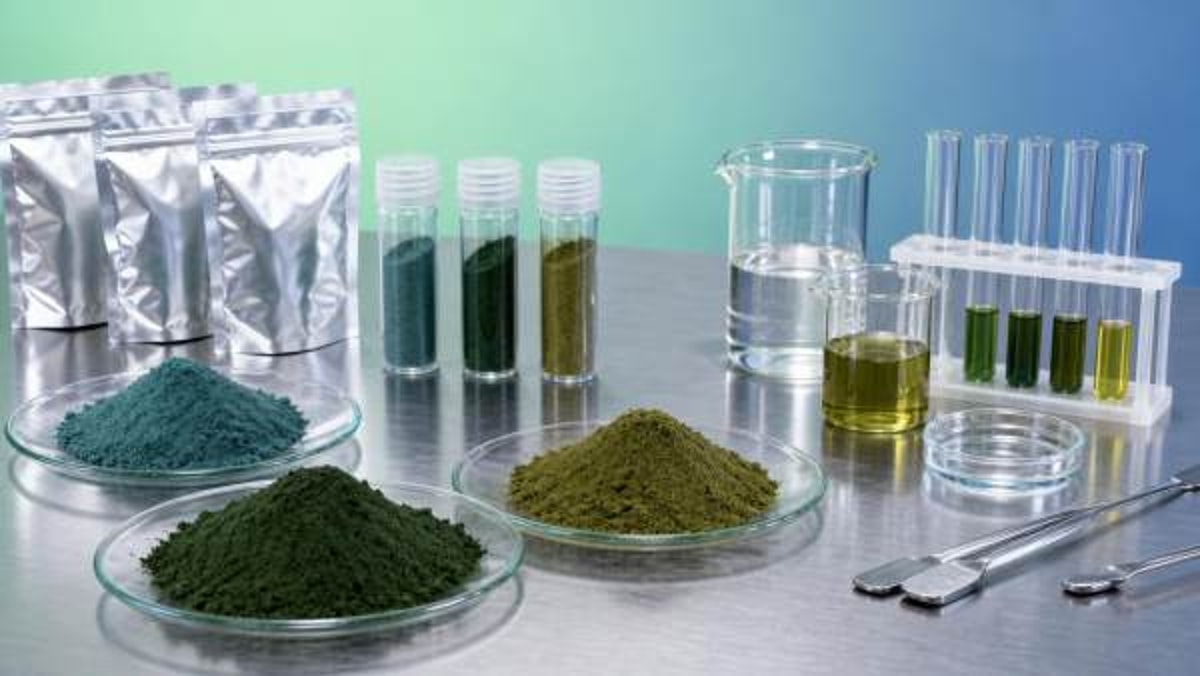
When sourcing bulk spirulina powder, quality control and safety teams often notice that color and odor can shift from one batch to another. These variations do not always indicate contamination or poor processing, but they do require careful evaluation. Understanding the factors behind batch-to-batch differences helps buyers strengthen supplier audits, refine acceptance criteria, and reduce risk across regulated procurement chains.
Why a checklist-based review is the fastest way to judge batch variation
For quality and safety teams, the main challenge with bulk spirulina powder is not simply spotting that one lot looks darker or smells more marine than another. The real task is deciding whether the variation is expected biological variability, a process-related shift, a storage issue, or a nonconformance that should trigger escalation. A checklist approach works better than a purely descriptive review because it forces consistent decisions across incoming inspections, supplier qualification, and release documentation.
Spirulina is a biomass-derived ingredient, and natural raw materials rarely behave like fully synthetic inputs. Pigment concentration, drying history, harvest conditions, moisture movement, packaging exposure, and transport stress can all influence appearance and smell. That means procurement teams should not rely on a single visual impression. Instead, they should compare each batch of bulk spirulina powder against a structured set of acceptance points linked to specification limits, test methods, and intended use.
Start here: the first items to confirm before judging color or odor
Before questioning a supplier, confirm the context of the lot. Many unnecessary deviations are opened because reviewers compare one batch against memory rather than against documented standards. The first pass should focus on traceability, application fit, and the supplier’s declared process conditions.
- Verify the product grade and intended end use. Feed-grade, food-grade, cosmetic-grade, and nutraceutical-grade bulk spirulina powder may differ in color expectations, sensory profile, and allowable process aids.
- Review the certificate of analysis and lot-specific technical data. Check moisture, microbiological results, heavy metals, particle size, and any declared pigment markers such as phycocyanin or chlorophyll-related values.
- Confirm whether the supplier changed harvest season, cultivation basin, drying temperature, milling method, or packaging film. Any of these can affect both color and odor.
- Check sample age and sampling method. A retained sample opened several times may not match a freshly sealed commercial unit.
- Compare against the approved reference standard, not against the last shipment alone. Natural variation should be judged against a range, not a single historical point.
Core inspection checklist for bulk spirulina powder
The most useful incoming inspection workflow breaks evaluation into visual, sensory, analytical, packaging, and documentation checks. Each category helps separate harmless variability from quality risk.
1. Visual assessment: what color differences may mean
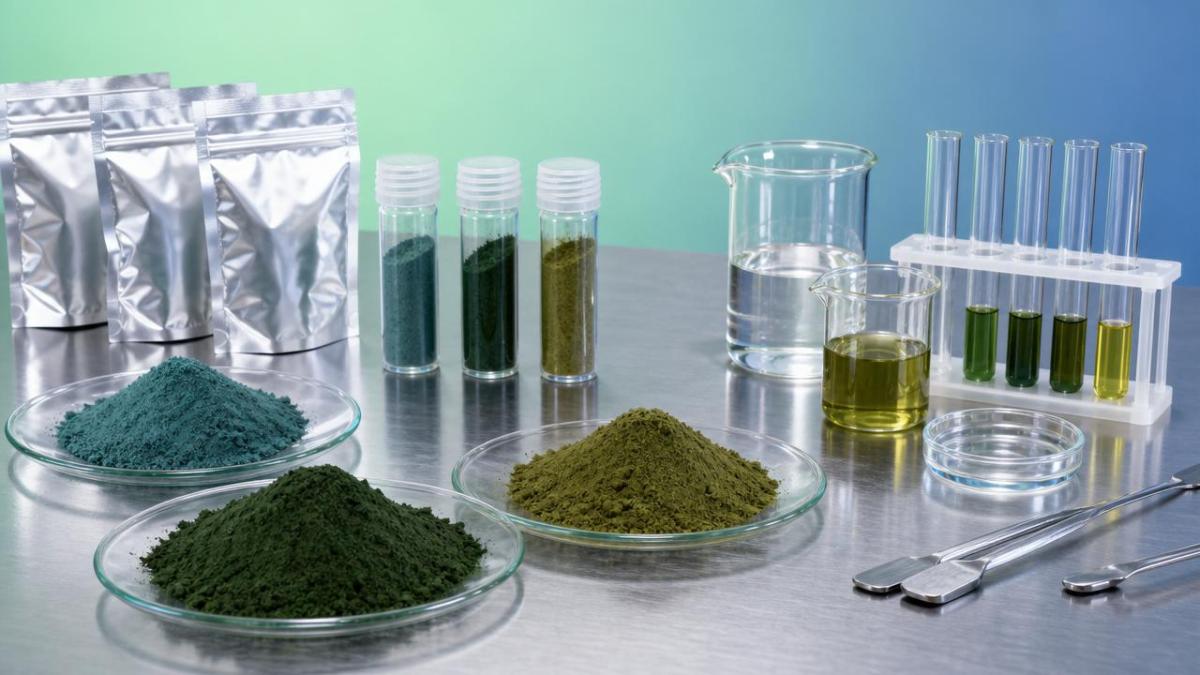
Color variation in bulk spirulina powder usually ranges from blue-green to deep green, olive green, or slightly duller green. The key is whether the difference fits known biological and process variation or suggests degradation.
- A brighter blue-green tone may indicate higher phycocyanin retention, often associated with gentler drying and less pigment damage.
- A darker green or olive shade can reflect higher chlorophyll dominance, seasonal growth differences, or moderate heat exposure during drying.
- A noticeably brown, gray, or faded appearance may suggest oxidation, overheating, prolonged storage, or excessive light exposure.
- Uneven color within the same lot may indicate blending inconsistency, moisture migration, or incomplete milling uniformity.
Quality teams should record color under standardized lighting and, where possible, support visual judgment with instrumental color measurement. A defined L*a*b* range can reduce subjective release decisions for bulk spirulina powder, especially when multiple inspectors or locations are involved.
2. Odor review: when natural marine notes are acceptable
Spirulina naturally carries earthy, algae-like, grassy, and sometimes marine notes. Mild differences between lots are common. The issue is not whether odor exists, but whether the odor profile remains within a validated acceptable range.
- Expected odors include mild seaweed-like, vegetal, grassy, or protein-rich notes.
- A stronger odor may result from higher concentration of volatile compounds, seasonal biomass composition, or shorter post-drying equilibration.
- Sharp rancid, burnt, chemical, musty, or solvent-like odors deserve immediate hold status and deeper investigation.
- Sour or mold-like notes may point to moisture exposure, microbial growth risk, or packaging failure during storage or transit.
3. Analytical checks that should support sensory findings
Sensory review alone is not enough for regulated procurement. If color or odor shifts are flagged, the following tests are often the most useful second-line checks:
- Moisture or water activity, because elevated levels can alter odor intensity and accelerate degradation.
- Microbiological profile, especially total plate count, yeast and mold, and pathogen screening according to product application.
- Pigment-related assays such as phycocyanin content where relevant to functional use.
- Oxidation indicators where the application or formulation justifies them.
- Heavy metals and contaminant screens, particularly for suppliers operating in variable water-source environments.
How to distinguish normal variation from a supplier control issue
Not every difference in bulk spirulina powder should be treated as a deviation, but not every “natural” explanation should be accepted without evidence. A practical judgment standard is whether the lot remains consistent with validated process capability, approved specifications, and historical trend data.
The following signs usually support normal variation: the supplier documented seasonal changes in biomass; all analytical results remain within specification; packaging integrity is intact; and the color or odor difference falls within an agreed internal sensory range. By contrast, risk increases when a visual or odor shift appears together with moisture drift, specification edge results, delayed transit, damaged liners, or undocumented process changes.
Key factors that commonly cause batch-to-batch differences
For buyers of bulk spirulina powder, it helps to map likely causes before raising a quality complaint. Most variation can be traced to one or more of the factors below.
Cultivation and harvest conditions
Water chemistry, sunlight intensity, nutrient balance, harvest timing, and seasonal temperature can all influence pigment profile and volatile compounds. Spirulina harvested under different environmental conditions may remain safe and compliant while still looking or smelling slightly different.
Drying and thermal exposure
Drying is one of the biggest drivers of color retention. Higher heat can reduce brightness, mute blue tones, and create stronger cooked or toasted notes. Even when microbial safety is preserved, small changes in dryer load, dwell time, or inlet temperature can alter lot appearance.
Milling, particle size, and blending
Finer powder may appear darker or more uniform because of light reflection differences. Mixed particle distribution can change how the powder looks in containers and can also influence perceived odor release during opening and sampling.
Storage and packaging exposure
Oxygen, humidity, and light are common reasons why retained samples differ from the original production state. Weak barrier packaging, poor sealing, and repeated opening during warehouse checks can all intensify odor or dull color over time.
Scenario-based guidance for QC and safety teams
Different procurement contexts require different tolerance levels. The same batch difference may be acceptable in one application and unacceptable in another.
Commonly missed risk points in bulk spirulina powder reviews
- Treating color shift as the only signal. Many serious issues first appear through odor, liner condition, or caking rather than hue alone.
- Using vague sensory terms. “Off smell” is hard to investigate. Teams should define terms such as rancid, moldy, burnt, or solvent-like in SOPs.
- Ignoring transit and warehouse data. A compliant production lot can deteriorate if it experiences heat spikes, condensation, or prolonged port delays.
- Failing to trend lot history. One unusual lot may be acceptable, but a sequence of drifting lots may indicate process instability at the supplier.
- Overlooking packaging specifications. The barrier properties of liners and outer bags directly affect color and odor stability in bulk spirulina powder.
Practical execution plan: what to build into your acceptance system
If your organization buys bulk spirulina powder routinely, the most effective control strategy is a layered acceptance system that combines sensory discipline with supplier governance. This can be implemented without overcomplicating release decisions.
- Create a lot evaluation sheet with defined color descriptors, odor descriptors, caking observations, and packaging checks.
- Establish reference retains or digital color standards under controlled lighting.
- Set trigger thresholds for secondary testing when color or odor falls outside routine expectations.
- Require suppliers to disclose material process changes, seasonal harvest shifts, and packaging modifications before shipment.
- Trend complaints, deviations, and nonconformances by supplier, season, and shipping lane.
- Align acceptance criteria with end-use risk. A visually darker batch may be acceptable for one application but not for another.
FAQ for teams evaluating batch variation
Does a darker batch of bulk spirulina powder automatically indicate poor quality?
No. Darker color may result from natural pigment balance, harvest conditions, particle size, or drying differences. It becomes a concern when paired with out-of-spec analytical results, off-odor, or undocumented process changes.
What odor should trigger immediate quarantine?
Rancid, musty, mold-like, chemical, solvent-like, or clearly burnt odors should trigger hold and investigation, especially if packaging damage or moisture rise is also present.
How should specifications handle natural variability?
Use defined ranges, reference samples, and trigger criteria rather than a single descriptive phrase. For recurring procurement, sensory expectations should be linked to test data and supplier process knowledge.
Final checklist for supplier discussions and next-step action
When bulk spirulina powder shows noticeable batch variation, the best next step is not a generic complaint but a focused technical discussion. Ask for harvest timing, drying parameters, packaging specifications, storage recommendations, and lot trend history. Confirm whether the supplier has change-control procedures, retained sample comparisons, and sensory evaluation standards. If your team needs to refine sourcing decisions further, prioritize conversations around acceptance parameters, application-specific tolerances, shelf-life behavior, transport controls, audit evidence, and the documentation needed to support safe, compliant procurement.
Related Intelligence
- Natural IngredientsBulk Antioxidants: Why Oxidation Control Fails in StorageBulk antioxidants can still fail in storage due to moisture, heat, oxygen exposure, and poor handling. Learn the hidden risks and practical controls to protect stability.
- Natural IngredientsWholesale Essential Oils: Why GCMS Reports Don't Tell the Whole StoryWholesale essential oils buyers: learn why GCMS reports alone are not enough. Discover how to assess authenticity, consistency, traceability, and compliance before choosing a supplier.
- Natural IngredientsChlorella Powder Wholesale: How to Screen for Purity RisksChlorella powder wholesale: learn how to screen purity risks, verify COAs, spot heavy metal and microbial issues, and choose safer suppliers with confidence.
The Morning Broadsheet
Daily chemical briefings, market shifts, and peer-reviewed summaries delivered to your terminal.
