
Food Grade Diatomaceous Earth: Safe Uses and Common Mistakes
Understanding Food Grade Diatomaceous Earth: Composition and Regulatory Compliance
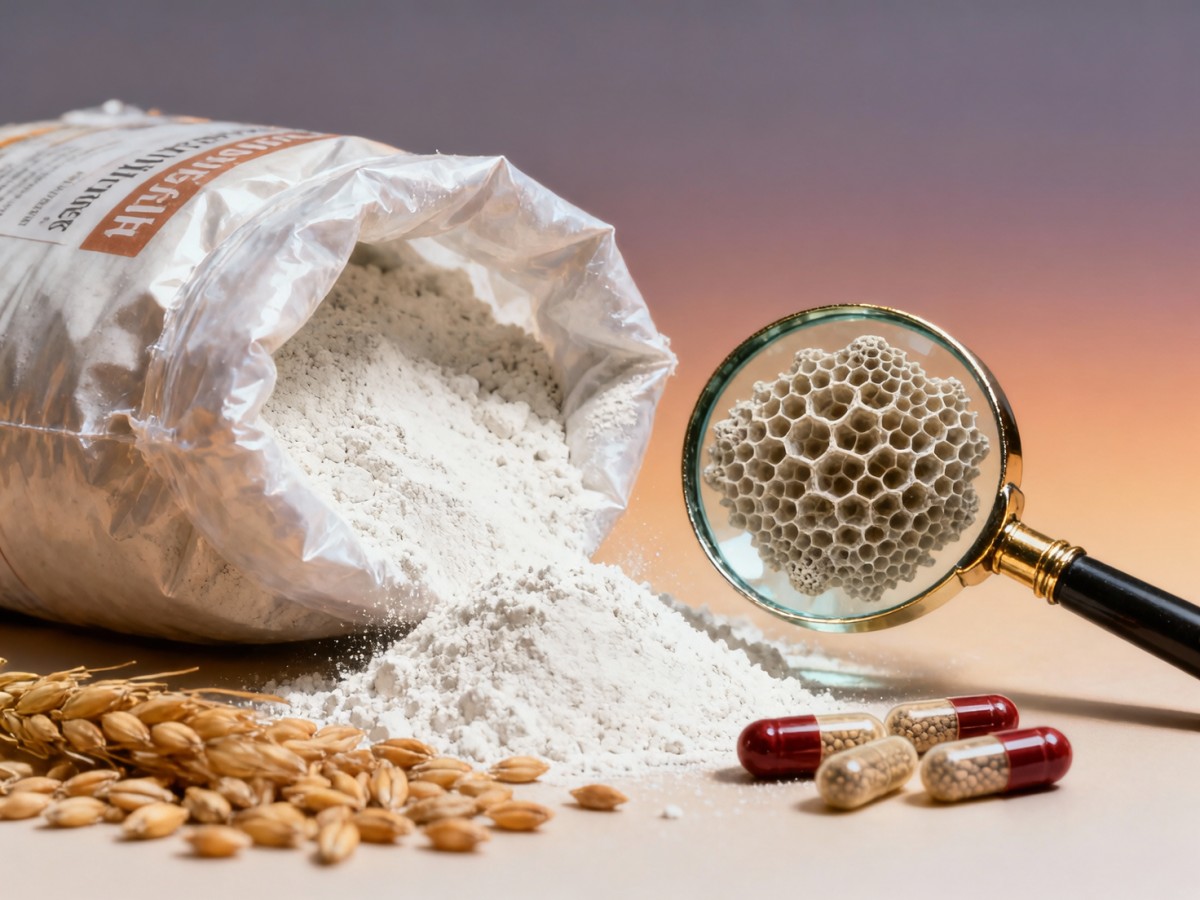
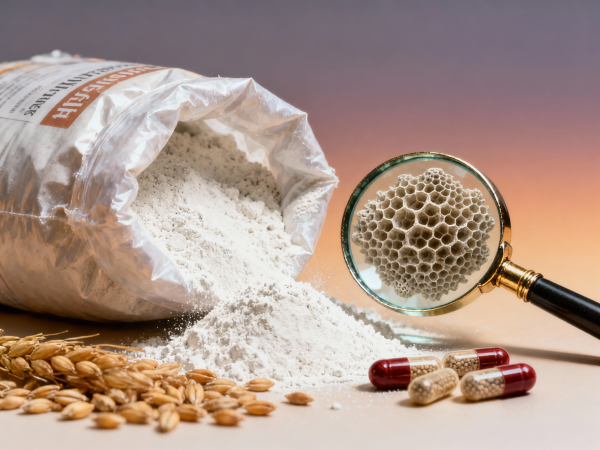
Food grade diatomaceous earth (DE) is a naturally occurring, silica-based powder derived from fossilized diatoms. Unlike industrial-grade DE, which contains crystalline silica and poses respiratory risks, food grade variants must meet strict FDA 21 CFR 182.90 and EPA 40 CFR 180.1001 standards for human and animal consumption. The material's unique honeycomb structure provides exceptional absorption capacity (typically 100-150% of its weight), making it a preferred choice over alternatives like bentonite clay or activated charcoal powder in sensitive applications.
For procurement teams evaluating bulk ingredients, three critical specifications differentiate compliant DE:
The table above highlights why food processing facilities and pharmaceutical manufacturers require certificates of analysis (CoA) verifying these specifications. Unlike industrial DE used in pool filtration or pesticide formulations, food grade material undergoes additional milling and purification processes to achieve particle sizes between 5-20 microns - ideal for uniform dispersion in products ranging from animal feed to tablet excipients.
Industrial Applications: From Grain Storage to Pharmaceutical Manufacturing
In commercial settings, food grade DE serves multiple functions across industries:
- Agricultural Storage: Applied at 1-2% w/w to grain stores, DE acts as a physical insecticide by damaging arthropod exoskeletons while maintaining organic certification status
- Feed Additives: EPA-registered formulations (40 CFR 180.1001) allow up to 2% inclusion in livestock diets for mycotoxin binding and digestive health
- Pharmaceutical Processing: As a glidant in tablet manufacturing, DE improves powder flow at 0.5-2% concentrations under cGMP conditions
- Beverage Clarification: Breweries use DE filtration systems processing 5,000-50,000 liters/hour, achieving turbidity reductions of 90-95%
A 2023 AgriChem Chronicle market analysis revealed that 78% of food processing plants now maintain DE inventories for spill control and anti-caking applications, compared to just 42% in 2018. This growth reflects tightening FDA FSMA regulations on moisture control in bulk ingredients.
Critical Safety Protocols and Common Handling Errors
Despite its "food grade" designation, improper DE handling creates significant operational risks:
Respiratory Protection Requirements
OSHA Permissible Exposure Limits (PELs) mandate:
- NIOSH-approved N95 respirators for dust exposures exceeding 15mg/m³ (8-hour TWA)
- Positive pressure air-supplied systems for confined space applications
- Medical surveillance for workers handling >100kg/day
Dust Explosion Hazards
With a Kst value of 150-200 bar·m/s, DE dust clouds meet NFPA 654 combustible dust standards. Facilities must implement:
Procurement Best Practices for Industrial Buyers
Technical evaluators should prioritize these specifications when sourcing bulk DE:
- Certification Documentation: Valid NSF/ANSI 60 or GRAS status letters for intended application
- Particle Size Distribution: Laser diffraction reports showing D50 between 10-15μm for optimal performance
- Bulk Density: 12-15 lb/ft³ range ensures proper flow in automated systems
- Moisture Content: <5% by loss on drying (LOD) at 105°C prevents caking
- Supplier Audits: On-site verification of GMP compliance for pharma-grade purchases
Leading manufacturers like EP Minerals and Imerys typically provide technical dossiers containing:
- Full elemental analysis by ICP-MS
- BET surface area measurements (20-40 m²/g ideal)
- Microbiological testing certificates
- Material Safety Data Sheets (MSDS) with proper hazard classifications
Conclusion: Integrating DE Safely into Industrial Processes
When properly specified and handled, food grade diatomaceous earth delivers unmatched value as a multi-functional processing aid. Procurement teams must balance cost considerations (typically $0.80-$1.20/lb for bulk quantities) with rigorous quality verification to ensure compliance with FDA, EPA, and OSHA requirements.
For customized specifications or technical consultations on DE applications in your operation, contact AgriChem Chronicle's network of approved suppliers and safety consultants. Our vetted partners can provide application-specific guidance on optimal grades, handling systems, and regulatory documentation.
Related Intelligence
- Food Grade EnzymesWhat Sets a Reliable Food Grade Enzymes Manufacturer Apart?Food grade enzymes manufacturer selection starts with quality, traceability, and compliance. Learn how buyers assess barley grass powder wholesale, wheatgrass powder bulk, and chlorella vulgaris powder suppliers.
- Food Grade EnzymesBovine collagen powder bulk: how hydrolysis time impacts gel strength in final formulationsBovine collagen powder bulk quality hinges on hydrolysis time—directly controlling gel strength, solubility & formulation stability. Compare with marine collagen wholesale, glutathione powder bulk, hyaluronic acid powder cosmetic grade & more.
- Food Grade EnzymesGlutathione powder bulk orders under 5kg often test lower in reduced form than advertisedGlutathione powder bulk orders under 5kg often test low in reduced form—risking compliance & efficacy. Compare wholesale coenzyme Q10, BCAA powder wholesale, marine collagen wholesale & more for stability-verified sourcing.
The Morning Broadsheet
Daily chemical briefings, market shifts, and peer-reviewed summaries delivered to your terminal.
