
The Authority in Global Agricultural Chemistry & Bio-Resources
What Changes the Price of Wholesale CBD Isolate Most?
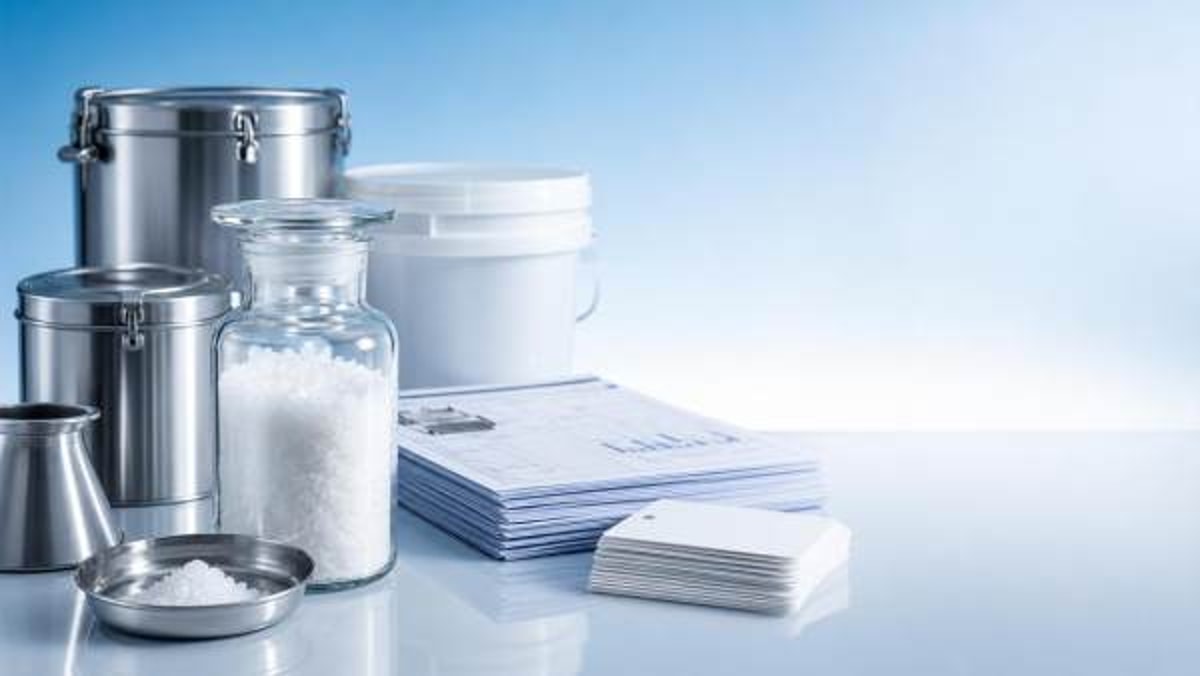
For procurement teams evaluating wholesale CBD isolate, price is rarely driven by one factor alone. Purity specifications, extraction method, compliance documentation, batch consistency, and supplier scale all shape the final cost and long-term sourcing risk. Understanding which variables influence pricing most helps buyers compare offers more accurately, avoid hidden quality compromises, and secure dependable supply in a regulated, highly competitive market.
In practice, the biggest price changes usually come from a short list of variables: verified purity, production method, regulatory readiness, order volume, and supply reliability. The lowest quote is often not the lowest total cost. For institutional buyers, a competitively priced CBD isolate only creates value when it arrives with consistent assay results, complete documentation, and low downstream risk.
What actually drives the price of wholesale CBD isolate the most?
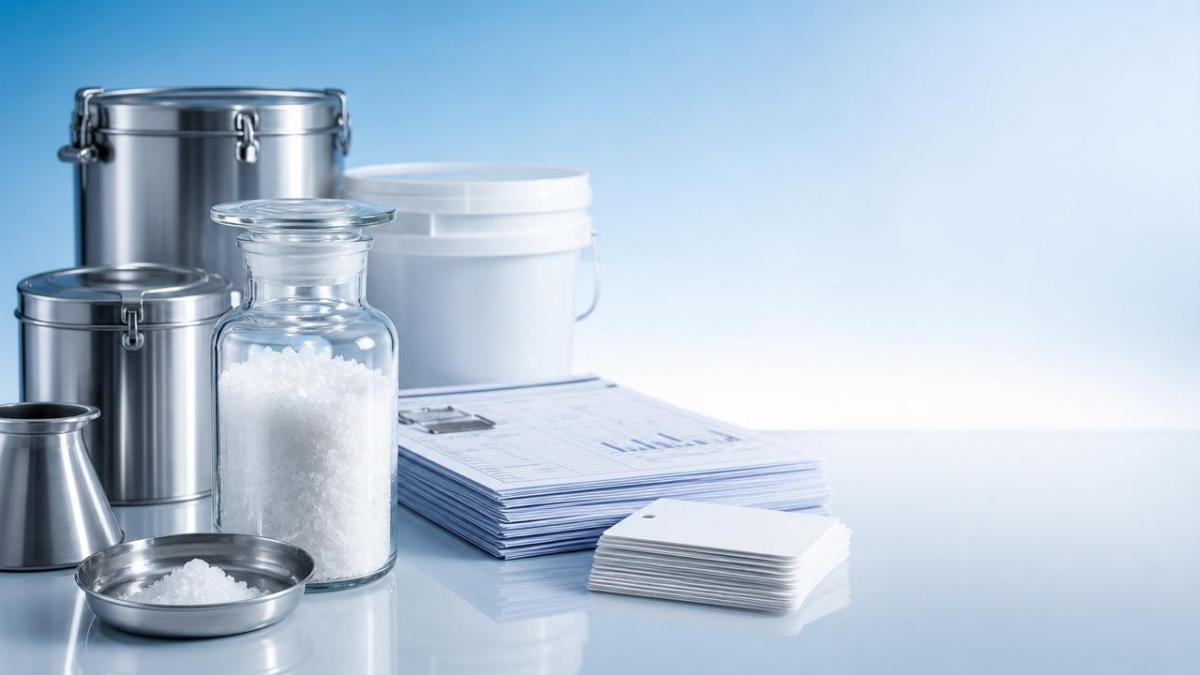
If a buyer asks which single factor changes the price of wholesale CBD isolate most, the most accurate answer is specification quality combined with commercial reliability. A 99%+ isolate with repeatable batch performance, clean residual solvent data, and current compliance files will usually command a premium over material that looks similar on paper but lacks traceability or consistency.
That matters because procurement decisions are rarely made on cannabinoid percentage alone. Manufacturers using CBD isolate in nutraceuticals, cosmetics, vapor products, or pharmaceutical-adjacent formulations care about whether the ingredient will pass incoming QC, support label claims, and avoid production delays. Every missing certificate, every unstable batch, and every contamination risk can convert an apparently low unit price into a costly sourcing mistake.
For this reason, experienced buyers evaluate price in layers. First comes the headline kilogram rate. Next comes analytical quality. Then come hidden cost drivers such as lead times, import paperwork, packaging controls, freight conditions, and the likelihood of batch rejection. The suppliers with the lowest ex-works number are not always the most economical over a full annual contract.
How much does purity specification affect wholesale pricing?
Purity is one of the most visible pricing levers in the CBD isolate market. Material sold at 98% purity may look commercially acceptable for some applications, but 99%+ isolate supported by third-party certificates often prices higher because it requires tighter processing control, better refinement, and stronger lot validation.
For procurement teams, the key issue is not just purity stated on a sales sheet but verified purity under repeatable test conditions. If one supplier offers lower-cost material with inconsistent assay results from batch to batch, the buyer may face reformulation problems, variable dosing calculations, or elevated internal testing requirements. That uncertainty raises total procurement cost.
Higher-purity material can also reduce operational friction. In applications where flavor neutrality, appearance, or precise dosage uniformity matters, cleaner isolate can simplify manufacturing and reduce waste. Buyers should therefore compare not only price per kilogram but price per usable kilogram after QC acceptance and production yield.
It is also worth noting that broader impurity profiles influence pricing. Trace THC levels, minor cannabinoids, heavy metals, pesticides, microbiological load, and residual solvents all affect value. Two wholesale CBD isolate offers may share a similar purity headline but differ meaningfully in impurity control, which is often where the real pricing difference is justified.
Why do extraction and refinement methods change cost so much?
Production method is another major source of price variation. CBD isolate that begins with well-controlled extraction and is then subjected to rigorous winterization, distillation, and crystallization generally costs more than material produced through less optimized workflows. Each additional refinement stage adds labor, utilities, solvent recovery expense, analytical testing, and process loss.
From a procurement perspective, the reason this matters is simple: process sophistication often correlates with cleaner output. Suppliers using advanced extraction systems, validated purification protocols, and strong environmental controls are more likely to deliver stable quality at scale. That does not automatically make every premium quote fair, but it does explain why reputable producers often sit above the market floor.
Feedstock choice also plays a role. Isolate derived from carefully selected hemp biomass with consistent cannabinoid content tends to be more economical to refine than extract derived from inconsistent raw material. When upstream agricultural quality varies, processors may need more effort and more cycles to achieve target purity, and those costs are reflected in the wholesale offer.
Buyers should ask a practical question: does the supplier’s process support the intended application? A producer supplying bulk commodity channels may price aggressively but offer less robust control over color, odor, or trace contaminants. A supplier serving regulated or premium-formulation markets will usually build those quality costs into the final quotation.
How do compliance documents and testing packages influence price?
Documentation is one of the most underestimated pricing factors in wholesale CBD isolate. Certificates of analysis, residual solvent reports, pesticide screening, heavy metal panels, microbial data, allergen statements, stability information, and origin traceability all require systems, lab coordination, and quality management overhead. Suppliers that maintain complete and current files incur real cost, and buyers benefit from it.
For institutional procurement teams, documentation is not an administrative extra. It directly affects vendor approval speed, import clearance, customer audits, and the ability to respond to regulatory review. A cheaper supplier with weak documentation may trigger delays in onboarding, increase internal compliance work, or fail qualification altogether. In that case, the lower quote never becomes a usable supply option.
Market-ready documentation becomes even more important when the end use enters stricter retail or regulated channels. Buyers supplying branded consumer products, clinical research inputs, or export markets often need more than a basic COA. They may require GMP-related statements, manufacturing flow summaries, shelf-life support, and legally reviewed specification sheets. Suppliers prepared for those requests typically price above traders moving commodity stock.
In short, compliance readiness often separates a tradable ingredient from a dependable procurement asset. That difference frequently explains why one wholesale CBD isolate offer costs materially more than another.
Does supplier scale and production consistency affect the quoted rate?
Yes, and often more than new buyers expect. Large-scale producers may achieve cost advantages through better equipment utilization, lower per-unit testing expense, stronger biomass purchasing power, and more efficient packaging and logistics. That can allow them to offer competitive rates without sacrificing quality.
However, scale cuts both ways. A high-volume supplier serving demanding B2B accounts may also embed more formal quality systems, reserve inventory, and customer support infrastructure into its price. That means the cheapest small-batch producer is not automatically cheaper in a meaningful procurement sense, especially if they cannot maintain delivery schedules or lot consistency.
Batch consistency is especially important for recurring contracts. Procurement teams sourcing monthly or quarterly volumes need to know whether the supplier can reproduce the same specification over time. If product quality drifts, the buyer may incur extra release testing, production downtime, or customer complaints. Those risks often justify paying more for a supplier with proven consistency metrics.
When comparing suppliers, it helps to ask for evidence beyond a single sample. Historical COA ranges, retained sample policies, deviation handling procedures, and references from industrial buyers reveal whether a quoted price reflects a stable manufacturing platform or merely a one-off commercial opportunity.
How do order volume, contract terms, and market timing change the final cost?
Volume is a direct pricing lever in the wholesale CBD isolate market. Larger orders often reduce per-kilogram cost because they improve production planning, packaging efficiency, and freight economics. Annual contracts or scheduled call-off agreements may unlock better pricing than spot buys because they reduce uncertainty for the supplier.
Still, buyers should not assume every large-volume quote is automatically advantageous. Lower rates tied to rigid minimum order quantities can increase working capital exposure or inventory risk, especially in a market where regulation, consumer demand, and downstream formulations may change. A slightly higher price with flexible release schedules can be more economical overall.
Market timing matters as well. Hemp harvest cycles, crude extract availability, energy costs, and regional regulatory shifts can all move isolate pricing. Buyers who monitor upstream feedstock conditions and supplier inventory positions often negotiate more effectively than those purchasing only when internal stock runs low.
Contract structure also affects cost. Payment terms, incoterms, packaging specifications, private labeling, and exclusivity arrangements can all be reflected in the final quote. A procurement team comparing wholesale CBD isolate offers should normalize these variables before judging which supplier is truly less expensive.
What hidden costs make a low CBD isolate quote more expensive later?
The most common hidden cost is batch rejection. If incoming material fails internal specifications or does not match the supplier’s documentation, the buyer may face quarantine, retesting, return freight, and production delay. A low initial price can quickly become irrelevant once these downstream costs are added.
Another hidden cost is reformulation or processing inefficiency. Variations in crystal structure, particle behavior, odor, or trace compounds may affect dissolution, blending, or finished product stability. Even when the CBD isolate technically meets assay requirements, it may perform poorly in production. Experienced procurement teams therefore coordinate closely with quality and formulation teams before approving a vendor solely on price.
Logistics can also distort apparent savings. Temperature management, moisture protection, packaging integrity, and customs documentation all influence whether material arrives in usable condition and on time. International buyers should pay particular attention to country-of-origin rules, THC threshold documentation, and product classification to avoid expensive border issues.
Finally, supplier responsiveness has financial value. Delayed answers during deviation investigations, missing replacement stock, or weak complaint handling can create serious operational cost. In strategic sourcing, service reliability deserves to be treated as a price component, not a soft extra.
How should procurement teams compare wholesale CBD isolate offers intelligently?
The best way to compare offers is to move from unit price to risk-adjusted total value. Start with a standardized supplier comparison sheet that includes purity, full contaminant profile, testing frequency, batch size, country of origin, lead time, MOQ, documentation package, packaging configuration, and commercial terms. Without this normalization, quotes are rarely comparable.
Next, assign weighted importance based on intended use. If the isolate will be used in a premium ingestible product, documentation and contaminant control may deserve heavier weighting than absolute lowest cost. If the use case is less regulated but highly cost-sensitive, then volume discounts and logistics efficiency may carry more importance. The evaluation model should reflect actual business exposure.
Procurement teams should also calculate acceptance-adjusted cost. This means estimating the real cost after internal testing, likely yield, freight, customs, and the probability of non-conformance. A supplier offering a 7% lower kilogram price may still be more expensive if their rejection rate or compliance burden is meaningfully higher.
Finally, buyers should validate claims through staged qualification. Start with documents, proceed to sample testing, then assess pilot or first commercial batch performance before scaling into a long-term agreement. In the wholesale CBD isolate market, this phased approach is one of the most effective ways to separate attractive pricing from sustainable value.
What is the practical takeaway for buyers sourcing wholesale CBD isolate?
The price of wholesale CBD isolate changes most when one or more of the following shifts: purity expectations, refinement intensity, compliance depth, supplier consistency, volume commitment, and market availability. These factors do not operate separately. They combine to determine whether a quote represents commodity material, premium validated supply, or hidden commercial risk.
For procurement professionals, the right question is not “Who has the lowest CBD isolate price today?” but “Which supplier can deliver the lowest total cost of acceptable, repeatable, compliant material over time?” That framing leads to better vendor selection, fewer surprises in qualification, and stronger long-term margins.
In a market where product quality can appear similar at first glance, disciplined comparison is a competitive advantage. Buyers who evaluate wholesale CBD isolate through the lens of specification integrity, documentation strength, operational fit, and supply resilience will make better purchasing decisions than those guided by unit price alone.
Related Intelligence
- Botanical ExtractsWhat Sets a Reliable Ginseng Extract Manufacturer Apart?Ginseng extract manufacturer selection starts with traceability, GMP controls, and consistent ginsenosides. Learn how to compare suppliers, reduce risk, and secure long-term value.
- Botanical ExtractsHemp Extract Bulk: Full Spectrum or Isolate for New Products?Hemp extract bulk: compare full spectrum vs isolate for new products. Learn how each option affects compliance, formulation, sourcing, and market fit before bulk buying.
- Botanical ExtractsBulk Maca Extract Quality Issues That Show Up After SourcingBulk maca extract quality problems often emerge only after sourcing. Discover the key warning signs—assay drift, residues, adulteration, and document gaps—before they disrupt compliance, cost, and supply.
The Morning Broadsheet
Daily chemical briefings, market shifts, and peer-reviewed summaries delivered to your terminal.
