
RCEP Tariff Cuts Boost China's Medical Exports to ASEAN
Introduction
On April 1, 2026, the third round of tariff reductions under the Regional Comprehensive Economic Partnership (RCEP) took effect, bringing significant changes for China's medical supplies exporters. Vietnam eliminated tariffs on Chinese-made non-woven medical dressings (HS 3005.90), while Malaysia removed import quotas for medical protective masks (HS 6307.90). These adjustments particularly benefit manufacturers and traders in the medical consumables sector, with industry analysts projecting a 25%+ quarterly export growth to Vietnam and Malaysia.
Event Overview
The confirmed policy changes effective April 1, 2026 include:
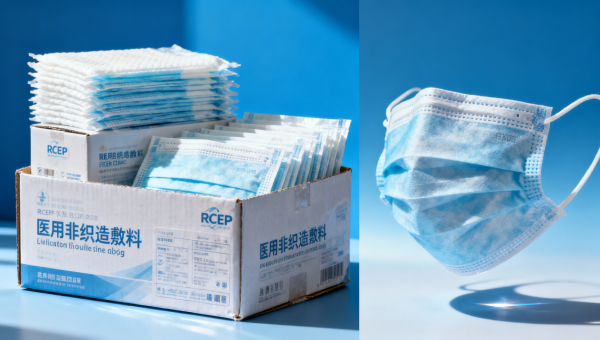
- Vietnam reduced tariffs from 5.5% to 0% for Chinese medical non-woven dressings (HS 3005.90)
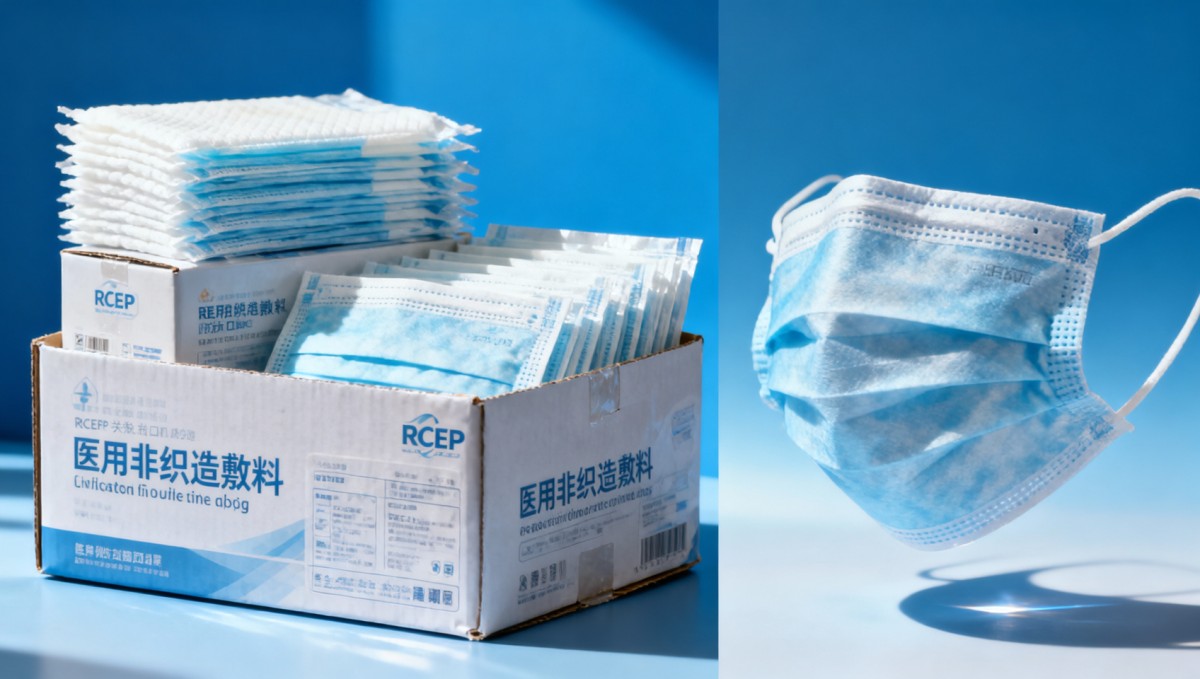
- Malaysia abolished annual import quotas for Chinese medical protective masks (HS 6307.90), applying a 3.2% RCEP agreed rate instead
Impact on Sub-sectors
Medical Non-woven Manufacturers
Direct exporters of wound care products gain immediate price competitiveness in Vietnam. Analysis suggests Vietnamese hospitals may shift 15-20% procurement volume from local suppliers to Chinese exporters within 12 months.
PPE Producers
Mask manufacturers previously constrained by Malaysia's quota system can now expand market share. The 3.2% tariff represents a 40% reduction from most-favored-nation rates, potentially lowering retail prices by 8-12% in Malaysian pharmacies.
Medical Trade Companies
Distributors should note Vietnam's new certification requirements for medical dressings (Circular 30/2024/TT-BYT) taking effect June 2026, which may affect shipment clearance timelines.
Key Considerations for Businesses
Monitor Implementation Details
Verify Vietnam's customs system has updated HS 3005.90 tariff codes, as transitional periods sometimes cause classification discrepancies.
Adjust Pricing Strategy
For Malaysia-bound masks, maintain 5-7% price buffer despite quota removal, as logistics bottlenecks at Port Klang frequently cause unexpected costs.
Documentation Preparation
Ensure all medical exports carry:
- RCEP Certificates of Origin (Form R)
- Updated Free Sale Certificates
- Vietnamese/Malay translations of product specifications
Industry Perspective
From an industry standpoint, these changes signal ASEAN's strategic shift toward diversified medical supply chains rather than temporary pandemic measures. The removal of non-tariff barriers (Malaysia's quotas) carries more significance than tariff reductions alone. Medical exporters should view this as part of a three-year RCEP implementation roadmap, with further ASEAN medical device harmonization expected by 2027.
Conclusion
These RCEP adjustments create tangible opportunities for Chinese medical suppliers in two key ASEAN markets. However, the real impact will depend on how quickly regional distributors adjust procurement patterns and whether competing suppliers from Japan/Korea leverage their own RCEP advantages. Businesses should prioritize compliance readiness while cautiously expanding production capacity.
Sources
- RCEP Secretariat: Third Round Tariff Commitments (2026)
- Vietnam Ministry of Finance Notice 45/2026/TT-BTC
- Malaysia Royal Customs Circular RCEP/IMP/2026-04
- Note: Vietnam's medical device certification changes (effective June 2026) require separate monitoring
Related Intelligence
- Botanical ExtractsAbsolute Oils Wholesale: What Purity Claims Often Leave OutAbsolute oils wholesale explained: uncover what purity claims miss in co2 supercritical extracts, oleoresins wholesale, floral waters bulk, and botanical powders for smarter B2B sourcing.
- Botanical ExtractsCO2 Supercritical Extracts or Solvent Extracts for Clean Label UseCO2 supercritical extracts vs solvent extracts for clean-label sourcing: compare purity, compliance, flavor retention, and sourcing risk across oleoresins wholesale, absolute oils wholesale, and floral waters bulk.
- Botanical ExtractsWhy Oleoresins Wholesale Orders Fail in Heat Sensitive FormulasOleoresins wholesale orders often fail heat-sensitive formulas due to thermal instability and poor carrier fit. Compare co2 supercritical extracts, absolute oils wholesale, and floral waters bulk to reduce risk.
The Morning Broadsheet
Daily chemical briefings, market shifts, and peer-reviewed summaries delivered to your terminal.
