
The Authority in Global Agricultural Chemistry & Bio-Resources
How to compare mushroom extract suppliers without wasting samples
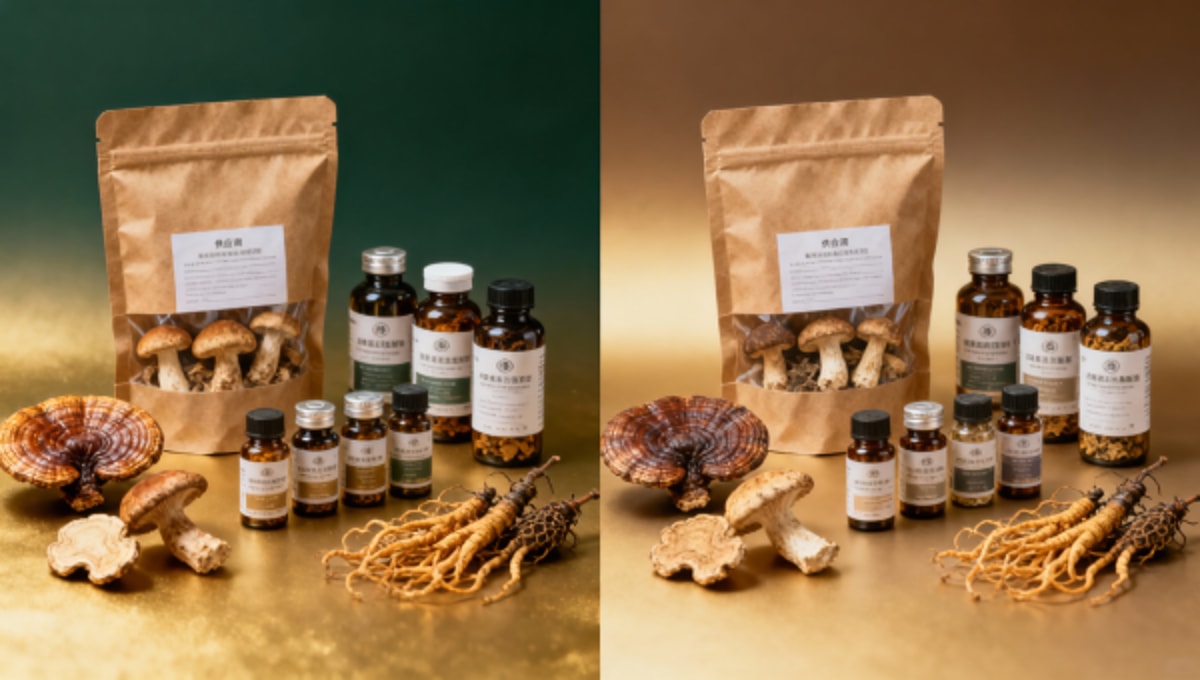
Choosing the right partner for maitake mushroom extract, chaga mushroom extract, or cordyceps extract wholesale should not require burning through valuable samples. This guide shows procurement, QC, and technical teams how to compare mushroom extract suppliers using documentation, process transparency, compliance records, and commercial fit—while also benchmarking related products such as shiitake mushroom powder, lion's mane mushroom powder, and reishi mushroom extract bulk.
For most buyers, the fastest way to compare mushroom extract suppliers without wasting samples is to screen them in stages. First, eliminate weak candidates through documents, specifications, and process evidence. Second, compare technical consistency, compliance, and supply reliability. Only then should you request samples from the two or three suppliers that have already passed your paper-based and commercial review. This approach saves time, protects testing budgets, and reduces the risk of selecting a supplier that looks good in a sample vial but fails in scale-up, documentation, or long-term delivery.
Start with the real question: can this supplier support your product, market, and risk profile?
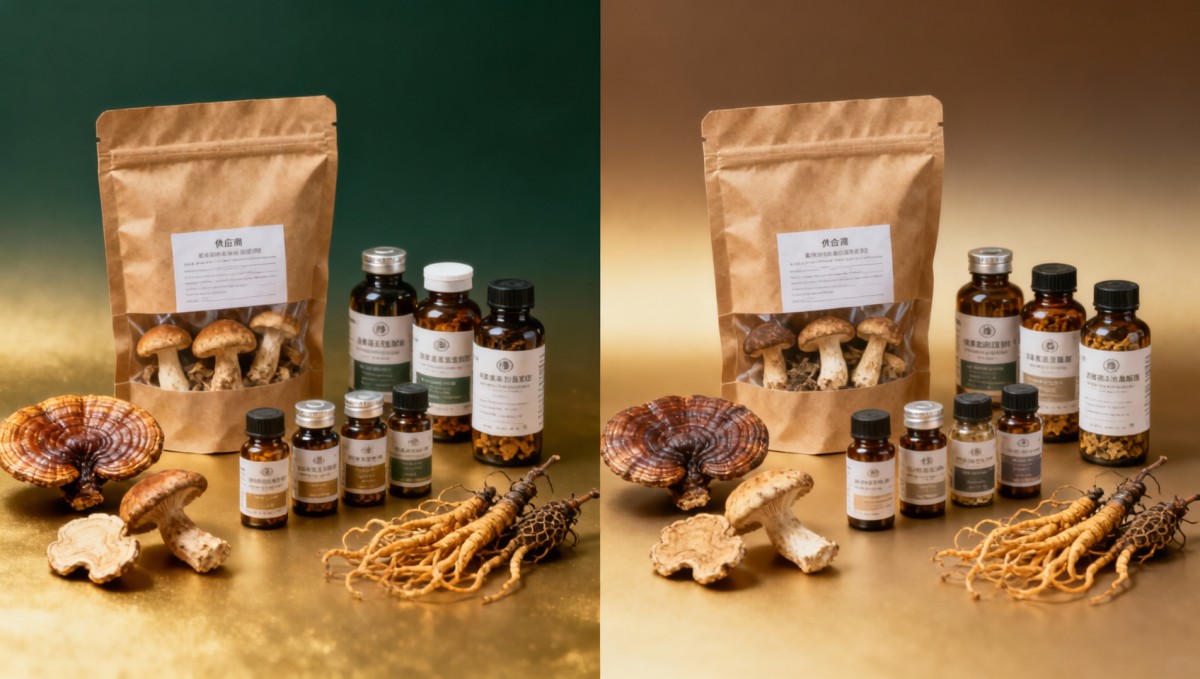
When buyers search how to compare mushroom extract suppliers without wasting samples, they are usually not looking for a generic vendor checklist. They want a practical way to answer a more important question: which supplier can meet technical, commercial, and regulatory expectations before we invest in lab work?
This matters whether you are sourcing maitake mushroom extract for nutraceutical formulation, chaga mushroom extract for functional ingredient blends, cordyceps extract wholesale for brand manufacturing, or evaluating adjacent materials such as shiitake mushroom powder, lion's mane mushroom powder, and reishi mushroom extract bulk.
The strongest comparison process looks at five areas before samples are requested:
- Product fit: extract type, active marker range, solubility, mesh size, dosage form compatibility
- Process credibility: raw material origin, extraction method, concentration ratio, drying and standardization controls
- Quality system strength: CoA quality, testing capability, contaminant controls, batch traceability
- Commercial fit: MOQ, lead time, pricing logic, packaging, contract flexibility
- Compliance and risk: certifications, audit readiness, export documentation, recall and deviation handling
If a supplier is weak in these areas, even an excellent sample may not translate into a reliable production partner.
Use a document-first screening process before you ask for any sample
A document-first review is the most efficient way to narrow a long list of suppliers. It helps procurement, technical evaluators, and quality teams align early and avoid testing materials from companies that cannot support your approval process.
Ask each supplier for the same document set so you can compare like for like:
- Product specification sheet for each extract or powder
- Recent certificate of analysis from multiple lots if possible
- Manufacturing flow chart or process summary
- Statement of raw material origin
- Heavy metals, pesticide residue, and microbiological testing panel
- Residual solvent statement where relevant
- Allergen, GMO, irradiation, and adulteration statements as needed
- Quality certifications such as ISO, HACCP, GMP, or food safety scheme documentation
- Sample label, packaging specification, and shelf-life data
- Typical lead time, MOQ, and annual capacity range
The goal is not just to collect paperwork. It is to see how complete, consistent, and transparent the supplier is. Strong suppliers usually respond in a structured way, provide version-controlled documents, and can explain differences between products such as hot-water extracts, dual extracts, fruiting body powders, and mycelium-based materials.
Compare the specification sheet carefully, because many mushroom extracts are not directly comparable
One of the biggest reasons buyers waste samples is assuming that two products with similar names are technically equivalent. They often are not.
For example, two suppliers may both offer reishi mushroom extract bulk, but one may be a fruiting-body hot-water extract standardized to polysaccharides, while the other may be a mycelium-derived powder with very different composition, solubility, color, bulk density, and application performance. The same issue applies to maitake mushroom extract, chaga mushroom extract, and cordyceps extract wholesale listings.
Compare these specification points side by side:
- Material identity: Latin name, plant part or fungal part, fruiting body vs mycelium
- Extract ratio: 4:1, 10:1, 20:1, or standardized active level
- Marker compounds: polysaccharides, beta-glucans, cordycepin, triterpenes, where relevant
- Analytical method: how markers are tested and whether the method is validated or clearly stated
- Appearance and physical properties: color, odor, moisture, mesh size, bulk density, solubility
- Application suitability: capsules, tablets, beverages, sachets, premixes, functional foods
If a supplier cannot explain these variables clearly, requesting a sample is premature. You first need confidence that the material being offered actually matches your intended use.
Check process transparency to predict consistency before lab testing
Batch consistency problems often start upstream, long before testing. A sample can be acceptable while future lots drift because the supplier lacks control over cultivation, raw material grading, extraction parameters, or drying conditions.
Ask direct questions such as:
- Where are the mushrooms sourced and how is raw material qualified?
- Is the material cultivated or wild harvested?
- What extraction solvents or media are used?
- Is the product hot-water extracted, alcohol extracted, or dual extracted?
- How is concentration controlled from batch to batch?
- What anti-caking agents, carriers, or excipients are used, if any?
- What is the lot traceability process from raw material to finished powder?
This is especially important when comparing mushroom ingredients that may look similar commercially but perform differently in formulations. Lion's mane mushroom powder, shiitake mushroom powder, and other less-concentrated powders may require a different evaluation path than standardized extracts because particle size, flavor, hydration behavior, and natural batch variation can matter more than marker concentration alone.
Assess quality systems, not just test results
A single clean CoA does not prove a robust quality system. Buyers in regulated or brand-sensitive markets should look for evidence that the supplier can maintain control over repeated lots, deviations, and customer complaints.
Key indicators of a reliable quality organization include:
- Defined release testing for every lot
- Access to in-house or qualified third-party laboratories
- Trend data across multiple production batches
- Written procedures for OOS, deviations, and CAPA
- Retention samples and document retention practices
- Recall readiness and shipment traceability
Ask for two or three recent CoAs from different lots, not just one. This lets your technical and QC teams see whether values are stable or whether the specification is so broad that almost anything can pass. A supplier that shares only a polished single-lot CoA may not be giving you enough information to make a sound judgment.
Use a weighted supplier scorecard so procurement, QC, and technical teams judge the same way
Internal disagreement is another hidden reason companies waste samples. Procurement may focus on cost, technical teams on extract potency, and quality teams on contaminant risk. A scorecard creates alignment before sample approval.
A practical scorecard can include:
- Technical fit: 25%
- Quality documentation and testing strength: 25%
- Process transparency and traceability: 15%
- Commercial terms: 15%
- Regulatory/compliance readiness: 10%
- Responsiveness and project support: 10%
You can adjust the weighting based on application. For a premium finished product brand, consistency and compliance may outweigh price. For an early-stage product concept, flexibility, MOQ, and development support may matter more.
Use the scorecard to rank suppliers before any sample request. Then test only the top candidates. This alone can cut unnecessary sample flow dramatically.
Evaluate commercial fit early, because the best technical supplier may still be the wrong business partner
Some suppliers provide excellent documentation and attractive samples but are not suitable operationally. Common problems include unrealistic MOQs, unstable freight arrangements, poor communication, weak packaging for moisture-sensitive extracts, or no ability to reserve capacity.
Before sampling, confirm:
- Minimum order quantity and whether pilot orders are possible
- Lead times for first order and repeat orders
- Packaging formats and barrier protection
- Incoterms and export experience for your market
- Price stability and what drives fluctuations
- Capacity during peak seasons or harvest constraints
- Willingness to support quality agreements or supply agreements
This step is essential for finance approvers, project managers, and business evaluators. Saving on sample costs is useful, but avoiding a poor-fit supplier that delays launch or fails scale-up has far greater value.
Know when a sample is finally worth requesting
Once a supplier has passed documentation, process, quality, and commercial review, a sample becomes much more meaningful. At that stage, the sample is used to confirm a near-final decision, not to discover basic facts that should have been clear earlier.
Request a sample when you can answer yes to most of these questions:
- Does the specification match your application needs?
- Are marker claims and methods clearly stated?
- Is contaminant testing adequate for your market?
- Is traceability credible?
- Are MOQ, price range, and lead time acceptable?
- Is there evidence of consistent lot control?
- Can the supplier support your documentation and audit expectations?
At this point, sample testing can focus on confirmation items such as identity, potency, solubility, sensory profile, formulation behavior, and stability relevance. That is a much better use of time and material than sending broad sample requests to every supplier on a search result page.
Common red flags that should stop the process before sampling
If any of the following appear during screening, it is usually better to pause rather than request samples:
- Specifications that do not define fruiting body versus mycelium
- Marker claims without test methods
- Vague answers about raw material origin
- Inconsistent data across spec sheets and CoAs
- No clear contaminant panel for heavy metals, microbes, or residues
- Unwillingness to share basic process information
- Very low pricing with no explanation of extract basis or concentration
- Delayed, incomplete, or contradictory communication
These red flags are common in the broader market for bio-extracts and ingredients. They are particularly risky when sourcing high-interest materials such as cordyceps extract wholesale or reishi mushroom extract bulk, where demand can attract inconsistent suppliers and loosely described products.
Conclusion: the best way to save samples is to make sampling your last filter, not your first
Comparing mushroom extract suppliers efficiently is less about collecting more samples and more about building a disciplined pre-sample review process. For procurement teams, this reduces wasted evaluation cycles. For QC and technical reviewers, it improves comparability and reduces false positives. For management and finance stakeholders, it lowers sourcing risk and increases the chance of selecting a supplier that works in production, not just in a test packet.
Whether you are sourcing maitake mushroom extract, chaga mushroom extract, cordyceps extract wholesale, shiitake mushroom powder, lion's mane mushroom powder, or reishi mushroom extract bulk, the principle is the same: compare documentation, process control, compliance readiness, and commercial fit first. Then request samples only from suppliers that have already earned serious consideration.
That is how experienced buyers avoid wasting samples—and make better supplier decisions with more confidence.
Related Intelligence
- Botanical ExtractsWhat Sets a Reliable Ginseng Extract Manufacturer Apart?Ginseng extract manufacturer selection starts with traceability, GMP controls, and consistent ginsenosides. Learn how to compare suppliers, reduce risk, and secure long-term value.
- Botanical ExtractsHemp Extract Bulk: Full Spectrum or Isolate for New Products?Hemp extract bulk: compare full spectrum vs isolate for new products. Learn how each option affects compliance, formulation, sourcing, and market fit before bulk buying.
- Botanical ExtractsBulk Maca Extract Quality Issues That Show Up After SourcingBulk maca extract quality problems often emerge only after sourcing. Discover the key warning signs—assay drift, residues, adulteration, and document gaps—before they disrupt compliance, cost, and supply.
The Morning Broadsheet
Daily chemical briefings, market shifts, and peer-reviewed summaries delivered to your terminal.
