
The Authority in Global Agricultural Chemistry & Bio-Resources
FDA Updates Botanical Extracts Import Guidance, Adds 3-Tier Traceability
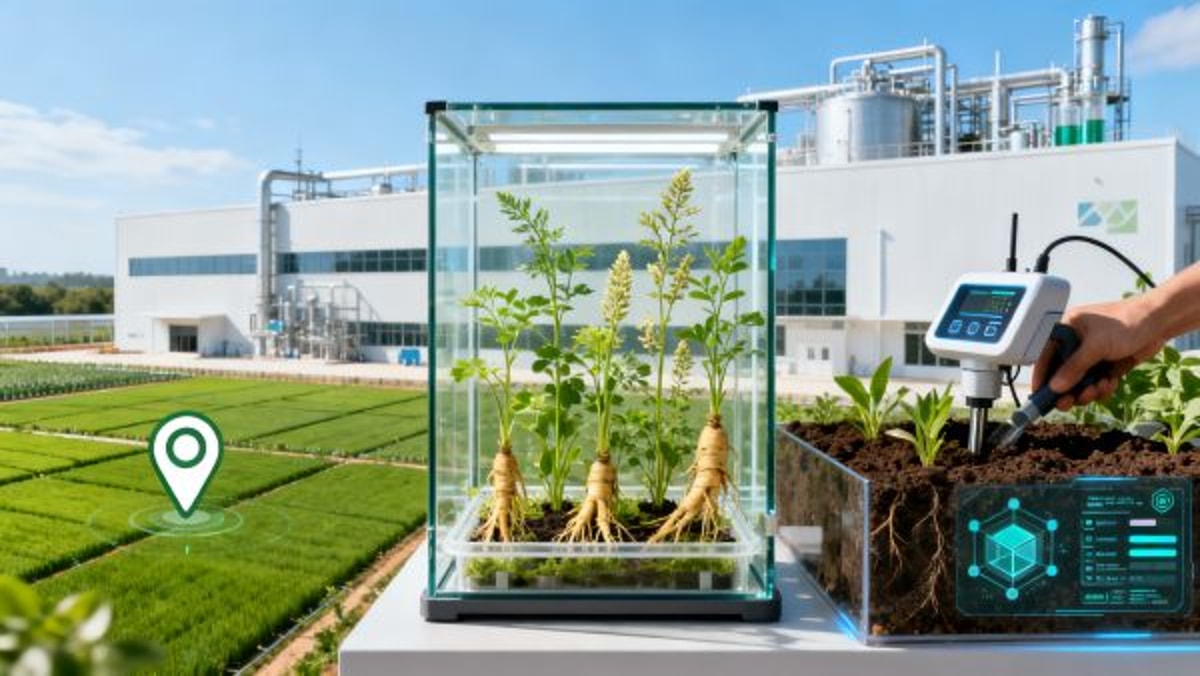
On May 2, 2026, the U.S. Food and Drug Administration (FDA) released Revision 4.1 of its Botanical Extracts Import Compliance Guidance, introducing mandatory three-tier raw material traceability for all imported botanical extracts starting July 1, 2026. This update directly affects exporters, ingredient suppliers, contract manufacturers, and importers operating in the dietary supplement, natural cosmetics, functional food, and phytopharmaceutical sectors — particularly those sourcing from China and other major botanical-producing regions.
Event Overview
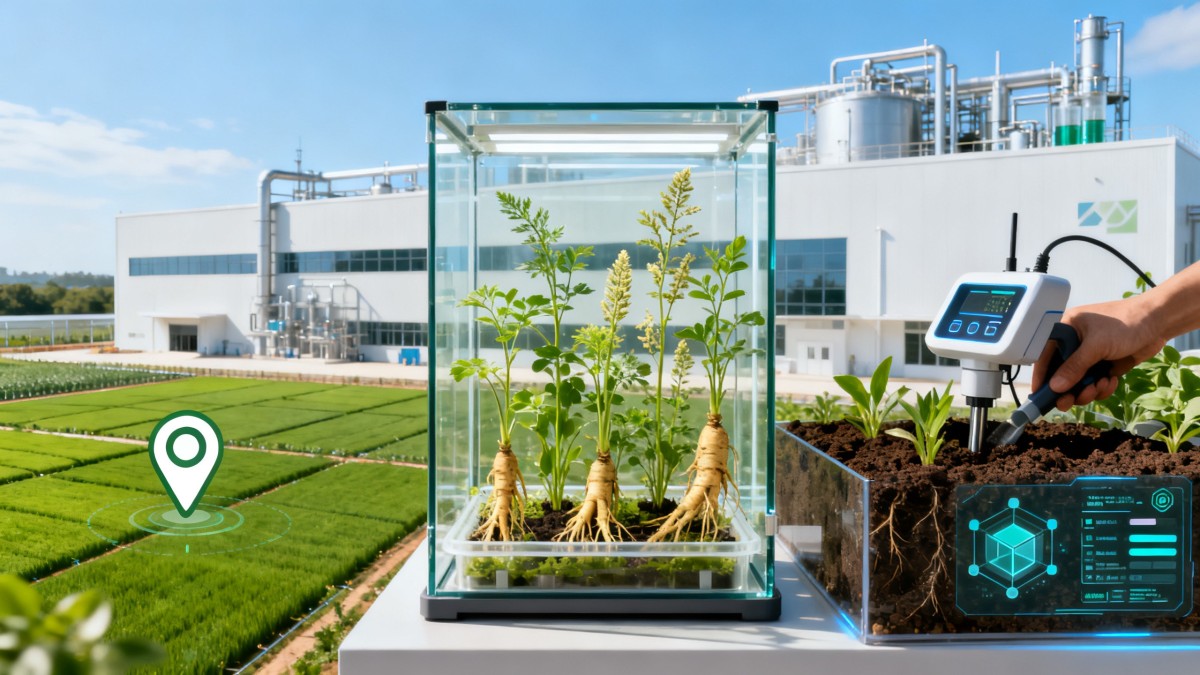
The U.S. FDA updated its Botanical Extracts Import Compliance Guidance (Rev. 4.1) on May 2, 2026. Effective July 1, 2026, the guidance requires importers and foreign suppliers to demonstrate traceability across three tiers of the botanical supply chain: (1) seed or planting stock origin; (2) soil residue baseline data and GPS-tagged harvest coordinates; and (3) cultivation site and primary processing facility — extending beyond the previous two-tier requirement. Chinese exporters unable to provide real-time electronic traceability system access during FDA field inspections will be subject to 100% physical container examination and average customs clearance delays of 7–12 business days.
Industries Affected by Segment
Direct Exporters (e.g., Chinese Botanical Extract Manufacturers)
These entities face immediate operational impact: FDA field inspectors may request live interface access to traceability systems at port-of-entry or during foreign facility reviews. Absence of interoperable digital systems — especially those linking seed source, soil testing records, and geotagged harvest logs — triggers automatic escalation to full inspection.
Ingredient Sourcing & Trading Companies
Firms that aggregate botanical materials from multiple farms or cooperatives must now verify and document Tier 1 data (e.g., certified seed lot numbers, pre-planting soil test reports, timestamped GPS harvest points) for each batch. Previously accepted supplier affidavits or paper-based certificates no longer satisfy the new standard.
Contract Manufacturers & Formulators (U.S. and Overseas)
As FDA-regulated domestic facilities, U.S.-based contract manufacturers importing botanical intermediates are legally responsible for verifying upstream traceability under the Foreign Supplier Verification Program (FSVP). Failure to obtain and retain Tier 1–3 documentation per shipment may constitute a violation of 21 CFR Part 117.
Supply Chain Technology Providers
Vendors offering traceability platforms — especially those with modular integration for agricultural IoT sensors, GIS mapping, and seed registry APIs — are seeing increased due diligence requests from clients preparing for July 2026 compliance. However, no specific platform is endorsed or mandated by FDA.
What Relevant Companies or Practitioners Should Monitor and Do Now
Track official FDA communications on implementation timing and enforcement discretion
While the effective date is July 1, 2026, FDA has not yet published inspection protocols, acceptable digital formats (e.g., GS1 EPCIS, JSON-LD), or transitional allowances. Stakeholders should monitor FDA’s Import Alerts page and the CTP (Center for Food Safety and Applied Nutrition) regulatory updates feed.
Map current traceability gaps by product category and origin region
Not all botanicals carry equal risk under the new framework. High-volume, high-risk categories — such as turmeric, ginseng, milk thistle, and ashwagandha — are more likely to be prioritized for early verification. Exporters should prioritize gap analysis for these items first, focusing on farms lacking GPS harvest logs or soil residue testing history.
Distinguish between policy signal and enforceable requirement
The guidance is non-binding but carries substantial weight in FDA enforcement decisions. Courts have upheld FDA’s authority to treat guidance documents as evidence of expected compliance, especially when linked to statutory obligations like FSVP or Current Good Manufacturing Practice (cGMP) recordkeeping. Therefore, treating this as a de facto requirement is prudent.
Prepare documentation workflows and cross-functional alignment now
Companies should initiate internal coordination among procurement, quality assurance, logistics, and IT teams to define data ownership, update SOPs, and pilot electronic interfaces — even if full system integration isn’t complete before July. Documented remediation plans and interim controls (e.g., verified third-party audit reports covering Tier 1 elements) may mitigate enforcement severity during initial rollout.
Editorial Perspective / Industry Observation
Observably, this update signals FDA’s strategic shift toward preventive, data-driven oversight of botanical supply chains — moving beyond post-import sampling to real-time, granular provenance validation. Analysis shows it is less a standalone rule change and more an operational extension of existing FSVP and cGMP expectations, now made explicit and inspectable. From an industry perspective, it reflects growing regulatory convergence with EU’s upcoming botanical traceability requirements under the Sustainable Use of Pesticides Regulation (SUR), suggesting global harmonization pressure is intensifying. Current enforcement patterns suggest FDA will initially focus on repeat importers with prior violations or high-risk origin profiles — meaning consistent, low-risk shippers may experience phased adoption rather than immediate universal application.
Conclusion: This guidance does not introduce new legal authorities but significantly raises evidentiary expectations for botanical extract importers and their foreign suppliers. It is best understood not as a sudden regulatory shock, but as a formalized escalation of long-anticipated traceability accountability — one that rewards proactive documentation infrastructure and penalizes fragmented or paper-dependent supply chain practices. For affected businesses, the core implication remains operational: traceability is no longer a quality add-on; it is now a condition of market access.
Source: U.S. FDA, Botanical Extracts Import Compliance Guidance, Revision 4.1, issued May 2, 2026. Note: FDA has not yet published accompanying inspection checklists, technical specifications for electronic interface formats, or formal transition provisions — these remain under observation.
Related Intelligence
- Botanical ExtractsWhat Sets a Reliable Ginseng Extract Manufacturer Apart?Ginseng extract manufacturer selection starts with traceability, GMP controls, and consistent ginsenosides. Learn how to compare suppliers, reduce risk, and secure long-term value.
- Botanical ExtractsHemp Extract Bulk: Full Spectrum or Isolate for New Products?Hemp extract bulk: compare full spectrum vs isolate for new products. Learn how each option affects compliance, formulation, sourcing, and market fit before bulk buying.
- Botanical ExtractsBulk Maca Extract Quality Issues That Show Up After SourcingBulk maca extract quality problems often emerge only after sourcing. Discover the key warning signs—assay drift, residues, adulteration, and document gaps—before they disrupt compliance, cost, and supply.
The Morning Broadsheet
Daily chemical briefings, market shifts, and peer-reviewed summaries delivered to your terminal.
