
How to Pick Aquaculture Kits That Reduce Daily Work?
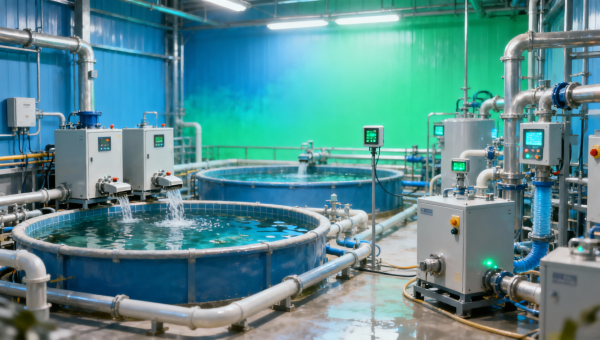
Choosing aquaculture kits that truly cut daily labor requires more than comparing price tags. Buyers and operators should assess automation, water-quality control, feed handling, and maintenance design while checking how each system fits the wider Agri Supply Chain. For teams used to evaluating GMP equipment, biochemical equipment, or Feed & Grain systems, the same disciplined approach helps identify aquaculture kits that improve efficiency, reduce risk, and support long-term operational performance.
In practical terms, the right kit can reduce repetitive manual checks, shorten feeding time, stabilize water parameters, and lower the number of emergency interventions per week. For operators, that means fewer daily touchpoints. For procurement teams, it means clearer total cost of ownership over 12–36 months. For decision-makers, it means a system that supports biosecurity, compliance, and scalable production rather than adding hidden labor costs after installation.
This article outlines how to evaluate aquaculture kits from an operational and procurement perspective. It focuses on the components that most directly affect labor demand, including monitoring, dosing, aeration, filtration, cleaning access, training needs, and spare-parts support. The goal is not to find the cheapest package, but to identify the system that removes avoidable work without creating new maintenance burdens.
What Daily Work Should an Aquaculture Kit Actually Reduce?
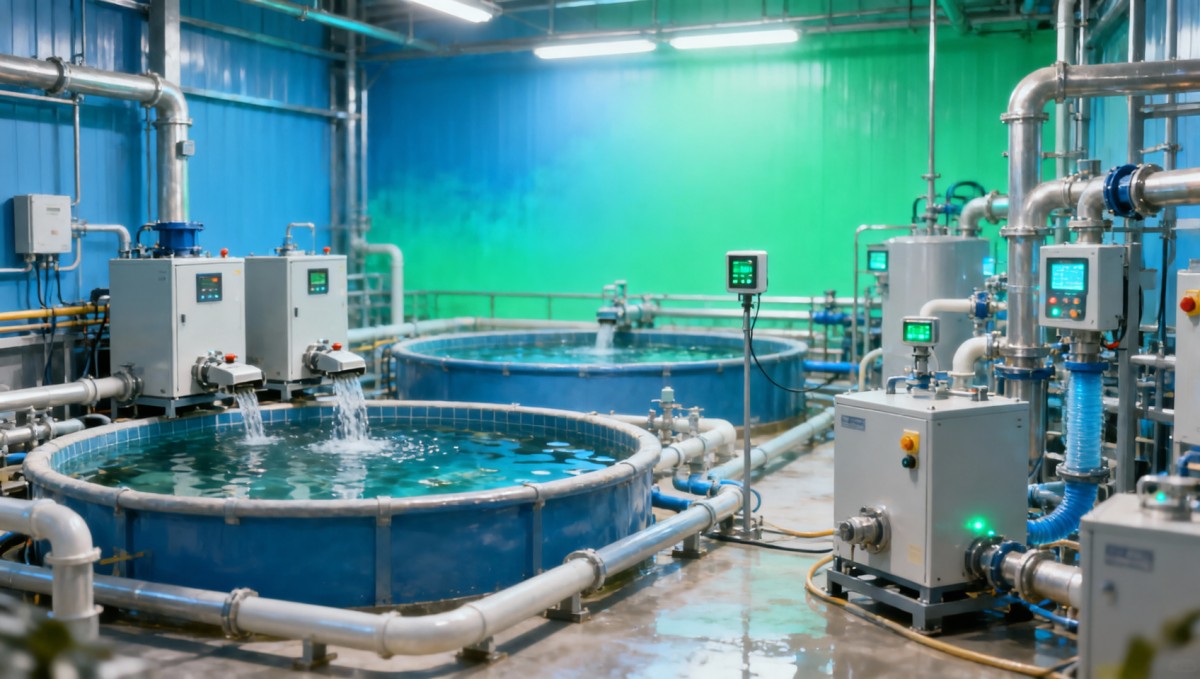
Before comparing vendors, teams should define which daily tasks consume the most labor. In many fish or shrimp operations, the biggest time drains are routine water testing, manual feeding, solids removal, pump inspection, and responding to oxygen fluctuations. If a kit does not reduce at least 2–4 of these recurring tasks, its labor-saving value may be limited even if the capital price looks attractive.
Operators often underestimate the cost of “small” manual tasks. A 10-minute inspection repeated 6 times per day becomes 7 hours per week for one production zone. Multiply that across 4 tanks or ponds, and labor use rises quickly. A well-designed aquaculture kit should centralize readings, simplify alarms, and minimize the number of steps needed for feeding, flushing, and routine cleaning.
For procurement and project teams, the key question is simple: does the system reduce labor per kilogram of output or per tank cycle? That metric is more useful than broad marketing claims about “smart farming.” In commercial settings, even a 15%–25% reduction in routine labor can materially improve operating margins when energy, feed, and compliance costs are already under pressure.
Core labor drivers in aquaculture operations
A labor-saving kit should address the physical and decision-making workload together. Physical workload includes feeding, valve handling, net cleaning, and sludge removal. Decision workload includes interpreting dissolved oxygen trends, pH drift, ammonia risk, and equipment alarms. Systems that automate the first category but ignore the second often still require constant operator attention.
Typical tasks that should be reduced
- Manual feeding rounds conducted 3–8 times per day across multiple tanks or raceways.
- Handheld water checks for dissolved oxygen, temperature, pH, or salinity at intervals of 2–4 hours.
- Unplanned interventions caused by blocked filters, foam buildup, or unstable aeration.
- Cleaning tasks that require partial disassembly, long shutdowns, or two-person handling.
The table below helps buyers connect common daily pain points with the kit functions that can realistically reduce them. This is especially useful in cross-functional reviews involving operators, QA teams, and commercial evaluators.
The main takeaway is that labor reduction must be tied to task elimination, not vague automation claims. If the kit removes inspection rounds, standardizes feeding, and speeds cleaning access, the value is operationally measurable. If it merely adds digital features without reducing interventions, daily work may stay the same or even increase.
Key Selection Criteria: Automation, Water Control, and Maintenance Design
The most effective aquaculture kits reduce labor through three linked design choices: reliable automation, stable water-quality control, and maintenance-friendly construction. A system with strong automation but poor sensor reliability can create more manual verification work. A kit with excellent filtration but hard-to-clean parts can still consume excessive labor every 2–3 days. Selection should therefore consider the entire daily operating cycle rather than isolated specifications.
From a buyer’s perspective, automation should be selective and practical. Useful features include timed feeders, sensor-linked alarms, pump status indicators, and simple dashboards that show exceptions instead of raw data overload. Many teams do not need fully complex remote-control architecture for small or mid-scale installations. They need dependable functions that reduce repetitive actions and help one operator oversee more assets during a single shift.
Water control matters because unstable parameters generate the most costly labor: emergency work. Dissolved oxygen, temperature, pH, salinity, and solids load should remain within the target range for the species and production method. Even when exact thresholds vary, the kit should support frequent monitoring or continuous sensing with clear alert levels. A sensor calibration interval of 30–90 days is often easier to manage than systems requiring weekly adjustment.
Maintenance design is often the hidden factor in labor planning. Access hatches, quick-release fittings, modular pumps, and visible pipe routes can reduce service time by 20–40 minutes per intervention. Over 12 months, those small savings can outweigh minor differences in purchase price. Project managers should also ask whether regular service can be performed by one trained technician or whether two-person lifting and specialist tools are required.
Five technical checkpoints before purchase
- Confirm which functions are automated by default and which require optional upgrades.
- Review sensor type, calibration interval, and alarm logic, not only the display interface.
- Check cleaning access time for filters, feeders, pipes, and aeration components.
- Assess spare-parts lead time, ideally within 7–21 days for wear items.
- Verify whether the kit can be expanded by 20%–50% without a full system rebuild.
Minimum information to request from suppliers
Suppliers should provide operating drawings, component lists, cleaning procedures, utility requirements, and recommended maintenance intervals. If these documents are unavailable before procurement, the buyer may be taking on avoidable commissioning and labor risk. In regulated or export-oriented operations, documentation quality also supports internal approvals and safer handover to site teams.
The comparison table below can be used in technical-commercial evaluations. It helps teams score aquaculture kits by labor impact rather than by headline price alone.
A strong kit usually scores well across all four areas rather than excelling in only one. Buyers should remember that labor savings come from system balance. A feeder, sensor pack, and filtration unit should work as one operating package, not as disconnected accessories that each need separate oversight.
How Different Users Should Evaluate the Same Kit
The same aquaculture kit will be judged differently by operators, procurement teams, quality personnel, and senior management. A practical selection process should bring these viewpoints together early. That avoids a common problem: buying a technically impressive system that performs well in demonstrations but creates friction during routine use, maintenance, audit preparation, or expansion planning.
Operators care about daily usability. They want clear alarms, simple cleaning, predictable feeding, and low troubleshooting burden during night or weekend shifts. Procurement teams look at capital cost, spare-parts pricing, support responsiveness, and supplier documentation. Quality and safety staff focus on hygienic design, traceability, contamination control, and the risk of failure modes affecting stock health or compliance exposure.
Business evaluators and enterprise leaders tend to ask broader questions: How fast can the team reach stable output? How many staff hours per cycle will be needed? Can the site scale from pilot to commercial capacity over 2 phases? Does the supplier understand regulated supply chains and industrial operating discipline? These questions are critical in organizations that already apply structured procurement logic to APIs, feed processing equipment, or biochemical systems.
Role-based evaluation priorities
When cross-functional teams use a shared scorecard, supplier discussions become more efficient. Instead of debating vague claims, each stakeholder can score the system against labor reduction, operational stability, maintainability, and documentation quality. A 4-part scorecard is often enough for early-stage screening, while final qualification may use 10–15 technical and commercial checks.
Recommended review points by stakeholder
- Operators: start-up time per shift, alarm clarity, cleaning effort, refill ease, and access to wear components.
- Procurement: lead time, warranty terms, spare kit availability, installation scope, and training coverage.
- Quality and safety: materials in contact areas, drainability, calibration records, and emergency response logic.
- Management: labor savings over 12 months, expansion readiness, risk profile, and supplier service maturity.
A useful practice is to run a site-based task simulation before approval. Ask the vendor to walk through 1 feeding cycle, 1 cleaning cycle, 1 sensor calibration event, and 1 alarm response. If these four routines cannot be explained in concrete operational steps, the labor model may not be mature enough for dependable adoption.
Teams should also verify training requirements. A kit that needs 3 days of formal training may still be a good choice if it significantly reduces labor after commissioning. But if high skill dependence remains after training, staff turnover can erode the expected benefits. In many facilities, the most sustainable systems are those that a trained operator can understand within 1–2 shifts and maintain with standard site tools.
Implementation, Operating Costs, and Common Procurement Mistakes
Even a well-selected aquaculture kit can fail to reduce daily work if implementation is weak. Site layout, utility connections, calibration routines, spare-parts stocking, and operator handover all affect labor outcomes. A realistic implementation plan should cover at least 5 stages: specification, supplier review, installation, commissioning, and post-start optimization. Skipping any stage often shifts hidden workload back onto site teams.
Operating cost should be reviewed over a 12–36 month period, not only at the moment of purchase. Energy draw, replacement probes, feeder wear parts, cleaning chemicals, and service visits all influence the real labor and cost profile. A kit with a lower upfront price can become more expensive if it requires weekly manual adjustment, frequent shutdowns, or hard-to-source components with 4–8 week lead times.
One frequent mistake is overbuying complexity. Some facilities purchase advanced control architecture that exceeds their site needs, then continue operating the system in mostly manual mode because staff training, sensor care, or data review routines were not adequately planned. Another mistake is under-specifying support. If the supplier does not provide start-up guidance, maintenance documents, and a clear parts list, labor savings may remain theoretical.
A practical implementation path
- Map current labor by task, shift, and intervention frequency for at least 2 weeks.
- Define required kit functions and set acceptance criteria before supplier comparison.
- Commission the system with live operating scenarios, not only idle equipment checks.
- Train staff on routine tasks, alarm response, and calibration within the first 7 days.
- Review labor outcomes after 30, 60, and 90 days, then adjust settings if needed.
Common mistakes that increase daily work
Typical problem areas include poor placement of feeders or sensors, undersized filtration, inaccessible valves, no backup for critical aeration, and weak parts planning. Another issue is ignoring the interface between the aquaculture kit and the broader agri supply chain. Feed handling, water treatment inputs, cleaning consumables, and replacement components all need dependable sourcing to preserve the intended labor model.
For organizations managing mixed industrial assets, aquaculture equipment should be reviewed with the same discipline used for feed, chemical, or process systems. That means checking documentation integrity, operating limits, maintenance intervals, and supplier responsiveness in writing. This approach gives procurement teams stronger control and reduces post-install surprises for operations staff.
FAQ for buyers and operators
How much automation is enough for a mid-scale operation?
In many mid-scale installations, basic automation is often sufficient if it covers timed feeding, core water-parameter alerts, and simple pump or aeration status monitoring. The goal is to reduce manual rounds and emergency reactions, not to install unnecessary control layers. A compact system with 3–5 reliable automated functions can outperform a more complex setup that staff rarely use correctly.
What delivery and commissioning timeline is typical?
For standard configurations, buyers often plan 2–6 weeks for delivery and another 3–10 days for installation and commissioning, depending on site readiness and utility connections. Customized or integrated systems may require longer. The important point is to include time for training, calibration checks, and early operating adjustments rather than treating delivery as the end of the procurement process.
Which indicators best show real labor reduction?
Useful indicators include operator hours per tank per week, number of manual feeding rounds, number of emergency interventions, cleaning time per module, and frequency of parameter deviations requiring human response. These metrics are more dependable than generic claims about smart performance because they can be compared before and after installation over a defined 30–90 day window.
Choosing aquaculture kits that reduce daily work is ultimately a matter of disciplined evaluation. The best systems remove repetitive tasks, stabilize water conditions, simplify maintenance, and fit the site’s real skill level and supply chain reality. For operators, they make daily routines lighter and more predictable. For procurement and management teams, they offer better control over risk, cost, and long-term expansion.
If your team is comparing aquaculture kits, planning a new project, or reviewing current labor burdens, a structured technical-commercial assessment will produce better results than price-driven selection alone. To explore more practical guidance, benchmark evaluation methods, or tailored publishing and market visibility opportunities in aquaculture and adjacent industrial sectors, contact AgriChem Chronicle to discuss your requirements, request a custom content plan, or learn more solutions.
Related Intelligence
- RAS SystemsSASO Opens Fast VOC Channel for RAS Systems in Saudi ArabiaSASO RAS VOC fast track now live: Get Saudi VOC certification in 10 days with CNAS reports & ISO 22000 — accelerate exports of integrated aquaculture systems.
- RAS SystemsSASO Accelerates RAS Systems Local Certification for Chinese FirmsSASO accelerates RAS systems local certification for Chinese firms—leverage CNAS & ISO 22000 to skip retesting and get VOC in 7 days!
- RAS SystemsSASO Streamlines RAS Systems VOC for Chinese ExportersSASO Streamlines RAS Systems VOC for Chinese exporters: Get mandatory Saudi VOC in just 12 days with CNAS testing & ISO 22000 — faster clearance, smarter compliance.
The Morning Broadsheet
Daily chemical briefings, market shifts, and peer-reviewed summaries delivered to your terminal.
