
The Authority in Global Agricultural Chemistry & Bio-Resources
Aquaculture and Fishery systems: where oxygen control goes wrong
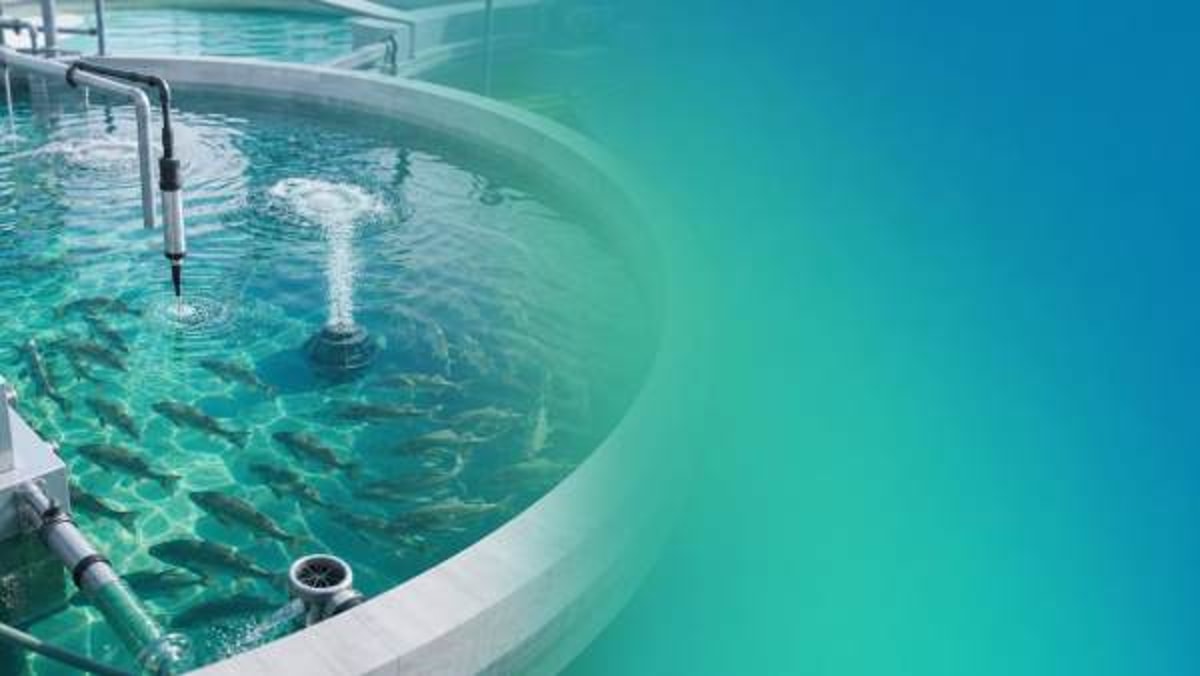
In aquaculture and fishery operations, oxygen control is often treated as a routine setting rather than a dynamic risk factor. Yet small errors in monitoring, distribution, or response timing can trigger fish stress, uneven growth, higher mortality, and costly system inefficiencies. This article examines where oxygen management goes wrong, why operators miss the warning signs, and how better control strategies can improve performance, compliance, and stock health.
For most operators, the core issue is not whether oxygen matters. It is whether the system delivers the right oxygen level, in the right place, at the right time, under changing biomass, temperature, feeding, and water quality conditions. When oxygen control fails, the damage is rarely limited to one bad reading. It shows up in behavior, feed conversion, disease pressure, grading variability, downtime, and preventable stock losses.
The practical takeaway is clear: oxygen problems in aquaculture & fishery systems usually come from poor measurement, poor distribution, delayed correction, or false confidence in average values. A pond, tank, raceway, cage, or recirculating system can look acceptable on paper while fish in specific zones are already under stress. Operators who understand where oxygen control goes wrong can detect risk earlier and make better daily decisions.
Why oxygen control fails even in systems that seem “within range”
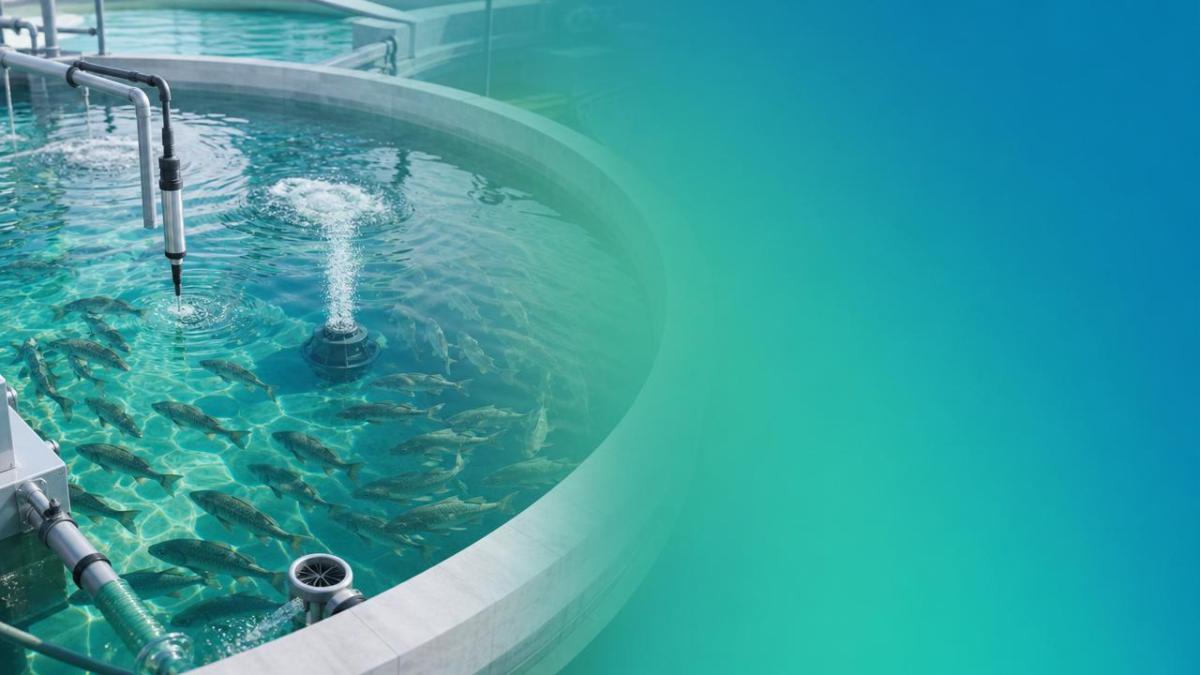
One of the most common mistakes in quaculture & Fishery operations is relying on a single dissolved oxygen number as if it represents the entire system. In reality, oxygen levels vary by depth, corner, flow path, stocking density, feeding point, and time of day. A sensor may show an acceptable average while fish near the bottom, around dead zones, or in poorly circulated sections are already experiencing low-oxygen stress.
Another failure point is treating oxygen as a static parameter. Oxygen demand changes rapidly. It increases after feeding, during periods of high respiration, when biomass grows, when microbial loads rise, and when organic waste accumulates. It also becomes more difficult to maintain as water temperature climbs because warmer water holds less dissolved oxygen. Systems that worked in one season or one stocking phase may be inadequate in the next.
Operators also tend to underestimate timing. Oxygen decline is not always gradual enough to allow comfortable reaction time. A blocked diffuser, power interruption, calibration drift, overfeeding event, algal crash, or pump issue can create dangerous conditions before staff complete a routine round. In intensive systems, minutes matter more than many teams assume.
The result is a misleading sense of control. The aeration equipment is running, the dashboard shows numbers, and standard operating procedures exist. But if the measurement points are weak, the alarms are poorly set, or oxygen delivery is uneven, the system is vulnerable even when it appears normal.
What fish and system performance reveal before a major oxygen event
Operators often look for dramatic signs such as fish gasping at the surface. By the time that happens, the oxygen problem is already severe. More useful warning signs usually appear earlier and are easier to miss because they resemble routine production variation.
One early sign is a change in feeding response. Fish may approach feed more slowly, leave more fines, or show inconsistent appetite between zones. In pond and tank systems, this is often dismissed as weather-related behavior, but it can indicate that oxygen is already below the comfort range for efficient feeding and digestion.
Uneven growth is another clue. If one section of a population consistently underperforms, oxygen distribution may be part of the problem. Fish exposed to chronic low dissolved oxygen redirect energy away from growth and toward basic survival. This does not always produce immediate mortality, but it reduces overall production efficiency.
Behavioral crowding around inlets, splashing near aeration points, reduced swimming activity, or unusual vertical distribution can also signal localized oxygen deficits. In recirculating aquaculture systems, operators may notice fish favoring certain tank sectors. In cages or raceways, fish may move into current paths where oxygen transfer is better.
System-level indicators matter too. Rising feed conversion ratio, higher incidence of opportunistic disease, elevated ammonia or carbon dioxide stress, and lower tolerance during handling are often linked to oxygen control weaknesses. Oxygen errors rarely act alone; they interact with the full water quality environment.
Where monitoring goes wrong: sensors, placement, and false confidence
Many oxygen control problems begin with monitoring design rather than oxygen supply capacity. A high-quality sensor cannot compensate for poor placement. If probes are installed only where water is best mixed, they can hide the lowest-oxygen zones that matter most to stock welfare.
Sensor placement should follow biological risk, not convenience. That means measuring where fish congregate, where solids accumulate, where water turns slowly, where oxygen is injected, and where oxygen is most likely to be depleted before replenishment. In larger systems, one sensor is often not enough to represent real conditions.
Calibration discipline is another weak point. Dissolved oxygen probes drift. Membranes foul, optical sensors degrade, and readings become unreliable if maintenance is inconsistent. A sensor that is only slightly inaccurate can still lead to major operational mistakes because aeration and oxygen dosing decisions are built on the assumption that the number is correct.
Alarm settings are often poorly configured as well. Some sites set thresholds too low, meaning staff are alerted only after fish are already stressed. Others create alarm fatigue by setting narrow bands that trigger constant notifications, which staff eventually ignore. Effective oxygen alarms need to reflect species, biomass, temperature, production stage, and response time available on site.
Another issue is overreliance on spot checks. Handheld meter readings during daylight rounds may miss pre-dawn lows, post-feeding oxygen dips, or nighttime changes driven by respiration and plant activity. Continuous trending is more valuable than isolated readings because it reveals patterns, not just moments.
Distribution problems: when oxygen is present but not reaching the fish that need it
In many aquaculture & fishery systems, the oxygen source itself is not the main problem. The problem is transfer and distribution. Aerators, blowers, diffusers, venturi injectors, oxygen cones, and liquid oxygen systems can all underperform if flow design is weak or if maintenance is neglected.
Dead zones are a frequent cause of hidden stress. Water may circulate well near the surface but poorly near tank bottoms, net corners, sidewalls, or sludge-prone areas. Fish in these microenvironments may face low oxygen, higher carbon dioxide, and greater metabolite exposure even while the central system appears stable.
Fouled diffusers reduce transfer efficiency and create uneven bubble patterns. In raceways and tanks, poor hydraulic balance can lead to short-circuiting, where oxygenated water exits too quickly without reaching all occupied zones. In pond systems, aerator placement may prioritize visible surface disturbance instead of effective mixing across biomass hotspots.
Stocking density intensifies these weaknesses. As biomass rises, fish themselves alter flow and oxygen demand patterns. Areas that were acceptable at low density can become chronic low-oxygen pockets at peak loading. This is one reason why operators should review oxygen distribution after each major production change, not only during system installation.
Distribution should also be considered alongside carbon dioxide removal. Fish can struggle even when dissolved oxygen looks adequate if carbon dioxide accumulates due to poor gas exchange. Operators who focus only on oxygen injection may miss the broader gas balance affecting respiration and stress.
Response timing errors that turn manageable issues into losses
Most oxygen incidents are not caused by a total absence of equipment. They become serious because the response is slow, improvised, or based on incomplete information. By the time staff confirm the problem, identify the cause, and decide what to adjust, stock may already be affected.
One common mistake is waiting for visual confirmation from fish before increasing oxygen delivery. This is too late in intensive production systems. A better practice is to act on trend deterioration and operational triggers such as a sudden feed event, unexpected pump stoppage, rising temperature, or abnormal sensor divergence between zones.
Another problem is failing to define staged response actions. Operators should know in advance what to do when dissolved oxygen falls from target range to alert range and then to critical range. That includes who is responsible, which backup equipment starts first, whether feeding is reduced or paused, and how to verify that oxygen actually reaches stressed areas.
Power resilience matters as well. Backup generators, automatic transfer systems, spare blowers, redundant oxygen lines, and emergency diffusers are not optional in high-density operations. If emergency systems require too many manual steps, they may not protect stock during night shifts or off-hours.
Post-event review is another neglected step. After an oxygen incident, teams often restore the reading and move on. But unless they document root cause, duration, affected zones, biomass response, and corrective actions, the same event is likely to happen again.
How better oxygen control improves growth, welfare, and operating efficiency
For operators, better oxygen control is not only about avoiding catastrophic mortality. It directly supports feed efficiency, stock uniformity, handling resilience, and stable daily performance. Fish kept in an oxygen range aligned with their species and production stage convert feed more effectively and show less chronic stress.
Improved control also reduces hidden losses. Chronic suboptimal oxygen can depress growth for weeks before anyone links the problem to gas management. That means more days to harvest, more variation at grading, higher treatment pressure, and more wasted energy from systems that are running hard without delivering consistent biological benefit.
From a compliance and sustainability perspective, stronger oxygen management supports better documentation of welfare conditions and more disciplined use of power and oxygen inputs. In regulated production environments, records of monitoring, alarm history, maintenance, and corrective action can help demonstrate operational control.
There is also a cost argument. Simply adding more oxygen or running aeration continuously at maximum output is not always efficient. What matters is targeted delivery based on real demand. Smarter control can lower unnecessary energy use while reducing risk, especially when combined with good feeding coordination, hydraulic design, and preventive maintenance.
A practical operator checklist for reducing oxygen control mistakes
First, verify whether your readings represent the whole system. Review sensor locations and compare them with fish distribution, solids accumulation zones, and hydraulic weak points. If one probe provides the only number used for decisions, the system may be under-monitored.
Second, trend oxygen by time of day, feed event, biomass stage, and temperature. Look for recurring dips rather than isolated failures. Pre-dawn lows, post-feeding declines, and seasonal stress patterns often reveal the true margins of safety.
Third, inspect oxygen delivery hardware routinely. Clean diffusers, check blower performance, confirm flow rates, and verify that emergency equipment is ready without delay. Maintenance should be tied to transfer efficiency, not only to visible malfunction.
Fourth, align alarm thresholds and response actions with species risk and staff availability. Alarms should trigger early enough to allow meaningful intervention. Each threshold should have a defined operational response, including escalation steps.
Fifth, connect oxygen control to the broader water quality picture. Review carbon dioxide, ammonia, solids load, circulation, and feeding practice together. Oxygen failures often reflect a system interaction rather than a single isolated cause.
Finally, train staff to recognize subtle biological signs. Uneven feeding, localized crowding, slower recovery after handling, and unexplained growth spread are not minor observations. They may be the first evidence that oxygen control is drifting out of alignment with production reality.
Conclusion: oxygen control is a management discipline, not a background setting
In quaculture & Fishery operations, oxygen control goes wrong most often when teams assume that equipment equals control, averages equal safety, or visible distress is the first meaningful warning. In practice, successful oxygen management depends on accurate monitoring, effective distribution, fast response, and routine review as conditions change.
For users and operators, the key decision is not whether to pay more attention to oxygen, but where current assumptions may be hiding risk. If readings come from limited points, if alarms trigger too late, if distribution is uneven, or if response plans are unclear, then performance losses may already be occurring even without a major incident.
Better oxygen control protects stock health, improves consistency, and strengthens operational efficiency. The systems that perform best are not always those with the most equipment, but those where oxygen is managed as a live process tied closely to fish behavior, biomass, water quality, and timing.
Related Intelligence
- RAS SystemsWIC 2026 Highlights Low-Altitude Economy & Smart Agri-EquipmentWIC 2026 spotlights low-altitude economy & smart agri-equipment—RAS systems, climate control, and smart greenhouses take center stage for global exporters and integrators.
- RAS SystemsEU REACH Adds PVC Hose Restriction for RAS Systems from May 2026EU REACH PVC hose restriction for RAS systems takes effect May 2026 — learn how the 0.1% phthalate limit impacts exporters, manufacturers & suppliers.
- RAS SystemsAquaculture and Fishery systems: where oxygen control goes wrongAquaculture & Fishery oxygen control often fails through poor monitoring, uneven distribution, and slow response. Learn the warning signs and smarter fixes to protect fish health and improve performance.
The Morning Broadsheet
Daily chemical briefings, market shifts, and peer-reviewed summaries delivered to your terminal.
