

The Authority in Global Agricultural Chemistry & Bio-Resources
Peptide synthesis services: when purity targets raise the final cost
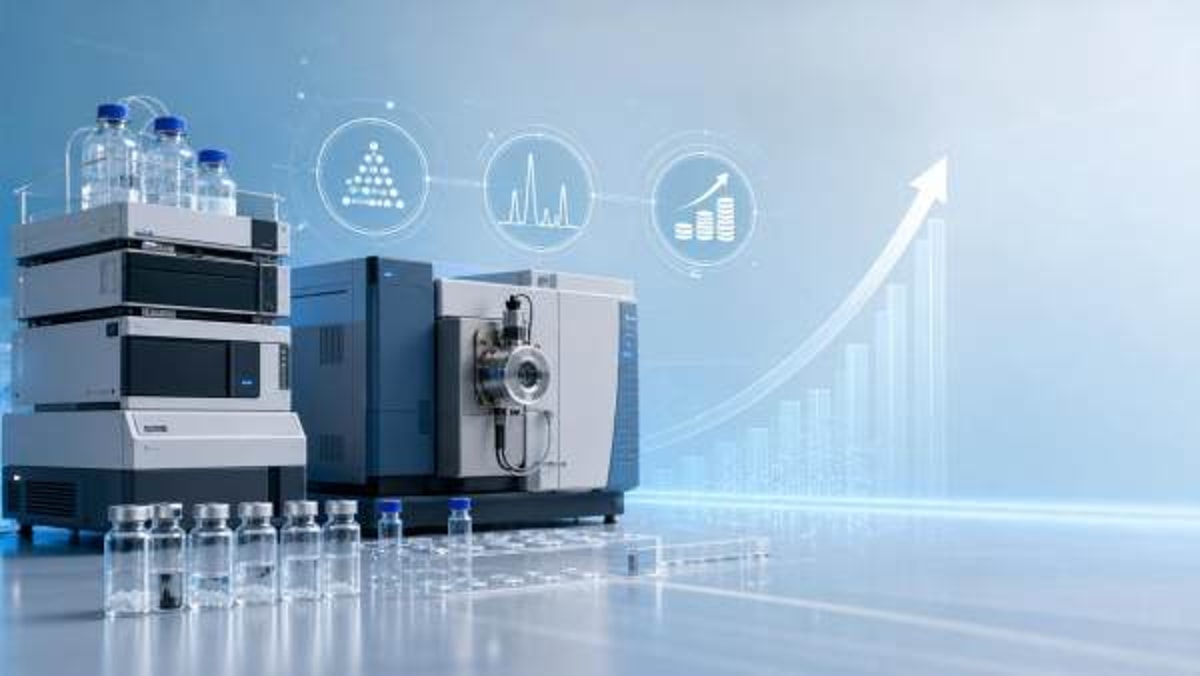
Peptide synthesis services often look straightforward at the quotation stage, yet final pricing can rise quickly when purity targets become more stringent. For financial decision-makers, understanding how analytical standards, yield losses, reprocessing, and compliance requirements affect total cost is essential to making sound procurement decisions. This article explains where the cost escalates and how to evaluate suppliers beyond the headline price.
What peptide synthesis services actually include
In industrial and life-science supply chains, peptide synthesis services refer to the outsourced design, chemical assembly, purification, analytical testing, and documentation of custom peptides. On paper, the order may seem simple: define sequence, quantity, purity, and delivery date. In practice, the final cost depends on how difficult the molecule is to build, how much crude material survives purification, and what level of verification is required before release.
For financial approvers, this matters because peptide synthesis services are not priced like ordinary commodity chemicals. Two suppliers may quote the same sequence at very different rates, and both can still be reasonable if they are working from different assumptions about purity, batch size, analytical depth, salt form, or intended use. A headline price without context can hide downstream cost exposure.
This issue is especially relevant for organizations operating in regulated and technically demanding sectors covered by AgriChem Chronicle, where fine chemicals, APIs, bio-extracts, and process inputs must meet strict standards. In these settings, low initial pricing can be outweighed by delayed approvals, failed incoming QC, or batch rejection.
Why purity targets receive so much attention
Purity is a measure of how much of the final material corresponds to the desired peptide rather than deletion sequences, truncated products, protecting-group remnants, oxidation products, or other synthesis-related impurities. Buyers often see purity expressed as 70%, 85%, 95%, 98%, or higher, typically based on HPLC area normalization. The higher the target, the more work is required to isolate the correct molecule from closely related byproducts.
At lower purity levels, peptide synthesis services can release more of the crude output with relatively limited purification. As purity expectations rise, the supplier may need multiple purification runs, tighter fraction collection, more solvent use, more labor, and additional analytical confirmation. That extra effort is not linear. Moving from 70% to 85% may be manageable, but moving from 95% to 98% can become disproportionately expensive because the last few percentage points are often the hardest to achieve.
For finance teams, the key insight is simple: purity is not only a quality metric; it is a major cost driver. If the requested specification exceeds the true application need, the organization may be paying for a technical standard that does not improve commercial outcomes.
Where the cost increases inside the manufacturing process
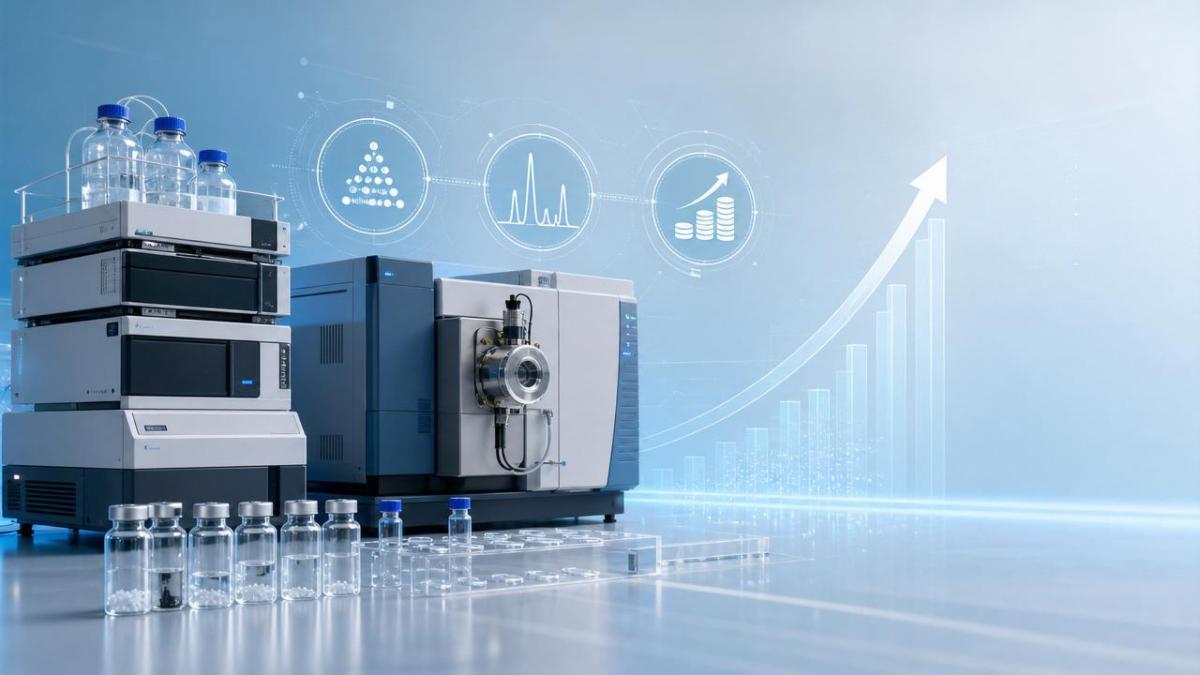
The cost structure of peptide synthesis services becomes clearer when broken into process stages. Solid-phase synthesis itself is only part of the spend. Purification, testing, and documentation often account for a much larger share when high purity is required.
Among these items, purification is usually the turning point. A supplier may generate acceptable crude peptide in reasonable time, yet still struggle to isolate enough material at the requested purity. The result is lower recovery, repeated runs, and higher cost per milligram.
Yield loss is the hidden financial variable
A common budgeting mistake is to assume that a higher purity target only adds analytical expense. In reality, it often destroys usable yield. If a batch begins with a certain amount of crude peptide, each purification step removes not only impurities but also some of the desired product. This means the supplier may need to synthesize substantially more starting material to deliver the same final quantity.
That effect becomes severe for long sequences, hydrophobic peptides, cyclized structures, modified residues, or molecules prone to aggregation and oxidation. In these cases, peptide synthesis services may carry a large gap between theoretical yield and deliverable yield. Finance teams reviewing quotes should therefore ask whether the price is based on crude output assumptions, isolated purified mass, or guaranteed released quantity.
Another important distinction is whether the supplier prices “as billed” mass or peptide content. A material labeled at a given net weight may contain water, counterions, or residual volatile components that affect active peptide content. For cost comparisons, normalizing quotes by actual peptide content can prevent misleading low-price decisions.
Industry context: why this matters beyond laboratory purchasing
Although peptide synthesis services are often associated with R&D, their cost logic increasingly matters across broader industrial sectors. Fine chemicals manufacturers, API developers, diagnostic firms, feed additive innovators, and biochemical ingredient companies all rely on specialized synthesis and verified analytical data. As regulatory review, customer qualification, and supply-chain transparency become stricter, the tolerance for undocumented quality assumptions becomes lower.
For organizations that publish technical claims, file regulatory submissions, or support commercial formulations, purity can influence not only efficacy but also stability, impurity risk, and reproducibility. A peptide that passes a research-grade screen may still fail in validation, scale-up, or customer acceptance if impurity profiles are not controlled. That is why procurement and finance functions should not treat purity as a laboratory preference alone. It can affect warranty exposure, commercialization timing, and working-capital efficiency.
Typical buyer scenarios and the right cost mindset
Not every application requires the same standard. The most cost-effective use of peptide synthesis services comes from matching specification to purpose rather than automatically requesting the highest purity available.
This application-based view helps finance approvers distinguish justified quality spend from unnecessary gold-plating. The goal is not to buy the cheapest peptide synthesis services, but to buy the right quality level for the commercial stage of the project.
How to evaluate suppliers beyond the headline quote
A lower quote may reflect narrower scope rather than superior efficiency. When reviewing peptide synthesis services, decision-makers should compare the commercial and technical assumptions line by line. At minimum, ask whether the quote specifies sequence verification method, purity method, final salt form, batch size tolerance, analytical package, and retesting policy.
Supplier capability also matters. Experienced providers usually have better route selection, impurity handling, and purification strategy, which can reduce failures and accelerate delivery. That can produce a higher initial unit price but a lower total program cost. In regulated environments, a supplier with stronger traceability and quality systems may save substantial internal time during audit preparation, vendor qualification, and deviation review.
Finance teams should also assess whether the vendor is transparent about technical risk. If a peptide is known to be difficult, realistic suppliers will flag sequence-specific challenges early. Overconfident low pricing on a difficult project can signal future change orders, delays, or compromised specifications.
Questions financial approvers should ask before approval
Strong approval decisions come from a short set of disciplined questions. First, is the requested purity truly required for the application, or is it inherited from a previous order without review? Second, what is the expected purified yield, and how sensitive is pricing to that assumption? Third, what analytical methods define acceptance, and are those methods aligned with internal QA expectations?
Fourth, does the quote include the documentation needed for downstream use, such as a detailed CoA, chromatograms, mass spectrometry data, residual solvent data, stability handling notes, or GMP-compatible records? Fifth, what happens if the supplier misses purity or quantity targets? Clear resynthesis, reprocessing, and release terms can significantly reduce financial uncertainty.
These questions shift discussion from nominal price to total risk-adjusted value, which is where peptide synthesis services should be evaluated in serious industrial procurement.
A practical budgeting approach for peptide synthesis services
A useful budgeting model separates peptide synthesis services into three layers: base synthesis cost, purity-driven processing cost, and compliance or documentation cost. This prevents teams from assuming that all price increases originate from one source. It also helps project owners decide where cost can be optimized without compromising fit for purpose.
For example, some projects can save money by ordering a moderate-purity exploratory batch first, then committing to higher-purity material only after the sequence proves valuable. Others benefit from higher initial standards because failed assays or rejected submissions would cost more than the premium. The right answer depends on technical stage, regulatory exposure, internal QC burden, and commercial timeline.
Conclusion: cost discipline starts with specification discipline
Peptide synthesis services become expensive not simply because suppliers charge more, but because tighter purity targets trigger a chain of real manufacturing consequences: more purification, more testing, more yield loss, and more compliance effort. For financial decision-makers, the most effective control is not aggressive price negotiation alone. It is careful specification management, accurate application matching, and supplier evaluation based on total delivered value.
In sectors where technical precision and traceability shape commercial success, a well-scoped order can protect both budget and project timelines. If your organization is comparing peptide synthesis services, align technical teams, QA, and finance around the true use case before approving the purchase. That single step often does more to control cost than chasing the lowest quote.
Related Intelligence
- Custom SynthesisPeptide synthesis services: when purity targets raise the final costPeptide synthesis services can look affordable upfront, but higher purity targets often drive up cost through yield loss, extra purification, and stricter QC. Learn how to compare suppliers wisely.
- Custom SynthesisBiochemical reagents manufacturer audits: the records worth checking firstBiochemical reagents manufacturer audits start with the right records. Learn which batch, traceability, CAPA, and calibration files reveal real risk before supplier approval.
- Custom SynthesisCustom polymer synthesis projects often fail at the handoff stageCustom polymer synthesis often fails at handoff, where scale-up, compliance, and sourcing collide. Learn the hidden risks, prevent spec drift, and improve project success.
The Morning Broadsheet
Daily chemical briefings, market shifts, and peer-reviewed summaries delivered to your terminal.
