

The Authority in Global Agricultural Chemistry & Bio-Resources
Which Agri and Forestry machinery specifications get overlooked
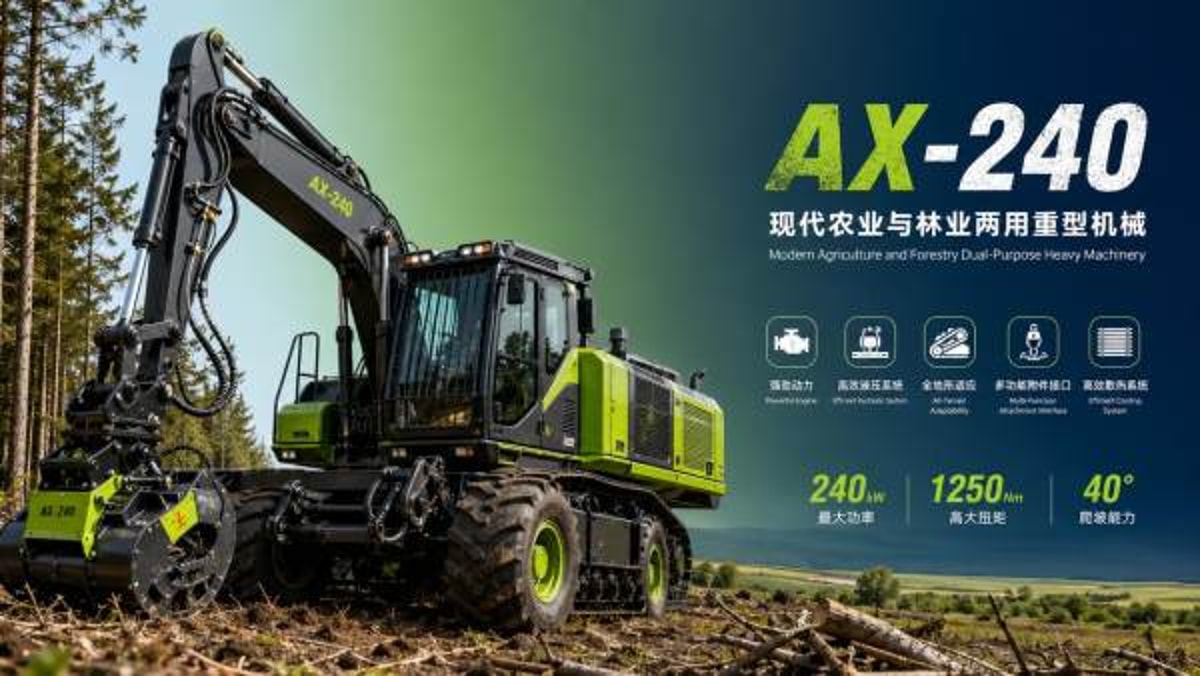
When evaluating agricultural and forestry equipment, many project leaders focus on power, price, and delivery timelines, yet critical Agri & Forestry machinery specifications often remain overlooked. From hydraulic capacity and terrain adaptability to compliance documentation and maintenance intervals, these details can directly affect operational efficiency, safety, and lifecycle cost. Understanding which specifications matter most helps engineering and procurement teams make more reliable, future-ready investment decisions.
Understanding the real scope of machinery specifications
In practical project planning, Agri & Forestry machinery specifications are far more than brochure figures. They describe the operating limits, environmental compatibility, service requirements, and compliance readiness of a machine across its entire working life. For project managers and engineering leads, this matters because equipment selection is rarely an isolated decision. It affects labor planning, site preparation, fuel strategy, spare parts inventory, operator training, digital integration, and regulatory exposure.
The most common mistake is assuming that engine horsepower or nominal throughput tells the full story. In reality, two machines with similar headline performance can deliver very different results once soil conditions, slope, moisture, attachment requirements, or shift duration are considered. This is why a disciplined review of Agri & Forestry machinery specifications is essential in both agriculture and forestry operations, especially where utilization targets and seasonal timing leave little room for downtime.
Why overlooked specifications have become a bigger industry issue
The industry context has changed. Primary industries now operate within tighter environmental rules, more volatile input costs, and more data-driven asset management practices. As highlighted across specialist sectors covered by AgriChem Chronicle, institutional buyers increasingly expect equipment choices to align with traceability, operational efficiency, and audit readiness. That means machinery specifications are no longer only a technical appendix; they are part of strategic risk control.
Agricultural contractors may need machines that move between crops, regions, and soil types. Forestry operators may face steep gradients, mixed stand density, remote service conditions, and strict site safety obligations. In both cases, overlooked Agri & Forestry machinery specifications can lead to underestimated wear, poor attachment compatibility, underpowered hydraulic systems, or compliance gaps that only appear after commissioning. The cost of discovering these issues in the field is usually much higher than identifying them during evaluation.
The specifications most often missed in early evaluation
Project leaders usually review dimensions, rated power, and purchase price first. Those are important, but they do not fully indicate whether equipment is fit for the real operating environment. The following areas deserve closer attention when comparing Agri & Forestry machinery specifications.
- Hydraulic flow and pressure: Essential for implements, grapples, loaders, mulchers, and precision application systems. A machine may have enough engine power but insufficient hydraulic performance for demanding attachments.
- Torque curve under working load: Peak horsepower looks impressive, yet low-speed torque stability often matters more in heavy terrain or dense material handling.
- Ground pressure and traction setup: Tire type, track configuration, axle load, and ballast options influence compaction, flotation, and performance in wet or uneven ground.
- Slope and terrain rating: Forestry and hillside agriculture require clear limits for lateral stability, braking performance, and rollover protection.
- Cooling and filtration capacity: Dust, chaff, bark particles, and heat loads can sharply reduce reliability if cooling packs and intake filtration are underspecified.
- Maintenance interval and service accessibility: Longer service intervals are useful only if daily inspection points, filters, and wear parts are easy to reach.
- Electrical architecture and data interface: CAN bus compatibility, telematics support, and sensor integration matter for fleet visibility and predictive maintenance.
- Compliance documentation: Emissions stage, operator safety standards, noise data, and local certification records are often reviewed too late.
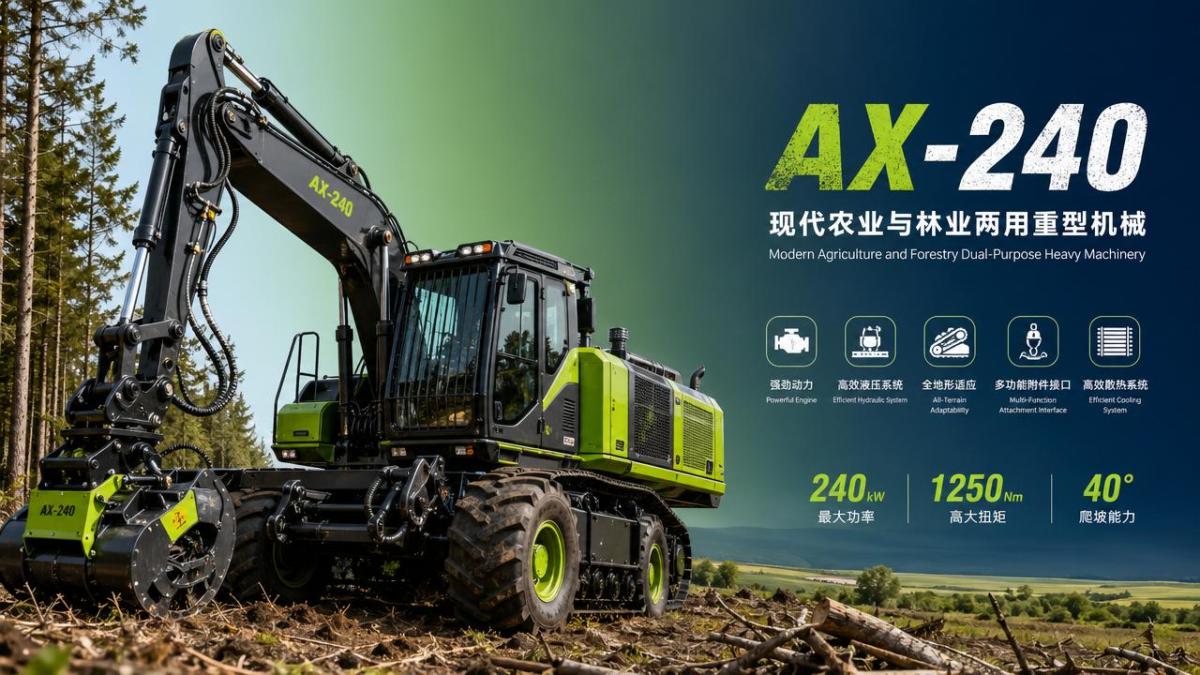
Industry overview: where specification gaps create the most risk
Different equipment categories expose different weaknesses in specification review. A structured overview helps teams understand which Agri & Forestry machinery specifications deserve the closest scrutiny in each use case.
Why these details matter for project managers and engineering leads
For project management teams, overlooked Agri & Forestry machinery specifications create downstream problems that are rarely visible at tender stage. If the machine cannot sustain attachment demand, the project may need extra passes, more fuel, or additional labor. If service points are hard to access, routine maintenance gets delayed and utilization falls. If terrain adaptability is overstated, the machine may be limited during wet seasons, undermining delivery schedules and site productivity.
These risks are especially relevant where machinery supports high-value output streams. In primary industries linked to biochemical inputs, feed processing, or regulated raw material production, equipment reliability influences not only field performance but also supply continuity. The same disciplined mindset applied to GMP, EPA, or FDA-sensitive sectors should be applied to machinery evaluation: verify the technical details that affect repeatable performance, not only the headline numbers used in sales material.
Typical scenarios where overlooked specifications become costly
In broad-acre agriculture, a tractor selected mainly by power rating may struggle when paired with high-demand seed drills or variable-rate application systems because hydraulic flow was not evaluated properly. In plantation forestry, a forwarder may meet payload targets on paper but suffer excessive bogging because tire configuration and ground pressure were not matched to seasonal soil conditions.
In mixed-fleet operations, interface mismatches are another frequent problem. A machine may require different couplings, software protocols, or electrical outputs than the attachments already in service. This forces unplanned adapter purchases, custom modifications, or operational workarounds. Reviewing Agri & Forestry machinery specifications through a fleet-compatibility lens can prevent these avoidable losses.
Object-based view of specification priorities
A practical framework for reviewing Agri & Forestry machinery specifications
A useful review framework begins with the operating profile rather than the machine brochure. Project leaders should document terrain, duty cycle, climate exposure, attachment mix, operator skill level, transport constraints, and expected annual utilization. Only then should Agri & Forestry machinery specifications be assessed against real conditions.
Next, separate specifications into four decision layers: performance, durability, serviceability, and compliance. Performance covers power delivery, hydraulics, and productivity. Durability includes frame design, component protection, cooling margin, and wear resistance. Serviceability addresses maintenance intervals, parts access, and local support readiness. Compliance includes safety guarding, emissions standards, documentation, and any site-specific requirements. This layered approach helps teams avoid overvaluing one dimension while neglecting another.
Finally, request evidence, not only claims. For example, ask for test data under load, attachment compatibility lists, fuel consumption curves, service manuals, recommended maintenance schedules, and certification files. Where possible, compare specifications using the same operating assumptions. This reduces the risk of choosing equipment based on non-equivalent marketing figures.
What to watch before approval and deployment
Before final approval, teams should validate whether the quoted Agri & Forestry machinery specifications match the intended market version, not a generic global model. Variants can differ in emissions package, guarding, software, hydraulic setup, and standard attachments. It is also wise to confirm spare parts lead times, technician availability, and whether diagnostic tools are restricted to authorized service partners.
Deployment planning should include operator familiarization and a first-year maintenance review. Even well-specified equipment can underperform if operators do not understand load limits, terrain restrictions, or service alerts. For engineering managers, the goal is not merely acquiring capable equipment but ensuring that the machine performs as specified within the real production system.
A more reliable way to make future-ready equipment decisions
The most overlooked Agri & Forestry machinery specifications are usually the ones that define long-term resilience: hydraulic suitability, terrain compatibility, service access, digital integration, and compliance traceability. These factors do not always dominate initial discussions, yet they shape lifecycle cost, uptime, and operational confidence more than many buyers expect.
For project leaders working across agriculture, forestry, and adjacent primary industries, a stronger specification review process is now a competitive advantage. It helps align technical performance with business continuity, regulatory expectations, and asset productivity. Organizations that treat machinery specifications as strategic operating data, rather than sales-sheet details, are better positioned to make dependable investments and support efficient field execution over time.
Related Intelligence
- Heavy Agri Machinery2026 Foshan Tanzhou Auto Expo: Smart Driving & Green Manufacturing Focus2026 Foshan Tanzhou Auto Expo highlights smart driving & green manufacturing—featuring electric agri-vehicles, steer-by-wire, and low-carbon coating tech. Discover next-gen solutions for OEMs and Tier 1 suppliers.
- Heavy Agri MachineryAgri and Forestry machinery manufacturers with realistic lead timesAgri & Forestry machinery manufacturers with realistic lead times help buyers reduce delays, verify capacity, and improve sourcing confidence. Learn how to choose reliable suppliers.
- Heavy Agri MachineryWhich Agri and Forestry machinery specifications get overlookedAgri & Forestry machinery specifications often hide the biggest risks. Discover the overlooked specs that impact uptime, safety, compliance, and long-term operating cost.
The Morning Broadsheet
Daily chemical briefings, market shifts, and peer-reviewed summaries delivered to your terminal.
