
Temperature control issues in a cold press oil machine commercial line
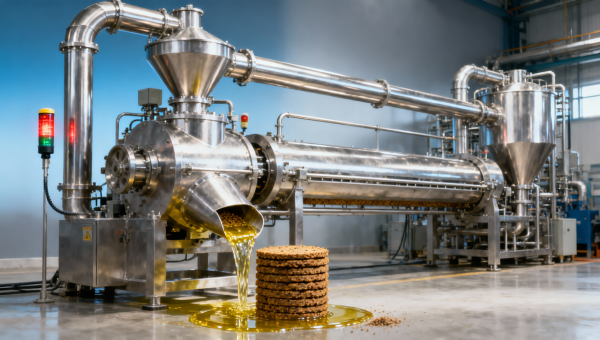
In a cold press oil machine commercial line, temperature control is the decisive factor behind oil yield, nutrient retention, and product stability. For processors comparing a sunflower oil press machine, seed oil expeller wholesale options, or broader coffee processing machinery and grain systems, understanding heat variation helps reduce quality loss, downtime, and compliance risks while supporting smarter technical and procurement decisions.
For operators, quality managers, procurement teams, and industrial decision-makers, temperature is not a secondary setting. It directly affects pressing efficiency, free fatty acid development, oxidation speed, filtration load, and final shelf performance. In commercial environments running 8 to 24 hours per day, even a 5°C to 10°C deviation can create measurable differences in oil clarity, aroma, sediment formation, and energy consumption.
This article examines the main temperature control issues in a cold press oil machine commercial line, including root causes, process risks, practical monitoring methods, equipment selection criteria, and procurement considerations. It is written for readers evaluating oilseed processing systems as part of a wider primary processing strategy, where production consistency, compliance, and return on investment must be considered together rather than separately.
Why Temperature Control Determines Commercial Cold Press Performance
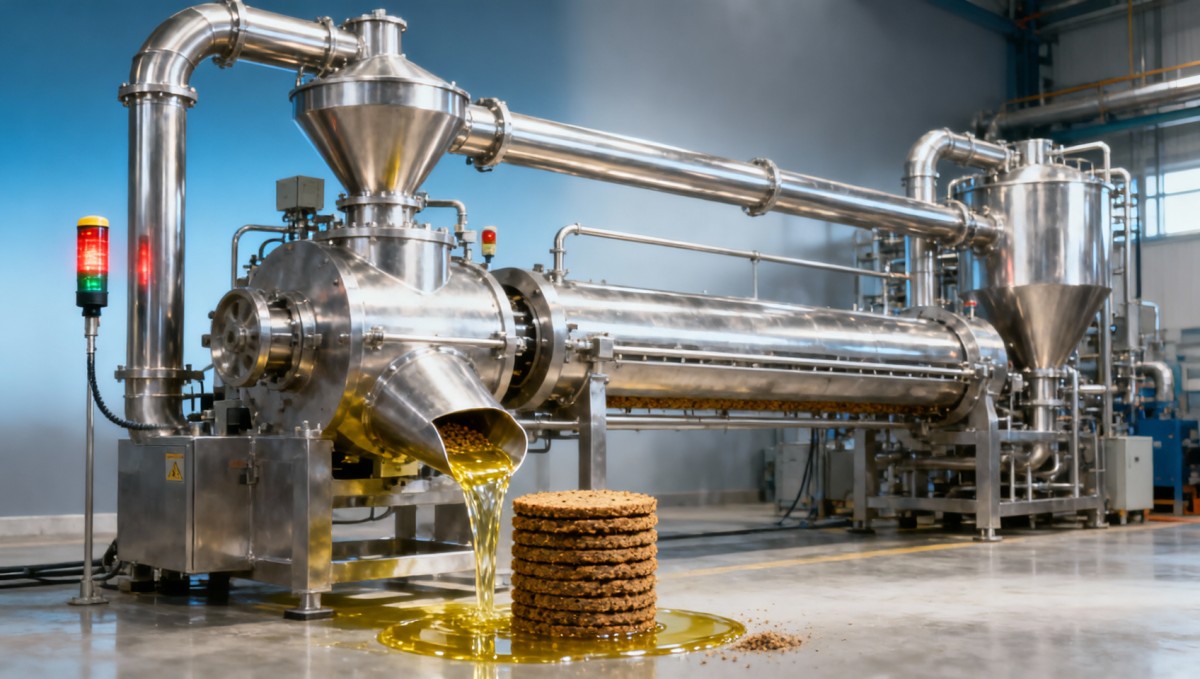
In a commercial cold press oil machine line, the term “cold press” usually implies that product temperature is maintained below a defined process threshold, often around 45°C to 60°C depending on the seed type, market positioning, and downstream quality requirements. The precise limit varies by processor, but the operating principle remains consistent: lower thermal stress helps preserve natural compounds such as tocopherols, phytosterols, and volatile aroma fractions.
When temperature rises beyond the intended range, oil viscosity initially falls and flow may appear easier, but the side effects become expensive. Oxidative reactions accelerate, cake moisture behavior changes, fine particles increase in suspension, and filtration cycles can shorten by 15% to 30%. In sunflower, flaxseed, sesame, and black seed applications, this often leads to darker oil and reduced premium product value.
Temperature also determines mechanical load. If incoming seed moisture is too low and friction increases, the screw shaft, barrel, and press cage can heat rapidly within 20 to 40 minutes of continuous operation. This may produce unstable torque, motor overload alarms, and irregular discharge from the cake outlet. A line rated at 80 kg/h to 500 kg/h can therefore underperform not because of motor size, but because heat is not being managed across the full process path.
For buyers comparing a sunflower oil press machine with broader seed oil expeller wholesale options, it is important to understand that nominal capacity figures are meaningful only when linked to thermal stability. A machine advertised at 300 kg/h may only maintain true cold press conditions at 220 to 250 kg/h if raw material temperature, ambient heat, and screw compression are not optimized.
Key production outcomes influenced by heat variation
- Oil yield and residual oil in cake, often shifting by 1.5% to 4% across different thermal conditions.
- Retention of sensitive components, especially in high-value edible and nutraceutical oils.
- Filtration speed, sediment loading, and the frequency of filter cloth or cartridge replacement.
- Oxidation risk during storage, transport, and retail packaging.
- Component wear rate, especially in the screw press chamber and bearings.
Typical temperature-sensitive points in the line
Commercial lines often focus on the press chamber but overlook other heat-generating zones. In practice, temperature should be monitored at a minimum of 4 points: raw material feed inlet, press barrel outer wall, discharged oil outlet, and cake outlet. In larger installations above 1 ton per day, a fifth point at the reduction gearbox or drive area is also useful because excess transmission heat can indirectly affect pressing stability.
The table below outlines how temperature changes influence process outcomes across common monitoring positions in a cold press oil machine line.
The main conclusion is straightforward: temperature should be treated as a process control variable, not just a quality inspection value. When thermal monitoring is integrated into daily operating procedures, processors gain more stable output, lower maintenance frequency, and clearer data for procurement justification.
Common Causes of Temperature Control Issues in a Commercial Line
Temperature instability rarely comes from a single cause. In most commercial cold press oil machine lines, overheating is the result of combined process deviations involving raw material condition, mechanical configuration, ambient environment, and operator settings. For technical evaluators, isolating the root cause is essential before requesting machine modification or replacing core components.
The first major variable is seed preparation. If moisture is too low, friction inside the screw press rises sharply. If moisture is too high, throughput may look stable at first, but compression efficiency drops and the operator may tighten the choke gap to compensate, generating additional heat. For many oilseeds, a practical moisture preparation window of 6% to 9% is common, though exact values depend on seed structure and desired cake characteristics.
The second factor is machine loading. A line that is pushed continuously at 90% to 100% of nominal capacity may exceed its thermal comfort zone, especially in tropical or poorly ventilated workshops. This is common in facilities that process multiple materials on the same machine, such as sunflower, sesame, peanut, and niche botanical seeds, without adjusting screw speed or compression geometry between batches.
The third issue is poor heat dissipation around the drive assembly, barrel housing, or oil collection zone. If ambient room temperature reaches 32°C to 38°C and there is limited airflow, residual heat remains trapped around the press body. Over a 6-hour or 8-hour shift, that heat accumulation can progressively move the machine away from intended cold press conditions even when the electrical system appears normal.
Mechanical and operational causes that are often underestimated
- Worn screw flights or barrel liners reduce material movement efficiency and increase friction hotspots.
- Improper bearing lubrication can transfer excess heat to nearby components within 1 to 2 hours of operation.
- Variable feed rate from a non-uniform hopper or manual loading causes compression swings.
- Delayed cleaning between product changes leaves residues that harden and disturb heat balance.
- Inaccurate temperature sensing or single-point measurement gives a false impression of process stability.
Raw material variability across the supply chain
Procurement teams should note that temperature problems can begin before the material enters the machine. Seeds stored in direct sun, transported in unventilated bulk bags, or held in silos without temperature logging may arrive 8°C to 12°C warmer than expected. This matters particularly in integrated processing environments where oil pressing is linked to grain cleaning, coffee processing machinery, or other primary handling systems that already generate heat in the same workshop.
Because of this, commercial buyers should ask not only for machine specifications, but also for raw material conditioning recommendations, acceptable feed ranges, and daily operating limits. A supplier that cannot define those boundaries may deliver a machine, but not a stable process.
How to Monitor, Diagnose, and Correct Heat Variation
An effective temperature control strategy starts with monitoring discipline. In commercial lines, manual spot checks once per shift are usually insufficient. A practical baseline is to record critical temperatures every 30 minutes during startup and every 60 minutes during stable production. If the line handles high-value oils or multiple seed types, continuous digital logging is preferable because temperature drift often occurs gradually and is easy to miss in visual inspection.
Diagnosis should compare at least 4 variables together: seed moisture, throughput rate, motor current, and discharge temperatures. When barrel temperature increases while throughput drops and current rises, the likely cause is friction or excessive compression. If oil outlet temperature rises but barrel temperature remains moderate, the issue may be delayed oil evacuation, localized buildup, or filtration bottleneck downstream.
Corrective action should follow a structured sequence. Adjusting only one factor, such as reducing throughput by 10%, can help temporarily but may hide the real issue. A better approach is to move through raw material checks, machine settings, and environmental controls in a documented order so the team can identify which change produced the improvement.
A practical 5-step troubleshooting workflow
- Verify incoming seed temperature and moisture before startup.
- Measure barrel, oil outlet, and cake discharge temperatures after 20, 40, and 60 minutes.
- Compare feed rate against real throughput, not nominal nameplate capacity.
- Inspect choke gap, screw wear, and residue accumulation in the press chamber.
- Check room ventilation, filter loading, and oil discharge flow resistance.
The table below can be used by operators and maintenance supervisors as a quick reference for identifying process symptoms and prioritizing corrective action.
The most useful insight from routine monitoring is trend recognition. If temperature rises by 3°C to 5°C on each successive batch, the line may be suffering from cumulative heat retention rather than a one-time operating fault. In that case, maintenance planning, ventilation improvement, or staged production scheduling may be more effective than constant operator intervention.
Equipment Selection and Procurement Criteria for Better Temperature Stability
For procurement managers and financial approvers, temperature control should be translated into procurement criteria that are measurable and commercially relevant. The most common mistake is to compare only motor power, rated capacity, and purchase price. A lower-cost unit may appear competitive, but if it generates unstable heat, the true cost emerges later through rework, inconsistent quality, slower filtration, shorter part life, and reduced product value.
A more reliable evaluation model uses 4 dimensions: thermal stability, material adaptability, monitoring capability, and maintenance access. This is especially important for businesses sourcing seed oil expeller wholesale systems for regional distribution or multi-site operations, where technical support and spare parts standardization matter just as much as initial capacity.
For medium-scale processors running 200 kg/h to 800 kg/h, it is advisable to ask whether the supplier can define operating temperature under specified seed moisture, ambient conditions, and continuous run time. If those conditions are not stated, performance claims are difficult to compare. Buyers should also ask whether the machine supports variable speed control, sensor integration, and easy disassembly for cleaning between batches.
Distributors and agents should pay attention to how these points affect resale credibility. End users increasingly want practical evidence that a sunflower oil press machine can maintain stable product quality over 4-hour, 8-hour, or full-day runs. Sales success often depends less on peak output claims and more on documented operating windows.
Procurement checklist for commercial buyers
- Ask for the recommended temperature range at barrel, oil outlet, and cake outlet during continuous operation.
- Confirm which seed types can be processed without major hardware changes.
- Review wear part replacement intervals, often every 800 to 2,000 operating hours depending on material abrasiveness.
- Check if the machine can be integrated with feeders, filters, conveyors, and storage systems already used in grain or coffee processing lines.
- Request commissioning, operator training, and spare parts support terms before approval.
Decision matrix for comparing suppliers
The following comparison framework helps technical teams and procurement departments align their evaluation criteria before issuing a purchase order.
This type of matrix helps move the purchase discussion from generic claims to verifiable process performance. It also gives financial approvers a clearer basis for comparing capital expense against quality preservation and maintenance risk.
Implementation, Maintenance, and Risk Control Across the Production Cycle
Once equipment is installed, temperature stability depends on implementation discipline. A commercial cold press oil machine line should not be considered fully commissioned after a short no-load test. A more realistic acceptance method includes at least 3 phases: dry mechanical verification, loaded trial with one core material, and continuous production validation over several hours. This is the stage where temperature behavior, not just output, should be documented.
Maintenance planning should also be organized around heat-related wear patterns. Bearings, screw shafts, press cages, seals, and gearbox lubrication all influence thermal behavior. In many plants, weekly visual checks and monthly measured inspections are sufficient for stable duty cycles, while lines running more than 16 hours per day may require tighter intervals. Waiting until overheating causes a shutdown is usually the most expensive strategy.
Quality and safety teams should connect thermal control to broader compliance practices. If the line serves edible oil, botanical extracts, feed-grade oilcake, or ingredient applications, documented process temperatures support traceability and internal quality review. They also help explain lot-to-lot differences during audits or customer complaints, especially when raw material sources vary by season.
For multi-product plants, a simple risk register can be highly effective. It should list the top heat-related failure points, probable causes, responsible personnel, inspection frequency, and response time. This is useful not only for plant managers, but also for distributors responsible for after-sales service across different customer sites.
Heat-control maintenance priorities
- Check feeder consistency every shift to prevent abrupt compression spikes.
- Clean press chamber residues before they carbonize or harden under repeated heat cycles.
- Verify lubrication intervals and lubricant suitability for ambient temperatures.
- Calibrate temperature sensors and handheld measurement devices every 6 to 12 months.
- Review workshop airflow and heat accumulation near motors, reducers, and filtration units.
FAQ for buyers and operators
How much temperature variation is acceptable in a commercial cold press line?
A small fluctuation of 2°C to 5°C during normal operation is common, especially during startup or seed lot changes. Repeated swings above 8°C to 10°C at the barrel or oil outlet usually indicate a process control issue that should be investigated.
Is higher temperature always bad if it improves yield?
Not necessarily, but it changes the product category and quality profile. Some processors accept moderate heat to improve extraction efficiency. However, if the commercial goal is premium cold pressed oil with better nutrient retention and cleaner sensory quality, excessive temperature may undermine market value even if short-term yield rises.
What should be included in supplier training?
Training should cover raw material preparation, startup sequence, temperature checkpoints, normal operating range, alarm response, cleaning method, and wear part inspection. For commercial installations, a 1-day to 3-day training structure is typical depending on line complexity and the number of product types.
Can these principles apply beyond edible oil processing?
Yes. The same thermal logic affects other primary processing systems, including bio-extracts, specialty seeds, and facilities where oil pressing operates alongside grain or coffee processing machinery. Whenever material quality depends on controlled mechanical force rather than aggressive heating, temperature management remains a critical operating variable.
Temperature control issues in a cold press oil machine commercial line are not just engineering details. They influence yield, nutrient preservation, maintenance cost, compliance readiness, and the credibility of every procurement decision. For processors comparing a sunflower oil press machine, seed oil expeller wholesale systems, or integrated primary processing equipment, the most reliable investments are those built around measurable thermal stability rather than headline capacity alone.
A disciplined approach combines raw material conditioning, multi-point temperature monitoring, practical troubleshooting, supplier transparency, and maintenance planning. That combination helps operators run more consistently, enables quality teams to document process control, and gives procurement managers stronger grounds for technical and financial approval.
If you are evaluating commercial oil pressing equipment or related processing solutions, now is the right time to review your temperature control requirements in detail. Contact us to discuss your production targets, request a tailored equipment comparison, or explore more solutions for stable, commercially viable cold press processing.
Related Intelligence
- Heavy Agri MachineryIndia Extends Anti-Dumping Review on Chinese Tractors, SeedersIndia extends anti-dumping review on Chinese tractors and seeders—impacting exporters, OEMs, and agri-supply chains. Act now to navigate tariffs, compliance, and sourcing shifts.
- Heavy Agri MachineryWhy some cassava grating machines waste more starch than expectedCassava grating machines can waste starch through poor design and maintenance. Compare key loss factors alongside coffee processing machinery, palm oil extraction machine, and wheat flour milling plant solutions.
- Heavy Agri MachineryCassava grating machines and the hidden cause of uneven particle sizeCassava grating machines uneven particle size often stems from feed, moisture, and screen issues—not one part. Learn how this buying insight also applies to coffee processing machinery and wheat flour milling plant selection.
The Morning Broadsheet
Daily chemical briefings, market shifts, and peer-reviewed summaries delivered to your terminal.
