
Riding ride on mowers: where comfort starts affecting output
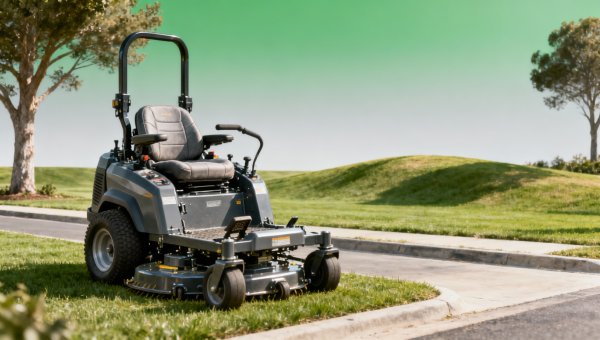
In modern grounds maintenance, riding ride on mowers are no longer judged by comfort alone—operator ergonomics now directly shape productivity, safety, and lifecycle cost. For buyers comparing wholesale lawn mowers, brush cutters wholesale options, or support from a reliable portable sawmill manufacturer and chainsaw manufacturer, understanding how machine comfort influences output is becoming a practical, data-driven procurement priority.
For institutional buyers, fleet managers, operators, and technical evaluators, the key question is no longer whether a riding mower feels better than a walk-behind unit. The question is how seat design, vibration control, visibility, control layout, and fatigue reduction affect mowing speed, daily uptime, operator error rates, and total operating cost over 3 to 7 years.
This matters across mixed procurement environments. A distributor serving landscaping contractors may source wholesale lawn mowers, while an industrial estate may also compare brush cutters wholesale packages for edge work, or assess support quality from a portable sawmill manufacturer and chainsaw manufacturer for broader land management. In each case, comfort-related design has become a measurable output factor rather than a soft feature.
Why Operator Comfort Has Become a Productivity Variable
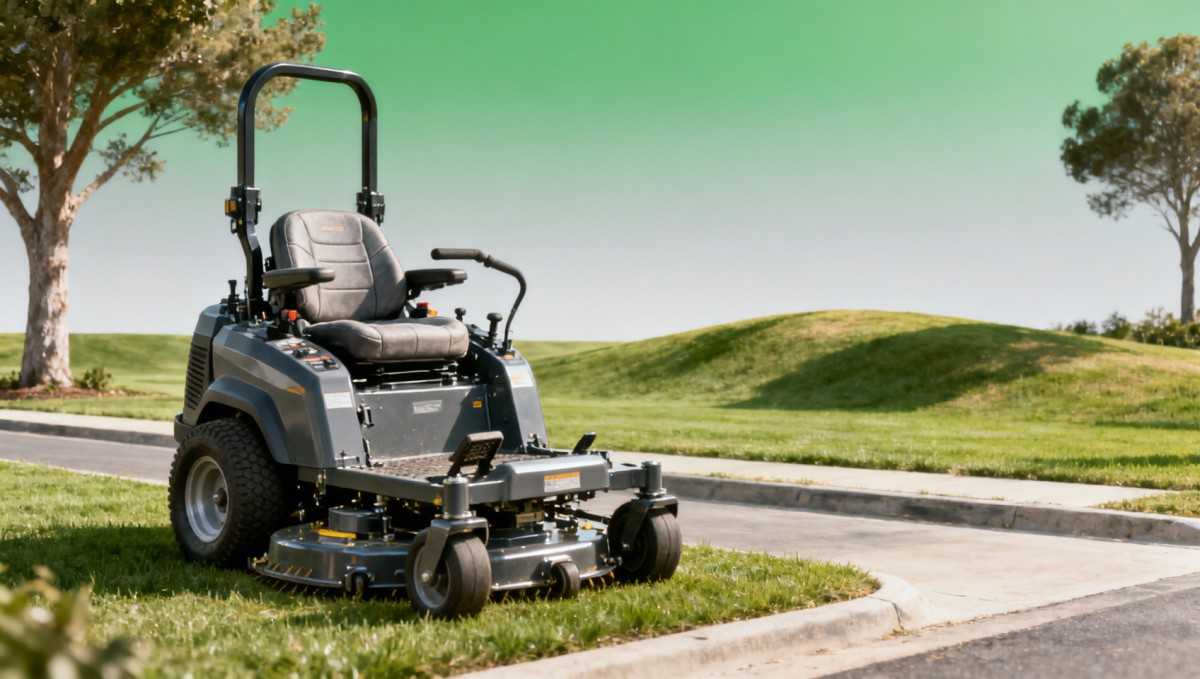
In commercial mowing, a rider may stay seated for 4 to 8 hours per shift during peak season. Over that duration, poor suspension, limited lumbar support, excessive hand-arm vibration, and awkward pedal reach can reduce concentration and increase corrective steering. Even a 5% drop in effective mowing speed across a 20-unit fleet translates into meaningful labor and fuel inefficiency over a 26-week season.
Comfort affects output in direct and indirect ways. Directly, a more stable operator platform allows smoother line tracking, better overlap control, and fewer missed strips. Indirectly, lower fatigue reduces downtime, decreases strain-related complaints, and can improve retention in a labor market where experienced grounds operators are increasingly difficult to replace within 2 to 6 weeks.
For technical evaluation teams, this means comfort should be reviewed as an engineering and commercial parameter. A seat with adjustable travel, arm support, and vibration damping may not change engine horsepower, but it can improve usable productivity by reducing rework and end-of-day performance decline. That distinction is especially relevant when comparing wholesale lawn mowers for municipalities, campuses, orchards, and contractor fleets.
Safety teams also have a clear stake in the discussion. Operators under physical stress are more likely to misjudge slope transitions, obstacle clearance, and reversing distance. Where mowing occurs near fencing, drainage edges, trees, or pedestrian zones, clear sightlines and reduced body strain can influence incident prevention as much as mechanical braking or rollover protection.
The most common comfort-related output losses
- Reduced mowing consistency after the first 2 to 3 hours of operation.
- More overlap passes caused by unstable seating and poor visibility of deck edges.
- Higher fatigue during rough-ground work, especially at travel speeds above 8 to 12 km/h.
- Greater risk of minor collisions when controls require excessive hand movement or awkward posture.
Comfort factors that should be tested before purchase
Before approving a purchase order, operators and project managers should perform a practical assessment instead of relying on brochure language. A 20- to 30-minute field test on uneven ground reveals more than a showroom inspection. Watch for body bounce, control reach, wrist angle, blind spots around the cutting deck, and ease of mounting and dismounting when repeated more than 15 times per shift.
The practical takeaway is simple: when a riding ride on mower is comfortable in a measurable way, the machine usually delivers steadier throughput, fewer errors, and lower hidden labor cost. That is why comfort should be included in bid comparisons alongside deck size, fuel type, service access, and spare parts lead time.
How Buyers Should Evaluate Riding Mowers Beyond Basic Specifications
Procurement teams often begin with engine output, cutting width, transmission type, and price. Those are necessary, but they do not fully predict real-world performance. Two machines with similar 42-inch to 60-inch decks may produce different daily output if one causes more fatigue, requires more corrective steering, or creates more operator hesitation near obstacles.
A better evaluation model combines technical fit, operator usability, service support, and whole-life cost. This approach is especially relevant for mixed fleets where riding mowers work alongside brush cutters wholesale units for perimeter trimming, and where broader estate operations may also depend on a chainsaw manufacturer or portable sawmill manufacturer for vegetation and timber handling tasks.
For finance approvers, the critical issue is not the lowest acquisition cost but the lowest controllable cost per operating hour. A unit priced 8% higher may still be the stronger choice if it reduces operator turnover, cuts rework, and shortens routine service time from 90 minutes to 45 minutes per scheduled interval.
Quality and safety managers should also confirm documentation depth. Good suppliers can explain noise ranges, vibration design intent, recommended service intervals, wear-part availability, and operating limitations on slope or ground condition. Thin technical support is a warning sign, especially for distributors and resellers managing after-sales expectations across multiple sites.
A four-part evaluation framework
- Match the mower to terrain: flat turf, mixed estate, orchard rows, roadside edges, or rough verges.
- Test operator ergonomics with at least 2 users of different height and experience.
- Review serviceability: filter access, belt changes, grease points, blade replacement time, and spare parts supply.
- Estimate lifecycle cost over 1,000 to 2,000 operating hours, not just purchase price.
The table below helps procurement teams compare decision variables that frequently influence long-term satisfaction more than headline specification sheets.
This framework is also useful for distributors building private-label or multi-brand portfolios. Machines that score well in operator comfort and support depth are easier to position to commercial buyers, because they address real output concerns instead of relying on superficial feature claims.
Operational Scenarios: Where Comfort Most Clearly Changes Output
Not every mowing environment places the same ergonomic demands on the operator. On a flat sports field, the productivity effect of comfort may appear moderate. On mixed terrain with tree roots, drainage edges, gravel transitions, and frequent reversing, comfort-related design becomes far more visible. The same applies to roadside maintenance, rural properties, campus grounds, and industrial parks with long mowing cycles.
In municipal and contractor work, operators often switch between mowing zones every 30 to 90 minutes. Machines that require repeated awkward mounting, offer poor deck visibility, or create heavy body shock during transport between plots can slow output even if cutting performance is acceptable. In these cases, the hidden loss often appears as operator pacing rather than mechanical incapacity.
There is also an interaction between rider mowers and complementary tools. If mowing quality is inconsistent because the operator is fatigued, crews may spend more time with brush cutters wholesale units cleaning up edges and missed growth. Likewise, on estates handling tree lines and storm debris, inefficient mower work can disrupt scheduling for teams also relying on a chainsaw manufacturer or portable sawmill manufacturer for broader site maintenance operations.
For project managers, the goal is to select a machine that fits the dominant terrain condition at least 70% of the time, while remaining tolerable across the remaining 30% of irregular ground. That balance is often more valuable than choosing the most powerful machine on paper.
Scenario-based fit matters more than generic ranking
The table below outlines how comfort influences output across common B2B use cases.
The key conclusion is that comfort should be specified according to use case, not treated as a universal luxury item. A commercial buyer maintaining 50 hectares of mixed ground should not evaluate a rider the same way as a facility team maintaining a flat 8-hectare campus lawn.
Common specification mistake
One frequent mistake is overemphasizing deck width while underestimating operator fatigue. In constrained or rough conditions, a wider deck can create more trimming correction and slower cornering, canceling out the expected productivity gain. For many buyers, a balanced machine with better ergonomics yields stronger net output than a larger but harsher platform.
Procurement Risks, Service Planning, and Lifecycle Cost Control
Buying the wrong riding ride on mower is rarely a one-time mistake. It usually creates an ongoing cost chain: lower operator acceptance, inconsistent field performance, greater wear from aggressive handling, and more complaints from site supervisors. For financial approvers, the better question is how the machine behaves over 12 months, 24 months, and 1,500 operating hours, not just during delivery inspection.
Service planning is central to cost control. Buyers should ask how quickly routine parts such as belts, blades, filters, tires, and spindle-related components can be supplied. A machine that saves 10% at purchase but waits 7 to 14 days for essential wear items may become the more expensive option during active growing months. The same logic applies across adjacent categories, including brush cutters wholesale procurement and support obligations from a chainsaw manufacturer.
From a quality and compliance standpoint, procurement files should document operating limitations, maintenance intervals, training needs, and acceptance criteria. This protects both buyer and supplier, especially in institutional or multi-site contracts where handover quality and after-sales response can affect renewal decisions.
Distributors and resellers should be equally disciplined. Comfort complaints are often framed by end users as “poor machine performance,” even when the true issue is vibration, seating, or control fatigue. Better pre-sale qualification reduces returns, service disputes, and unrealistic expectations.
A practical risk checklist before approval
- Confirm whether the operator station suits users across at least 2 height ranges.
- Review normal preventive maintenance intervals, often every 50 to 100 hours.
- Ask for realistic spare-part lead times during peak season, not only off-season averages.
- Check whether on-site training or remote commissioning support is available within 3 to 10 working days.
Lifecycle cost indicators worth tracking
Good procurement practice tracks at least five indicators after deployment: fuel use, productive mowing hours, downtime frequency, rework hours, and operator feedback by terrain type. Within one season, these metrics typically show whether the chosen rider mower is generating true field efficiency or only acceptable showroom impressions.
FAQ for Buyers, Operators, and Technical Evaluators
The following questions reflect common search intent from procurement teams, commercial users, and distributors comparing riding mowers with related outdoor power equipment categories.
How should I compare a riding mower with wholesale lawn mowers sold in bulk listings?
Start by separating residential-style value listings from true commercial-duty platforms. Bulk pricing can look attractive, but the important variables are operator comfort over 4 to 8 hours, service interval design, parts support, and suitability for your terrain. If the machine will be used in institutional or contractor settings, field testing is more important than catalog discount depth.
When does comfort become more important than deck width?
Comfort typically becomes the stronger output driver when mowing conditions are rough, obstacle-dense, or shift length exceeds 4 hours. On these sites, a slightly smaller but more stable and comfortable rider often produces better net output because it reduces overlap, missed strips, and fatigue-driven slowdowns.
Should buyers coordinate mower purchases with brush cutters wholesale packages?
Yes, especially when managing estates, roadside contracts, orchards, or municipal zones. A rider mower handles broad-area cutting efficiently, while brush cutters wholesale tools cover edges, around trees, drainage channels, and irregular corners. Coordinated procurement can simplify spare parts planning, operator training, and dealer relationships across one seasonal budget cycle.
Why mention a portable sawmill manufacturer and chainsaw manufacturer in mower planning?
Many industrial estates, farms, and land management contractors do not buy mowing equipment in isolation. They often maintain tree lines, storm-fall material, timber recovery, or vegetation clearance programs. Working with dependable suppliers across mower, chainsaw, and portable sawmill categories can improve maintenance coordination, procurement consistency, and downtime response.
What is the best way to validate comfort claims before purchase?
Use a documented trial. Run the machine for 20 to 30 minutes over representative terrain, with at least 2 operators if possible. Score seat support, vibration feel, control reach, visibility, entry and exit ease, and confidence near obstacles. A simple trial sheet often reveals more than standard sales demonstrations.
For B2B buyers, riding ride on mowers should be treated as productivity systems, not comfort accessories. Ergonomic design influences output, safety, rework, operator retention, and whole-life cost in ways that are now too significant to ignore. The strongest procurement decisions combine terrain fit, measurable comfort, maintainability, and dependable supply support across related equipment categories.
If you are evaluating wholesale lawn mowers, comparing brush cutters wholesale programs, or reviewing supplier reliability from a portable sawmill manufacturer and chainsaw manufacturer, a structured assessment will reduce procurement risk and improve operational results. To discuss application fit, technical requirements, or a tailored sourcing approach, contact us to get a customized solution and detailed product guidance.
Related Intelligence
- Heavy Agri MachineryIndia Launches AD Review on Chinese Tractors, Tariff May Rise to 28.5%India's AD review on Chinese tractors may raise tariffs to 28.5% — critical insights for exporters, importers & agri-machinery stakeholders.
- Heavy Agri MachineryIndia Launches Anti-Dumping Review on Chinese TractorsIndia's anti-dumping review on Chinese tractors (≥50HP, smart hydraulic suspension) may raise duties to 22.5–28.5%. Exporters, CKD assemblers & suppliers: act now to assess risk and compliance.
- Heavy Agri MachineryIndia Launches Anti-Dumping Review on Chinese Heavy Agri MachineryIndia's anti-dumping sunset review on Chinese heavy agri machinery — tractors & precision seeders — proposes duty hike to 28.5%. Act now to assess impact & prepare defense.
The Morning Broadsheet
Daily chemical briefings, market shifts, and peer-reviewed summaries delivered to your terminal.
