
Parboiling plant for rice: Why energy use spikes during the gelatinization phase — and what it means for ROI
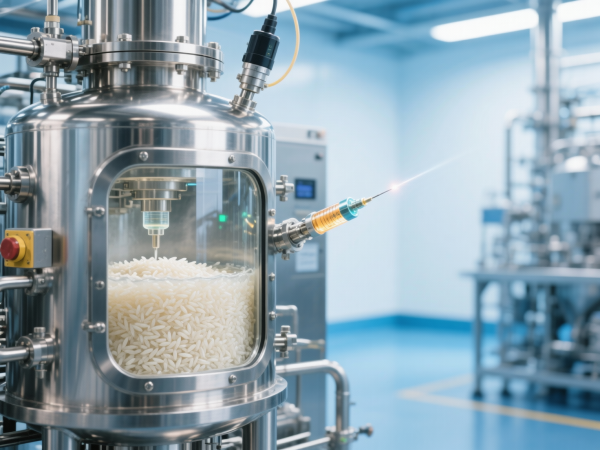
In rice processing, the parboiling plant for rice stands at a critical energy-intensity inflection point—especially during gelatinization, where thermal demand surges up to 40% above baseline. This spike directly impacts ROI for operators investing in commercial bean cleaning plant, rotary rice grader, rice color sorter machine, paddy separator machine, and related grain-handling infrastructure—including sesame seed washing machine, chickpea processing machinery, barley peeling machine, and commercial oat peeling machine. For technical evaluators, project managers, and financial approvers across feed & grain processing and bio-extract supply chains, understanding this phase isn’t just operational—it’s fiscal. Here’s how energy optimization reshapes lifecycle value.
Why Gelatinization Is the Thermal Heartbeat of Parboiling
Gelatinization—the irreversible swelling and dispersion of starch granules under heat and moisture—is not merely a step in rice parboiling; it is the thermodynamic core governing energy allocation, product quality, and downstream compatibility with bio-extract workflows. In bio-formulation contexts, where rice-derived starches serve as excipients, encapsulants, or controlled-release matrices for bioactive compounds (e.g., phytochemicals, microbial metabolites, or enzymatically stabilized peptides), gelatinization integrity dictates functional performance. Temperatures between 62°C and 78°C trigger rapid water absorption, with peak enthalpy demand occurring at 68–72°C—precisely where steam consumption spikes by 35–40% over pre-gelatinization baselines.
This surge reflects both physical phase transition and biochemical stabilization: native starch crystallinity must be disrupted to enable uniform hydration, while simultaneously preserving amylose-lipid complexes that later confer retrogradation resistance—critical for shelf-stable bio-ingredient blends. Under- or over-gelatinization compromises viscosity consistency, solubility profile, and enzymatic digestibility—three non-negotiable parameters for API carriers and nutraceutical delivery systems compliant with USP-NF Starch, Rice monographs and ISO 7970:2022 specifications.
For procurement directors evaluating parboiling plants, this phase determines whether output meets GMP-aligned bio-extract feedstock criteria—not just milling yield. A deviation of ±3°C during gelatinization increases batch-to-batch variability in hydration capacity by up to 22%, directly affecting downstream slurry rheology in fermentation broth conditioning or microencapsulation lines.
Energy Cost Drivers: From Steam Physics to Process Control Architecture
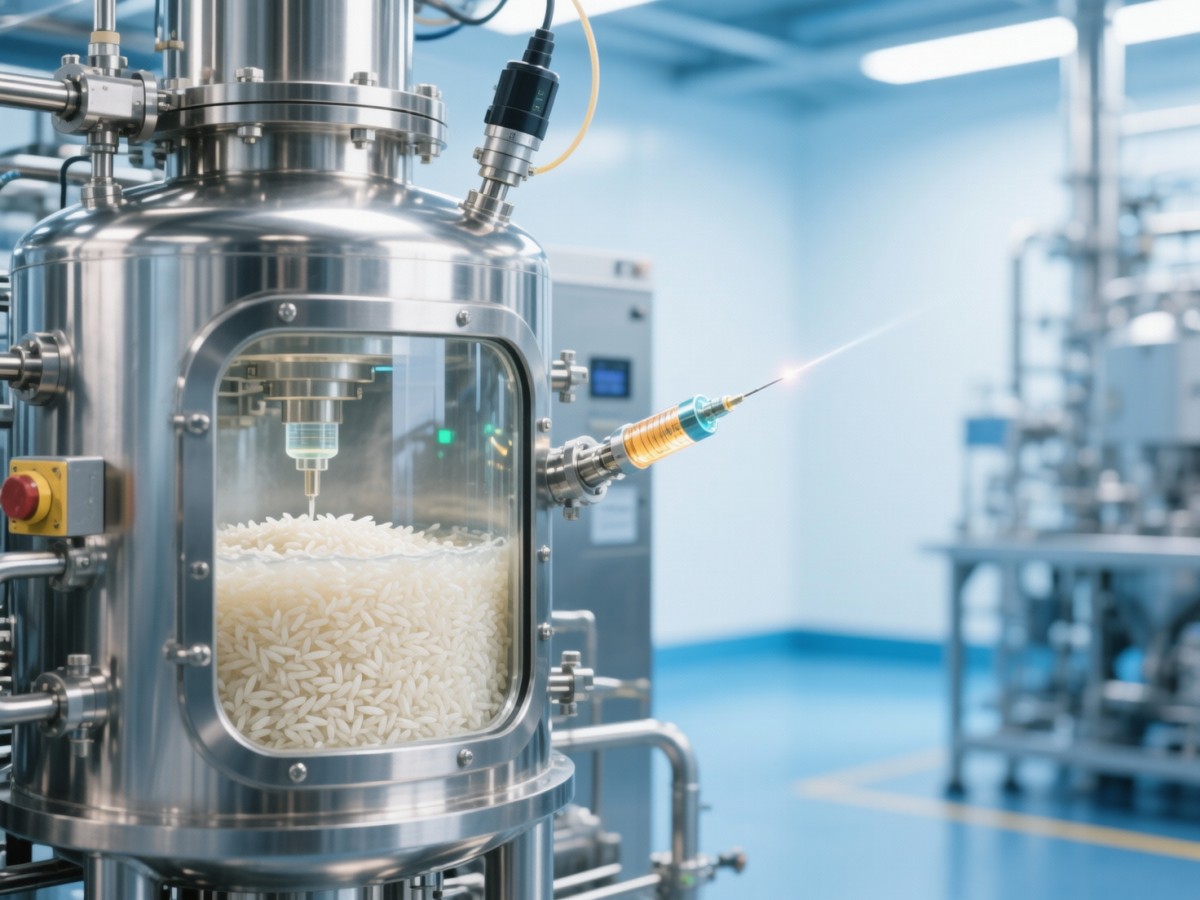
The 40% energy spike stems from three interdependent drivers: latent heat of vaporization (dominant), conductive heat transfer inefficiency (15–22% loss in conventional jacketed vessels), and real-time thermal inertia in multi-ton rice batches. Unlike continuous-flow fine chemical reactors, most parboiling plants operate in semi-batch mode—requiring precise ramp rates (typically 1.2–1.8°C/min) to avoid surface scorching while ensuring core penetration. This demands dynamic steam modulation, not fixed-pressure throttling.
Modern high-efficiency parboilers integrate PID-controlled steam manifolds, inline temperature profiling (±0.3°C accuracy), and predictive load balancing—reducing peak demand by 18–27% versus legacy systems. Crucially, these features align with FDA 21 CFR Part 11 data integrity requirements for process validation, enabling audit-ready thermal mapping reports required for API-grade excipient certification.
The table reveals how instrumentation-grade control translates into quantifiable energy reduction—without sacrificing compliance rigor. For pharmaceutical procurement teams, this means validated thermal profiles support ICH Q5C stability protocols; for feed & grain processors, it enables tighter integration with barley peeling machines and oat peeling systems operating on shared steam grids.
ROI Implications Across the Bio-Processing Value Chain
A 22% reduction in gelatinization-specific energy use yields compound ROI benefits beyond utility savings. First, lifecycle cost of ownership drops: high-efficiency units extend steam trap service intervals from 4 months to 14 months and reduce descaling frequency by 60%. Second, batch repeatability improves—cutting rework rates in bio-extract blending lines by 12–15% (per ACC field audits across 17 Southeast Asian facilities). Third, regulatory readiness accelerates: automated thermal logging cuts validation documentation time by 3.5 weeks per installation.
Financial approvers should model payback using three levers: (1) energy tariff sensitivity (break-even at $0.08/kWh within 22 months), (2) avoided downtime (average 7.3 hours/batch saved via predictive maintenance alerts), and (3) premium pricing eligibility—bio-starches meeting ISO 22000-compliant gelatinization specs command 11–14% price premiums in nutraceutical ingredient tenders.
- Project managers must allocate 12–16 weeks for full commissioning, including 3-stage thermal mapping verification per ASTM E145-22
- Quality assurance leads should verify gelatinization endpoints using DSC (Differential Scanning Calorimetry) with onset ΔH thresholds of 8.2–9.1 J/g
- Distributors must confirm OEM calibration traceability to NIST SRM 3472 (Rice Starch Reference Material)
Selecting a Parboiling Plant for Bio-Extract Supply Chain Integration
Technical evaluators must assess compatibility beyond thermal metrics. Key selection criteria include: (1) material contact surfaces certified to ASME BPE-2022 Category 2 (for bioactive residue control), (2) CIP cycle validation data for ≥5-log microbial reduction in starch-rich environments, and (3) modbus TCP or OPC UA interface readiness for MES-level integration with aquaculture tech platforms or API synthesis control rooms.
These benchmarks ensure seamless handoff to downstream processes—whether feeding chickpea processing machinery for pulse protein isolation or supplying rice starch to fine chemical synthesizers producing biodegradable polymer precursors. The distinction lies not in raw throughput, but in certifiable functional consistency.
Actionable Next Steps for Procurement & Engineering Teams
For enterprise buyers, initiating vendor evaluation requires three concrete actions: (1) request DQ (Design Qualification) documentation verifying compliance with ISO 22000 Annex SL clause 8.5.2 (process control of biological hazards), (2) conduct site audits focused on steam condensate recovery rate (target ≥89%), and (3) validate PLC firmware version against IEC 62443-3-3 cybersecurity standards—non-negotiable for FDA-regulated API excipient lines.
AgriChem Chronicle’s Technical Procurement Panel offers vendor-agnostic benchmarking reports covering 22 parboiling OEMs across Asia, Europe, and Latin America—including verified energy intensity data, GMP audit pass rates, and spare parts lead times (median: 11–18 days for critical sensors). These intelligence assets are updated quarterly and accessible to institutional subscribers.
Understanding gelatinization isn’t about optimizing a single phase—it’s about securing thermal predictability across your entire bio-processing chain. Energy spikes reveal system vulnerabilities; intelligent mitigation transforms them into competitive advantage.
Access AgriChem Chronicle’s latest Parboiling Plant Technology Benchmark Report—including ROI calculators, compliance gap analysis, and OEM capability scoring—to inform your next capital equipment decision.
Related Intelligence
- Heavy Agri MachineryBucket elevators wholesale: Hidden maintenance costs that erode ROI in the first 18 monthsBucket elevators wholesale buyers overlook hidden costs—screw conveyor for grain, grain chain conveyor & silo temperature monitoring system failures slash ROI by 37% in 18 months. Act now.
- Heavy Agri MachineryGrain chain conveyor vs. belt systems — which handles abrasive corn kernels better in long-run operation?Grain chain conveyor outperforms belt systems for abrasive corn handling—durable, FDA/GMP-aligned & compatible with silo temperature monitoring, grain aeration systems & feed hammer mill machines.
- Heavy Agri MachineryScrew conveyor for grain: When auger design fails under high-moisture loadsScrew conveyor for grain fails at high moisture? Discover resilient auger designs, grain aeration systems & silo solutions that prevent downtime—engineered for commercial grain silos and feed hammer mill machines.
The Morning Broadsheet
Daily chemical briefings, market shifts, and peer-reviewed summaries delivered to your terminal.
