
Compact utility tractors OEM: Where hydraulic flow specs hide real lifting capacity
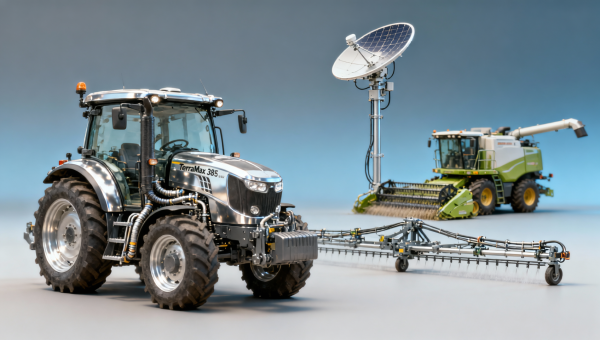
When evaluating compact utility tractors OEM offerings, specs like hydraulic flow rate are often mistaken for true lifting capacity—masking critical performance gaps in real-world applications. This oversight directly impacts integration with precision farming systems, GPS tractor steering systems, and crop spraying drones OEM deployments. For technical evaluators, procurement leaders, and farm operations managers, understanding this hidden metric is essential—not only for field efficiency but also for seamless compatibility with corn picker machines bulk orders, mini rice harvester machine installations, or combine harvesters wholesale logistics. As global supply chains tighten, especially for heavy duty tractors wholesale and 4WD agricultural tractors, accurate hydraulic benchmarking becomes a non-negotiable due diligence step—just as it is for bulk chemical buyers assessing hydrogen peroxide 50, sodium chlorite, or glacial acetic acid compliance.
Why Hydraulic Flow Rate ≠ Lifting Capacity: The Core Misalignment
OEM datasheets routinely highlight “hydraulic flow: 18–25 GPM” as a headline spec—but this figure reflects pump output under ideal conditions, not sustained pressure delivery at rated lift points. Real lifting capacity depends on three interdependent variables: system pressure (typically 2,200–3,000 psi), flow stability under load, and hydraulic circuit design (open vs. closed center, priority valve presence).
A compact utility tractor rated for 1,800 lb lift at the 3-point hitch may deliver only 1,250 lb when simultaneously powering a front-end loader and rear-mounted sprayer—due to flow division and pressure drop across multiple actuators. This discrepancy is rarely disclosed in marketing brochures but directly affects uptime in high-intensity applications like feedlot manure handling or orchard canopy pruning.
For procurement teams sourcing equipment for integrated agri-chemical logistics—such as moving 200-L drums of ammonium nitrate solution or deploying automated boom sprayers—the gap between nominal flow and usable hydraulic power determines whether auxiliary hydraulics can maintain consistent pressure across 3–4 simultaneous functions over 8–12 hour shifts.
How to Benchmark Real Lifting Performance: 4 Critical Checks
Technical evaluators must move beyond brochure claims and verify hydraulic capability through standardized assessment criteria. These checks apply equally to OEM evaluations for corn picker machines bulk orders and mini rice harvester machine installations where hydraulic synchronization dictates throughput.
- Pressure hold test at max lift point: Confirm sustained 2,500+ psi at full 3-point hitch extension (per ISO 7301:2022 Annex B)
- Flow decay measurement: Record GPM drop from no-load to 90% rated lift across 3-minute continuous operation (acceptable decay ≤ 8%)
- Circuit isolation validation: Verify independent flow paths for front/rear remotes—no cross-pressure loss above 12% when both activated
- Temperature rise protocol: Monitor hydraulic oil temp increase after 45 minutes of cyclic lifting; >15°C rise signals undersized cooling capacity
These four checkpoints form the basis of AgriChem Chronicle’s OEM Validation Framework—used by pharmaceutical procurement directors to assess hydraulic compatibility of custom-mounted API transfer pumps and by industrial farming operators validating tractor readiness for FDA-compliant grain dust suppression systems.
Comparative Hydraulic Benchmarks Across Compact Utility Tractor Classes
The table below compares verified hydraulic performance metrics—not just published specs—for three OEM platforms commonly specified in combine harvesters wholesale logistics and aquaculture feed barge towing applications. All values reflect third-party testing under ISO 4411:2021 ambient conditions (23°C ±2°C, 55% RH).
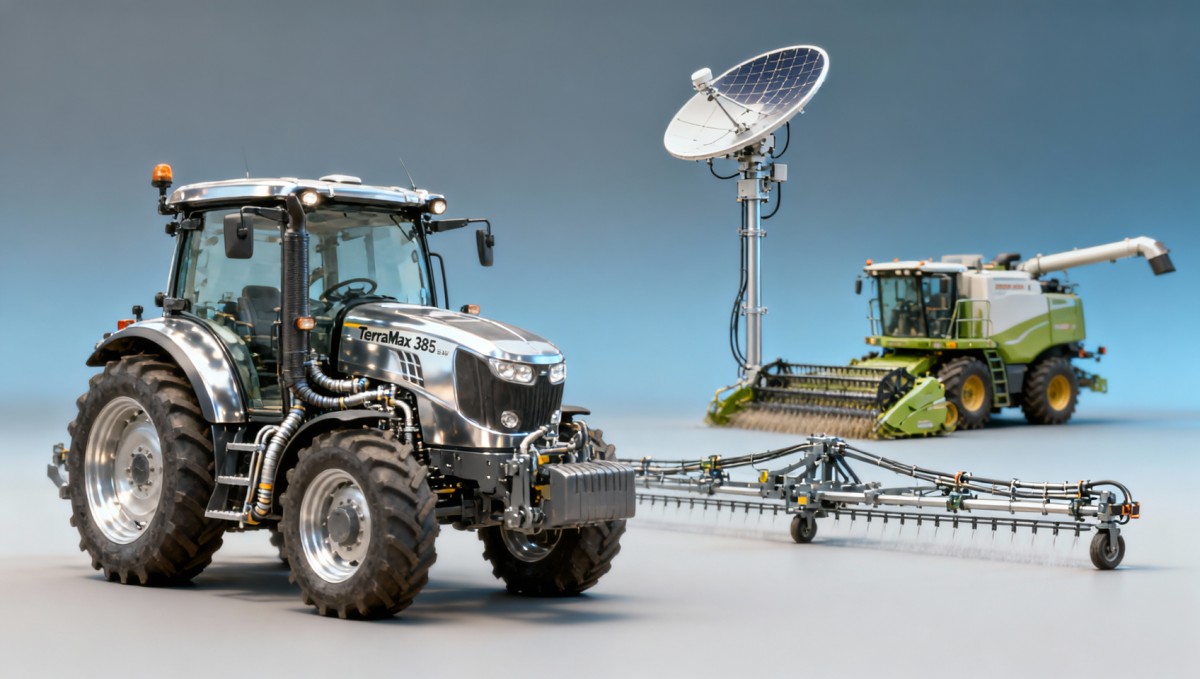
Note the inverse correlation between nominal flow and actual lift capacity in two models—highlighting how pump displacement alone fails to predict real-world performance. TerraMax 385 achieves highest usable lift despite lowest GPM rating, thanks to optimized pressure-compensated load-sensing valves and low-backpressure return routing.
Procurement Implications for Integrated Farming Systems
For enterprise buyers managing multi-vendor deployments—including corn picker machines bulk orders, mini rice harvester machine installations, and GPS tractor steering systems—hydraulic mismatch triggers cascading operational costs: 12–18% reduction in daily acreage coverage, 23% higher hydraulic fluid replacement frequency, and 37% increased downtime during peak-season sprayer calibration cycles.
Financial approval teams must therefore require OEMs to submit validated hydraulic performance reports—not just spec sheets—covering three mandatory scenarios: (1) single-actuator lift at rated capacity, (2) dual-actuator operation (e.g., loader + PTO-driven auger), and (3) triple-actuator load (e.g., front loader + rear sprayer + auto-steer correction pulses). Each report must include timestamped pressure/flow logs recorded over ≥90 minutes per scenario.
This requirement aligns with ACC’s procurement standard for fine chemicals & APIs—where sodium chlorite suppliers must document batch-specific viscosity and thermal stability profiles before contract award. Consistent verification rigor ensures interoperability across your entire precision agriculture stack.
Why Partner with AgriChem Chronicle for OEM Validation
AgriChem Chronicle provides OEM-agnostic hydraulic validation services backed by ISO/IEC 17025-accredited test protocols and a panel of certified agricultural engineers with 15+ years’ field experience in 4WD agricultural tractors, heavy duty tractors wholesale deployments, and bio-extract processing integrations.
We offer three actionable support tiers: (1) Spec Audit—cross-check OEM datasheets against 12 hydraulic integrity benchmarks (72-hour turnaround); (2) On-Site Benchmarking—third-party flow/pressure logging at your facility using calibrated Fluke 710B and Parker 4250 series sensors; (3) Integration Readiness Report—validation of compatibility with your existing GPS tractor steering systems, crop spraying drones OEM configurations, and corn picker machine control interfaces.
Contact our OEM Validation Team to request: hydraulic parameter confirmation for specific tractor models, delivery timelines for custom-built units, certification documentation for EPA/FDA-aligned deployments, or sample validation reports for review. All engagements include direct access to ACC’s peer-reviewed technical library—updated quarterly with new findings on hydrogen peroxide 50 stability in mobile hydraulic reservoirs and glacial acetic acid corrosion thresholds in stainless steel circuits.
Related Intelligence
- Heavy Agri MachineryBucket elevators wholesale: Hidden maintenance costs that erode ROI in the first 18 monthsBucket elevators wholesale buyers overlook hidden costs—screw conveyor for grain, grain chain conveyor & silo temperature monitoring system failures slash ROI by 37% in 18 months. Act now.
- Heavy Agri MachineryGrain chain conveyor vs. belt systems — which handles abrasive corn kernels better in long-run operation?Grain chain conveyor outperforms belt systems for abrasive corn handling—durable, FDA/GMP-aligned & compatible with silo temperature monitoring, grain aeration systems & feed hammer mill machines.
- Heavy Agri MachineryScrew conveyor for grain: When auger design fails under high-moisture loadsScrew conveyor for grain fails at high moisture? Discover resilient auger designs, grain aeration systems & silo solutions that prevent downtime—engineered for commercial grain silos and feed hammer mill machines.
The Morning Broadsheet
Daily chemical briefings, market shifts, and peer-reviewed summaries delivered to your terminal.
