

The Authority in Global Agricultural Chemistry & Bio-Resources
Agricultural hand tools wholesale with fewer breakage complaints
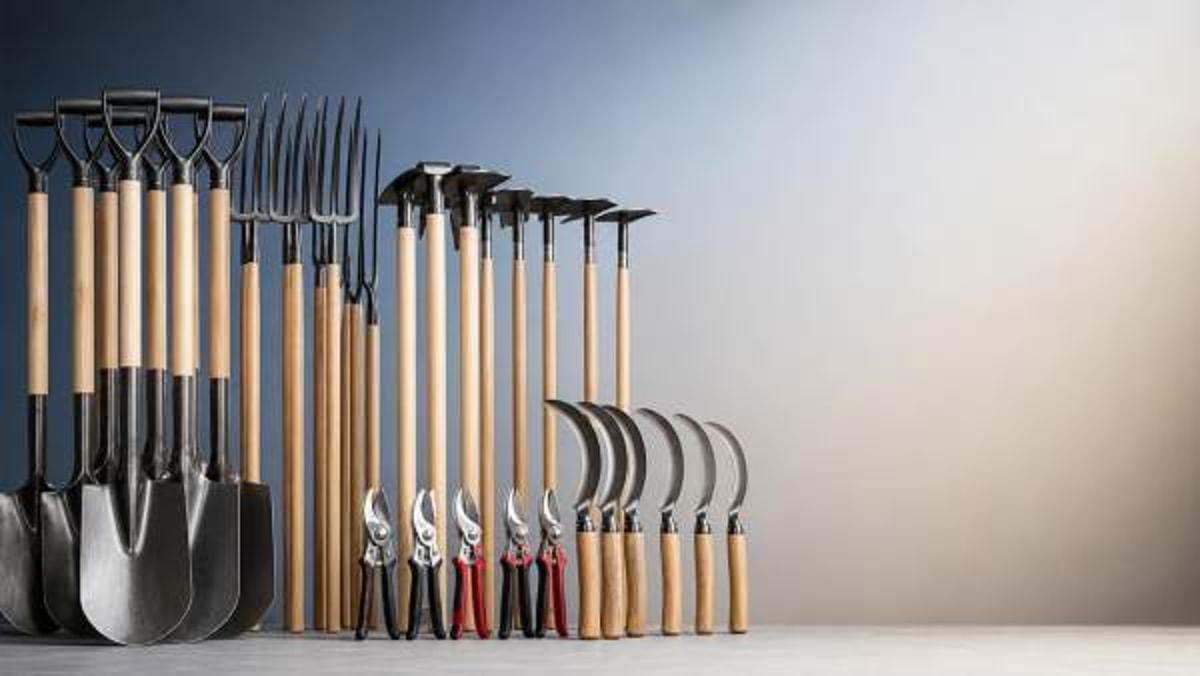
For distributors, agents, and regional wholesalers, sourcing agricultural hand tools wholesale is no longer just about price—it is about reducing breakage complaints, protecting margins, and securing repeat orders. In a market where durability, batch consistency, and supplier accountability directly affect reputation, understanding how to evaluate reliable hand tool manufacturers can create a clear competitive edge.
The market signal has changed: lower cost is no longer the safest buying strategy
One of the clearest shifts in agricultural hand tools wholesale is that complaint rates now influence commercial decisions more than headline unit price. Distributors used to compete mainly by offering the lowest entry cost on shovels, hoes, pruning tools, sickles, forks, and digging tools. Today, downstream buyers are more alert to hidden costs: damaged goods, seasonal returns, negative reseller feedback, and replacement requests that consume time and erode confidence.
This change is especially visible in markets where farm labor is under pressure and operators expect tools to last longer across repeated field use. A broken wooden handle, a blade that chips too early, or inconsistent heat treatment across one shipment can quickly turn a “cheap” purchase into a poor wholesale decision. For agents and distributors, fewer breakage complaints are becoming a measurable business advantage, not just a quality slogan.
The practical implication is straightforward: agricultural hand tools wholesale is moving toward performance-based sourcing. Buyers are increasingly screening suppliers for process stability, material quality, packaging protection, and after-sales responsiveness. The supplier that prevents complaints often becomes more valuable than the one that simply quotes the lowest FOB rate.
Why durability has become a stronger buying signal
Several forces are pushing the market in this direction. First, distribution networks have become more transparent. A regional wholesaler can now receive field feedback much faster from dealers, retailers, and end users. Product failure is no longer buried inside local channels; it surfaces quickly and influences reorder decisions.
Second, the cost of replacement is rising. Even when the tool itself is inexpensive, the logistics of handling complaints, arranging compensation, and managing customer dissatisfaction can outweigh the savings gained from low-cost procurement. Third, buyers in agricultural supply chains are becoming more disciplined about supplier scorecards. They want predictable quality across seasons, especially before peak planting, harvesting, or land preparation periods.
Another driver is product application diversity. Agricultural hand tools are used in open-field farming, horticulture, plantation work, forestry support, greenhouse operations, and rural infrastructure tasks. Different environments stress tools in different ways. That means agricultural hand tools wholesale now requires more nuanced product matching rather than broad, generic sourcing.
The broader lesson is that quality signals are becoming more commercialized. In agricultural hand tools wholesale, durability is no longer a back-end manufacturing issue. It is part of front-end market positioning.
Breakage complaints are usually a supply chain problem, not a single-product problem
A common sourcing mistake is to treat breakage as a random event. In reality, repeated complaints usually point to systemic weaknesses. These may include unstable raw material sourcing, poor hardness control, inconsistent handle moisture content, weak ferrule fastening, rushed assembly, or insufficient export packaging. For distributors engaged in agricultural hand tools wholesale, the key trend is that quality risk must be assessed across the full chain.
For example, a hoe head may pass visual inspection yet fail under torque if the steel composition or heat treatment is uneven. A wooden handle may look acceptable at loading but later crack if drying control was inadequate. A shovel may arrive in good condition but still produce complaints if cartons and palletization were not designed for rough inland transport. Each of these issues appears as “product failure” to the buyer, but the root cause sits deeper in the manufacturing and logistics system.
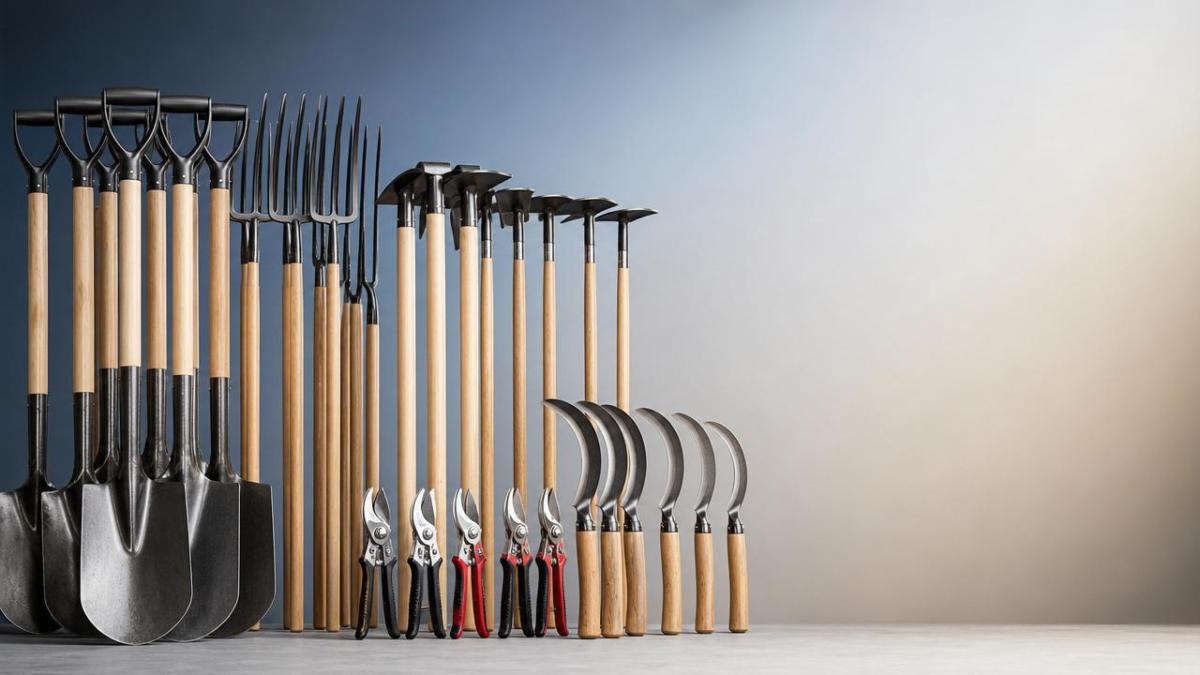
This is why more experienced importers are asking suppliers not only what they make, but how they make it, how they inspect it, and how they protect it in transit. In current agricultural hand tools wholesale practice, supplier transparency is becoming a stronger trust signal than broad catalog size.
What distributors should now examine before scaling orders
The market is rewarding buyers who strengthen their pre-order evaluation process. Instead of relying on appearance and quote sheets alone, distributors should focus on several checkpoints that directly influence complaint frequency.
1. Material and structural consistency
Ask whether blades, heads, and striking parts use stable-grade steel, and whether hardness ranges are controlled from batch to batch. For handled tools, evaluate the joint between metal and handle, not only the handle itself. Structural weakness often starts where the parts meet.
2. Factory process discipline
A factory with disciplined heat treatment, handle fitting, welding, and final inspection procedures is more likely to deliver lower complaint rates. In agricultural hand tools wholesale, process repeatability matters more than a one-time attractive sample.
3. Batch traceability
When complaints occur, suppliers that can trace production dates, material lots, and inspection records resolve issues faster. This reduces channel friction and improves confidence in future orders.
4. Packaging and transport resilience
Breakage is not always a field-use problem. Tools can be bent, loosened, or cracked during transport. Packaging design should reflect route conditions, stacking pressure, moisture exposure, and multi-stage handling.
5. Complaint handling behavior
A supplier’s response style is a strategic metric. Fast acknowledgement, evidence-based review, and practical compensation policies often indicate a mature export partner. In a crowded agricultural hand tools wholesale market, service credibility can be as important as product durability.
The impact is different across wholesalers, importers, agents, and local dealers
Although everyone in the channel feels quality pressure, the impact is not identical. Understanding who absorbs which risk can help shape better purchasing strategy and communication with upstream suppliers.
This layered impact explains why agricultural hand tools wholesale decisions are becoming more selective. The closer a business is to the end user, the more expensive product failure becomes.
A visible shift toward accountable suppliers and narrower product portfolios
Another important development is portfolio rationalization. Many distributors are reducing the number of tool variants they carry and concentrating on proven lines with lower return rates. This does not mean less choice for the market. It means more disciplined choice for the channel. Instead of stocking many similar SKUs with uncertain durability, buyers are favoring fewer products backed by stronger complaint history and dependable replenishment.
At the same time, accountable suppliers are gaining ground. These are manufacturers willing to discuss steel grade options, handle material differences, load-bearing performance, packing methods, and post-sale procedures. In agricultural hand tools wholesale, this kind of openness helps distributors reduce ambiguity before an order is placed. It also supports stronger positioning when reselling to dealers and institutional buyers.
How to interpret future signals in agricultural hand tools wholesale
Looking ahead, the direction of the market suggests that complaint prevention will become more embedded in sourcing routines. Buyers should watch for several signals. One is whether suppliers can support sample-to-batch consistency over time rather than only during onboarding. Another is whether factories invest in better fitting, forging, coating, and packaging methods instead of competing only on low quotations.
A third signal is whether the supplier understands application-specific demand. Agricultural hand tools used in wet soil, rocky terrain, forestry edges, or greenhouse operations may require different structural considerations. Distributors that align procurement with actual field conditions will likely see fewer breakage complaints and better reorder stability.
It is also worth watching how buyers formalize vendor evaluation. More procurement teams are creating simple but useful scorecards covering complaint frequency, packaging performance, replacement speed, batch variation, and communication reliability. In agricultural hand tools wholesale, these operating disciplines can separate reactive traders from long-term channel builders.
Practical actions to take now
For distributors, agents, and regional wholesalers, the most effective response is not to chase every low-cost opportunity. It is to improve quality judgment before volume commitment. Start with pilot orders, compare complaint rates by SKU, document failure patterns, and discuss root causes directly with the supplier. Ask for evidence of process control, not just certificates or catalog claims.
It is also wise to segment products by risk. High-frequency farm tools with heavy field use deserve stricter evaluation than low-intensity utility items. If certain products repeatedly trigger warranty issues, consider replacing them with slightly higher-cost versions that produce more stable channel performance. In agricultural hand tools wholesale, protecting reputation often creates stronger long-term margin than winning on the first quote.
Finally, improve the feedback loop between sales teams, warehouse staff, and end-market dealers. Many quality patterns become obvious only when field feedback is collected systematically. The faster a distributor turns complaint data into sourcing decisions, the more resilient the business becomes.
Final judgment: fewer complaints are becoming a growth strategy
The central market change is clear: agricultural hand tools wholesale is moving from price-first buying toward complaint-aware sourcing. Durability, consistency, and supplier accountability are no longer secondary considerations. They are becoming core drivers of channel trust, reorder reliability, and commercial resilience.
If your business wants to judge how this trend affects current procurement, focus on a few practical questions: Which SKUs generate the highest breakage complaints? Are those failures linked to materials, assembly, or transport? Can your current supplier explain process controls clearly? Are you measuring total complaint cost, or only purchase price? The businesses that answer these questions early will be in a stronger position to build a more trusted agricultural hand tools wholesale portfolio in the next buying cycle.
Related Intelligence
- Heavy Agri MachineryHow Agri & Forestry machinery manufacturers differ after deliveryAgri & Forestry machinery manufacturers differ most after delivery—compare parts support, technical service, training, and compliance to reduce downtime and total ownership cost.
- Heavy Agri MachineryWhich Agri & Forestry machinery specifications matter in real use?Agri & Forestry machinery specifications explained for real use: learn which ratings truly affect efficiency, safety, durability, and cost before you compare or buy.
- Heavy Agri MachineryRound baler machine pickup width vs field efficiencyRound baler machine pickup width affects field efficiency, fuel use, and bale quality. Learn how to match width to windrows, crop conditions, and tractor capacity.
The Morning Broadsheet
Daily chemical briefings, market shifts, and peer-reviewed summaries delivered to your terminal.
