
How Agricultural Tech Is Reshaping Crop Efficiency in 2025
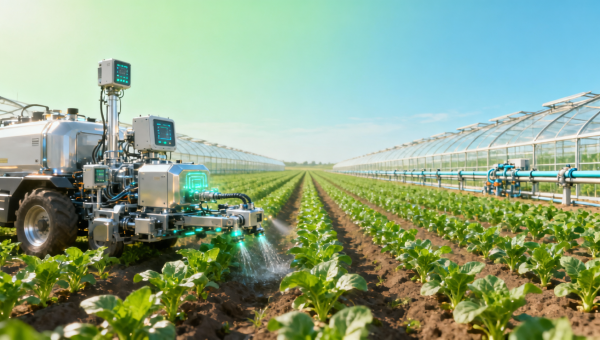
In 2025, agricultural tech is entering an era of sustainable precision, transforming how agronomists and industrial buyers approach crop efficiency. Through advances in biochemical engineering, aqua tech, and agri machinery, modern agrochemicals and feed formulation strategies are redefining productivity and environmental compliance. From aquaculture systems to large-scale industrial agriculture, innovation is driving smarter, data-oriented ecosystems that align with global quality and safety standards—establishing a vital nexus for decision-makers across the agricultural and biochemical sectors.
Market Overview: Data-Driven Efficiency in Global Agriculture 2025
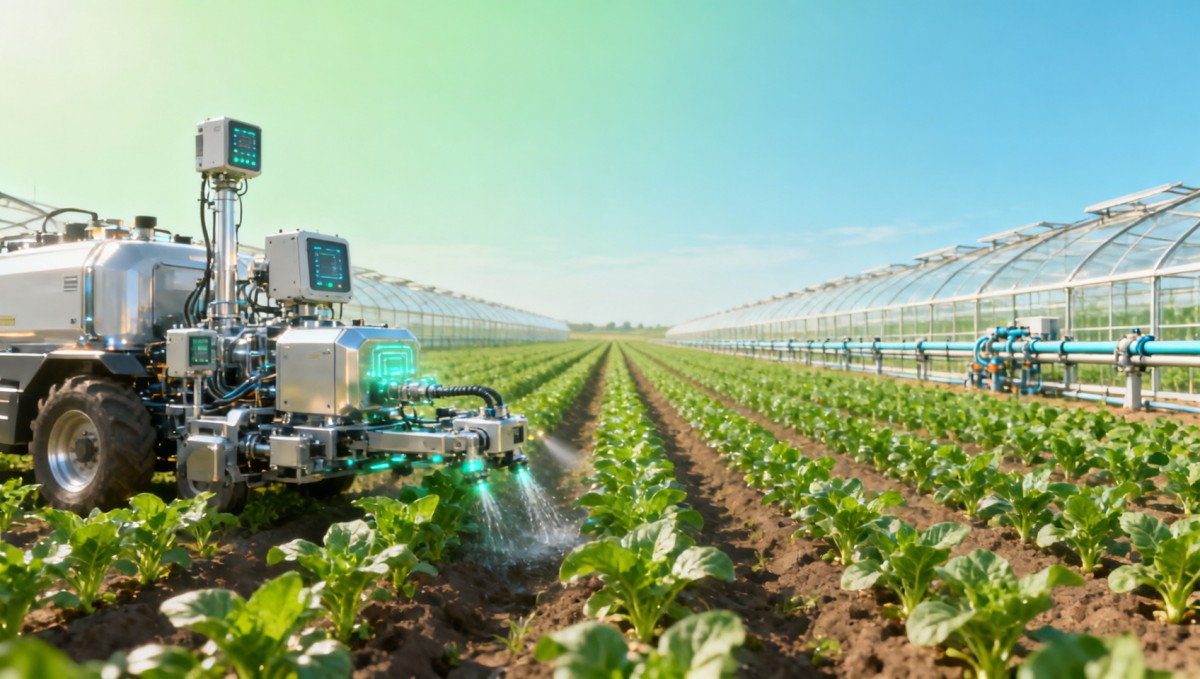
By mid-2025, the agricultural technology sector has expanded at an annual compound rate of around 7–9%, reflecting rapid adoption of sensor networks, predictive analytics, and energy-efficient equipment in core production lines. These tools enable precision farming models that optimize input levels within a 3–5% variance threshold—minimizing resource waste and improving yield predictability across climatic zones from 10°C to 35°C operating ranges.
The integration of chemical modeling and crop physiology analytics has shortened R&D cycles for hybrid seeds, sustainable bio-fertilizers, and water-control devices to approximately 6–8 months, compared with the traditional 12–18 months. This acceleration meets the procurement requirements of enterprise buyers demanding earlier return on technological investments, particularly in regulated markets like the EU and North America.
Industrial buyers and project managers now demand complete traceability across 4–6 supply chain nodes, covering raw input sourcing, biochemical formulation, and emissions data. Compliance with GMP and EPA frameworks ensures that production within agricultural and feed-grade chemical plants maintains measurable control over safety parameters such as pH stability (±0.3 range) and residue detection limits (<0.1ppm).
For decision-makers, market intelligence published by platforms like AgriChem Chronicle (ACC) provides granular visibility into global agricultural supply chains, helping procurement and compliance teams align their internal KPIs—such as cost-per-hectare and energy-per-output unit—within international regulatory expectations.
Application Scenarios: How Technology Upgrades Redefine Crop Efficiency
In practical terms, agricultural innovations in 2025 affect four main domains: precision spraying, soil nutrient monitoring, feedstock formulation, and aquaculture biomass tracking. Each domain relies on high-frequency sensor feedback, often transmitting readings every 10–15 minutes to centralized cloud dashboards integrated with predictive AI tools.
For operators, an essential advantage lies in process repeatability. When nutrient delivery systems operate with moisture sensors maintaining tolerance bands within ±2%, fertilizer application efficiency increases by roughly 15–18%. Similarly, energy-efficient aquatic controllers in modern aquaculture reduce water exchange rates by 25–30%, maintaining dissolved oxygen within 6–9 mg/L limits—supporting stable biomass yield projections.
Enterprise agronomists use data loggers calibrated under IEC and ISO environmental testing protocols to balance energy usage between crops planted under 1,000–2,000 lux light exposures and hybrid greenhouse environments operating on renewable power grids. These optimizations offer measurable payback periods averaging 2–3 years, supporting CFO-level decision metrics in capital deployment plans.
In B2B procurement applications, tech-enabled platforms connect buyers with certified suppliers who run production units compliant with both GMP+ and FDA food-grade requirements—making cross-border transactions traceable within 2–4 verification steps. Transparent documentation accelerates transaction close rates by as much as 20% in strategic sourcing cycles.
Typical Application Benefits Across Sectors
These efficiency metrics provide quantifiable support for both strategic planners and on-site operators making quarterly budget decisions or reviewing project KPIs in the 5–10% performance improvement range demanded by financial controllers.
Procurement and Compliance: Selection Criteria in 2025
Procurement managers and compliance officers face increasingly stringent audit matrices that converge agricultural output quality with fine chemical traceability. Vendor evaluation often covers at least 6 parameters: product efficacy, equipment lifecycle, certification status, data interoperability, spare part continuity (3–5 years typical guarantee), and sustainability footprint (CO₂ equivalent per kg output).
Organizations pursuing API-compatible processing systems or bio-extract facilities must reference dual compliance obligations under both ISO 22000 and GMP+. Typical equipment lead times average 10–14 weeks for standard configurations, extending to 16 weeks for custom stainless-steel reactor systems calibrated per EPA discharge norms.
To optimize procurement evaluation, industrial buyers increasingly apply scoring frameworks that weight supplier transparency (25%), operational reliability (30%), environmental conformity (20%), digital data compatibility (15%), and after-sales technical support (10%).
Below is a simplified decision matrix to help technical evaluators align sourcing priorities with operational and regulatory goals:
Applying such a matrix shortens tender evaluation cycles from the traditional 6–8 weeks to approximately 3–5 weeks, improving capital efficiency for projects requiring rapid deployment of upgraded agri machinery or precision chemical dispensers.
Trends and Insights: Predictive Agriculture and AI Integration
AI-centered analytics and drone-based imagery will dominate predictive agriculture by late 2025. Systems operating at 5–10 cm pixel resolution can measure canopy density to forecast yields with ±4% accuracy, while autonomous tractors now provide fuel-to-output optimization ratios that lower diesel or biofuel consumption by nearly 12% per operating cycle.
For biochemical manufacturers, machine learning models forecast seasonal demand spikes in compounds like amino chelates or nutrient binders over 8–10 week horizons, enabling smoother raw material procurement and pricing stability across volatile commodity markets.
Regional data integration between agri-machinery fleets and biochemical inputs promises a unified management interface that links equipment telemetry, soil data, and yield outcomes. This 3-tier model—monitor, analyze, actuate—provides farm operators and corporate food chain managers real-time control, powered by 5G rural networks and blockchain-based documentation layers.
Over the next 24–36 months, investment emphasis will shift toward hybrid ecosystems combining renewable energy-based pumping and AI-controlled irrigation, ensuring compliance with carbon-intensity benchmarks that fall between 0.3–0.6 kgCO₂e/kg harvested crop.
FAQ: Common Questions in Agricultural Technology Procurement
How can operators measure ROI from new agricultural tech investments?
ROI usually depends on yield gains (often 12–18%), input savings (8–10%), and equipment uptime rates maintained above 95%. Payback cycles typically fall within 24–30 months for mid-scale farms using precision irrigation and data-layer integration platforms.
What compliance documents are required for international sales?
For machinery or agrochemical export, buyers should expect CE Marking, ISO 9001 production records, and EPA or REACH filings depending on target geography. Verification takes about 10–15 working days in standard audit conditions.
How can finance departments evaluate long-term maintenance costs?
Most equipment suppliers provide total cost-of-ownership (TCO) models calculated over 5–7 years. CFOs often factor annual maintenance at 2–4% of capital value, with spare part support guaranteed for 3 years post-installation under typical OEM policy.
Why Partner with AgriChem Chronicle
AgriChem Chronicle serves as the elite intelligence platform connecting agricultural technology, biochemical manufacturing, and primary industry innovation. By partnering with ACC, manufacturers and procurement organizations access validated editorial content reviewed by biochemical engineers, agronomic scientists, and trade compliance professionals.
Our collaboration channels help enterprise teams confirm specifications, align product certification requirements (GMP, FDA, EPA), and validate performance data across essential inputs before final procurement. Businesses can request consultation on parameter optimization, customized research publication, or supplier due-diligence mapping within 7–10 working days.
For project managers seeking reliable intelligence on API-grade processing or sustainable feed development technology, AgriChem Chronicle provides structured data, technical whitepapers, and access to peer-reviewed insights that support both project safety approvals and investor audits.
To discuss certification validation, data-driven sourcing, or editorial collaboration opportunities, contact AgriChem Chronicle’s industry liaison team for a tailored consultation and assessment of your 2025 agricultural technology strategy roadmap.
Related Intelligence
- Smart GreenhouseMicrowave drying machine commercial units heat unevenly with dense meat blocks — here’s how to spot itSpot uneven heating in microwave drying machine commercial units—critical for meat smoking oven commercial, vacuum tumbler for meat & more. Diagnose fast, avoid FDA risk.
- Smart GreenhouseAquaculture installations with modular wiring show 37% faster commissioning—but at what integration cost?Aquaculture installations with modular wiring accelerate commissioning by 37%—but ensure biopharmaceutical equipment compatibility, biochemical standards compliance, and seamless integration across aquaculture modules, structures, materials, and machinery.
- Smart GreenhouseSmart Greenhouse Adoption in Forestry Nurseries: What’s Driving the Shift Beyond Traditional Propagation?Agri & Forestry nurseries adopt smart greenhouses for precision propagation—driven by climate resilience, labor gaps, and Aquaculture & Fishery-grade tech. Discover why institutional buyers now demand it.
The Morning Broadsheet
Daily chemical briefings, market shifts, and peer-reviewed summaries delivered to your terminal.
