
The Authority in Global Agricultural Chemistry & Bio-Resources
Anti bird netting wholesale failures often start at knot strength
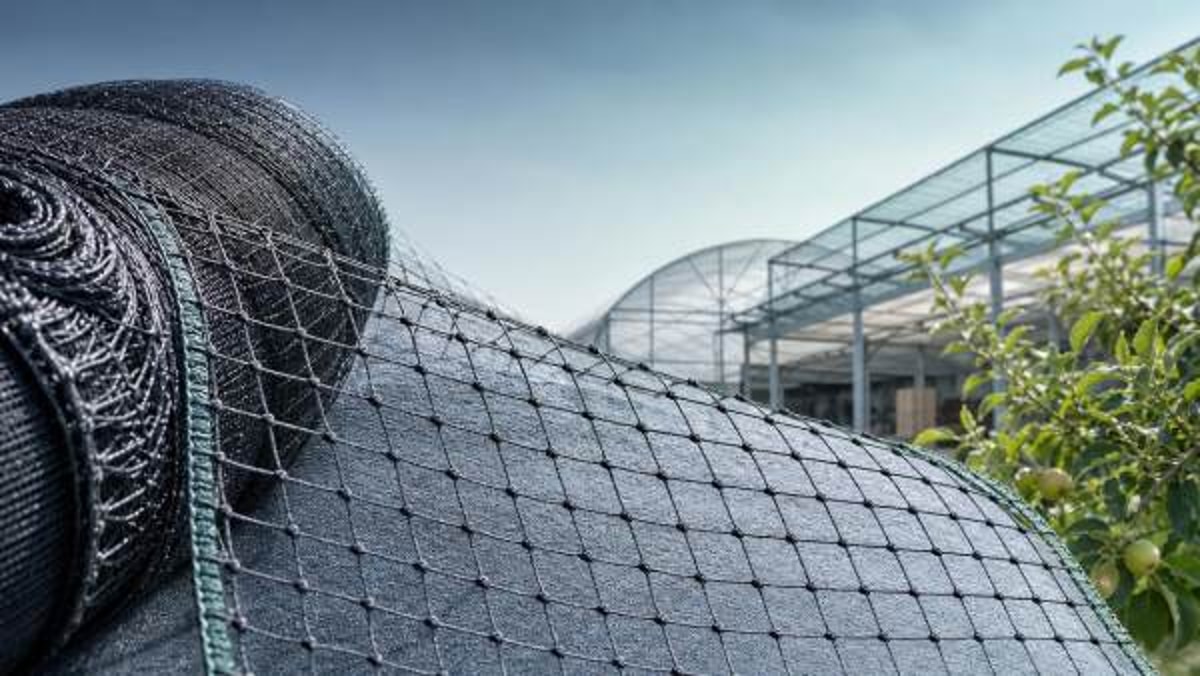
In anti bird netting wholesale, failures often begin long before installation—at the knot. For quality control and safety managers, weak knot strength can trigger premature tearing, bird intrusion, compliance risks, and costly replacements. Understanding how knot integrity affects field performance is essential for evaluating suppliers, setting inspection standards, and protecting long-term operational reliability.
In large farms, hatcheries, orchards, warehouses, and feed processing sites, anti-bird barriers are often treated as a low-complexity purchase. In practice, the knot is a high-risk control point. A net may look uniform in roll form, pass a casual visual check, and still fail within 3–12 months if knot retention, yarn consistency, or UV stability are poorly controlled.
For buyers handling anti bird netting wholesale, knot strength is not just a materials issue. It affects worker safety during installation, contamination control in food and grain environments, animal health protection in aquaculture and poultry operations, and replacement budgets across multi-site deployments. That makes it a procurement and compliance issue as much as a product issue.
Why Knot Strength Is the First Quality Indicator in Anti Bird Netting Wholesale
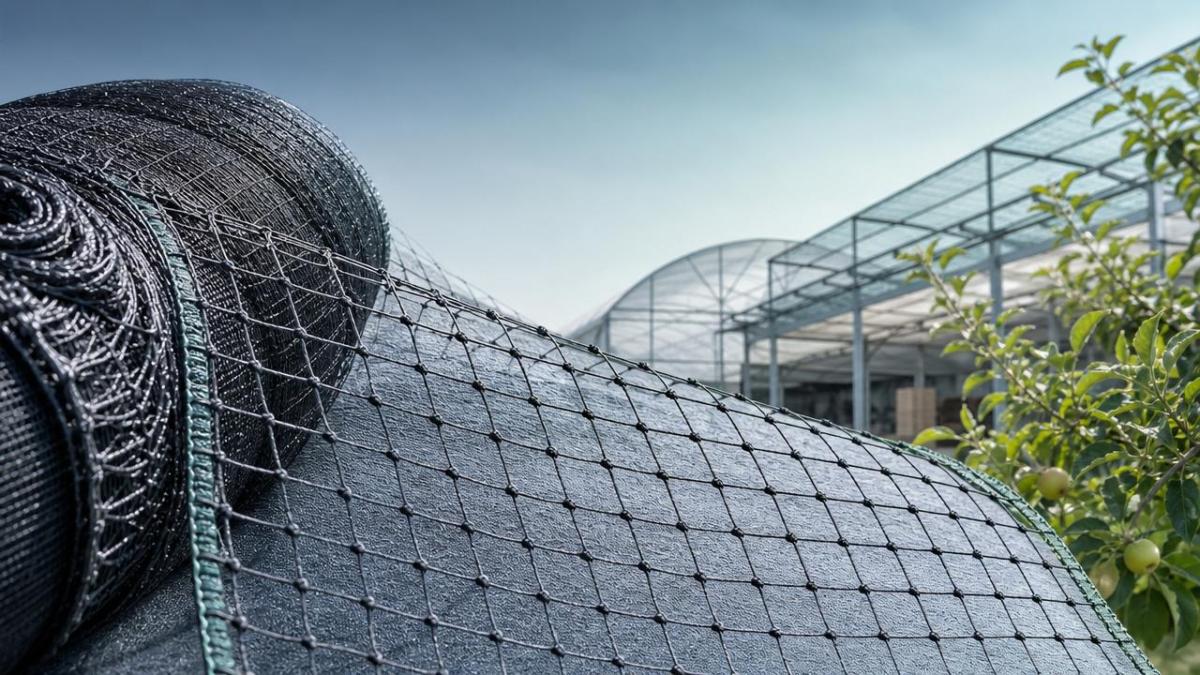
In anti bird netting wholesale, the knot acts as the transfer point for localized stress. Wind loading, bird impact, edge tension, and repeated movement during installation all concentrate force where strands intersect. If the knot slips, cuts into the filament, or weakens after heat exposure, the mesh opening enlarges and the net loses function even when the yarn itself appears intact.
This is why quality teams should never assess a net only by mesh size, GSM, or color. A 20 mm mesh with stable knot geometry can outperform a heavier-looking alternative if the latter has uneven knot compression or inconsistent filament twist. In many field complaints, the visible tear line starts 1–3 nodes away from the first failed knot.
How failure develops in the field
Knot-related failure usually follows a predictable sequence. First, installation tension exposes weak nodes. Second, UV and moisture cycling reduce polymer flexibility. Third, abrasion at supports or clips creates point loading. By the fourth stage, one broken knot can redistribute stress to adjacent cells, producing a zipper-type tear across 0.5–2 meters of netting.
Common operational consequences
- Bird ingress into grain storage, feed lines, greenhouse zones, or aquaculture ponds
- Higher replacement frequency, often shortening expected service life from 5–7 years to 1–3 years
- Increased safety risk during urgent repairs at height or in live production areas
- Escalated maintenance labor due to repeated patching and edge reinforcement
For safety managers, the cost of knot failure is rarely limited to the net itself. A single breach above a processing area may create sanitation exposure, require temporary shutdown, or trigger additional pest-control actions. In wholesale purchasing, a lower unit price can be erased quickly if the installed failure rate exceeds even 4%–6% across a large batch.
The table below shows how knot condition influences broader performance criteria that matter in commercial procurement.
The key point is that knot strength should be evaluated as a system characteristic, not as an isolated lab value. A sound wholesale decision considers knot retention, strand quality, and edge behavior together. When one of these elements is weak, the installed performance gap becomes visible faster than many buyers expect.
What Quality Control and Safety Managers Should Inspect Before Approval
A reliable anti bird netting wholesale program needs a repeatable incoming inspection standard. For most industrial buyers, that means checking at least 6 items per lot: mesh consistency, knot integrity, yarn diameter range, roll length tolerance, visible defect frequency, and packaging condition. If the site has high UV exposure or bird pressure, add environmental durability review as a seventh checkpoint.
Recommended pre-shipment and incoming checks
Inspection should begin before the container arrives. Ask suppliers for production batch identification, resin type declaration, and sample retention policy. On receipt, pull samples from at least 3 positions per roll set: outer wrap, mid-roll, and inner section. This helps detect compression damage, variable weaving tension, or inconsistencies hidden by surface appearance.
- Measure mesh opening across 10 consecutive cells in 3 separate areas.
- Inspect 20–30 knots for slippage, flattening, broken filaments, or asymmetry.
- Check edge sections for reinforcement continuity and cut quality.
- Confirm roll length and width against purchase tolerance, commonly within ±2%.
- Review packaging for moisture intrusion, crushing, or mixed-lot labeling.
Practical warning signs
QC teams should flag nets that feel stiff at the knot but soft along the strand, because that can indicate over-tight manufacturing or thermal stress. Another red flag is inconsistent knot spacing between adjacent rows. Even a 2–4 mm deviation repeated across the panel can distort installation alignment and raise local load at anchor points.
For safety managers, damaged packaging is more than a logistics issue. Rolls dropped, compressed, or dragged can hide crushed nodes and abrasions that become failure points later. If installation crews work at height, a compromised roll also increases handling risk because the material may snag or tear unexpectedly during lifting.
The following matrix can help standardize lot acceptance decisions in anti bird netting wholesale procurement.
A structured acceptance matrix reduces subjective approvals. It also creates a documented trail for supplier feedback, warranty discussions, and internal audit review. In regulated or semi-regulated environments such as feed, fishery, and primary processing facilities, documented inspection discipline is often as important as the physical product itself.
Supplier Selection Criteria That Go Beyond Price Per Roll
When sourcing anti bird netting wholesale, price-per-roll comparisons are useful but incomplete. Quality control and safety teams should score suppliers across at least 4 dimensions: manufacturing consistency, traceability, technical responsiveness, and packaging discipline. A low-cost quotation may still represent the highest total cost if replacement labor, downtime, and reinstallation hardware are added.
Questions worth asking before contract award
Ask whether the supplier can define the production method clearly, including whether the net is knitted or knotted, what polymer family is used, and how batches are identified. Request confirmation on recommended installation tension, supported application zones, and storage limits. A capable supplier should answer these within 24–72 hours, not with generic sales language but with usable technical guidance.
- Can the supplier provide retained production samples by batch or lot?
- Do they define expected service conditions such as sun exposure, wind load, and bird pressure?
- Is there a documented complaint-handling process with response times?
- Are roll labels clear enough for warehouse segregation and field traceability?
Wholesale red flags
Buyers should be cautious if a seller cannot explain knot-related failure modes, refuses sample testing, or offers identical specifications for orchard, poultry, warehouse, and aquaculture use without distinguishing environmental demands. Different applications impose different stress patterns. A one-size-fits-all claim often signals weak technical control rather than versatility.
Lead time realism matters too. For standard netting, common wholesale fulfillment may range from 2–6 weeks depending on volume and finishing. If a vendor promises unusually short delivery for highly specific mesh and edge reinforcement combinations, confirm whether the goods are truly matched to your specification or simply close substitutes from mixed inventory.
Application-Specific Risks in Agriculture, Aquaculture, and Processing Sites
The same netting specification does not perform equally across all primary industry settings. In orchards, long-span exposure increases wind fatigue. In aquaculture, salt moisture and constant movement can accelerate wear at support contacts. In feed and grain processing, hygiene and contamination control may turn a small tear into a broader audit concern.
Site conditions that accelerate knot failure
Quality and safety managers should map at least 5 local conditions before approval: UV intensity, wind frequency, bird species pressure, support spacing, and maintenance access. If support intervals are too wide, knot loads rise sharply during gusts. If the installation area includes sharp galvanized edges, abrasion can start at the node long before the mesh body shows visible wear.
In many facilities, preventive inspection every 3–6 months is sufficient for stable installations. High-exposure zones may need monthly visual checks during storm seasons or peak migration periods. Early repair of a 30 cm damaged area is far cheaper than full-panel replacement after the tear propagates over several square meters.
Typical fit-for-use considerations
- Orchards and vineyards: prioritize UV resistance, edge reinforcement, and wind-tension compatibility
- Aquaculture ponds and fishery structures: review moisture exposure, support abrasion points, and service access
- Feed mills and grain stores: focus on contamination prevention, maintenance response time, and patchability
- Poultry and livestock areas: check animal contact points, washdown exposure, and biosecurity implications
Building a Better Anti Bird Netting Wholesale Specification
Many purchasing problems start with vague specifications. If the purchase order only lists mesh size and color, suppliers may fill the order with materially different products. A stronger anti bird netting wholesale specification should include 6 practical elements: application area, target mesh opening, yarn or strand description, knot or knit construction, edge requirement, and inspection criteria at receipt.
Specification language that supports quality outcomes
Procurement documents should define intended service conditions in plain technical terms. For example, indicate whether the net is for overhead exclusion, sidewall screening, or full canopy coverage. State whether the area is exposed to heavy sun, high humidity, seasonal storms, or contact with support wires. These details guide the supplier toward a technically suitable offer instead of a generic one.
It is also useful to define how defects will be judged. Rather than saying “good quality,” specify no repeated knot slippage in the agreed sample size, no edge fraying beyond the acceptance limit, and clear lot labeling on every roll. This turns quality from a vague expectation into an auditable supply requirement.
A practical 5-step control workflow
- Define the site environment and operating risk level.
- Prequalify suppliers using technical questionnaires and sample review.
- Set receiving inspection criteria before placing the order.
- Record batch details during installation for future traceability.
- Monitor service performance and feed failure data back into the next purchase cycle.
For organizations buying across multiple sites, this workflow helps convert one-time purchasing into a controlled category strategy. It also gives safety and QC personnel a stronger voice in vendor selection by tying field performance directly to measurable incoming standards.
Conclusion: Better Knots Mean Lower Risk, Longer Service Life, and Smarter Procurement
In anti bird netting wholesale, knot strength is one of the earliest and clearest indicators of whether a product will perform reliably in the field. For quality control and safety managers, the right approach is to move beyond surface appearance and price alone. Inspection discipline, supplier traceability, application-specific review, and stronger specifications can reduce avoidable failures and improve long-term value.
For buyers serving agriculture, aquaculture, feed, and primary processing operations, a well-qualified netting program protects both physical assets and operating continuity. If you are reviewing suppliers, tightening acceptance criteria, or planning a new procurement cycle, now is the right time to align technical requirements with real service conditions.
Contact us to discuss your anti bird netting wholesale requirements, request a tailored evaluation checklist, or explore specification guidance suited to your site, risk profile, and procurement goals.
Related Intelligence
- Smart GreenhouseAnti bird netting wholesale failures often start at knot strengthAnti bird netting wholesale decisions often fail at knot strength. Learn how to inspect quality, reduce replacement risk, and choose suppliers that deliver safer, longer-lasting netting.
- Smart GreenhouseAgricultural shade net bulk: when shade percentage misleads buyersAgricultural shade net bulk buying is not just about shade percentage. Learn how to compare UV stability, airflow, yarn quality, and durability before you source.
- Smart GreenhouseIs insect mesh for agriculture reducing airflow too much?Insect mesh for agriculture does not always reduce airflow too much. Learn how mesh size, vent design, and climate affect ventilation, pest control, and crop performance.
The Morning Broadsheet
Daily chemical briefings, market shifts, and peer-reviewed summaries delivered to your terminal.
