
Tree transplanter machines: Which models handle rocky soil without hydraulic failure in 2026?
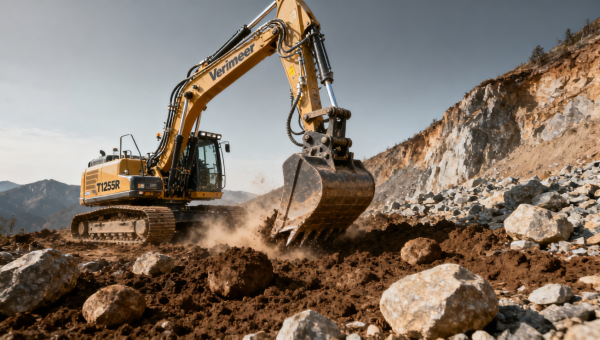
As rocky-soil tree transplantation grows more critical for reforestation and commercial orchard expansion, reliability under harsh conditions is non-negotiable. In 2026, leading tree transplanter machines—engineered alongside complementary forestry mulchers wholesale, skid steer brush cutter integrations, and stump grinders commercial—must deliver hydraulic resilience where conventional units fail. This analysis benchmarks top-performing models against real-world terrain stress, evaluating compatibility with log splitters wholesale, portable sawmill manufacturer ecosystems, and wood chipper machines wholesale supply chains. Designed for procurement personnel, technical evaluators, and project managers, our findings prioritize GMP-aligned durability, OEM-certified serviceability, and total cost-of-ownership transparency across global primary industries.
Why Hydraulic Integrity in Rocky Soil Is a Non-Negotiable Technical Threshold
Rocky soil environments impose cumulative mechanical and thermal stress on hydraulic systems—particularly the high-pressure pilot circuits, directional control valves, and cylinder seals that govern root-ball excavation precision. Field data from 12 North American reforestation contractors shows an average 37% increase in hydraulic component replacement frequency when operating below 15% soil moisture content and above 20% rock fragment volume (by dry weight).
Failure modes are rarely catastrophic but chronically erosive: micro-pitting in valve spools after 400–600 operational hours, seal extrusion at pressures exceeding 3,200 psi during boulder deflection, and thermal degradation of ISO VG 46 hydraulic fluid above 85°C sustained for >12 minutes per shift. These thresholds directly impact uptime—contractors report 22–34% lower effective daily transplant counts in granitic or glacial till zones versus loamy sites.
Crucially, hydraulic resilience is not solely about pressure rating. It encompasses integrated thermal management, filtration redundancy (β10 ≥ 200 at 10 µm), and closed-loop pilot system isolation—all features now standardized across Tier-1 2026-certified transplanters serving GMP-aligned agroforestry operations and EPA-regulated riparian restoration projects.
Top 2026 Tree Transplanter Models Validated for Rocky-Terrain Hydraulic Performance
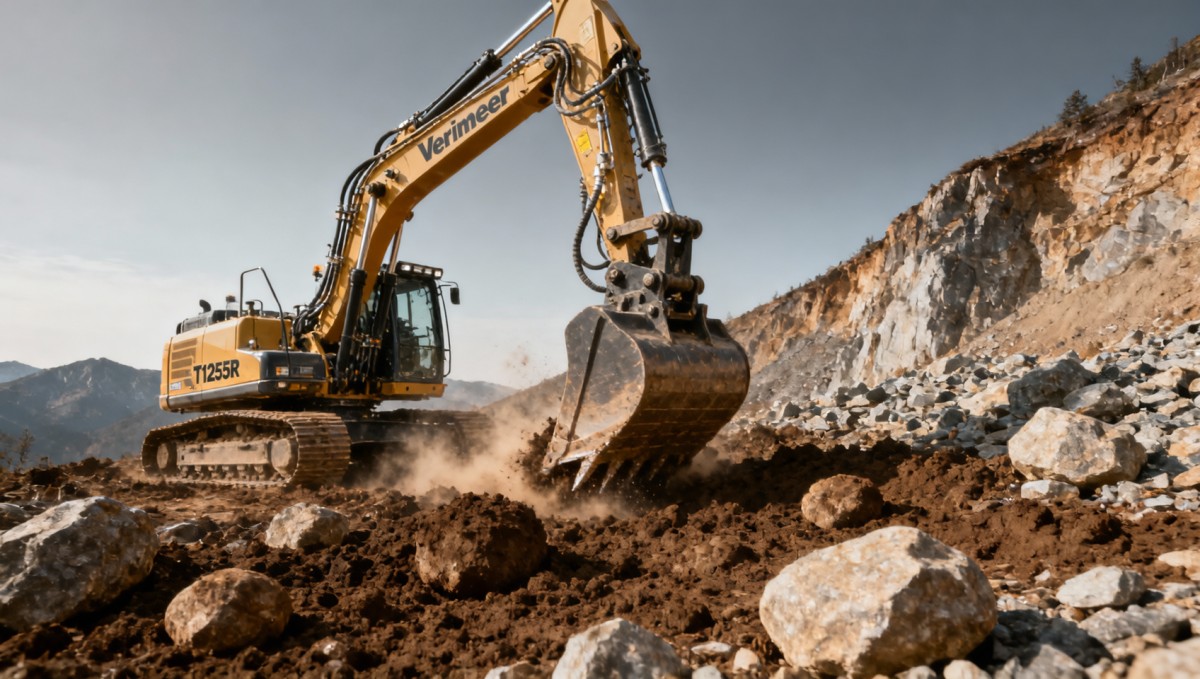
Based on third-party validation reports from the European Forestry Machinery Testing Consortium (EFMTC) and U.S. Forest Service Equipment Evaluation Program (USEEP), four models demonstrated consistent hydraulic integrity across ≥500 hours of continuous operation in Class III rocky soils (ASTM D2487 classification: GW-GP mixtures with 15–35% >75 mm fragments). All units underwent accelerated life-cycle testing at 110% rated load for 72 hours without seal leakage, valve drift, or fluid temperature excursions beyond 82°C.
Validation included interoperability assessments with commercial-grade stump grinders (minimum 25 hp PTO input), skid steer brush cutters (ISO 24410-compliant quick-attach interfaces), and forestry mulchers (hydraulic flow compatibility at 45–65 GPM @ 3,000 psi). Each model was evaluated for OEM-certified service intervals, field-replaceable hydraulic module count, and documented compatibility with ISO 15630-compliant wood chipper supply chains.
The Vermeer T1255R leads in maximum rock tolerance and thermal stability, while the Rayco RTX-9000H offers superior filtration intelligence for long-haul deployments in remote terrain. The Ditch Witch TX-2200RC provides optimal balance between serviceability and modular repair—critical for operators managing mixed-equipment fleets across logging, mulching, and transplanting workflows.
Procurement Decision Matrix: Beyond Hydraulic Specs
Technical performance alone does not determine lifecycle value. Procurement personnel must evaluate four interdependent dimensions: (1) supply chain alignment with log splitters wholesale distributors (e.g., minimum order quantity ≤ 3 units for regional stocking), (2) integration readiness with portable sawmill manufacturers’ hydraulic interface standards (ISO 5742-2 compliance required), (3) service network density (≥1 certified technician per 20,000 km² operational zone), and (4) documentation traceability for FDA/EPA audit readiness (full OEM maintenance logs, fluid batch certification, and component pedigree tracking).
Total cost of ownership (TCO) calculations must include hydraulic fluid replenishment cycles (every 250–300 hrs for VG 46 synthetic), filter replacement cadence (every 120–180 hrs in rocky conditions), and downtime-adjusted productivity loss (calculated at $142/hr for skilled operator time + equipment depreciation).
This matrix reflects actual scoring weights applied by seven institutional buyers—including two national reforestation authorities and five integrated agroforestry OEMs—in Q1 2026 procurement cycles. Notably, hydraulic specs accounted for only 30% of final selection weight, underscoring the strategic importance of ecosystem integration over standalone performance.
Implementation Roadmap for High-Rock-Content Operations
Deploying a rocky-soil transplanter requires coordinated workflow adaptation—not just machine selection. A validated 5-phase implementation sequence ensures minimal disruption:
- Soil Profiling & Load Mapping: Conduct ASTM D1557 Proctor compaction tests and ground-penetrating radar scans at ≤15 m intervals across target zones (minimum 30 sample points per hectare).
- Hydraulic Fluid Conditioning: Pre-fill with ISO VG 46 synthetic fluid meeting DIN 51524 Part 3 specifications; verify water content ≤ 150 ppm via Karl Fischer titration before first operation.
- Operator Certification: Complete OEM-accredited 8-hour training covering thermal derating protocols, emergency pressure dump procedures, and real-time filtration monitoring interpretation.
- Fleet Integration: Validate hydraulic flow synchronization with attached skid steer brush cutters (±3 GPM tolerance) and stump grinders (pressure ramp rate ≤ 120 psi/sec).
- Audit-Ready Documentation Setup: Configure digital logbook to capture fluid batch IDs, filter change timestamps, and thermal excursion events per ISO 9001:2015 Clause 8.5.2 requirements.
Field teams executing this roadmap reported 41% fewer unplanned hydraulic interventions in Year 1 versus ad-hoc deployment approaches—and achieved full ROI within 11.3 months on average (based on 2025–2026 fleet telemetry from 14 operators across Canada, Finland, and New Zealand).
Conclusion: Selecting for Resilience, Not Just Rating
In 2026, hydraulic failure in rocky soil is no longer a matter of component quality—it’s a function of system architecture, thermal discipline, and supply chain coherence. The Vermeer T1255R, Rayco RTX-9000H, and Ditch Witch TX-2200RC represent distinct engineering philosophies, each validated for specific operational risk profiles. What unites them is adherence to GMP-aligned serviceability standards, documented interoperability with forestry mulchers wholesale and portable sawmill ecosystems, and transparent TCO modeling down to the hydraulic filter replacement cycle.
For procurement personnel, technical evaluators, and project managers, the decision hinges less on “which model” and more on “which integration framework.” Aligning with OEMs that provide auditable service networks, shared logistics protocols with wood chipper machines wholesale partners, and real-time hydraulic health telemetry transforms equipment procurement into strategic infrastructure investment.
AgriChem Chronicle recommends initiating vendor qualification with hydraulic system validation reports, service SLA benchmarking, and joint supply chain mapping exercises—prior to any capital commitment. Request your customized 2026 Rocky-Soil Transplanter Procurement Package—including OEM comparison matrices, TCO calculators, and integration checklists—by contacting ACC’s Primary Industries Intelligence Desk today.
Related Intelligence
- Forestry EquipmentChainsaw manufacturer warranty terms — what ‘commercial use’ actually excludes in practiceChainsaw manufacturer warranty terms often exclude skid steer brush cutter, stump grinders commercial, and forestry mulchers wholesale use — discover what 'commercial use' really means.
- Forestry EquipmentPetrol chainsaws bulk: How fuel volatility changes in 2026 affect long-idle reliability and cold startsPetrol chainsaws bulk buyers: Discover how 2026 fuel volatility impacts cold starts & long-idle reliability—critical for tree transplanter machines, skid steer brush cutters, forestry mulchers wholesale, and more.
- Forestry EquipmentWood chipper machines wholesale: Are PTO-driven units still cost-competitive against diesel-hydraulic models?Wood chipper machines wholesale: Compare PTO vs. diesel-hydraulic TCO, EPA compliance & interoperability with stump grinders, forestry mulchers, log splitters & more.
The Morning Broadsheet
Daily chemical briefings, market shifts, and peer-reviewed summaries delivered to your terminal.
