

The Authority in Global Agricultural Chemistry & Bio-Resources
Log splitters wholesale options that make maintenance easier
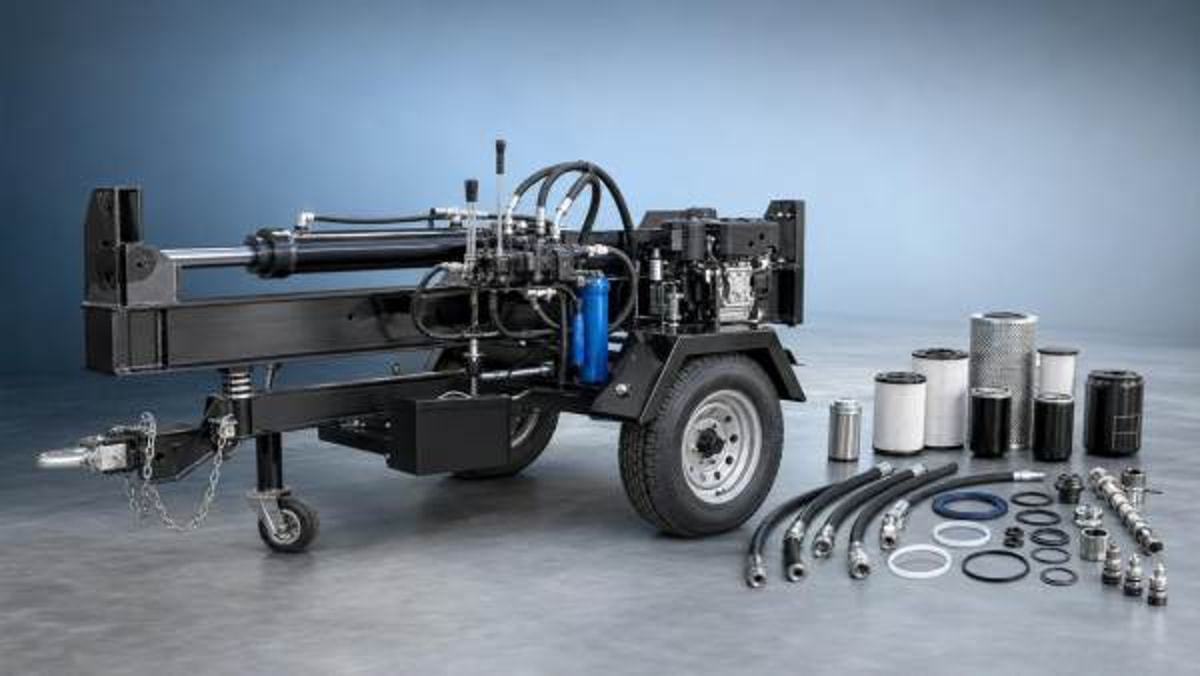
For after-sales maintenance teams, choosing log splitters wholesale is about more than price—it is about reducing downtime, simplifying repairs, and ensuring parts availability across demanding field conditions. This guide explores wholesale options that support easier servicing, longer equipment life, and more predictable maintenance planning, helping technical buyers and service professionals make practical, cost-conscious decisions.
Why do after-sales teams care so much about maintenance-friendly log splitters wholesale options?
For service departments, a wholesale purchase is never just a transaction for machines. It is also a long-term commitment to inspection routines, spare parts stocking, technician training, warranty handling, and field repair response. That is why log splitters wholesale decisions often have a direct effect on service costs long after delivery. A cheaper unit can become expensive if hydraulic seals fail early, fittings are proprietary, or access to pumps and valves requires excessive disassembly.
Maintenance teams usually evaluate equipment through a different lens than sales or finance teams. They ask whether hoses are standard sizes, whether filter replacement intervals are realistic, whether the beam design allows easier cleaning, and whether engines, motors, and hydraulic components are sourced from recognizable brands. In practical terms, the best log splitters wholesale programs are those that reduce troubleshooting time, make preventive maintenance repeatable, and keep service vans from carrying too many one-off parts.
This is especially important for agricultural, forestry, rental, and rural supply operations where machines often work in mud, dust, bark debris, and variable temperatures. In those environments, simple service architecture matters more than brochure claims. Easy grease access, protected hydraulic lines, clear fluid sight indicators, and a parts manual that matches actual machine builds can save many hours over the life of a fleet.
What kinds of wholesale log splitters are easiest to maintain in real field conditions?
Not all designs create the same service burden. In log splitters wholesale procurement, maintenance teams often prefer equipment built around widely available components and uncomplicated layouts. Horizontal splitters with open access to the cylinder, pump, filter, and control valve are generally faster to inspect than crowded compact frames. Vertical-capable units can be useful for operators handling heavy rounds, but the extra pivoting structure should be checked for wear points, lubrication requirements, and structural fastener access.
Engine-driven hydraulic splitters are common for outdoor use, especially where mobility matters. These are often easier to deploy in remote sites, but they add another layer of maintenance through air filters, spark plugs, fuel systems, recoil assemblies, and vibration-related fastener loosening. Electric models can reduce some service tasks and are cleaner in enclosed or semi-covered work areas, but maintenance teams should verify motor protection, switch durability, cable strain relief, and compatibility with local power supply conditions.
Towable commercial models may appear attractive in a log splitters wholesale package, yet serviceability depends on more than splitting force. Wheel bearings, lighting kits, axle mounts, hitch components, and road vibration all affect repair frequency. If a fleet must travel frequently between farms, yards, or processing areas, the maintenance profile of the trailer system becomes almost as important as the splitting mechanism itself.
Which technical features should maintenance teams check before approving log splitters wholesale orders?
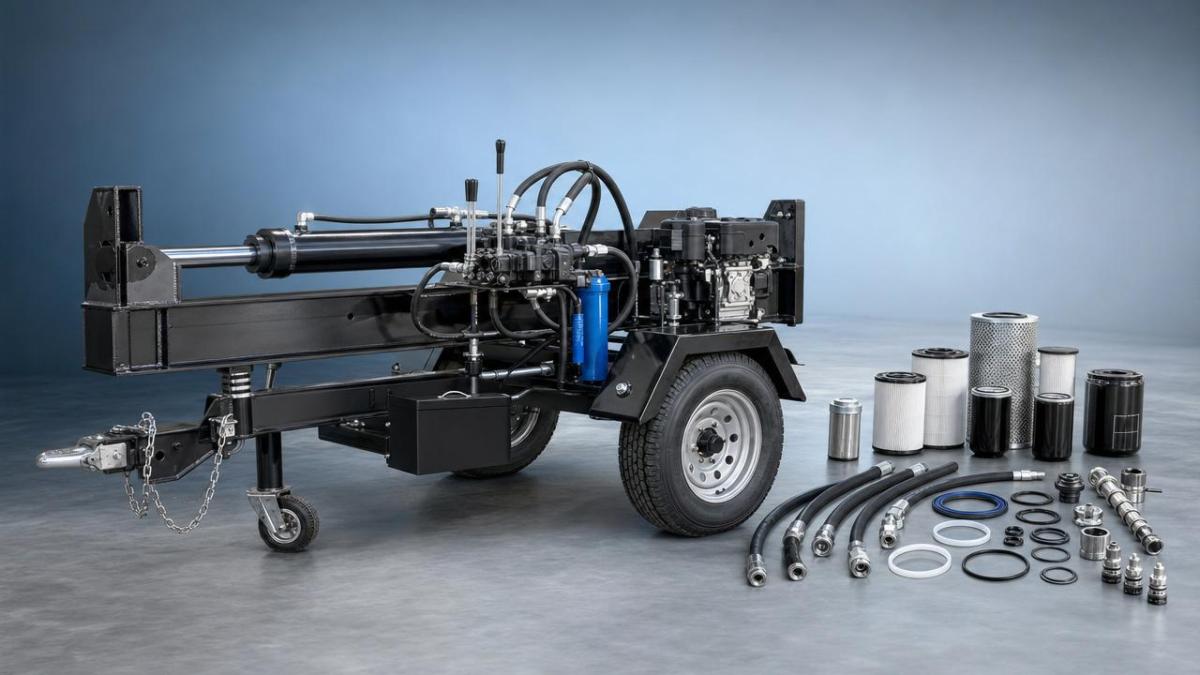
A maintenance-friendly machine should be judged by what technicians can reach, replace, clean, and verify with minimal downtime. In log splitters wholesale evaluations, the following areas usually deserve the closest review.
The hydraulic circuit deserves special attention because it usually determines service frequency. Ask whether the reservoir is easy to drain and clean, whether the suction line is adequately protected, and whether common contamination points are guarded from bark, sawdust, and moisture. If the supplier offers log splitters wholesale but cannot clearly explain filtration ratings, recommended fluid specifications, and replacement procedures, maintenance support may be weak after delivery.
Also review consumables. Filters, hoses, couplers, belts, tires, and seal kits should be easy to source across regions. For fleet operators, standardization across models can be even more valuable than having the most advanced feature set. When one seal kit fits multiple units, service stock becomes simpler, less costly, and less prone to errors.
How can buyers compare wholesale options without focusing only on upfront price?
The most useful comparison method is total service impact rather than acquisition price alone. In log splitters wholesale sourcing, a lower invoice may hide future labor costs, emergency freight expenses, and customer dissatisfaction. Maintenance teams should estimate expected downtime, parts availability, training needs, and repair complexity over at least one full operating cycle.
A practical comparison starts with three cost layers. First is the purchase cost of the unit and standard accessories. Second is the support cost, including manuals, warranty responsiveness, service training, and spare parts stocking. Third is the operational maintenance cost, which includes lubrication, fluid changes, wear repairs, transport-related damage, and common failure items. Some suppliers appear competitive until the buyer discovers that simple replacement parts must be imported with long lead times.
Buyers should also compare whether the supplier supports pre-delivery inspection records, serial-number-based parts lookup, and technical response times. Strong log splitters wholesale partners provide more than machines; they provide a predictable service ecosystem. That ecosystem matters when a field technician needs a hydraulic fitting reference immediately rather than after several days of email exchanges.
A simple comparison checklist for service-led procurement
When comparing suppliers, ask these questions in sequence: Are the most failure-prone components standard or proprietary? Can routine maintenance be performed with common tools? Are exploded parts lists clear and accurate? Is local or regional spares support available? How quickly are warranty claims processed? Can technicians receive training before fleet rollout? The answers often reveal more value than a discount on the initial order.
What are the most common maintenance mistakes when purchasing log splitters wholesale?
One major mistake is specifying capacity without considering service conditions. A high-tonnage splitter may look attractive, but if the machine is too heavy, too complex, or too difficult to clean and inspect, maintenance labor rises quickly. Another mistake is accepting a mixed fleet with inconsistent components. Different hose ends, filter types, valve assemblies, and wheel hardware create unnecessary stock complexity for after-sales teams.
A second common error is overlooking documentation. Many buyers assume that any industrial equipment will arrive with useful manuals, hydraulic diagrams, and parts catalogs. In reality, some low-cost log splitters wholesale programs provide minimal technical information. That becomes a serious problem when technicians need torque values, seal dimensions, or exact replacement part numbers.
A third mistake is underestimating environmental exposure. Machines used in forestry yards, farms, and roadside operations face contamination, vibration, and weather. If the hydraulic tank breathers are poorly protected, paint quality is weak, or hose routing rubs against frame edges, repair frequency will increase. Finally, some procurement teams fail to negotiate spare parts packages at the same time as the wholesale order. That often leads to preventable delays during the first service cycle.
What support terms should be confirmed with a log splitters wholesale supplier before purchase?
The supplier relationship matters as much as the machine design. Before finalizing log splitters wholesale purchases, after-sales teams should confirm whether replacement parts are stocked locally or internationally, what lead times apply to common wear items, and whether the supplier can provide digital parts books tied to serial numbers. These details reduce confusion when there are running design changes across production batches.
It is also wise to define warranty boundaries clearly. Ask which failures are covered, which consumables are excluded, and what evidence is required for claims. Clear photo protocols, service report templates, and authorization steps can dramatically reduce claim disputes. If the supplier offers online technical assistance, verify response windows and escalation procedures for urgent shutdown cases.
Training should not be treated as optional. Even robust machines can suffer early failures if operators misuse return stroke timing, overload the wedge, ignore hydraulic oil contamination, or tow the unit beyond recommended conditions. Good log splitters wholesale suppliers support both operators and service technicians with startup checklists, scheduled maintenance guidance, and troubleshooting references.
How can maintenance teams build a smarter spare-parts plan around log splitters wholesale fleets?
The best spare-parts strategy starts by separating critical downtime items from low-risk consumables. For log splitters wholesale fleets, critical items often include hydraulic hoses, seal kits, filters, valve repair kits, tires or wheel bearings for towable units, and engine service parts where applicable. Stocking these in advance reduces emergency purchases and shortens repair turnaround.
Maintenance teams should also categorize machines by common architecture. If several units share the same pump, cylinder dimensions, and valve family, parts stocking becomes much easier. This is why standardization should be part of wholesale negotiations. A slightly narrower product range can produce major savings in storage, technician familiarity, and diagnosis speed.
Recordkeeping is equally important. Serial-number tracking, failure history, fluid change dates, and component replacement intervals allow teams to identify recurring weak points. Over time, these records help buyers renegotiate future log splitters wholesale contracts using real maintenance evidence rather than assumptions. Suppliers that support digital service records and parts traceability tend to be better long-term partners for institutional buyers.
What should technical buyers ask first if they want a practical, low-downtime solution?
Start with operational reality rather than catalog claims. Ask how often the machines will be moved, what species and log sizes are typical, whether use is seasonal or continuous, and what service skill level exists in the field. Then ask the supplier to map those conditions to specific log splitters wholesale configurations with clear maintenance implications. A reliable supplier should be able to explain not only splitting force and cycle time, but also service intervals, common wear points, spares availability, and expected repair complexity.
For buyers in agriculture, forestry support, equipment distribution, or rural industrial operations, the strongest decision is usually the one that balances performance with maintainability. In many cases, simpler machines with standardized parts, strong documentation, and responsive support outperform feature-heavy alternatives in real lifecycle value.
If you need to confirm a specific solution, quotation direction, service package, or supplier fit, begin by discussing these points first: component standardization, spare-parts lead times, hydraulic service access, warranty workflow, technician training, and recommended startup inventory. Those questions will quickly show whether a log splitters wholesale offer is built for easy maintenance or just for a low initial price.
Related Intelligence
- Forestry EquipmentBIS Mandates Separate Certification for Drone & AI Modules in Forestry EquipmentBIS mandates separate certification for drone & AI modules in forestry equipment—key for Chinese exporters targeting India. Act now to avoid license invalidation by 30 Sep 2026.
- Forestry EquipmentPortable sawmill manufacturer claims that deserve a closer lookPortable sawmill manufacturer claims can sound impressive, but which ones hold up in real use? Discover a practical checklist to compare output, durability, service, and true lifecycle value.
- Forestry EquipmentCommercial stump grinders: what causes vibration to get worse fastStump grinders commercial crews use can develop severe vibration fast. Learn the top causes, warning signs, and maintenance checks to prevent downtime and costly failures.
The Morning Broadsheet
Daily chemical briefings, market shifts, and peer-reviewed summaries delivered to your terminal.
