

The Authority in Global Agricultural Chemistry & Bio-Resources
BIS Mandates Separate Certification for Drone & AI Modules in Forestry Equipment
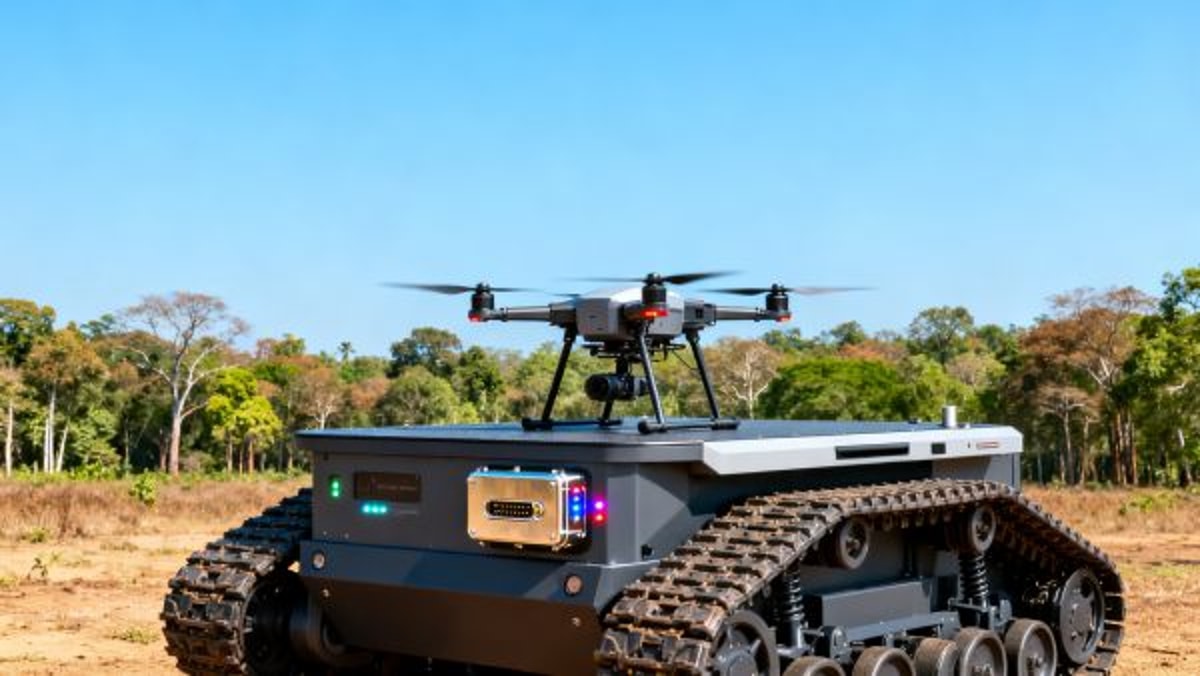
India’s Bureau of Indian Standards (BIS) has expanded its mandatory certification requirements to include drone-based forest monitoring systems, AI identification algorithms, and telemetry firmware embedded in forestry equipment — effective from 30 September 2026. This update directly affects Chinese manufacturers exporting such equipment to India and signals a tightening of cybersecurity and software traceability expectations in regulated industrial hardware.
Event Overview
On 5 May 2026, BIS published the revised standard IS 17799:2026, which explicitly adds integrated drone survey systems, AI-powered species/defect recognition modules, and telemetry firmware used in forestry equipment to the scope of mandatory BIS certification. Under the updated rule, these software-intensive components must undergo separate conformity assessment — including submission of source code audit reports and verified cybersecurity evaluation documentation. Chinese equipment exporters failing to complete supplementary certification by 30 September 2026 will face automatic invalidation of their existing import licenses.
Industries Affected
Direct Exporters (China-based Forestry Equipment Manufacturers)
Manufacturers supplying integrated forestry machinery — especially those embedding custom drones or AI vision modules — are now subject to dual-layer compliance: hardware certification under prior BIS rules, plus new software-specific assessments. Impact includes delayed shipments, increased technical documentation burden, and potential redesign of modular architecture to isolate certifiable firmware components.
OEM Software Developers & AI Solution Providers
Third-party vendors supplying AI recognition engines or telemetry firmware to forestry equipment OEMs must now support clients with auditable source code packages and formal cybersecurity test evidence — even if they do not hold direct export licenses. Their contractual deliverables and IP disclosure terms may require revision.
Import Agents & Customs Compliance Service Providers
Indian import agents handling forestry equipment consignments must verify whether incoming units contain newly regulated modules. Failure to confirm certification status before customs clearance may result in detention or rejection — increasing pre-arrival verification workload and documentation scrutiny.
What Stakeholders Should Focus On Now
Monitor official BIS guidance on source code submission formats
IS 17799:2026 references source code audits but does not yet specify acceptable formats (e.g., buildable repositories, version-controlled archives, or static analysis outputs). Stakeholders should track BIS circulars issued after May 2026 for implementation clarifications.
Identify and isolate certifiable modules in current product lines
Manufacturers should map all forestry equipment models shipped to India since 2024 to determine which integrate drone control logic, real-time AI inference, or over-the-air telemetry — as only those with such functionalities fall under the new requirement. Hardware-only variants remain unaffected.
Distinguish between policy signal and enforceable obligation
The 30 September 2026 deadline applies strictly to new imports and license renewals. Existing certified units already in Indian distribution channels are not retroactively invalidated — though re-importation after repair or upgrade may trigger reassessment.
Prepare documentation workflows ahead of third-party lab engagement
Source code audits and cybersecurity evaluations require coordination across development, QA, and legal teams. Companies should initiate internal readiness reviews — including version tagging, build environment documentation, and vulnerability scanning protocols — before engaging BIS-empanelled labs.
Editorial Perspective / Industry Observation
Observably, this amendment reflects BIS’s broader shift toward regulating embedded software as a safety-critical subsystem — not merely as ancillary functionality. Analysis shows it aligns with global trends (e.g., EU’s EN 303 645 for IoT security), but introduces unique local enforcement mechanics via mandatory source-level transparency. From an industry perspective, this is less a one-off regulatory addition and more an early indicator that India’s conformity framework is evolving to treat firmware and AI logic with the same rigor as mechanical or electrical components. Continued attention is warranted as BIS may extend similar logic to other agricultural or infrastructure equipment categories in upcoming revisions.
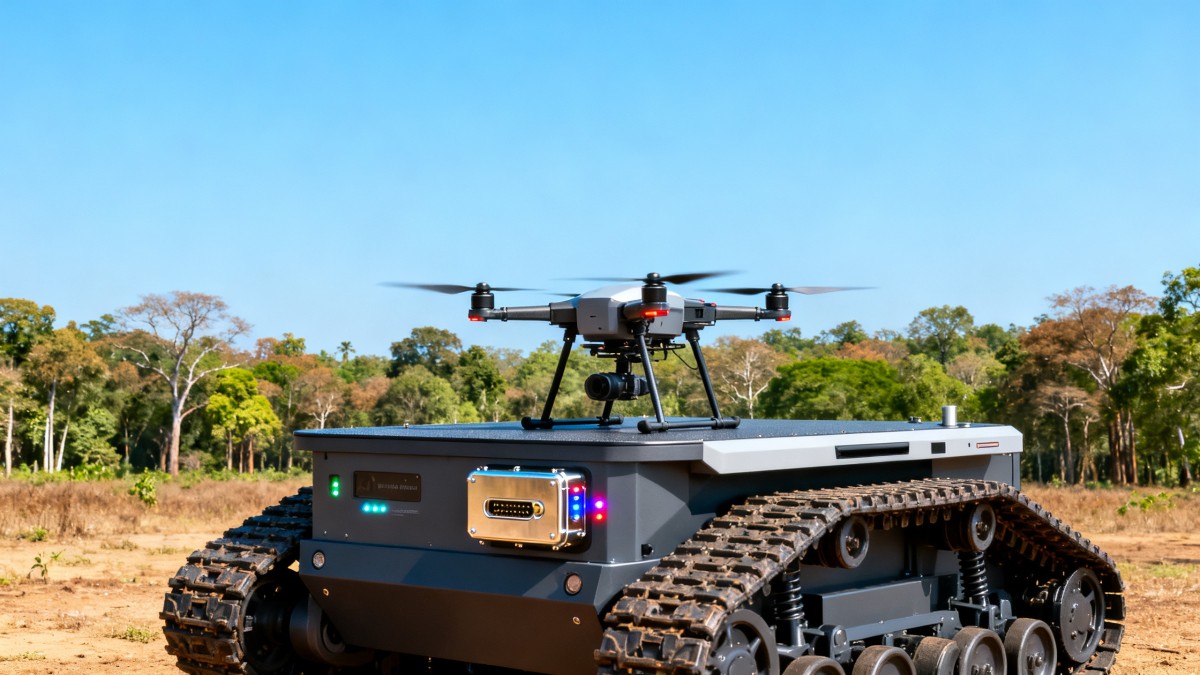
This update carries practical weight: it changes how compliance is scoped, documented, and enforced — not just for exporters, but across software supply chains supporting Indian market access. It marks a transition from hardware-centric certification to integrated hardware-software assurance — requiring cross-functional alignment far beyond traditional quality departments.
Information Sources: Bureau of Indian Standards (BIS) official notification dated 5 May 2026; IS 17799:2026 standard document (published edition); BIS Import Certification Scheme guidelines (as updated through May 2026). Note: Implementation details — including approved labs for source code auditing and accepted cybersecurity frameworks — remain pending official clarification and are under ongoing observation.
Related Intelligence
- Forestry EquipmentBIS Mandates Separate Certification for Drone & AI Modules in Forestry EquipmentBIS mandates separate certification for drone & AI modules in forestry equipment—key for Chinese exporters targeting India. Act now to avoid license invalidation by 30 Sep 2026.
- Forestry EquipmentPortable sawmill manufacturer claims that deserve a closer lookPortable sawmill manufacturer claims can sound impressive, but which ones hold up in real use? Discover a practical checklist to compare output, durability, service, and true lifecycle value.
- Forestry EquipmentCommercial stump grinders: what causes vibration to get worse fastStump grinders commercial crews use can develop severe vibration fast. Learn the top causes, warning signs, and maintenance checks to prevent downtime and costly failures.
The Morning Broadsheet
Daily chemical briefings, market shifts, and peer-reviewed summaries delivered to your terminal.
